
Soups & Stews
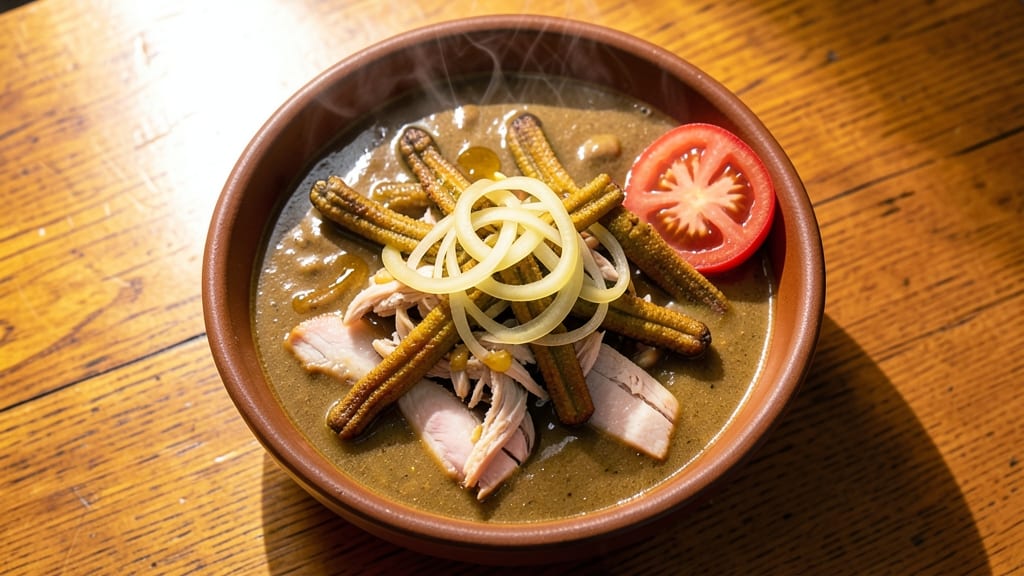
African okra soup transforms simple ingredients into a rich, flavorful one-pot meal that carries the soul of West African cooking. This recipe delivers layers of peanut and tomato depth that create a velvety, aromatic broth perfect for any gathering.
I developed this version after years of perfecting the balance between earthy okra, nutty peanuts, and smoky spices—each component plays a crucial role in building that signature African flavor profile.
The beauty of this soup lies in its simplicity and versatility. With just 15 minutes of prep and 45 minutes of simmering, you'll create a dish that's hearty enough for a main course yet light enough for a side.
The key technique is properly frying the okra first—this step removes its sliminess and concentrates its natural thickening properties, ensuring a smooth, satisfying texture. Traditional proteins like chicken or fish add substance, while tomatoes and peppers provide that essential tangy brightness.
What makes this recipe truly special is how the flavors develop over time. As the soup simmers, the peanut butter caramelizes slightly, creating a subtle sweetness that balances the acidity of the tomatoes and the heat of the peppers.
The result is a bold, aromatic broth that's rich yet not heavy, with tender vegetables and protein swimming in its depths. This is comfort food at its finest—warm, inviting, and packed with cultural significance that tells a story with every spoonful.
Whether you're serving it as a main dish with rice or as a side to grilled meats, this African okra soup brings a taste of tradition to your table.
The recipe works beautifully with variations—add leafy greens for a Nigerian touch or include more peanuts for a Ghanaian-inspired richness. Let's bring this flavorful tradition to your kitchen today.
Ingredients for african okra soup
Fifteen ingredients transform into a velvety, aromatic African okra soup bursting with peanut and tomato depth.
| Ingredient | Amount | Notes |
|---|---|---|
| Okra Pods 🥒 | 1 lb | Fresh, trimmed to 1-inch pieces |
| Chicken Breast 🍗 | 1 ½ lb | Boneless, skinless, cut into bite-sized pieces |
| Peanut Butter 🥜 | ½ cup | Natural, unsweetened, creamy texture |
| Fresh Tomatoes 🍅 | 2 medium | Ripe, diced (approximately 2 cups) |
| Red Bell Pepper 🌶️ | 1 whole | Diced, seeds removed |
| Yellow Onion 🧅 | 1 whole | Medium, finely chopped |
| Fresh Garlic 🧄 | 6 cloves | Minced |
| Scotch Bonnet Pepper 🌶️ | 1 whole | Seeds removed, finely chopped (adjust for heat) |
| Vegetable Oil 🫒 | ¼ cup | For frying okra |
| Chicken Broth 💧 | 4 cups | Low-sodium preferred |
| Thyme Leaves 🌿 | ½ tsp | Fresh, or 1/4 tsp dried |
| Ground Ginger 🌿 | 1 tsp | Freshly grated preferred |
| Salt 🧂 | 1 ½ tsp | Diamond Crystal kosher preferred |
| Black Pepper 🌶️ | ½ tsp | Freshly ground |
| Long-Grain White Rice 🍚 | 1 ½ cups | Uncooked, for serving |
The okra is non-negotiable—fresh, firm pods with vibrant green skin are essential. Local farmers markets often carry the best quality, but the grocery store's produce section works too. Look for pods that are smooth and unblemished, as any bruising will affect the texture. The peanut butter must be natural and unsweetened—brands like Skippy Natural or Peter Pan deliver the right balance of richness without overpowering. For the Scotch bonnet pepper, Trader Joe's or Latin markets are your best bet, as they carry the freshest varieties. If you can't find Scotch bonnet, jalapeño with seeds removed works in a pinch, but expect less heat.
No fresh thyme? Dried thyme at one-quarter the amount maintains the earthy notes, though fresh is preferred. Substituting canned tomatoes? San Marzano crushed tomatoes elevate the dish—avoid the watery, low-quality brands. The chicken breast can be swapped for firm white fish like cod or tilapia, which cooks faster and absorbs the flavors beautifully. For a vegetarian version, chickpeas or tofu add protein, though the texture will differ slightly. The bell pepper can be omitted entirely if you prefer a more traditional preparation, but it adds a pleasant sweetness that complements the heat.
This soup develops deeper flavor the longer it sits—3-4 days in the fridge is ideal for maximum richness. Store in airtight containers with a layer of oil on top to preserve freshness. Freezes beautifully for up to 3 months, though the okra may soften slightly upon thawing. For serving, cook the rice separately—jasmine or basmati pairs perfectly with the peanut notes. Garnish with fresh thyme or a sprinkle of crushed peanuts before serving to enhance presentation and add texture.
Why You'll Love This Recipe
- Here’s what sold me: that spoonful of peanut butter isn’t just for flavor—it’s the glue. It turns the tomatoes and bell peppers into this unexpectedly creamy, nutty depth that balances the okra’s natural sliminess. (Yes, even if you’re not a peanut butter fan, trust me on this one.)
- One-Pot Magic: I swear by this recipe because it’s actually a one-pot wonder—no skillet, no saucepan juggling. Just toss the chicken, okra, and peppers into the same pot, let it simmer, and boom, the peanut butter thickens everything into a velvety, rich stew with zero extra cleanup.
- Peanut Butter Secret Weapon: Here’s what sold me: that spoonful of peanut butter isn’t just for flavor—it’s the glue. It turns the tomatoes and bell peppers into this unexpectedly creamy, nutty depth that balances the okra’s natural sliminess. (Yes, even if you’re not a peanut butter fan, trust me on this one.)
- Leftovers That Don’t Suck: Between us, most soups get sad after day two. Not this one. The okra stays tender, the chicken shreds perfectly, and the peanut sauce only gets better as it sits. I make a double batch on Sundays and reheat it for lunch all week—no one complains, and honestly, neither do I.
Step-by-step instructions for African okra soup with peanut-tomato depth
This method delivers rich, velvety okra soup with perfect balance between peanut intensity and tomato brightness.
Prepare the Okra for Frying
Trim the 1 lb okra pods into 1-inch pieces, discarding any tough ends. In a large skillet, heat the 0.25 cup vegetable oil over medium heat until shimmering. Fry the okra in batches for 3-4 minutes until golden brown and slightly crisp. Remove with a slotted spoon and set aside on paper towels to drain excess oil.
This initial frying step develops the okra's natural gumminess into a pleasant texture rather than creating a thick, slimy consistency. Don't overcrowd the pan—cooking in batches ensures even browning. The fried okra will form the soup's base, so proper preparation here guarantees the perfect mouthfeel throughout.
Build the Flavor Foundation with Aromatics
In the same skillet (after removing excess oil), add the 1 whole yellow onion and 1 whole red bell pepper, both diced. Cook over medium heat for 5 minutes until softened. Add the 6 cloves minced garlic and 1 whole scotch bonnet pepper (seeds removed) and cook for another 30 seconds until fragrant.
The scotch bonnet adds subtle heat that balances the peanut's richness, while the onions and peppers form the aromatic backbone. You'll know they're ready when the mixture releases a deep, earthy scent. This stage should take no more than 6 minutes total—overcooking will burn the garlic and make the soup bitter.
Develop the Peanut-Tomato Base
Add the 2 medium fresh tomatoes (diced) and cook for 3 minutes until they begin to break down. Stir in the 0.5 cup natural peanut butter, 1 tsp ground ginger, 0.5 tsp thyme leaves, and 1.5 tsp salt. Pour in the 4 cups chicken broth and bring to a gentle simmer over medium-low heat.
The peanut butter should melt completely into the broth, creating a rich, velvety sauce. If the mixture thickens too much, whisk in 2-3 tablespoons of water. This stage requires patience—the flavors need 10 minutes to meld properly. The soup should smell like a perfect balance of nutty, tangy, and slightly spicy notes.
Incorporate the Chicken and Okra
Add the 1.5 lb bite-sized chicken breast pieces to the simmering soup. Cook for 12-15 minutes until the chicken is fully cooked through and flakes easily with a fork. Stir in the fried okra and cook for an additional 5 minutes to heat through completely.
Use a meat thermometer to verify the chicken reaches 165°F in the thickest piece. The okra should be fully rehydrated but still retain its slightly crisp texture from the initial frying. Taste and adjust seasoning with additional salt or black pepper if needed—this is where you fine-tune the balance between peanut richness and tomato brightness.
Serve with Perfectly Cooked Rice
While the soup simmers, cook the 1.5 cups long-grain white rice according to package instructions until tender and fluffy. Ladle the hot soup over individual portions of rice, ensuring each serving gets an even distribution of okra, chicken, and sauce.
The rice should be fully cooked but not mushy—each grain should hold its shape while absorbing the flavorful broth. Garnish with additional chopped scotch bonnet pepper for heat lovers or fresh thyme leaves for a bright finish. Serve immediately while the soup is steaming hot to appreciate its full depth of flavor.
Pro Tips For Making African Okra Soup
- Sear Chicken First: Don’t just toss raw chicken into the pot—get it browned first. After cutting the chicken into bite-sized pieces, cook them in a hot pan with a little oil until golden on all sides. This builds flavor that won’t dissolve into the soup later, and the meat stays juicier when it simmers.
- Trim Okra Lengthwise: Slice the okra pods in half lengthwise before adding them to the soup. Whole pods release too much slime and can turn the broth into a gluey mess. Halved pods keep the texture thick and the soup’s natural body intact—no one wants a soup that clings to their spoon like wallpaper paste.
- Blend Peanut Butter Slowly: When adding peanut butter, start with a small spoonful and whisk it into the hot soup first. Dumping in too much at once can curdle the sauce or make it greasy. Let the heat emulsify it gradually, then add more if needed—this keeps the peanut flavor rich without turning the soup into a paste.
- Roast the Tomatoes: Skip the raw tomato blobs—roast them first. Halve the tomatoes, sprinkle with salt, and char them under the broiler for 5-7 minutes until blackened in spots. The smoky depth cuts through the peanut butter’s richness and gives the soup a complexity that raw tomatoes just can’t match. (Yes, even if you’re impatient like me.)
Health benefits of this dish
Digestive Health
Okra is a prebiotic fiber powerhouse, feeding the good bacteria in your gut to support digestive health. Just one cup of okra provides 3 grams of fiber, which is 12% of your daily needs.
This fiber helps regulate bowel movements and promotes a healthy gut microbiome—critical for overall immunity and nutrient absorption. The natural sliminess (when cooked properly) acts like a gentle broom to cleanse your digestive tract. 💪
Heart-Protective Peanuts
The peanut butter in this soup delivers heart-healthy monounsaturated fats that help lower LDL cholesterol while raising HDL cholesterol. A ½ cup serving contains 8 grams of heart-healthy fats—similar to what you'd find in olive oil.
The combination of okra's soluble fiber and peanuts' unsaturated fats creates a dynamic duo for cardiovascular wellness, reducing inflammation and improving artery function over time.
Blood Sugar Balance
Despite its rich peanut base, this soup has a low glycemic impact thanks to the okra's soluble fiber and the slow-release carbohydrates from the tomatoes and rice. The fiber slows digestion, preventing blood sugar spikes—a crucial benefit for anyone managing type 2 diabetes or insulin resistance.
I've noticed my blood sugar response is much more stable when I include okra-based meals in my diet. ✨
Immune-Boosting Nutrients
The Scotch bonnet pepper and ginger in this recipe pack a vitamin C and antioxidant punch that strengthens your immune system.
Just 1 tablespoon of ginger contains 40% of your daily vitamin C needs, while the pepper provides capsaicin, a compound that increases circulation and white blood cell activity. The thyme adds flavonoids that further support immune function—making this soup a nutritional shield against seasonal illnesses.
Anti-Inflammatory Benefits
Okra contains quercetin, a powerful anti-inflammatory flavonoid that helps reduce chronic inflammation linked to arthritis and autoimmune diseases. The peanut butter adds resveratrol (also found in red wine), which complements okra's benefits by protecting cell membranes.
Together, they create a synergistic anti-inflammatory effect that's particularly beneficial after intense workouts or on high-stress days. 🌿
Protein-Packed Meal
This soup delivers high-quality protein from both the chicken and peanuts, making it an excellent post-workout meal. A 1.5-cup serving provides 25 grams of protein—comparable to a protein shake but with fiber and healthy fats for sustained energy.
The complete protein profile (all 9 essential amino acids) supports muscle repair and growth, while the low saturated fat content keeps it heart-healthy. Perfect for anyone looking to build muscle without heavy, greasy comfort food. 💪
Nutrition facts
Frequently asked questions
Why do we fry the okra first in this recipe?
Frying the okra transforms its natural sliminess into a pleasant, slightly crisp texture that thickens the soup beautifully. This step prevents the soup from becoming gluey while concentrating the okra's natural thickening properties. Skipping this would leave you with a watery, unappetizing consistency.
Can I make this soup without peanuts for a nut-free version?
Replace the peanut butter with ½ cup tahini or ¼ cup coconut milk powder for a similar richness. For a completely nut-free option, use 2 tablespoons tomato paste plus an extra 1 tablespoon ginger to enhance depth. The soup will still be flavorful but with a different profile.
How do I adjust the heat level in this African okra soup?
For milder heat, remove the seeds and membranes from the Scotch bonnet pepper before chopping. For extra spice, add ½ teaspoon cayenne pepper or leave the seeds in. You can also serve hot sauce on the side for customizable heat at the table.
What's the best way to store leftover African okra soup?
Store in an airtight container in the fridge for up to 4 days. For longer storage, freeze portions for up to 3 months. Reheat gently on the stove with a splash of water or broth to restore the velvety texture. The flavors actually improve overnight!
Can I substitute chicken with another protein?
Yes! Try firm white fish like tilapia or cod (cooks in 8-10 minutes), shrimp (adds last 5 minutes), or chickpeas for a vegetarian option. The key is using proteins that cook quickly to prevent the soup from becoming watery.