Soups & Stews
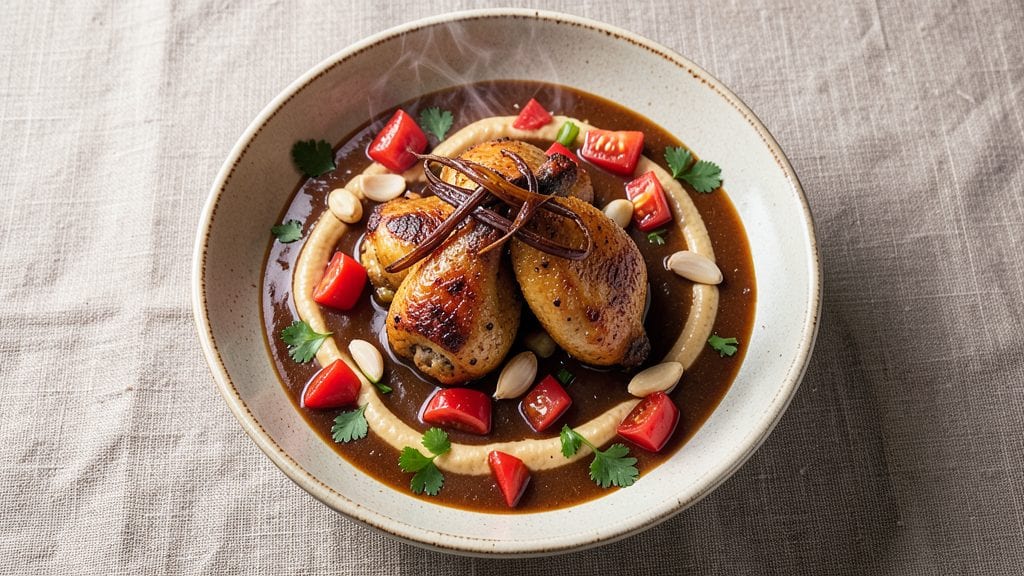
This rich African soup recipe—a West African tomato and peanut stew—brings bold flavors and comforting warmth to your table with every spoonful. The rich, nutty peanut base blends perfectly with tomatoes and vegetables, creating a hearty soup that’s both satisfying and deeply flavorful.
I developed this recipe after years of perfecting the balance between earthy peanut, tangy tomatoes, and aromatic spices—it’s the kind of dish that tastes like home, no matter where you are.
The beauty of this stew lies in its versatility—it works with chicken, beef, or even tofu for a vegetarian version. The slow simmering process deepens the flavors, while blending the peanut and tomato mixture creates a velvety texture that coats every ingredient.
This isn’t just a soup; it’s a celebration of West African cuisine, packed with nutrients and tradition.
What you’ll end up with is a steaming bowl of golden-brown stew, where tender vegetables and protein swim in a thick, aromatic broth. The peanut flavor is rich but never overpowering, and the tomatoes add a bright acidity that cuts through the richness.
Serve it with rice or crusty bread to soak up every last drop of that flavorful sauce.
Whether you’re cooking for a family gathering or a quiet weeknight dinner, this recipe delivers restaurant-quality results with simple, accessible techniques. Let’s get started on creating something truly special in your kitchen.
Ingredients for african soup
Sixteen ingredients, bold West African flavors, and a soul-warming bowl of comfort.
| Ingredient | Amount | Notes |
|---|---|---|
| Chicken Thighs 🍗 | 1 ½ lb | Bone-in, skin-on preferred |
| Peanut Butter 🥜 | ½ cup | Natural, unsweetened preferred |
| Canned Tomato Sauce 🍅 | 1 can | 28 oz can, San Marzano if possible |
| Fresh Ginger 🌿 | 2 tbsp | Grated, fresh preferred |
| Onions 🧅 | 1 whole | Yellow, diced |
| Garlic Cloves 🧄 | 6 cloves | Peeled, minced |
| Sweet Potatoes 🍠 | 1 ½ lb | Peeled, cubed |
| Bell Peppers 🌶️ | 1 whole | Red or green, diced |
| Carrots 🥕 | 1 lb | Peeled, sliced |
| Chicken Broth 💧 | 2 cups | Low-sodium preferred |
| Ground Black Pepper 🌶️ | 1 tsp | Freshly ground |
| Sea Salt 🧂 | 1 ½ tsp | Diamond Crystal preferred |
| Vegetable Oil 🫒 | 2 tbsp | For sautéing |
| Dried Thyme 🌿 | 1 tsp | Or 1 tbsp fresh |
| Cayenne Pepper 🔥 | ½ tsp | Adjust to taste |
The peanut butter is non-negotiable—natural, unsweetened is key here. Trader Joe's or Whole Foods carry great options, but any natural brand works. The ginger needs to be fresh, not powdered—look for plump, firm rhizomes with no soft spots. Chicken thighs stay juicier than breasts, but if you prefer white meat, use boneless, skinless breasts and reduce cooking time by 10 minutes. Sweet potatoes should be firm and heavy for their size—orange-fleshed varieties have the best flavor. For the tomatoes, San Marzano cans are worth the splurge if you can find them; otherwise, any high-quality canned tomato sauce will do.
No peanut butter? Smooth tahini at half the amount works in a pinch, though the flavor will be slightly different. Fresh ginger too strong? Powdered ginger at one-third the amount gets you close. The cayenne is optional but adds depth—red pepper flakes work too. For the chicken, bone-in thighs are ideal, but tofu or chickpeas make this vegetarian-friendly. The broth can be swapped for water if needed, but low-sodium is crucial—you'll be adding salt later. If you can't find fresh thyme, dried works at one-third the amount, but fresh is definitely better.
This stew tastes even better the next day—double the batch and freeze half for lazy weeknights. Store in an airtight container for 5 days in the fridge or 3 months in the freezer. The sauce thickens as it cools, so add a splash of water or broth if it's too thick when reheating. Serve with jasmine rice or crusty bread to soak up every last drop of that rich, nutty goodness.
Why You'll Love This Recipe
- Same soup, different vibes: serve it over rice with a side salad for a lazy Tuesday, or drizzle with coconut milk and garnish with cilantro for a dinner guest showstopper. I’ve even reheated leftovers straight from the fridge for a quick lunch—no one’s complained yet.
- Pantry Powerhouse: I swear by this recipe when I forget to shop—just grab those canned tomatoes, a block of peanut butter, and whatever chicken’s lurking in the freezer. No fancy ingredients, no last-minute grocery runs.
- Ginger-Peanut Magic: That first spoonful of peanut butter simmered with fresh ginger? It’s like a warm hug in a bowl. The ginger cuts through the richness, and the peanut butter adds this deep, nutty satisfaction that just works.
- Weeknight to Party Fix: Same soup, different vibes: serve it over rice with a side salad for a lazy Tuesday, or drizzle with coconut milk and garnish with cilantro for a dinner guest showstopper. I’ve even reheated leftovers straight from the fridge for a quick lunch—no one’s complained yet.
Step-by-Step instructions for West African tomato and peanut stew
This rich, flavorful West African stew comes together through layers of aromatic cooking and gentle simmering.
Sear the Chicken Thighs for Deep Flavor
Pat the 1.5 lb chicken thighs dry with paper towels to ensure crispy skin. Heat 2 tablespoons vegetable oil in a large Dutch oven over medium-high heat until shimmering. Working in batches if needed, add the chicken thighs skin-side down and cook undisturbed for 5-6 minutes until golden brown and crispy.
Flip the chicken and cook another 4-5 minutes until the internal temperature reaches 165°F. Remove the chicken from the pot and set aside on a plate. The rendered fat in the pot will form the base of your stew, so don't wipe it clean—this is where all the rich flavors begin.
Build the Aromatic Base with Onions and Ginger
In the same Dutch oven, reduce heat to medium and add the diced onion. Cook for 4-5 minutes until softened and translucent, stirring occasionally. Add the 2 tablespoons grated fresh ginger and cook for another 1-2 minutes until fragrant.
This step is all about developing the foundation of your stew. The onions should caramelize slightly at the edges, adding sweetness that balances the heat of the cayenne later. If the onions start to brown too quickly, reduce the heat slightly to prevent burning.
Add Garlic, Peppers, and Spices for Depth
Push the onions to one side of the pot and add 2 tablespoons vegetable oil if needed. Add the 6 minced garlic cloves and cook for 30 seconds until fragrant. Stir to combine with the onions, then add the diced bell peppers and cook for 3-4 minutes until slightly softened.
Sprinkle in 1 teaspoon dried thyme, 0.5 teaspoon cayenne pepper, and 1 teaspoon ground black pepper. Stir well to toast the spices for 30 seconds—this releases their essential oils and intensifies their flavors. The pot should smell rich and aromatic at this point.
Simmer the Vegetables and Chicken Broth
Pour in the 1 can canned tomato sauce and stir to deglaze the pot, scraping up any browned bits from the bottom. Add the 2 cups chicken broth and bring the mixture to a gentle simmer. Return the chicken thighs to the pot, skin-side up, and cover with a lid.
Simmer for 20 minutes on medium-low heat, allowing the chicken to cook through and the flavors to meld. The stew should begin to thicken slightly as the vegetables release their juices. Stir occasionally to prevent sticking and ensure even cooking.
Incorporate Peanut Butter and Sweet Potatoes
Reduce heat to low and stir in the 0.5 cup peanut butter until fully dissolved and smooth. Add the 1.5 lb cubed sweet potatoes, 1 lb sliced carrots, and 1.5 teaspoons sea salt. Stir well to coat the vegetables in the sauce.
Cover the pot and simmer for 25-30 minutes on low heat, stirring occasionally, until the sweet potatoes are tender and the carrots are easily pierced with a fork. The stew should be thick and hearty, with the peanut butter adding a creamy richness that balances the acidity of the tomato sauce.
Rest and Serve with Confidence
Once the vegetables are tender, remove the chicken thighs from the pot and let them rest on a cutting board for 5 minutes. Shred the chicken with two forks, discarding any bones or skin, and return the shredded meat to the stew. Taste and adjust the seasoning with additional sea salt or cayenne pepper if needed.
Serve the stew immediately, ladling it into bowls with the shredded chicken and vegetables. The flavors will continue to develop as it sits, but the stew is best enjoyed fresh and hot. Pair it with crusty bread or steamed rice to soak up every last drop of this rich, comforting stew.
Pro Tips For Making African Soup
- Brown the Chicken First: Skip the raw chicken straight into sauce—it’ll turn your soup gray and bland. Sear the thighs in a hot pot with a little oil until they’re golden on both sides (about 5 minutes per side). That crust locks in flavor, and the color? Actually matters.
- Whisk the Peanut Butter: Don’t just dump that peanut butter in like it’s a lazy shortcut. Mix it with a splash of hot broth or water first—it’ll smooth out clumps and blend better into the sauce. I used to ignore this, and my soup always had weird texture pockets.
- Simmer, Don’t Boil: Once the peanut butter’s incorporated, drop the heat to a gentle simmer. Boiling burns the peanut flavor fast, and you’ll end up with a bitter, thin sauce instead of that rich, velvety consistency. Think "tiny bubbles," not "rolling boil."
- Toast the Onions Low: Caramelize those onions before adding anything else—it’s the base of all the flavor. Cook them on low heat for 10-15 minutes until they’re deep golden, almost jammy. Rushed? Sure, but you’ll taste the difference when the ginger and tomatoes go in.
Storing and reheating this recipe
Fridge Storage Essentials
Transfer your stew to an airtight container (I use glass Pyrex with snap-on lids) once cooled to room temperature—never store it hot. The rich peanut-tomato sauce thickens as it chills, so leave ½-inch headspace to prevent overflow.
Store for up to 5 days at 40°F or below, but honestly? It tastes even better the next day as flavors meld. 🥣
Freezer Prep Tips
For long-term storage, portion into quart-sized freezer bags (remove excess air to prevent freezer burn). Label with the date—this stew freezes beautifully for 3 months. When ready to reheat, thaw overnight in the fridge for even cooking. Pro tip: Freeze in single-serving portions for easy grab-and-go meals. ❄️
Stovetop Reheating
My preferred method: Transfer chilled stew to a heavy-bottomed pot and add ¼ cup water or broth to prevent sticking. Heat over medium-low for 10-15 minutes, stirring occasionally. The peanut butter may separate slightly—just stir vigorously to re-emulsify. Taste and adjust salt (the flavors concentrate during freezing). 🔥
Microwave Shortcuts
For quick reheating, use a microwave-safe bowl covered with a damp paper towel. Heat on 50% power in 2-minute intervals, stirring between each, until steaming hot (about 6-8 minutes total). Add a splash of water if the sauce looks too thick—peanut butter loves to thicken when reheated. 💡
Reviving Texture
If reheated stew feels too thick, thin it with warm broth or water—start with 2 tablespoons and adjust. For extra richness, stir in 1 teaspoon peanut butter while reheating. The key is patience: let it simmer gently to restore that velvety consistency without breaking the peanut emulsion. ✨
Serving Leftovers
Leftovers make fantastic lunches! Serve over jasmine rice or with crusty sourdough to soak up the sauce. For a quick upgrade, top with fried plantains or a sprinkle of fresh cilantro. The flavors only get better with time—trust the process! 🌱
Nutrition facts
Frequently asked questions
Can I make this West African stew vegetarian?
Replace the chicken thighs with 1.5 lbs firm tofu (pressed and cubed) or 2 cans chickpeas, drained and rinsed. Add the tofu or chickpeas in Step 4 when simmering with the tomato sauce and broth. For extra protein, stir in ½ cup cooked lentils at the end. The peanut-tomato base works perfectly with plant-based proteins!
Why does my stew taste too thick or too thin?
Peanut butter naturally thickens as it cools, so if your stew seems too thick, stir in 2-3 tablespoons warm broth or water while reheating. For a thinner consistency during cooking, add ¼ cup extra broth in Step 4. If it's too thin, simmer uncovered for 5-10 minutes to reduce—just stir occasionally to prevent sticking.
What are the best sides to serve with this stew?
This hearty stew pairs beautifully with jasmine rice or coconut rice, which soaks up the rich sauce. For a complete meal, add crusty sourdough bread, fried plantains, or steamed greens like collards. The contrast of textures and flavors makes every bite satisfying!
Can I substitute peanut butter with another nut or seed butter?
Yes, but the flavor will shift slightly. For a similar texture, use ½ cup tahini (sesame paste) or ½ cup almond butter, though tahini has a more neutral taste. If you prefer a stronger nut flavor, try cashew butter. Just remember that peanut butter gives this stew its signature richness—these alternatives won’t be identical, but they’ll still taste delicious!
How can I make this stew spicier or milder?
For extra heat, add ½ teaspoon more cayenne pepper or a pinch of red pepper flakes in Step 3. To mellow the spice, reduce the cayenne to ¼ teaspoon or omit it entirely. For a smoky depth without heat, stir in ½ teaspoon smoked paprika at the end. Taste as you go—adjust to your preference!