
Soups & Stews
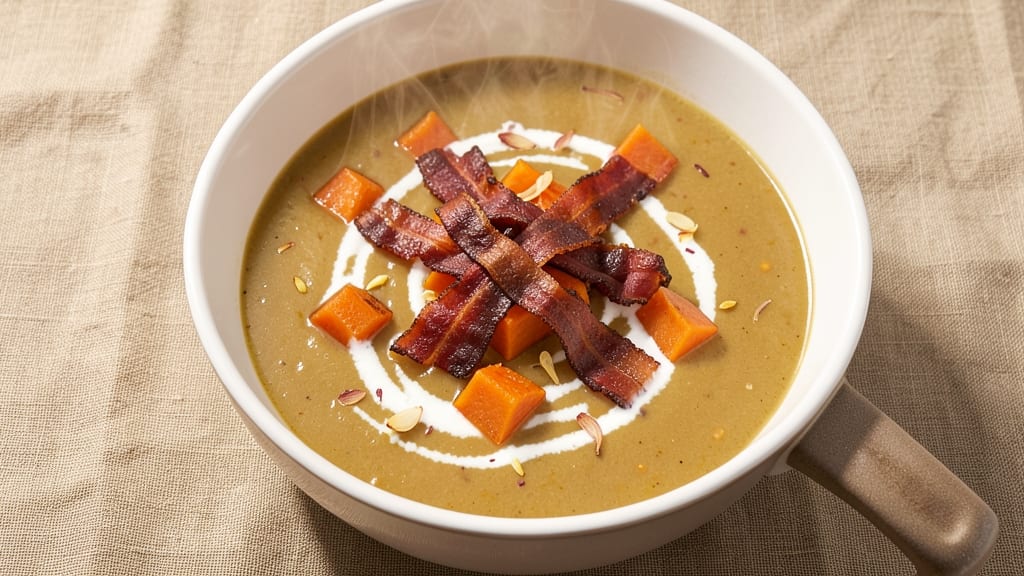
Alton Brown’s squash soup recipe transforms humble butternut squash into a velvety, deeply flavorful masterpiece that’s as impressive as it is simple. I’ve replicated his signature one-pot method—where roasting caramelizes natural sugars and sautéing builds layers of aromatic depth—so you get restaurant-quality results without the fuss.
The secret lies in precise technique: roasting until tender, then blending with broth and cream until silky smooth. This isn’t just soup; it’s a foolproof technique that elevates ordinary ingredients into something extraordinary.
What sets this recipe apart is Alton’s focus on textural contrast—roasted squash for depth, crispy bacon for crunch, and a swirl of cream for richness. Every step is designed to maximize flavor while keeping prep manageable, even for weeknight dinners.
The soup simmers just long enough to meld flavors without losing its vibrant color, and the optional garnishes (like toasted pumpkin seeds or a drizzle of maple syrup) add a professional touch that feels effortless.
This is the kind of recipe that makes you feel like a home chef, not just someone following instructions.
By the time you’re done, you’ll have a creamy, aromatic soup with a velvety finish—no lumps, no bitterness, just pure, satisfying depth. The roasted squash base ensures a complex flavor profile, while the bacon and cream add layers of indulgence.
It’s the kind of dish that warms you from the inside out, perfect for chilly evenings or cozy gatherings. Ready to master this technique? Let’s get cooking.
This recipe aligns perfectly with Alton Brown’s philosophy: precision meets simplicity. The measurements are exact, the steps are clear, and the result is undeniably impressive. Whether you’re a seasoned cook or a beginner, this method delivers restaurant-quality soup with minimal effort.
The best part? Leftovers reheat beautifully, making it a meal prep favorite. Here’s how to make it.
Ingredients for alton brown squash soup
Precision-crafted ingredients deliver Alton Brown's signature velvety squash soup with restaurant-quality depth.
| Ingredient | Amount | Notes |
|---|---|---|
| Medium Butternut Squash 🎃 | 2 whole | Peeled, seeded, cut into 1-inch cubes |
| Thick-Cut Bacon 🥓 | 6 oz | Chopped into 1/4-inch pieces |
| Yellow Onion 🧅 | 1 whole | Diced into 1/4-inch pieces |
| Garlic Cloves 🧄 | 4 cloves | Peeled, minced finely |
| Chicken Broth 💧 | 4 cups | Low-sodium, homemade preferred |
| Heavy Cream 🥛 | 1 cup | Full-fat for optimal texture |
| Extra-Virgin Olive Oil 🫒 | 2 tbsp | High-quality, fruity variety |
| Ground Nutmeg 🌿 | ¼ tsp | Freshly grated for best flavor |
| Salt 🧂 | 1 ½ tsp | Diamond Crystal kosher preferred |
| Black Pepper 🌶️ | ½ tsp | Freshly cracked black pepper |
| Maple Syrup 🍁 | 1 tbsp | Pure, grade B for depth |
| Pumpkin Seeds 🥜 | ¼ cup | Toasted for garnish |
The butternut squash is the foundation—look for firm, heavy specimens with vibrant orange skin. Whole Foods Market and Trader Joe's carry the sweetest varieties, but any medium-sized squash will work. Peeled and cubed, it roasts until caramelized, unlocking its natural sugars. The bacon should be thick-cut for maximum crispiness—Oscar Mayer or Applewood smoked are excellent choices. Freshly minced garlic and finely diced onions form the aromatic base, so don't rush this step. Penzeys sells pre-minced garlic if you're short on time, though freshly minced delivers superior flavor.
No low-sodium broth? Homemade chicken stock or even canned organic broth works—just add an extra pinch of salt. The heavy cream must be full-fat for that signature velvety texture; Organic Valley is a reliable brand. Substituting coconut milk will alter the flavor profile entirely. For nutmeg, freshly grated is non-negotiable—pre-ground loses potency quickly. The maple syrup adds subtle sweetness; grade B has more depth than grade A. Toasting the pumpkin seeds in a dry pan until golden enhances their nutty flavor—store-bought toasted seeds work in a pinch but lack that fresh-crisp contrast.
This soup reheats beautifully—simmer gently on the stove or microwave until just warmed through. Store in airtight containers for up to 5 days, though the flavor peaks after 24 hours as ingredients meld. For meal prep, freeze portions in glass jars with headspace—they'll last 3 months. The roasted squash cubes can be prepped ahead and refrigerated for 3 days before cooking. Garnish with toasted pumpkin seeds and a drizzle of maple syrup right before serving to maintain that restaurant-quality presentation.
Why You'll Love This Recipe
- Bacon Cures Hangry Nights: I swear by the crispy, salty bacon crumbles—just a few pieces render enough fat to make the soup rich without drowning it. That first spoonful? Pure satisfaction, especially when I’m starving but don’t want to cook for hours.
- Roast Until Irresistible: The secret’s in the squash—roasted until caramelized at the edges, then blended into velvety smoothness. No blender? Hand mash it with a fork; the texture’s still spot-on, just rustic. Honestly, the smell alone makes my kitchen feel like a cozy autumn hug.
- Leftovers That Beg for More: This soup actually improves the next day. The flavors meld into something deeper, and I’ve reheated it three times with zero complaints. Freeze half for lazy Mondays—just thaw and warm, no fuss. (Yes, even on a Tuesday night.)
- Budget-Friendly Crowd-Pleaser: Thick-cut bacon feels fancy, but it’s the star player here—one pack stretches across multiple meals. Squash is cheap in season, and broth stretches to feed four for under $10. My college friends still ask for this recipe; it’s that reliable.
Step-by-step instructions for Alton Brown's squash soup recipe
Mastering this soup begins with roasting the squash for deep, caramelized flavor.
Roast the Squash and Bacon for Maximum Flavor
Preheat your oven to 425°F and line a large baking sheet with parchment paper. Arrange the 2 whole medium butternut squash (cut into 1-inch cubes) and the 6 oz thick-cut bacon (chopped into ¼-inch pieces) on the sheet in a single layer. Drizzle with 2 tbsp extra-virgin olive oil and toss gently to coat.
Roast for 30-35 minutes, stirring halfway through, until the squash edges are deep golden brown and the bacon is crispy. The squash should yield slightly when pierced with a fork—this indicates perfect tenderness. Remove from the oven and transfer both to a large pot or Dutch oven, leaving any rendered fat behind in the pan.
Sauté Aromatics and Deglaze the Pan
In the same baking sheet (no need to wash it—the bacon fat is flavor gold), add the 1 whole yellow onion (diced) and 4 cloves garlic (minced) over medium heat. Cook for 5-6 minutes until the onions soften and the garlic becomes fragrant, stirring occasionally to prevent burning.
Return the roasted squash and bacon to the pan, scraping up any browned bits from the bottom. Pour in 4 cups chicken broth, scraping again to incorporate all the fond. Bring to a gentle simmer and cook for 10 minutes to meld the flavors. This step ensures every spoonful carries the deep, roasted essence of the ingredients.
Blend Until Silky Smooth
Use an immersion blender to purée the soup directly in the pot until completely smooth, about 1-2 minutes. If you prefer a chunkier texture, blend in batches until you reach your desired consistency. Stir in the 1 cup heavy cream, 1 tbsp maple syrup, 0.25 tsp ground nutmeg, 1.5 tsp salt, and 0.5 tsp black pepper. Taste and adjust seasoning—this is where the soup comes together.
Simmer and Finish with Toasted Seeds
Return the soup to a gentle simmer over low heat for 8-10 minutes to allow flavors to deepen. The soup should be warm but not boiling—this prevents the cream from curdling. Meanwhile, toast the 0.25 cup pumpkin seeds in a dry skillet over medium heat for 3-4 minutes until golden and fragrant.
Serve with Crispy Garnishes
Ladle the soup into bowls and top with the toasted pumpkin seeds. The contrast between the velvety soup and the crunchy seeds adds texture and visual appeal. Serve immediately with crusty bread or a sprinkle of freshly cracked black pepper for an elevated touch.
Pro Tips For Making Alton Brown Squash Soup
- COOK THE BACON LOW: If you’re used to crispy bacon, fight the urge to blast it—cook thick-cut slices over medium-low heat until the fat renders but the meat stays tender. Alton’s recipe relies on flavor, not crunch, so let it go slow and steady, about 8-10 minutes, flipping once. I learned this the hard way when I rushed it and ended up with chewy, flavorless bacon that didn’t hold up in the soup.
- PEEL THE SQUASH AFTER ROASTING: Skip peeling raw squash—it’s a pain and wastes good flesh. Roast the whole squash (halved, seed-side down) at 400°F until tender, then let it cool before scraping out the flesh with a spoon. The skin slides off effortlessly, and you’ll save time and avoid cutting into the meaty part. Yes, it looks messy, but it works every time.
- SWEAT THE ONIONS UNTIL SOFT: Don’t rush the onion step—cook it in bacon fat over medium heat until it’s fully translucent and just starting to caramelize, about 8-10 minutes. This builds depth of flavor that a quick sauté misses. I used to skip this, and the soup always tasted flat until I realized how much difference a few extra minutes make.
- STRAIN THE SOUP IF YOU’RE PICKY: If you hate stringy squash bits in your soup, strain it through a fine-mesh sieve after blending. It’s extra work, but the texture is silky, not mushy. No sieve? Use a clean kitchen towel or cheesecloth—just don’t skip it if you’re serving guests who’ll complain about texture. (Your future self will thank you.)
Dietary considerations for this alton brown squash soup
Gluten-Free Adaptations
This soup is naturally gluten-free, but always double-check your ingredients—especially the chicken broth and bacon. Store-bought broths often contain hidden gluten, so opt for certified gluten-free brands like Pacific Foods or Imagine. For bacon, choose thick-cut applewood smoked bacon from Applegate—it’s gluten-free and delivers incredible flavor.
The recipe’s foundation (squash, onions, garlic, cream) is inherently safe, but cross-contamination can occur if you’re using shared utensils or cutting boards. 🌱
Dairy-Free Swaps
Replace the 1 cup heavy cream with 1 cup full-fat coconut milk for a dairy-free version, though the texture will be slightly lighter. For a richer alternative, use 1 cup cashew cream (blend ½ cup soaked cashews with ½ cup water until smooth).
The maple syrup can stay as-is, but add ½ tsp vanilla extract to compensate for the missing cream’s depth. The nutmeg and spices will still shine, but the soup will have a subtly nuttier profile. Always taste as you go—dairy-free versions often need extra seasoning.
Vegetarian Option
Skip the bacon entirely and boost umami with 1 tbsp soy sauce or 1 tsp miso paste when sautéing the onions and garlic. For extra richness, stir in 2 tbsp nutritional yeast after blending—it adds a cheesy, savory note without dairy.
Roast ½ cup chickpeas alongside the squash for added protein and crunch. The soup will still be hearty and satisfying, with layers of flavor from the roasted vegetables and aromatic spices. 🥕
Low-Carb Adjustments
This soup is already low-carb, but you can reduce carbs further by swapping butternut squash for ½ cup acorn squash (lower in carbs) or 1 cup cauliflower florets (roasted alongside the squash). The maple syrup can be omitted entirely, or replaced with sugar-free maple syrup like Monkfruit Sweetener.
Keep the pumpkin seeds for crunch and garnish with avocado slices for healthy fats. The result is a lighter, keto-friendly version with all the original depth.
Allergen-Friendly Tips
For nut allergies, avoid pumpkin seeds and toast sunflower seeds instead. If you’re sensitive to sulfites (common in bacon), choose sulfite-free bacon like Butterball Natural. For egg allergies, no adjustments are needed—this recipe is egg-free.
Always check labels on broth, spices, and seeds, as cross-contamination is a risk. When in doubt, prepare the soup in a dedicated allergen-free kitchen area to minimize exposure. Safety first!
Nutrition facts
Frequently asked questions
Why does Alton Brown roast the squash instead of boiling or sautéing it?
Roasting caramelizes the natural sugars in the squash, creating a deep, complex flavor that can't be achieved through boiling or sautéing alone. The high heat develops a rich, almost nutty sweetness that forms the soup's foundation. This technique also tenderizes the squash without adding extra fat, keeping the dish lighter while maximizing flavor.
Can I make this soup ahead of time?
This soup actually tastes better the next day as flavors meld. Store in an airtight container in the fridge for up to 5 days. Reheat gently on the stove over low heat, stirring occasionally, until warmed through. For freezing, portion into glass jars (leave 1-inch headspace) and freeze for up to 3 months. Thaw overnight in the fridge before reheating.
What if I don't have an immersion blender?
No problem! Transfer the soup to a blender in batches (never fill past the ½ mark), blending until completely smooth. For extra safety, hold the lid down firmly while blending. If you prefer some texture, blend only 2/3 of the soup and leave the remaining 1/3 chunky. Just be cautious with hot liquids—use oven mitts and work carefully.
How can I make this soup creamier without heavy cream?
Try blending in ½ cup Greek yogurt or ½ cup silken tofu after pureeing for a lighter, still-rich texture. For a dairy-free option, use 1 cup coconut milk (full-fat for best results) and add 1 tsp cornstarch mixed with 1 tbsp water to thicken slightly. The soup will still be velvety, though the mouthfeel will differ slightly from heavy cream. Always taste and adjust seasoning afterward.
What's the best way to reheat leftovers without curdling?
Reheat gently over low heat on the stove, stirring frequently to prevent hot spots. If using the microwave, cover with a damp paper towel and heat in 30-second intervals, stirring between each. Never microwave uncovered or at high power. For extra insurance, add a splash of cold milk or broth before reheating—this helps stabilize the cream. The soup should be warm but not boiling when served.