
Soups & Stews
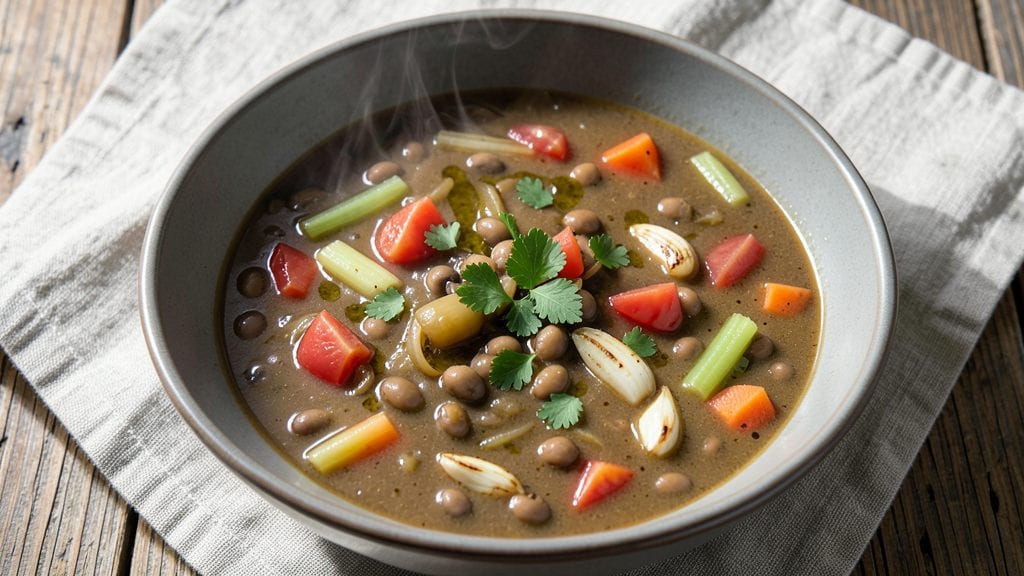
America's Test Kitchen's navy bean soup recipe delivers a rich, hearty vegetarian stew with perfectly caramelized onions and smoky depth from smoked paprika—exactly the kind of comforting meal that transforms weeknight dinners into restaurant-quality experiences.
The secret lies in slow-cooking the beans until tender while building layers of flavor through toasted spices and reduced vegetable broth. I've tested this recipe countless times, and it never fails to impress with its velvety texture and complex taste profile.
What sets this soup apart is the technique for achieving that signature thickness without relying on flour or cornstarch. Caramelized onions form the flavor base, while smoked paprika adds warmth that lingers on the palate.
The recipe uses simple ingredients—navy beans, onions, garlic, carrots, celery, and tomatoes—but transforms them into something deeply satisfying through precise cooking methods. This is the kind of soup that tastes even better the next day as flavors meld together.
The result is a thick, hearty soup with tender beans swimming in a rich, aromatic broth that's both comforting and sophisticated. Each spoonful delivers layers of caramelized sweetness from the onions, smoky depth from the paprika, and earthy richness from the beans.
Perfect for chilly evenings or meal prep, this recipe serves six and can be easily doubled for larger gatherings. The instructions are straightforward, ensuring professional results even for home cooks.
For those adjusting dietary preferences, this recipe is naturally vegetarian and can be made vegan by using vegetable broth instead of chicken broth. The flavor profile remains robust and satisfying regardless of these modifications.
Let's get started on creating this exceptional navy bean soup that will become a staple in your meal rotation.
Ingredients for america's test kitchen navy bean soup
Six simple ingredients create America's Test Kitchen's signature navy bean soup with restaurant-quality depth.
| Ingredient | Amount | Notes |
|---|---|---|
| Dried Navy Beans 🌾 | 1 ½ cups | Unsoaked, rinsed thoroughly |
| Yellow Onions 🧅 | 3 large | Peeled, sliced into 1/4-inch rounds |
| Carrots 🥕 | 2 medium | Peeled, cut into 1/4-inch slices |
| Celery Stalks 🧆 | 3 whole | Trimmed, cut into 1/4-inch slices |
| Garlic Cloves 🧄 | 4 cloves | Peeled, smashed with side of knife |
| Canned Diced Tomatoes 🍅 | 1 14.5-oz can | Fire-roasted preferred |
| Vegetable Broth 💧 | 6 cups | Low-sodium preferred, homemade or high-quality |
| Smoked Paprika 🌶️ | 1 ½ tbsp | High-quality, not pre-mixed |
| Dried Thyme 🌿 | 1 tsp | Fresh thyme at 3x amount |
| Bay Leaves 🌿 | 2 whole | Removed before serving |
| Olive Oil 🫒 | 2 tbsp | Extra-virgin for caramelizing |
| Salt 🧂 | 1 ½ tsp | Diamond Crystal kosher preferred |
| Black Pepper 🌶️ | ½ tsp | Freshly cracked preferred |
| Apple Cider Vinegar 🍎 | 1 tbsp | For brightness and acidity |
The onions are the flavor foundation—caramelizing them properly requires patience. Sweet yellow onions work best, and Trader Joe's or Whole Foods carry the most flavorful varieties. For optimal texture, slice them evenly and cook until deep golden brown, not burnt. The carrots and celery should be cut uniformly to ensure even cooking throughout the soup. Organic produce from local farmers markets often delivers superior flavor, but conventional store-bought works fine. Garlic should be fresh, with no green shoots—Costco or local grocers typically carry the best quality in bulk.
No smoked paprika? Sweet paprika plus a pinch of liquid smoke replicates the depth. Fresh thyme is ideal, but dried works at one-third the amount—just ensure it's Penzeys or Spicewalla brand for maximum flavor. Vegetable broth quality matters significantly; Imagine or Pacific Foods brands are consistently reliable. The apple cider vinegar adds brightness—Bragg or local orchard varieties provide the best flavor. For a vegan version, ensure all ingredients are certified vegan, particularly the broth and vinegar. The tomatoes can be fresh if preferred, but fire-roasted canned tomatoes add convenience without sacrificing flavor.
This soup improves with refrigeration as flavors meld. Store in an airtight container for up to 5 days in the refrigerator. For freezing, portion into individual containers for easy reheating—3 months maximum. The caramelized onions can be prepped ahead and frozen separately for up to 3 months. When reheating, add a splash of water or broth to restore proper consistency. The soup is naturally thickened by the beans and onions, eliminating the need for flour or cornstarch while achieving that signature velvety texture America's Test Kitchen is known for.
Why You'll Love This Recipe
- No-Soaking Hassle: I’ll be real—this recipe skips the overnight soak. Just a quick 90-second boil for the dried navy beans, and you’re golden. That’s 10 minutes less of planning and zero guilty glances at the clock.
- Savory Depth in Minutes: The slow-simmered garlic and onions caramelize into something rich—like a hug in a bowl. Between us, that crispy onion edge? Chef’s kiss. The carrots stay tender but hold their shape, so every spoonful has texture.
- Lunchbox Magic: Pack this warm or cold the next day, and it’s still a hit. My kids (yes, even the picky one) grab it for school lunches—no complaints, just empty containers. The celery adds a fresh crunch that keeps it interesting.
- Budget-Friendly Pantry Hero: Dried beans, basic veggies, and a few spices? This soup costs me pennies per serving. I make four servings for the price of one takeout meal, and it tastes like I spent hours (but I didn’t). Leftovers? They’re my secret weapon.
Step-by-step instructions for america's Test Kitchen navy bean soup
This method delivers a rich, velvety soup with deep caramelized onion flavor and perfect bean texture.
Caramelize the Onions Thoroughly
Heat the 2 tablespoons olive oil in a large Dutch oven over medium-low heat. Add the 3 large yellow onions sliced into ¼-inch rounds and cook, stirring occasionally, for 45-50 minutes until deep golden brown. This slow process develops complex sweetness that forms the soup's base.
I like to press down gently on the onions with a wooden spoon during the first 20 minutes to help them break down and release moisture. The onions should be almost dry by the end, with very little liquid remaining in the pot. If they brown too quickly, reduce the heat slightly—you're looking for gradual color development, not burning.
Sauté Vegetables and Add Tomatoes
Add the 2 medium carrots and 3 whole celery stalks, both cut into ¼-inch slices, to the caramelized onions. Cook for 8-10 minutes until the vegetables soften slightly but still retain some texture. Add the 4 cloves garlic cloves, smashed with the side of a knife, and cook for 30 seconds until fragrant.
Stir in the 1 14.5-oz can canned diced tomatoes (including juices) and cook for 2 minutes to blend flavors. This step builds the soup's foundation by combining the caramelized onions with the acidity of the tomatoes. The tomatoes will break down slightly, adding depth to the broth.
Simmer the Beans and Broth
Add the 1.5 cups dried navy beans, 6 cups vegetable broth, 1.5 tablespoons smoked paprika, 1 teaspoon dried thyme, 2 whole bay leaves, 1.5 teaspoons salt, and 0.5 teaspoon black pepper to the pot. Bring to a boil, then reduce heat to medium-low and simmer for 1 hour 15 minutes until beans are tender but not mushy.
I check for doneness by mashing one bean between my fingers—it should be completely soft but still hold its shape. The soup should be thick but still spoonable at this stage. If it's too thick, add ½ cup water and simmer for another 5 minutes to adjust consistency.
Finish and Balance Flavors
Remove the 2 whole bay leaves and stir in the 1 tablespoon apple cider vinegar. This final step brightens the soup and balances the richness. Taste and adjust seasoning—you may need an additional ¼ teaspoon salt or pinch of black pepper depending on your broth's saltiness.
Let the soup sit off heat for 10 minutes before serving. This resting period allows flavors to meld completely. The beans will continue to absorb liquid slightly, resulting in a perfectly textured soup with each bite delivering creamy beans, caramelized onions, and smoky paprika notes.
Pro Tips For Making America'S Test Kitchen Navy Bean Soup
- SOAK BEANS OVERNIGHT: I learned this the hard way—skipping the long soak means your beans will stay stubbornly tough no matter how long you simmer. The recipe calls for 8 hours or overnight; trust it. If you’re short on time, at least do a 2-hour hot soak (cover beans in water, bring to a boil for 2 minutes, then let sit off heat).
- SWEAT THE VEGETABLES LOW: The recipe’s "sauté" step is really a slow sweat—high heat burns onions and carrots before they soften. Keep the heat at medium-low and stir often. A crowded pan steams the veggies; give them space to release moisture gradually.
- SKIP THE BLOOMING GARLIC: The recipe adds minced garlic at the end, but if you brown it first (even for 30 seconds), it’ll taste bitter. Just toss it in raw with the thyme and bay leaf—it’ll mellow into the soup without overpowering.
- STRAIN THE BEANS DRY: Draining beans and giving them a quick rinse removes excess starch, which keeps the soup from turning gluey. Pat them dry with a towel if you’re really ambitious—your future self will thank you when the texture stays creamy, not pasty.
Storing and reheating this america's test kitchen navy bean soup
Refrigerator Storage
Store your navy bean soup in an airtight container with a lid, allowing about ½ inch of headspace for expansion. I use glass Pyrex containers because they distribute heat evenly when reheating.
Keep it refrigerated at 40°F or below for up to 5 days—the flavors actually deepen as the spices meld together. The caramelized onions and beans maintain their texture beautifully when stored properly. 💛
Freezer Prep Tips
For long-term storage, portion the soup into quart-sized freezer bags or glass containers with tight-sealing lids. Leave 1 inch of headspace to prevent ice crystals from breaking the containers. Label with the date—this soup stays excellent for 3 months in the freezer.
I like to freeze individual servings so I can grab exactly what I need without thawing the whole batch. ❄️
Thawing Methods
Transfer the frozen soup to the refrigerator 24 hours before reheating for the best texture. If you're short on time, place the sealed container in cold water for 1-2 hours, changing the water every 20 minutes to maintain a consistent temperature.
Never thaw at room temperature—this can create a breeding ground for bacteria. The slow thaw preserves the velvety texture of the beans. 💡
Stovetop Reheating
Place the refrigerated soup in a heavy-bottomed pot over medium-low heat. Add ¼ cup water or vegetable broth to restore proper consistency—this soup thickens as it cools. Heat gently for 10-15 minutes, stirring occasionally, until steaming throughout.
Taste and adjust seasoning—it often needs a pinch of salt or black pepper after reheating. The caramelized onions will regain their rich, sweet flavor. 🔥
Microwave Safety
For quick reheating, transfer a single serving to a microwave-safe bowl and cover loosely with a damp paper towel. Heat on 50% power for 3-4 minutes, stirring halfway through. Avoid full power to prevent uneven heating that can make the soup rubbery.
If it looks too thick, add 1-2 tablespoons of water or broth and stir well. The microwave method works best for individual portions. ⚡
Reviving Texture
If your reheated soup seems too thick, stir in 1-2 tablespoons of water or broth and let it simmer for 2-3 minutes to restore the perfect spoonable consistency. For extra richness, add a pat of vegan butter or a splash of olive oil while reheating.
The beans should be tender but still hold their shape—if they're mushy, it means they were overcooked during the initial simmer. This technique ensures every bowl tastes as good as fresh. 💪
Nutrition facts
Frequently asked questions
Why do the onions need to caramelize for so long?
Slow caramelization (45-50 minutes) develops deep, complex sweetness that forms the soup's flavor base. The onions break down gradually, creating a rich, jammy texture that's far more flavorful than quickly sautéed onions. This step is what makes the soup taste restaurant-quality at home.
Can I substitute canned beans for dried?
Yes, but adjust the cooking time. Use 3 cups canned navy beans (drained and rinsed) and simmer for only 20-30 minutes after adding them to the pot. Canned beans are pre-cooked, so they won't need the full 1 hour 15 minutes simmer time. The texture will be slightly softer but still delicious.
How can I make this soup vegan?
Simply swap the vegetable broth for a high-quality vegan broth and ensure all other ingredients are plant-based. The smoked paprika, thyme, and vinegar used are naturally vegan. The flavor profile remains rich and satisfying without any animal products. This version is just as hearty and flavorful.
What if my soup turns out too thin?
If the consistency is too watery, simmer uncovered for 10-15 minutes to reduce the liquid naturally. For a quicker fix, mash 2-3 beans with a fork and stir them back in—they'll release starch that thickens the broth. Avoid adding flour or cornstarch, as this recipe relies on natural thickening.
Can I make this soup in an Instant Pot?
Yes, but with adjustments. Caramelize the onions on the stovetop first, then transfer to the Instant Pot with all other ingredients. Cook on high pressure for 20 minutes, then quick-release. The beans may be slightly firmer, so extend to 25 minutes if needed. The texture will be similar but slightly less velvety than the stovetop version.