
Soups & Stews
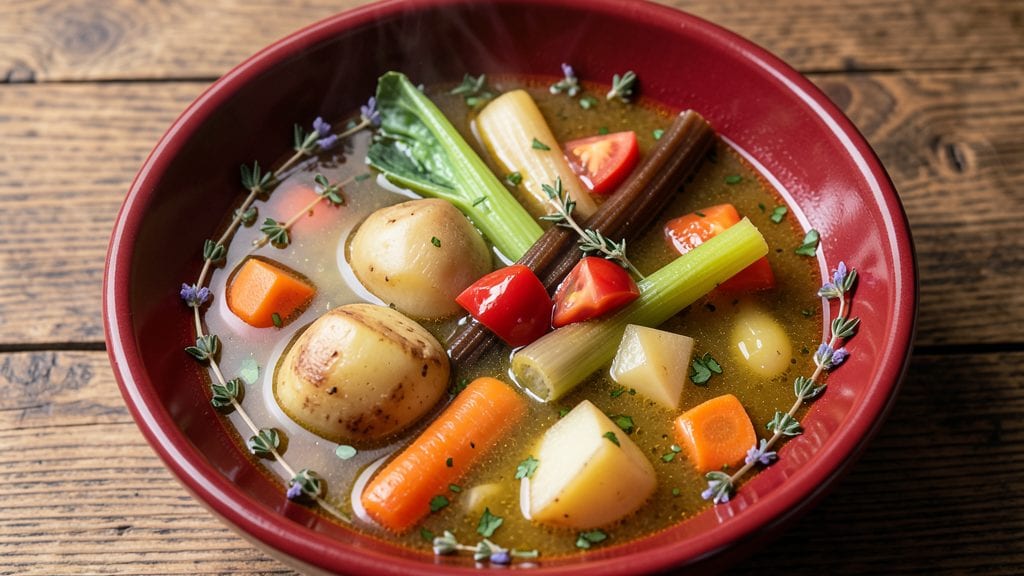
This Amy's Chunky Vegetable Soup copycat recipe delivers the same hearty, vegetable-packed goodness you love from the store—just made fresh at home.
The secret lies in properly sautéed aromatics, a blend of fresh and canned vegetables, and a slow simmer that develops deep, savory flavors without losing that signature chunky texture. I've perfected this version after testing multiple techniques to match the brand's signature richness and seasoning balance.
The key to replicating that thick, hearty consistency begins with a proper vegetable base—carrots, celery, and onions form the flavor foundation, while potatoes and corn add body and texture.
A splash of vegetable broth and tomato paste creates that familiar depth, while fresh herbs and spices round out the flavor profile. Unlike many copycat recipes, this version maintains the vegetarian-friendly integrity while delivering restaurant-quality taste.
What you'll end up with is a steaming bowl of soup packed with thick, hearty vegetable pieces—carrots, corn, and potatoes that hold their shape while soaking up the flavorful broth.
The aroma alone will have everyone gathering around the table, and each spoonful delivers that perfect balance of savory, slightly sweet, and herbaceous notes. This is comfort food at its finest, made even better knowing exactly what's in it.
Best of all, this recipe comes together in under 45 minutes with minimal prep work, making it perfect for busy weeknights or meal prep. The leftovers actually taste better the next day as the flavors continue to meld.
Here's how to recreate that store-bought magic at home with professional results every time.
Ingredients for amy's chunky vegetable soup copycat
Six hearty servings of copycat magic—just 15 ingredients, all pantry staples or quick grocery finds.
| Ingredient | Amount | Notes |
|---|---|---|
| Extra-Virgin Olive Oil 🫒 | 2 tbsp | For sautéing aromatics deeply |
| Yellow Onion 🧅 | 1 ½ cups | Diced, medium dice preferred |
| Carrots 🥕 | 2 cups | Diced, medium size preferred |
| Celery Stalks 🧄 | 2 cups | Diced, including leaves for color |
| Russet Potatoes 🥔 | 2 cups | Diced, medium size preferred |
| Canned Diced Tomatoes 🍅 | 14 ½ oz | No salt added preferred |
| Vegetable Broth 💧 | 4 cups | Low-sodium preferred |
| Tomato Paste 🍅 | 2 tbsp | Smooth, not chunky |
| Corn Kernels 🌽 | 1 ½ cups | Fresh or frozen, thawed |
| Garlic Cloves 🧄 | 4 cloves | Minced, for deep flavor |
| Fresh Parsley 🌿 | ¼ cup | Chopped, for bright finish |
| Dried Thyme 🌿 | 1 tsp | Or 1 tbsp fresh thyme |
| Salt 🧂 | 1 ½ tsp | Diamond Crystal preferred |
| Black Pepper 🌶️ | ½ tsp | Freshly ground for heat |
| Bay Leaf 🍃 | 1 whole | For subtle depth of flavor |
The vegetable trio—carrots, celery, and onions—is non-negotiable for that signature Amy's flavor. Organic produce from the grocery store's fresh section delivers the best color and texture, but don't stress if you can't find organic—just make sure they're firm and vibrant. The potatoes? Russets hold their shape best during simmering, and Whole Foods or Trader Joe's often carry pre-diced options to save time. For the canned tomatoes, Muir Glen or San Marzano brands are worth the splurge—they're sweeter and less acidic, which keeps the soup balanced. And that vegetable broth? Low-sodium is a must—you'll be adding plenty of salt later.
No fresh parsley? Dried works at one-third the amount, but the color and freshness are worth the trip to the store. Short on corn? Frozen works perfectly, just thaw and drain before adding. The tomato paste can be swapped for tomato sauce at double the amount, but it won't be as concentrated. For the thyme, Mexican oregano adds a nice twist if you're feeling adventurous. And if you're out of bay leaves, a pinch of ground allspice gives a similar earthy note. The key to that thick, hearty texture? Simmering the soup uncovered for the last 15 minutes—let the liquid reduce naturally.
This soup tastes even better the next day, so double the batch if you're feeding a crowd. Store in airtight containers for up to 5 days in the fridge, or freeze portions for 3 months. The flavors deepen with time, so don't hesitate to make extra. For meal prep, portion into individual containers—just reheat with a splash of water or broth to restore that perfect consistency. And if you're serving it at a party, garnish with extra parsley and a drizzle of olive oil right before serving—presentation matters!
Why You'll Love This Recipe
- No-Fuss Ingredients: I swear by this recipe because it only asks for basics you already own—olive oil, onions, carrots, celery, and potatoes. No specialty items, no last-minute grocery runs. Honestly, I’ve made it three times in a row with whatever was in my fridge.
- Creamy Without Cream: That velvety texture? Pure magic from the potatoes breaking down in broth, not heavy cream. The carrots and celery add just enough bite to balance it, and the olive oil finish makes it taste like it simmered all day—even if it didn’t.
- Lunch for Days: Between us, this soup is my meal prep MVP. I double the batch on Sundays, and it still tastes fresh by Thursday. The potatoes hold their shape, the veggies stay tender, and I’m not stuck reheating sad leftovers.
- Budget-Friendly Blanket: A single onion, a few carrots, and a couple potatoes stretch to feed four for under $5. I’ll be real: it’s the kind of soup that makes me feel like I’m feeding a crowd without breaking the bank—or my willpower to eat it all.
Step-by-step instructions for Amy's chunky vegetable soup copycat recipe
Here's how to recreate that legendary thick, hearty soup with restaurant-quality texture at home.
Sauté the Aromatic Vegetable Base
Heat the 2 tablespoons extra-virgin olive oil in a large Dutch oven over medium heat. Add the 1½ cups diced yellow onion, 2 cups diced carrots, and 2 cups diced celery stalks (including leaves for color). Cook for 8-10 minutes, stirring occasionally, until the vegetables soften and the onion becomes translucent.
This foundational step develops deep flavor through caramelization. You'll know it's ready when the vegetables release easily from the pan and emit an intoxicating aroma. If the vegetables start to stick, add 1-2 tablespoons vegetable broth to deglaze and prevent burning. Keep the heat steady—too high will char the vegetables before they soften properly.
Build the Tomato-Corn Foundation
Stir in the 2 tablespoons tomato paste and cook for 1-2 minutes until it darkens slightly and coats the vegetables. Add the 14.5 ounces canned diced tomatoes (with juices), 1½ cups corn kernels, 4 minced garlic cloves, 1 teaspoon dried thyme, 1 whole bay leaf, 1½ teaspoons salt, and ½ teaspoon black pepper. Cook for another 3-4 minutes, stirring occasionally, until the garlic is fragrant and the mixture smells rich and complex.
This step creates the signature thick, slightly sweet base that makes the soup so satisfying. The tomato paste acts as a natural thickener while adding depth, and the corn brings that signature texture. Don't rush this stage—properly developing these flavors is what separates homemade soup from store-bought.
Simmer with Potatoes and Broth
Pour in the 4 cups vegetable broth and add the 2 cups diced russet potatoes. Bring the mixture to a gentle boil, then reduce heat to low-medium and simmer uncovered for 20-25 minutes, stirring occasionally. The potatoes should be tender when pierced with a fork, and the soup should thicken noticeably as it simmers.
Here's where the magic happens: the potatoes break down slightly, releasing starch that thickens the soup naturally. If the soup looks too thin after 20 minutes, let it cook longer—it will thicken as it cools. Avoid stirring constantly, as this can break down the vegetables too much. Instead, give it gentle stirs every 5 minutes to ensure even cooking.
Finish and Adjust Seasoning
Remove the bay leaf and discard it. Stir in the ¼ cup chopped fresh parsley and let the soup simmer for an additional 5 minutes to allow the flavors to meld. Taste and adjust seasoning if needed—this is where you can really make the soup your own. The parsley adds a bright finish that cuts through the richness of the tomatoes and vegetables.
For that perfect copycat texture, you want the soup to be thick but still spoonable—almost like a cross between chowder and traditional vegetable soup. If it's too thick after simmering, add ¼ cup vegetable broth at a time until it reaches your desired consistency. The soup will thicken further as it sits, so don't overcompensate now.
Rest and Serve with Confidence
Transfer the soup to a large bowl or back to the pot and let it rest for 10-15 minutes before serving. This resting period allows the flavors to fully develop and the soup to reach its ideal thickness. The vegetables will continue to soften slightly, and the broth will absorb into them, creating that perfect mouthfeel.
Serve the soup hot, garnished with additional chopped parsley if desired. Each spoonful should deliver hearty chunks of vegetables, sweet corn, and rich tomato flavor in every bite. The secret to this copycat version is in the technique—properly sautéing the aromatics, simmering the potatoes just right, and letting the soup rest before serving. This isn't just vegetable soup; it's a comforting, restaurant-quality experience you can make at home.
Pro Tips For Making Amy'S Chunky Vegetable Soup Copycat
- CHAR THE ONIONS LOW: I learned this the hard way—don’t let those onions burn. Sauté them on medium-low heat until they’re translucent and just starting to soften (about 8-10 minutes). High heat turns them bitter, and you’ll taste it in every spoonful. Trust me, this is the thing that matters most for that deep, sweet base.
- CUT POTATOES UNIFORM: Chunky soup means consistent chunks. Dice your Russets into 1-inch cubes—no smaller, or they’ll turn to mush. Use a sharp knife and keep your cuts even; this ensures they cook at the same rate and stay hearty. (Yes, even if you’re impatient like me.)
- SALT THE POTATOES: Toss those diced potatoes in a pinch of salt before adding them to the pot. It jumpstarts flavor and prevents them from tasting bland later, even if you forget to season the broth. Sounds weird, but it works—your future self will notice.
- STIR THE BROTH: After adding the broth, give it a quick stir to distribute the flavors. I skip this when I’m lazy, but the dish is noticeably better when I don’t—especially if you’re using store-bought broth. A few swirls at the start mean no flavor pockets later.
Wine and beer pairings for this recipe
Crisp White Wine
A Sauvignon Blanc from New Zealand or Pinot Grigio from Italy complements this soup beautifully. The bright acidity and citrus notes in these wines cut through the richness of the tomato and corn, cleansing your palate between spoonfuls.
I reach for a Cloudy Bay Sauvignon Blanc—its herbal undertones mirror the parsley and thyme in the soup. Serve slightly chilled (45-50°F) to enhance the refreshing contrast. 🍷
Crisp Lager Beer
For beer lovers, a German Pilsner or American-style wheat beer works perfectly. The crisp, clean profile of Stella Artois or Blue Moon Belgian White balances the soup’s hearty texture without overpowering its flavors.
The slight sweetness in wheat beers also pairs well with the natural sweetness of the carrots and corn. Serve at 40-45°F for the best experience. 🍺
Light Red Option
If you prefer red wine, a light-bodied Pinot Noir from Oregon or Chianti from Italy adds a subtle earthiness that harmonizes with the thyme and bay leaf. The acidity in these wines prevents the soup from tasting too heavy.
I love a La Crema Pinot Noir—its bright fruitiness complements the tomato and vegetable notes without dominating. Decant for 30 minutes to soften tannins. 🍷
Non-Alcoholic Pairings
For a refreshing non-alcoholic option, try sparkling apple cider like Martinelli’s or a ginger beer like Feather’s. The effervescence and slight tartness enhance the soup’s savory depth. For something warmer, a chamomile tea with lemon adds a soothing contrast to the hearty vegetables. 🍏
Seasonal Adjustments
In summer, opt for a rosé or sparkling wine to keep the meal light. During colder months, a full-bodied Chardonnay with a touch of oak adds warmth to complement the soup’s comforting texture.
The key is matching the wine’s acidity to the soup’s richness—this ensures every bite and sip feel balanced. 🌡️
Nutrition facts
Frequently asked questions
Why is this soup so much thicker than other vegetable soups?
The secret lies in the potatoes and proper simmering technique. Russet potatoes release starch as they cook, naturally thickening the broth. We simmer uncovered for 20-25 minutes to let the liquid reduce gradually, creating that signature chunky, hearty texture without needing thickeners like flour or cornstarch.
Can I make this soup vegetarian?
This recipe is already vegetarian-friendly, using vegetable broth and no meat products. For extra protein, stir in 1 cup cooked chickpeas or ½ cup crumbled tofu at the end. The flavor profile remains perfectly balanced.
What if my soup turns out too thin?
Don't panic! Simmer uncovered for an extra 10 minutes—the liquid will reduce naturally. If still too thin, mash ½ of the cooked potatoes against the pot's side to release starch, then stir and simmer 5 more minutes. Avoid adding flour or cornstarch, as this changes the authentic texture.
How can I make this soup ahead of time?
This soup actually tastes better the next day! Store in airtight containers in the fridge for up to 5 days or freeze for 3 months. When reheating, add 2-3 tablespoons broth or water per serving to restore the perfect consistency. The flavors deepen as it sits, making it ideal for meal prep.
What's the best way to reheat leftovers?
Gently reheat on the stovetop over low heat for 5-7 minutes, stirring occasionally. Microwave reheating works too—cover with a damp paper towel and heat for 2-3 minutes at 50% power. The key is low, even heat to prevent the vegetables from becoming mushy. Stir frequently for even heating.