
Soups & Stews
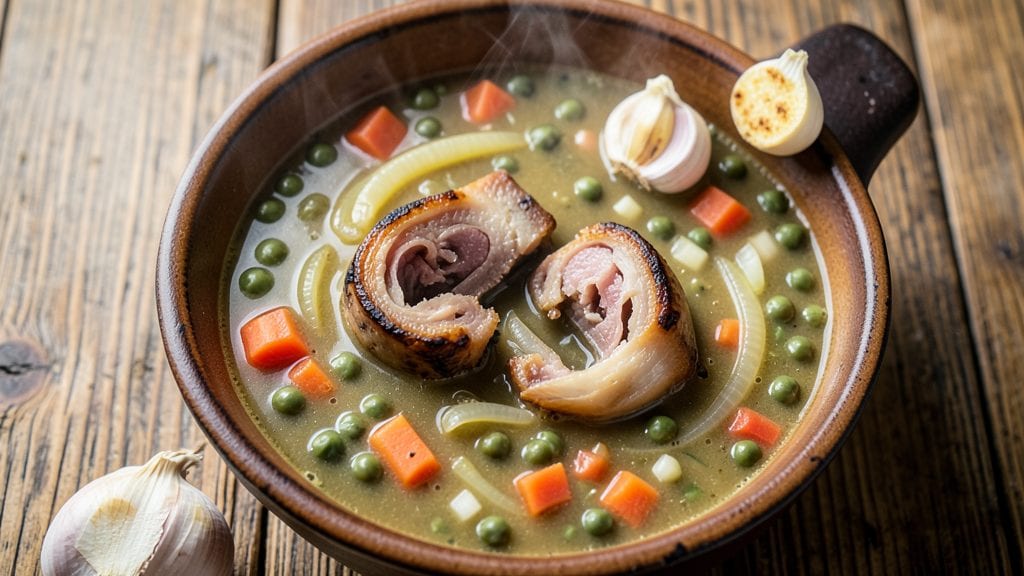
Andersen's split pea soup with ham hocks delivers the soul-warming richness of a classic comfort dish, where tender peas and slow-cooked ham create a flavor profile that feels like a hug in a bowl.
This recipe stays true to tradition while offering a foolproof method for achieving that signature smoky ham-infused depth that makes it unforgettable. The key lies in proper preparation—soaking the peas and simmering the ham hocks just long enough to extract maximum flavor without overpowering the delicate green peas.
The beauty of this recipe is its simplicity: one pot, minimal prep, and a hands-off cooking process that lets the flavors meld naturally over 2 to 3 hours. No fancy techniques required—just time, patience, and the right ingredients.
The ham hocks infuse the broth with a deep, savory richness, while the peas soften into a creamy, velvety texture that's impossible to resist. Every spoonful delivers that perfect balance of hearty meatiness and earthy pea sweetness.
What makes this version special is the smoky, caramelized edge that develops as the soup simmers, creating a depth of flavor you won't find in instant versions. The ham hocks add collagen-rich gelatin that thickens the soup naturally, eliminating the need for thickeners.
This is the kind of soup that tastes even better the next day, as flavors continue to develop and intensify. Perfect for chilly evenings or as a centerpiece for family gatherings.
Serve with crusty bread to soak up every last drop of that ham-infused broth, or pair it with a simple green salad for balance. The leftovers reheat beautifully, making this an ideal make-ahead dish for busy weeks.
Ready to create a bowl of tradition that feels like home? Let's get cooking.
Ingredients for andersen's split pea soup recipe with ham hocks
These twelve ingredients transform into Andersen's legendary split pea soup, where ham hocks and split peas create soul-warming depth.
| Ingredient | Amount | Notes |
|---|---|---|
| Dried Green Split Peas 🌱 | 1 ½ cups | Rinsed to remove debris |
| Ham Hocks 🍖 | 2 whole | Fresh or frozen, skin-on preferred |
| Yellow Onion 🧅 | 1 whole | Medium size, diced |
| Carrots 🥕 | 2 medium | Peeled, chopped into chunks |
| Celery Stalks 🌿 | 3 whole | Fresh, chopped |
| Garlic Cloves 🧄 | 4 cloves | Fresh, minced |
| Bay Leaves 🍃 | 2 whole | Dried, standard size |
| Black Peppercorns 🌶️ | 1 tsp | Freshly cracked |
| Salt 🧂 | 1 ½ tsp | Kosher or sea salt |
| Fresh Thyme 🌿 | 1 tbsp | Leaves only, chopped |
| Apple Cider Vinegar 🍎 | 1 tbsp | For brightness |
| Cold Water 💧 | 8 cups | For soaking peas |
| Extra-Virgin Olive Oil 🫒 | 1 tbsp | For sautéing |
The ham hocks are non-negotiable—they deliver that signature smoky richness. Look for fresh, skin-on hocks at your local butcher or frozen at Costco for bulk savings. The split peas should be vibrant green, not dull or discolored. Bob's Red Mill or Anthony's Goods are reliable brands for quality dried peas. Carrots and celery form the aromatic base, so choose fresh, crisp stalks—organic from Trader Joe's works perfectly. The garlic should be firm with no sprouting, and thyme should smell fragrant, not musty.
No fresh thyme? Dried thyme at one-third the amount suffices, though fresh delivers superior aroma. Running low on ham hocks? Smoked ham bones or bacon can substitute, though flavor will differ slightly. The apple cider vinegar adds brightness—substitute lemon juice if unavailable. For a vegetarian version, mushroom broth and smoked paprika mimic the ham's depth. Always rinse split peas before soaking to remove any debris, and use cold water to prevent premature softening. The olive oil matters here—use a fruity, peppery extra-virgin for optimal flavor development.
This soup improves with time—reheat gently on low heat to preserve texture. Store in an airtight container for 5-6 days in the fridge or 6 months frozen. For best results, portion into individual containers before freezing. The ham hocks can be pre-cooked separately if preferred, but simmering them directly in the pot ensures maximum flavor infusion. Leftovers reheat beautifully, making this an ideal make-ahead dish for gatherings.
Why You'll Love This Recipe
- No-Chop Nightmare: I swear, the ham hocks do all the work here. Toss in a whole onion, a few carrots, and some celery stalks—no fancy dicing needed. The split peas soften into that creamy magic while you sip your coffee, and the ham hocks? They practically melt into flavor gold.
- Salty-Sweet Magic: That first spoonful of ham hocks simmered with split peas is chef’s kiss—rich, smoky, and just sweet enough from the slow caramelization. The peas turn tender but still hold their shape, so every bite has that perfect texture, like a hug in a bowl.
- Leftovers You’ll Beg For: This soup only gets better after day two. The flavors meld into something deeper, and it reheats like a dream. I’ve taken it to potlucks, packed it for lunch, and even frozen portions—because honestly, why not when it’s this good?
- Budget That Feels Fancy: Split peas and ham hocks? Total pantry staples that cost next to nothing but taste like you spent hours slaving away. It’s the kind of meal that makes you feel like you’re treating yourself, even when you’re just throwing together dinner on a Tuesday.
Step-by-step instructions for Andersen's split pea soup with ham hocks
Master this traditional technique for developing deep ham flavor and creamy texture in one pot.
Prepare the Ham Hocks and Vegetables
Begin by rinsing the 2 whole ham hocks under cold water and patting them dry with paper towels. Place them in a large Dutch oven and cover with the 8 cups cold water. Bring to a boil over high heat for 10 minutes, then reduce to a simmer and cook for 1 hour. This initial step extracts collagen from the ham hocks, which will later transform into gelatin for that signature velvety texture.
While the ham hocks simmer, peel and chop the 2 medium carrots into ½-inch chunks. Dice the 1 whole yellow onion into ¼-inch pieces. Chop the 3 whole celery stalks into ¼-inch slices. Mince the 4 cloves garlic cloves and finely chop the 1 tablespoon fresh thyme leaves. Keep all prepared vegetables separate until ready to use.
Sauté the Aromatics and Build the Base
After the ham hocks have simmered for 1 hour, use a slotted spoon to remove them and set aside. Strain the cooking liquid through a fine-mesh sieve into a measuring cup—you should have about 6 cups of broth. Discard the solid particles.
Return the ham hocks to the Dutch oven and add the 1 tablespoon extra-virgin olive oil. Heat over medium heat until shimmering. Add the diced onion, carrots, and celery. Sauté for 8-10 minutes until the vegetables soften and the onion becomes translucent. Add the minced garlic and cook for an additional 1 minute until fragrant—this prevents it from burning while developing its full flavor.
Combine Ingredients and Simmer
Rinse the 1.5 cups dried green split peas under cold water until the water runs clear. Add them to the Dutch oven along with the 6 cups reserved ham broth, 2 whole bay leaves, 1 teaspoon freshly cracked black peppercorns, and 1.5 teaspoons salt. Stir well to combine, then return the ham hocks to the pot.
Bring the mixture to a boil over high heat, then immediately reduce to a simmer. Cover and cook for 45 minutes, stirring occasionally to prevent sticking. The peas should begin to soften and the soup will develop a rich, earthy aroma. This initial simmering period allows the peas to absorb the ham-infused broth while the vegetables continue to tenderize.
Finish and Adjust Seasoning
After 45 minutes, remove the lid and stir in the 1 tablespoon apple cider vinegar and 1 tablespoon chopped fresh thyme. The vinegar brightens the soup's flavor while the thyme adds an herbal depth. Simmer uncovered for an additional 30-45 minutes until the split peas are fork-tender and the soup has thickened to a creamy consistency.
Taste and adjust seasoning with additional salt or pepper if needed. The soup should be rich, slightly smoky from the ham hocks, and well-balanced with bright acidity from the vinegar. Remove the ham hocks and let them cool slightly before shredding the meat and returning it to the pot. This final step ensures every spoonful delivers that characteristic ham flavor.
Rest and Serve
Allow the soup to rest for 10 minutes before serving. This resting period lets the flavors meld and the split peas fully absorb the cooking liquid, resulting in a more cohesive texture. Serve the soup hot, garnished with additional fresh thyme if desired. The ham hocks can be served on the side for those who prefer extra protein, or shredded throughout the soup for a more uniform texture.
Pro Tips For Making Andersen'S Split Pea Soup Recipe With Ham Hocks
- Parboil the Peas First: I learned this the hard way—skipping the quick soak or parboil means your split peas will fight you for hours. Dump them in a pot with double the water, bring to a boil for exactly 2 minutes, then drain. This softens them enough to cut cooking time by 30 minutes without turning the soup into mush.
- Scorch the Ham Hocks: Sounds weird, but it works: sear those ham hocks hard and fast over medium-high heat until the edges darken. This locks in flavor and prevents them from turning the soup into a pale, watery mess. Don’t rush it—let them sit undisturbed for 3-4 minutes per side.
- Dice the Veggies Small: I used to chop carrots and celery into big chunks, thinking they’d soften enough. Wrong. For Andersen’s recipe, cut them into ¼-inch pieces—they’ll dissolve into the soup without leaving awkward, chewy bits. Onion should be even finer, almost minced, so it disappears completely.
- Simmer, Don’t Boil: After burning three batches, I finally figured out: split peas need a gentle simmer, not a rolling boil. Once everything’s in the pot, reduce heat to the lowest setting that keeps tiny bubbles breaking the surface—no splattering, no foaming. This keeps the peas tender and the broth clear.
Best sauces and condiments for this recipe
Classic Ham Broth Base
The foundation of this soup is the ham-infused broth from the simmered hocks. After extracting collagen for that signature velvety texture, I strain the broth and return it to the pot with the vegetables. This creates a deep, savory base that carries all the other flavors.
For extra richness, I sometimes add 1 cup of low-sodium chicken broth during the final simmer—just enough to balance the intensity without diluting the ham flavor. 💫
Creamy Texture Boosters
No thickeners needed—the ham hocks release natural gelatin as they simmer, creating a luxuriously creamy texture. If you want to enhance this effect, blend ½ cup of the soup with ¼ cup of reserved broth and stir it back in.
For a vegetarian version, I substitute 1 tablespoon of cornstarch mixed with 2 tablespoons cold water and whisk it in during the final 5 minutes of cooking. The result is just as velvety! ✨
Brightening with Acid
The apple cider vinegar adds a bright, tangy note that cuts through the richness. If you prefer a different acidity profile, try 1 tablespoon of lemon juice or even a splash of red wine vinegar.
For a smoky twist, I sometimes add ½ teaspoon of smoked paprika during the final simmer—it deepens the flavor without overpowering the ham. 🍎
Herbal Garnishes
Fresh herbs elevate the soup at the end. I always finish with 1 tablespoon chopped fresh thyme and a sprinkle of crispy fried onions for texture. For a pop of color, add chives or parsley.
A drizzle of hot honey or a swirl of sour cream adds a modern touch while keeping the dish traditional at heart. 🌿
Spicy Kick Options
If you love heat, stir in ½ teaspoon of cayenne pepper or a pinch of red pepper flakes during the final simmer. For a smoky-spicy blend, I mix ½ teaspoon smoked paprika with ¼ teaspoon cayenne and sprinkle it over the top.
A dash of Worcestershire sauce also adds depth—just 1 teaspoon enhances the umami without overpowering. 🌶️
Crunchy Toppings
Texture is everything! I love adding toasted breadcrumbs or crushed saltine crackers for a crispy contrast. For something heartier, try crumbled bacon or shredded cheddar cheese. A sprinkle of freshly cracked black pepper right before serving adds a final aromatic punch. 🥖
Nutrition facts
Frequently asked questions
Why do I need to simmer ham hocks first before adding the peas?
Simmering the ham hocks first extracts their collagen, which transforms into natural gelatin during cooking. This creates the soup's signature creamy texture without needing thickeners. Skipping this step results in a thinner, less rich broth. The 1-hour simmer is key for maximum flavor infusion.
Can I use canned ham instead of ham hocks?
While canned ham works in a pinch, it lacks the collagen-rich gelatin that makes this soup velvety. For best results, use ham hocks—their slow cooking releases deep, smoky flavors. If you must substitute, add 1 teaspoon of cornstarch to thicken the broth. The texture won't be identical, but it'll still taste delicious.
How do I know when the split peas are done?
The peas should be fork-tender with a slight bite—no mushy texture. After 45 minutes of simmering, they'll start breaking down. Test one occasionally: it should mash slightly between your fork but still hold shape. Overcooking turns them mealy, so watch closely during the final 30 minutes of simmering.
What's the best way to store leftovers?
Let the soup cool completely, then transfer to an airtight container. It keeps in the fridge for 5-6 days or freezes for 6 months. Reheat gently on low heat, adding 1-2 tablespoons of water if it thickens too much. The flavors actually improve overnight as the peas absorb more broth.
Can I make this soup in a slow cooker?
Follow the same steps but transfer everything to your slow cooker after sautéing the vegetables. Cook on low for 6-8 hours or high for 3-4 hours. The slow cooker's gentle heat enhances the ham's smoky depth while keeping the peas tender. Just check the peas' doneness after 4 hours on low.