
Soups & Stews
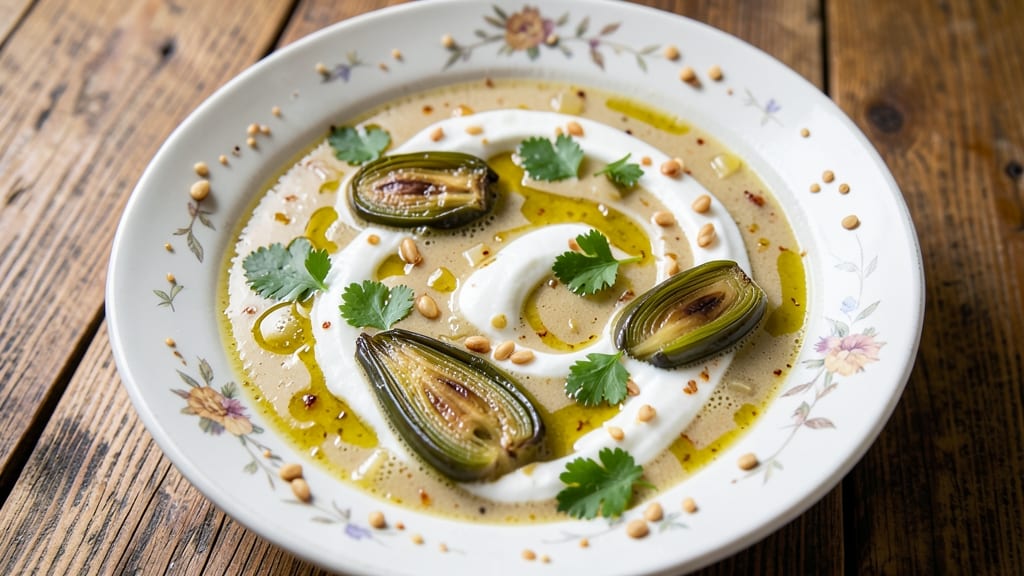
This artichoke heart soup recipe delivers velvety, herb-infused comfort that transforms humble ingredients into something extraordinary. The secret lies in properly trimming artichoke hearts—removing tough fibers and rinsing thoroughly—to create a soup so silky smooth it feels like a hug in a bowl.
My version balances artichoke's natural earthiness with bright lemon and fresh basil, while a touch of creaminess rounds out the flavors without overpowering.
What sets this recipe apart is its versatility—it works beautifully as a light vegetarian main or hearty starter, and dietary adjustments are simple. For a vegan version, swap heavy cream for coconut milk, though the texture will be slightly lighter.
The soup simmers gently to develop deep, aromatic flavors while preserving the artichokes' natural sweetness, resulting in a dish that's both elegant and approachable for weeknight cooking.
By the time you're done, you'll have a soup with a velvety texture that coats your spoon, vibrant green basil flecks, and a citrusy brightness that cuts through the richness.
The aroma alone will have everyone gathering around the table—this is the kind of soup that transforms an ordinary meal into something memorable. Ready in about 30 minutes with minimal prep, it's perfect for impressing guests or treating yourself.
Serve it warm with crusty bread to soak up every last drop, or drizzle with olive oil and extra lemon zest for a restaurant-worthy finish. The recipe scales easily, so you can make a double batch for leftovers—this soup only tastes better the next day as flavors meld further.
Let's get cooking!
Ingredients for artichoke heart soup
Artichoke hearts, fresh basil, and bright lemon create this velvety soup's signature flavor balance.
| Ingredient | Amount | Notes |
|---|---|---|
| Marinated Artichoke Hearts 🍃 | 14 oz | Drained, rinsed, trimmed of fibers |
| Yellow Onion 🧅 | 1 whole | Medium, finely diced |
| Garlic Cloves 🧄 | 3 cloves | Peeled, minced |
| Extra-Virgin Olive Oil 🫒 | ¼ cup | For sautéing, high quality |
| Vegetable Stock 💧 | 4 cups | Low-sodium preferred |
| Heavy Cream 🥛 | ½ cup | Full-fat for richness |
| Fresh Basil Leaves 🌿 | ⅓ cup | Packed, chopped |
| Fresh Lemon Juice 🍋 | 2 tbsp | From 1 small lemon |
| Salt 🧂 | 1 tsp | Kosher or sea salt |
| Ground Black Pepper 🌶️ | ½ tsp | Freshly ground preferred |
| Grated Parmesan Cheese 🧀 | ¼ cup | Freshly grated, for serving |
| Crusty Bread 🍞 | 4 slices | For serving, optional |
The artichoke hearts are the star—look for marinated hearts in jars at the grocery store, specifically the kind labeled 'trimmed and drained.' Trader Joe's and Whole Foods carry the best quality, but any reputable brand works. Avoid hearts with tough fibers or a murky liquid. Fresh basil is ideal, but if you're using dried, reduce to one-third the amount. The Parmesan should be freshly grated from a wedge—pre-shredded contains anti-caking agents that make it grainy. For the vegetable stock, low-sodium is key to avoid over-salting the soup later.
No fresh basil? Dried basil works at one-third the amount, though it lacks the vibrant freshness. Short on artichoke hearts? Substitute with canned white beans or extra-firm tofu for a similar texture, though the flavor will differ. The heavy cream can be swapped for coconut milk for a vegan version, though the texture will be slightly lighter. Lemon zest adds extra brightness if you have it—just grate the peel of half a lemon. The vegetable stock can be homemade or high-quality store-bought like Pacific Foods or Imagine brands, which are widely available and consistently flavorful.
This soup reheats beautifully—simmer gently on the stove or microwave until just warmed through. Keeps in the fridge for 4-5 days in an airtight container, though it tastes best within the first 2 days. For longer storage, freeze for up to 3 months. I like to make a double batch and portion it into containers for easy lunches. The basil wilts quickly, so add it fresh just before serving. Serve with crusty bread to soak up every last drop of that velvety goodness.
Why You'll Love This Recipe
- Pantry Magic: That jar of marinated artichoke hearts? Already prepped for you. No chopping, no peeling—just drain, slice, and toss into the pot. Honestly, I keep a few jars stocked just for lazy nights like this.
- Umami Bomb: The garlic and olive oil sizzle until the onions caramelize, then those artichoke hearts melt into the stock, releasing that briny, tangy goodness. It’s the kind of flavor that makes you pause mid-sip of wine and go, “Wait, why did I ever skip this?”
- Potluck Star: This soup is my secret weapon for gatherings—light enough for summer but hearty enough for winter. Serve it warm with crusty bread, or chill it for a refreshing cold soup with a drizzle of olive oil. (Yes, even on a Tuesday night.)
- Budget-Friendly Luxe: Vegetable stock and pantry staples stretch this recipe into multiple meals without breaking the bank. I’ve made it for four nights in a row, and the taste never falters—just reheat, adjust salt, and you’re golden.
Step-by-step instructions for artichoke heart soup recipe
This method delivers velvety-smooth artichoke soup with vibrant lemon-basil brightness every time.
Sauté Onion and Garlic Until Translucent
Heat the 0.25 cup extra-virgin olive oil in a large pot over medium heat. Add the finely diced yellow onion and cook for 5-6 minutes, stirring occasionally, until the onion becomes soft and translucent. You'll notice the edges start to caramelize slightly—that's the perfect signal to move forward.
Add the 3 minced garlic cloves and cook for another 30 seconds until fragrant. Be careful not to let the garlic brown, as it can turn bitter quickly. This aromatic base forms the flavor foundation for your soup, so take your time here. If the garlic starts to sizzle too aggressively, reduce the heat slightly to prevent burning.
Simmer Artichokes in Vegetable Stock
Add the 14 ounces drained and trimmed marinated artichoke hearts to the pot along with the 4 cups vegetable stock. Bring everything to a gentle boil, then reduce the heat to low and let it simmer uncovered for 15 minutes. You want the artichokes to soften completely while maintaining their shape—overcooking will make them mushy.
After 15 minutes, use a fork to gently press one of the artichoke hearts. If it easily separates into tender pieces, it's ready. If not, continue simmering for another 5 minutes. This step ensures your soup has that classic artichoke texture without being watery or overly soft.
Blend Until Silky Smooth
Using an immersion blender, carefully blend the soup directly in the pot until completely smooth. Work in batches if needed to avoid splattering. You're aiming for a velvety consistency—no visible chunks of artichoke or onion. If you prefer a slightly textured soup, blend for just 20-30 seconds instead of fully smooth.
Once blended, return the pot to medium-low heat and stir in the 0.5 cup heavy cream. Let it warm through for 2-3 minutes, but don't let it boil. The cream will add richness while keeping the soup's vibrant color. Taste and adjust seasoning with 1 teaspoon salt and 0.5 teaspoon ground black pepper as needed—this is where you can fine-tune the balance of flavors.
Finish with Lemon and Basil
Remove the pot from heat and stir in the 2 tablespoons fresh lemon juice and 0.33 cup chopped fresh basil leaves. The lemon brightens the soup while the basil adds fresh herbal notes that cut through the richness of the cream. Let the soup sit for 5 minutes to allow the flavors to meld together—this resting period makes a noticeable difference in taste.
Before serving, give the soup one final taste and adjust seasoning if needed. The lemon and basil should be noticeable but not overpowering. Ladle the soup into bowls and top each serving with 0.25 cup grated parmesan cheese. The parmesan adds a salty, umami depth that complements the bright citrus and herbal notes perfectly.
Serve with Crusty Bread
Serve the soup immediately with the 4 slices crusty bread on the side. The bread helps soak up any remaining soup and adds a satisfying contrast to the smooth texture. Each bowl should be filled to the brim with the velvety artichoke soup, topped with a generous sprinkle of parmesan, and accompanied by a slice of warm bread.
This soup tastes best when served fresh, so don't let it sit too long before eating. The flavors continue to develop slightly as it cools, but the texture remains silky when served immediately. If you have leftovers, store them in an airtight container in the refrigerator for up to 3 days, but reheat gently on the stove to preserve the creamy texture.
Pro Tips For Making Artichoke Heart Soup
- Sauté Onions Slow: I used to rush this step and end up with bitter, browned onions instead of sweet, caramelized flavor. Take your time—cook them over medium-low heat for 8-10 minutes until soft and translucent, stirring occasionally. That’s when the real depth of flavor starts building.
- Drain and Rinse Hearts: Marinated artichoke hearts come packed in oil and brine, which can make your soup greasy or overly salty. Drain them well, then rinse briefly under cold water to strip excess oil and salt. Pat them dry afterward—this keeps the soup cleaner and lets their flavor shine.
- Blend in Stages: If you’re blending the soup, don’t dump everything in at once. Start with the stock and onions first, then pulse in the artichokes and garlic. This prevents a gummy texture and ensures a smoother, more consistent finish. (Yes, even if you’re impatient like me.)
- Finish with Fresh Oil: The soup will taste richer if you drizzle in a splash of extra-virgin olive oil at the end—about 2 tablespoons—just before serving. It cuts through the acidity of the artichokes and adds a silky mouthfeel. Skip the salt here; the oil’s job is flavor, not seasoning.
Creative variations of this dish
Mediterranean Herb Twist
Swap the basil for 1 tbsp each of fresh oregano and thyme to give your soup a distinctly Mediterranean vibe. Add 1 tsp ground coriander during the simmering stage for an earthy depth that pairs beautifully with artichokes.
Finish with a drizzle of extra-virgin olive oil and a sprinkle of crumbled feta cheese instead of parmesan for a Greek-inspired touch. 🌿
Spicy Cajun Kick
For a bold Louisiana-inspired variation, sauté 1 tsp smoked paprika and ½ tsp cayenne pepper with the onions and garlic. After blending, stir in 1 tbsp hot sauce (like Crystal or Tabasco) and top each serving with chopped green onions and a dash of hot sauce.
Serve with cornbread instead of crusty bread for the full Cajun experience. 🌶️
Creamy Potato Addition
Add 1 cup diced Yukon Gold potatoes with the artichokes during simmering. The potatoes will break down slightly, adding natural creaminess that reduces the need for heavy cream.
After blending, you can omit the cream entirely or use just ¼ cup for a lighter texture. Top with crispy fried shallots for extra crunch and sophistication. ✨
Roasted Garlic Depth
Replace the minced garlic with 2 cloves of roasted garlic (halved and roasted at 400°F for 20 minutes until soft). The sweet, caramelized flavor adds a luxurious depth that complements the artichokes perfectly.
For extra richness, stir in 1 tbsp mascarpone cheese at the end instead of parmesan. This variation feels especially elegant for dinner parties. 💡
Vegan Coconut Version
For a fully plant-based version, replace the heavy cream with ½ cup full-fat coconut milk and use vegan parmesan (nutritional yeast + garlic powder) for topping. Add 1 tsp turmeric during simmering for color and anti-inflammatory benefits.
Garnish with toasted pumpkin seeds for protein and crunch. The coconut milk adds a subtle sweetness that balances the lemon beautifully. 🌱
Winter Squash Boost
Add 1 cup diced butternut squash with the artichokes for natural sweetness and thickness. The squash will soften during simmering, creating a naturally creamy texture. After blending, finish with toasted pecans and a sprinkle of cinnamon for a cozy autumnal flavor profile.
This variation works wonderfully as a holiday appetizer or light main course. 🍂
Nutrition facts
Frequently asked questions
Why do I need to trim the artichoke hearts before using them?
Trimming removes the tough, fibrous outer layers that can make your soup gritty. Look for pre-trimmed jarred hearts labeled "ready-to-eat"—these save time while ensuring silky texture. If using whole fresh artichokes, you'd need to remove the inedible parts, but jarred hearts are much more convenient for this recipe.
Can I make this soup without an immersion blender?
Yes! Transfer the soup to a countertop blender in batches, blending until completely smooth. For extra safety, fill the blender only halfway and leave the lid slightly open to prevent pressure buildup. Just be careful—hot soup can cause splattering.
How do I prevent the soup from being too acidic?
Start with just 1 tablespoon lemon juice and taste before adding the second. The cream and parmesan already provide richness that balances acidity. For extra insurance, add a pinch of sugar or a splash of vegetable stock if needed. The key is gradual adjustment while tasting.
What's the best way to reheat leftovers?
Gently reheat on the stovetop over low heat for 3-5 minutes—never microwave directly, as this can make the cream separate. Stir occasionally and add a splash of water or stock if the soup thickens too much. For best texture, reheat only until warm, not boiling.
Can I use frozen artichoke hearts instead of jarred?
Frozen hearts work perfectly! Thaw them completely first, then drain and trim any remaining fibers. They'll give your soup a slightly fresher taste compared to jarred hearts, though the texture difference is minimal when properly blended. Just avoid using pre-marinated frozen hearts—they may contain added salt or preservatives.