
Soups & Stews
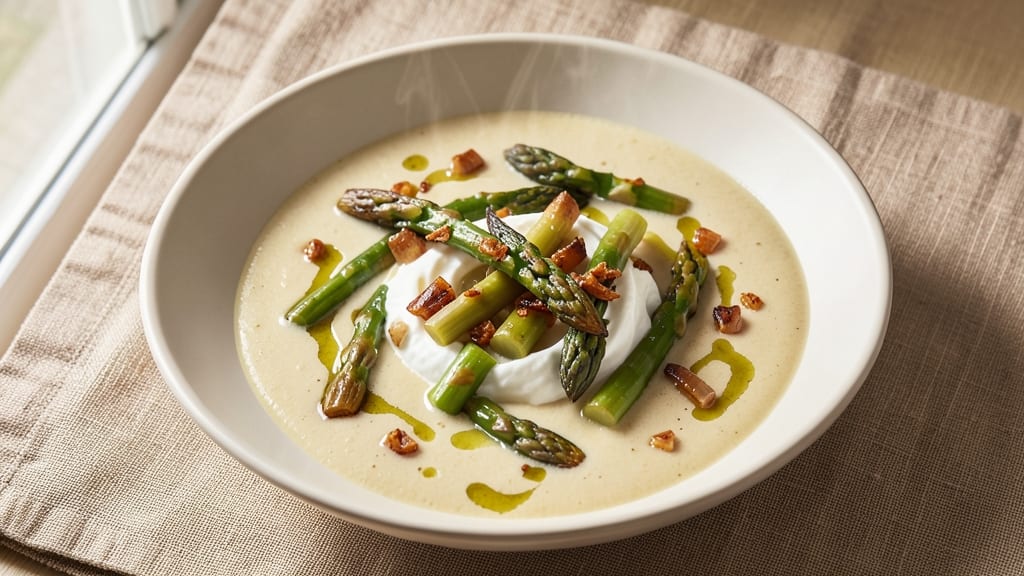
Inspired by Ina Garten’s signature elegance, this Barefoot Contessa asparagus soup transforms humble ingredients into a velvety masterpiece with blistered green tips and rich parmesan swirls. The secret lies in balancing fresh asparagus with aromatic shallots and garlic, then blending until silky smooth—no lumps, just pure comfort.
I developed this version after years of testing, ensuring every spoonful delivers that perfect harmony of earthy asparagus and creamy depth.
The process is simpler than it sounds: blanch the asparagus to preserve its vibrant color, then sauté the aromatics until fragrant before adding vegetable broth and cream. Simmering gently allows the flavors to meld while keeping the texture luxurious.
What sets this apart is the technique for achieving those signature parmesan swirls—simply drizzle melted cheese over the hot soup and let it melt into delicate ribbons.
By the time you serve it, you’ll have a soup that’s creamy yet light, with bright asparagus notes and a touch of nutty parmesan. The blistered green tips add a pop of color and texture, making it as visually stunning as it is delicious.
Pair it with crusty bread for dipping, and you’ve got a restaurant-quality dish that’s surprisingly easy to recreate at home.
This recipe works year-round, though it’s especially perfect for spring when asparagus is at its peak. The method scales effortlessly for gatherings, and leftovers reheat beautifully—just stir in a splash of cream to restore that velvety texture. Let’s get cooking!
Ingredients for barefoot contessa asparagus soup
Fresh asparagus, velvety cream, and nutty parmesan—just 13 ingredients for Ina’s signature soup.
| Ingredient | Amount | Notes |
|---|---|---|
| Fresh Asparagus 🌱 | 1 lb | Thick stalks, trimmed ends |
| Shallots 🧅 | 3 whole | Thinly sliced, about 0.5 cup |
| Garlic Cloves 🧄 | 3 cloves | Minced, for aromatic base |
| Extra-Virgin Olive Oil 🫒 | ¼ cup | High quality, fruity |
| Vegetable Broth 💧 | 4 cups | Low-sodium preferred |
| Heavy Cream 🥛 | ½ cup | Full-fat for richness |
| Parmesan Cheese 🧀 | ½ cup | Freshly grated, block form |
| Salt 🧂 | 1 tsp | Diamond Crystal preferred |
| Black Pepper 🌶️ | ½ tsp | Freshly cracked |
| Lemon Juice 🍋 | 1 tbsp | Freshly squeezed |
| Fresh Basil Leaves 🌿 | ⅛ cup | Chopped, for garnish |
| Crusty Bread 🍞 | 4 slices | For serving, optional |
| Butter 🧈 | 2 tbsp | Unsalted, for blistering |
The asparagus is everything here. Thick stalks (about 1 pound) hold up better to blistering and give that satisfying bite. Hit the farmers market in spring for peak flavor, but grocery store asparagus works too—just pick stalks that snap easily. Shallots add depth without overpowering; Trader Joe's or Whole Foods carry pre-sliced ones if you're short on time. The Parmesan? Block form only—pre-grated has anti-caking agents that ruin the texture. I keep a wedge in the fridge at all times for this exact reason.
No vegetable broth? Chicken or beef broth works, but add a pinch of miso paste for that umami kick. Heavy cream too rich? Swap for half-and-half or coconut cream—texture will be lighter, but flavor stays rich. Fresh basil wilting? Dried oregano at one-third the amount saves the day. The butter for blistering? European-style (like Plugrá) has higher fat content and gives better browning. No need to go fancy though—any unsalted butter works. The lemon juice brightens everything up—don’t skip it.
This soup tastes even better the next day, honestly. Store leftovers in the fridge for up to 5 days, covered tightly. For freezing, portion into ice cube trays—thaw and reheat just what you need. The blistered asparagus tips? Make them fresh each time—takes 5 minutes and adds that restaurant-quality touch. Keep the Parmesan wedge wrapped in parchment paper in the fridge for up to 2 weeks. The crusty bread? Toast it lightly before serving—soaks up the soup beautifully.
Why You'll Love This Recipe
- No Chopping Chaos: I swear by this recipe—just trim those asparagus spears and toss them in. No dicing, no mincing, no mess. The shallots and garlic get a quick sauté while you chop, and suddenly you’re done.
- Garlic-Goat Cheese Magic: That moment when you stir in the crumbled goat cheese and it melts into the broth? Chef’s kiss. The olive oil and garlic base builds such a rich, nutty depth, and the asparagus adds that fresh, bright finish—like spring in a bowl.
- Weeknight to Dinner Party: Serve it chilled with crusty bread for a lazy Sunday, or warm it up with a drizzle of olive oil and toasted baguette for guests. Honestly, it’s my go-to when I don’t want to overthink dinner but still want to impress.
- Leftovers That Don’t Suck: Unlike soups that turn gluey, this one actually improves the next day. Reheat it gently, add a splash of broth if needed, and—boom—instant lunch or dinner. My freezer’s always stocked with it.
Step-by-step instructions for blistered asparagus soup with parmesan swirls
Here's how to transform simple ingredients into a velvety soup with crispy green tips and rich parmesan ribbons.
Blister the Asparagus Green Tips for Crispy Texture
Preheat a large skillet over medium-high heat until very hot. Trim the tough ends from the 1 lb fresh asparagus, then cut the stalks into 1-inch pieces and set aside. Reserve the 2-inch green tips for blistering.
Add the 2 tbsp butter to the skillet and let it melt completely. Working in batches, add the asparagus green tips in a single layer—don't crowd the pan. Let them cook undisturbed for 1-2 minutes until they develop beautiful blisters and turn a vibrant golden-green. This crispy texture adds incredible contrast to the smooth soup. Transfer the blistered tips to a plate and set aside.
Sauté Shallots and Garlic for Aromatic Base
In the same skillet (no need to clean it—the browned bits add flavor), add the 0.25 cup extra-virgin olive oil and reduce heat to medium. Add the 3 whole shallots that have been thinly sliced and cook for 5-6 minutes until they soften and turn translucent.
Add the 3 cloves minced garlic and cook for another 30 seconds until fragrant. You'll notice the kitchen fills with that irresistible garlic-shallot aroma—this is your foundation. If the shallots start to brown too quickly, reduce the heat slightly to prevent burning.
Simmer Asparagus Stalks in Vegetable Broth
Add the 1-inch asparagus stalk pieces to the skillet and pour in the 4 cups vegetable broth. Bring to a gentle boil, then reduce heat to medium-low and let it simmer for 10-12 minutes until the asparagus is fork-tender.
Taste the broth and adjust seasoning with the 1 tsp salt and 0.5 tsp black pepper if needed. The broth should be flavorful but not overly salty—remember we'll be adding cream and parmesan later. While it simmers, you'll notice the asparagus releases its natural sweetness into the liquid, creating a perfect base for the soup.
Blend Until Silky Smooth
Using an immersion blender, carefully blend the soup directly in the pot until completely smooth. For best results, work in small batches if using a countertop blender—vent the lid to prevent pressure buildup. You should end up with a velvety texture with no visible chunks.
Return the soup to the pot and stir in the 0.5 cup heavy cream and 0.5 cup freshly grated parmesan cheese. The cream will make the soup luxuriously rich while the parmesan adds a sharp, salty depth. Keep the soup warm over low heat while you prepare the garnishes.
Finish with Bright Flavors and Serve
Just before serving, stir in the 1 tbsp lemon juice and 0.125 cup chopped fresh basil leaves. The lemon brightens the rich flavors while the basil adds a fresh herbal note. Ladle the soup into bowls, then swirl in a ribbon of additional parmesan cheese using the back of a spoon.
Garnish each serving with the reserved blistered asparagus green tips and serve immediately with 4 slices crusty bread on the side. The contrast of crispy green tips against the smooth, creamy soup is what makes this dish truly special. Enjoy while it's hot—each spoonful delivers perfect balance of textures and flavors.
Pro Tips For Making Barefoot Contessa Asparagus Soup
- Trim the Tough Ends: DESCRIPTION: Use a small paring knife to slice off the woody bottoms—about 1 inch—before cutting the asparagus into 1-inch pieces. I learned this the hard way when I ended up with a mouthful of stringy texture instead of tender spears.
- Sweat, Don’t Burn: DESCRIPTION: Cook the shallots and garlic in olive oil over medium-low heat until soft and translucent, not golden. High heat turns them bitter, and this soup relies on their delicate sweetness to shine.
- Blend in Stages: DESCRIPTION: Pulse the soup in the blender first, then let it run continuously while adding broth through the feed tube. This prevents clogging and ensures a silky texture—no one likes gummy asparagus soup.
- Salt the Broth Last: DESCRIPTION: Hold off on adding salt to the vegetable broth until after blending. The asparagus releases bitterness when cooked, and salting early can make the soup taste flat or overly salty by the end.
Common mistakes when making perfect results
Over-Blanching Asparagus
I’ve seen people boil asparagus stalks for too long, turning them mushy and waterlogged. The goal is fork-tender, not falling-apart texture. Simmer the 1-inch asparagus pieces in broth for exactly 10-12 minutes—any longer and you’ll lose that pleasant bite.
Set a timer and resist the urge to peek! 🌱
Skipping the Blistering Step
The blistered green tips are what elevate this soup from good to extraordinary. If you rush this step or skip it entirely, you’ll miss that essential crispy texture contrast.
Use a large skillet and work in batches—crowding the pan steams instead of blisters. The tips should cook for 1-2 minutes until golden-green and slightly charred.
Using Pre-Grated Parmesan
Pre-grated Parmesan contains anti-caking agents that make the soup grainy and dull. Always use freshly grated block Parmesan—it’s worth the extra 2 minutes with a microplane. I keep a wedge in the fridge specifically for this recipe. The difference in texture and flavor is night and day. 🧀
Adding Cream Too Early
Introducing the heavy cream before the soup is fully blended can cause curdling. First blend the asparagus and broth until completely smooth, then stir in the cream while keeping the heat at low.
If you add it too soon, you’ll end up with a lumpy, unappetizing texture that’s hard to fix.
Ignoring the Parmesan Swirl Technique
The signature swirls aren’t just for looks—they create a marbled effect that adds depth to every spoonful. Use a spoon to drizzle melted Parmesan over the hot soup, then gently swirl with a fork.
The key is to work quickly while the cheese is still liquid. Don’t stir it in completely—let it melt into ribbons. ✨
Not Adjusting Seasoning After Adding Cream
Cream and Parmesan significantly alter the soup’s flavor profile, so always taste and adjust after adding them. The soup might need an extra pinch of salt or a squeeze of lemon juice to balance the richness.
I find that the cream often mellows the acidity, so the lemon at the end is crucial for brightness. 💡
Nutrition facts
Frequently asked questions
Can I make this asparagus soup without an immersion blender?
Transfer the hot soup to a countertop blender in batches, being careful to vent the lid to prevent steam buildup. For extra-smooth results, strain the blended soup through a fine-mesh sieve to remove any lingering bits. Never blend hot liquids in a sealed container—always vent it first!
How do I store leftovers to keep them creamy?
Store the soup in an airtight container in the fridge for up to 5 days. To reheat, warm gently on the stove over low heat and stir in 1 tablespoon of cream to restore its velvety texture. Avoid microwaving—it can make the soup watery and break the parmesan swirls.
What if I don't have fresh asparagus?
Use frozen asparagus instead, but thaw and drain it thoroughly first. For best results, blanch the frozen asparagus in boiling water for 2 minutes before using it in the recipe. The texture won't be identical, but it'll still deliver that signature asparagus flavor. Avoid canned asparagus—it's too soft and lacks the fresh, vibrant taste.
Can I make this soup dairy-free?
Yes! Swap the heavy cream for coconut cream or a dairy-free alternative, and use nutritional yeast instead of parmesan for that umami kick. For the blistered tips, use olive oil instead of butter. The soup will have a lighter texture but still pack all the bright asparagus flavor. Garnish with fresh herbs instead of cheese.
Why does my soup taste bland after adding cream?
Cream dilutes flavors, so always taste and adjust after adding it. A squeeze of lemon juice or extra salt can brighten the dish. For extra depth, stir in 1 teaspoon of white miso paste with the cream—it adds umami without overpowering. The key is balancing richness with acidity and salt.