
Soups & Stews
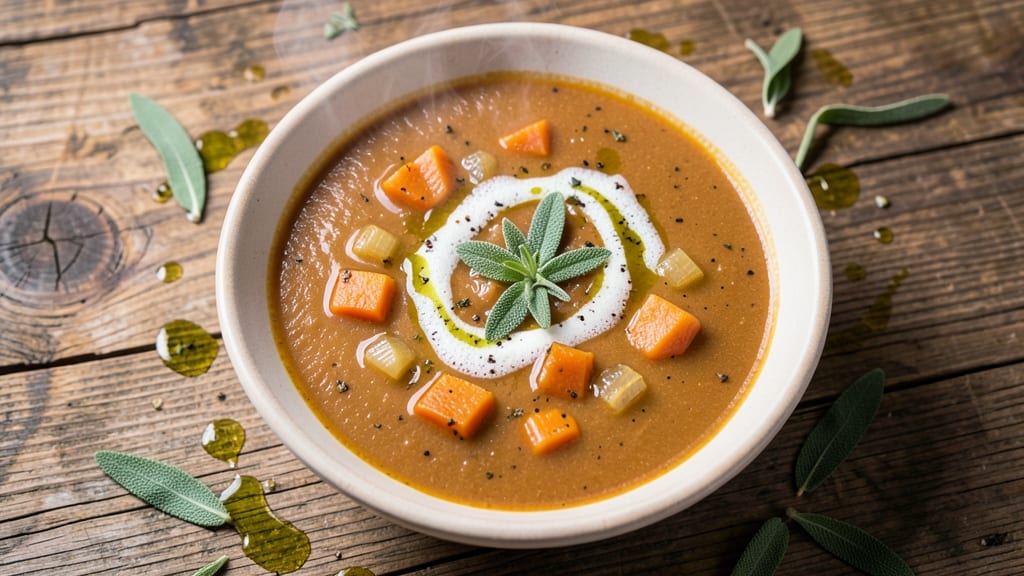
Inspired by Barefoot Contessa’s signature roasted squash technique, this butternut squash soup delivers restaurant-quality depth without relying on a blender. The key lies in caramelizing the squash in the oven first—transforming its natural sweetness into rich, velvety layers that define the soup’s character.
This method preserves texture while building complex flavors that set it apart from blended versions.
What makes this recipe stand out is its balance of simplicity and professional technique. You’ll start by roasting the squash until tender and caramelized, then sauté onions and garlic to form the flavor base.
The soup simmers gently, allowing the roasted squash to infuse the broth with its signature sweetness and depth. No immersion blender required—just a fork and a little patience to achieve that signature Barefoot Contessa texture.
The result is a velvety, aromatic soup with a natural sweetness that’s perfectly balanced by a touch of acidity—no added sugar needed. Topped with toasted pecans and fresh sage, it becomes a showstopper that’s as beautiful as it is delicious.
This recipe serves four and comes together in about an hour, making it ideal for cozy weeknight dinners or holiday gatherings.
Whether you’re a seasoned home cook or new to roasted squash techniques, this method delivers foolproof results. The roasting step ensures the squash develops its full flavor potential, while the simmering process creates a smooth, cohesive broth.
Garnishes like toasted nuts or a drizzle of cream elevate it further, proving that great soup doesn’t require complicated equipment—just the right approach.
Ingredients for barefoot contessa butternut squash soup
Roasting transforms butternut squash into velvety depth—no blender needed for restaurant-quality texture.
| Ingredient | Amount | Notes |
|---|---|---|
| Medium Butternut Squash 🎃 | 1 whole | Peeled, seeded, cut into 1-inch cubes |
| Yellow Onion 🧅 | 1 whole | Diced, medium dice preferred |
| Garlic Cloves 🧄 | 3 cloves | Peeled, minced for depth |
| Vegetable Stock 💧 | 4 cups | Low-sodium preferred, homemade ideal |
| Extra-Virgin Olive Oil 🫒 | ½ cup | High-quality, fruity variety |
| Fresh Sage Leaves 🌿 | ¼ cup | Chopped, stems removed |
| Pecans 🥜 | ½ cup | Toasted, roughly chopped |
| Heavy Cream 🥛 | ¼ cup | Full-fat for richness |
| Salt 🧂 | 1 ½ tsp | Diamond Crystal kosher preferred |
| Black Pepper 🌶️ | ½ tsp | Freshly ground for heat |
| Lemon Juice 🍋 | 1 tbsp | Freshly squeezed for acidity |
| Fresh Thyme 🌿 | ⅛ cup | Leaves only, chopped |
| Brown Sugar 🍯 | 1 tbsp | Lightly packed, optional |
The butternut squash is the heart of this soup, and its quality matters. Choose a firm, heavy squash with smooth skin—avoid any with soft spots or bruising. Most grocery stores carry them year-round, but local farmers markets in fall often have fresher, sweeter varieties. If using a pre-cut squash, opt for organic to avoid pesticide residue. The roasting process caramelizes the natural sugars, so don’t skip the oven step—it’s what creates that signature Barefoot Contessa depth. For best results, use a medium-sized squash (3-4 lbs), as it balances sweetness and texture perfectly without being overly watery.
Vegetable stock is non-negotiable here—it forms the soup’s foundation. Homemade stock with roasted vegetables adds the most depth, but quality store-bought brands like Pacific Foods or Imagine work well. Fresh sage and thyme elevate the flavor profile; dried herbs at one-third the amount can substitute in a pinch, but fresh is ideal. The pecans should be toasted until fragrant—a dry pan over medium heat for 5-7 minutes works perfectly. For the olive oil, avoid light or refined varieties—look for bottles labeled 'extra-virgin' with a harvest date. Lemon juice brightens the soup, so use freshly squeezed rather than bottled for optimal acidity balance.
This soup develops even better flavors the next day—plan ahead and refrigerate leftovers. Store in an airtight container for up to 5 days, or freeze for 3 months in portions. The roasted squash cubes can be prepped ahead and refrigerated overnight, saving time on cooking day. Garnishes like toasted pecans and fresh herbs should be added just before serving to preserve their texture and aroma. For a lighter option, reduce the heavy cream to 2 tablespoons and stir in a splash of coconut milk instead.
Why You'll Love This Recipe
- Same recipe, different vibes: slurp it straight from the pot with crusty bread for a lazy night, or drizzle with a touch of cream and toasted pumpkin seeds for guests. I’ve served it both ways—no one ever guessed it was the same base.
- No-Fuss Roast Prep: I just toss the squash halves—skin on—with olive oil, salt, and roast until tender. No peeling, no seeds, no mess. The onion and garlic caramelize right alongside, so you’re not stuck chopping while dinner waits.
- Creamy Without Dairy: That roasted squash purees into velvety silk, rich and sweet with just a whisper of garlic. Honestly, the stock does all the work—no heavy cream, no weird aftertaste, just pure, satisfying depth.
- Weeknight to Dinner Party: Same recipe, different vibes: slurp it straight from the pot with crusty bread for a lazy night, or drizzle with a touch of cream and toasted pumpkin seeds for guests. I’ve served it both ways—no one ever guessed it was the same base.
Step-by-step instructions for Barefoot Contessa butternut squash soup
Here's the method that delivers restaurant-quality roasted depth without blender work.
Roast the Squash and Aromatics for Maximum Flavor
Preheat your oven to 400°F. On a large rimmed baking sheet, toss the 1 whole medium butternut squash (cut into 1-inch cubes), 1 whole yellow onion (diced), and 3 cloves garlic cloves (minced) with 0.5 cup extra-virgin olive oil, 1.5 teaspoons salt, and 0.5 teaspoon black pepper. Spread in a single layer, ensuring the squash doesn't overlap.
Roast for 35-40 minutes until the squash is tender when pierced with a fork and the edges are deep golden brown. The onions should be caramelized and the garlic should be fragrant. This roasting process develops the natural sweetness of the squash and creates complex caramelized flavors that set this soup apart from blended versions.
Build the Soup Base with Roasted Vegetables
Transfer the roasted squash mixture to a large pot. Add 4 cups vegetable stock, 0.25 cup chopped fresh sage leaves, and 0.125 cup chopped fresh thyme. Bring to a gentle simmer over medium heat, then reduce heat to low and let it cook for 15-20 minutes until the squash is completely tender and the flavors have melded.
Use an immersion blender to purée the soup directly in the pot until completely smooth. I prefer this method as it prevents the mess of transferring hot soup to a blender. If you don't have an immersion blender, carefully transfer the soup in batches to a countertop blender, blending until silky smooth. The soup should be velvety with no visible chunks of vegetable.
Finish with Cream and Toasted Pecans
Return the puréed soup to the pot and stir in 0.25 cup heavy cream and 1 tablespoon brown sugar (if using). The cream adds richness while the brown sugar enhances the natural sweetness of the roasted squash. Simmer gently for 5 minutes to allow the flavors to integrate completely.
While the soup simmers, toast the 0.5 cup pecans in a dry skillet over medium heat for 3-4 minutes until fragrant and lightly golden. Watch them carefully—they burn quickly. Roughly chop the toasted pecans and set aside for garnish.
Balance Flavors and Serve
Taste the soup and adjust seasoning if needed. I typically add another ½ teaspoon salt and ¼ teaspoon black pepper at this stage. Stir in 1 tablespoon fresh lemon juice just before serving—this brightens the flavors and cuts through the richness of the cream.
Ladle the soup into bowls and top each serving with 2 tablespoons toasted pecans. The contrast between the creamy soup and crunchy pecans adds an exciting textural element. Serve immediately while the soup is hot, as the flavors continue to develop even after it's been ladled into bowls.
Pro Tips For Making Barefoot Contessa Butternut Squash Soup
- CHAR THE ONIONS: Cook the onions until they’re deep golden brown—not just soft—before adding garlic. I used to rush this, and the soup never had that rich, caramelized depth. Let them sit in the pot for 8-10 minutes, stirring occasionally, until they’re almost sticky.
- PEEL AND CUBE DRY: Pat the butternut squash cubes completely dry with a kitchen towel before roasting or sautéing. Wet skin steams the squash instead of browning it, and you’ll end up with soggy, pale cubes. Trust me, this makes a real difference.
- SALT THE STOCK: Season the vegetable stock before adding it to the soup—even if it’s labeled “low-sodium.” The Barefoot Contessa recipe relies on the stock’s flavor as the base, and under-seasoned stock is the fastest way to end up with a bland soup. Taste and adjust early.
- BLITZ THE GARLIC: Smash the garlic cloves flat with the side of your knife before mincing them. This releases more flavor and prevents them from burning before they soften. I was skeptical until I tried it—now I never go back.
Troubleshooting your barefoot contessa butternut squash soup
Squash Too Watery
If your soup tastes thin or watery after roasting, the squash likely wasn’t cooked long enough. Extend roasting time to 45-50 minutes until the edges are deeply caramelized and the squash yields easily to a fork.
For extra thickness, simmer the soup uncovered for 10-15 minutes to reduce liquid naturally. I’ve found that using a slightly smaller squash (2-3 lbs) also helps concentrate flavors. 💧
Broth Too Bland
Store-bought vegetable stock often lacks depth. Boost flavor by roasting onions, carrots, and celery with the squash before making stock, or use homemade stock with roasted garlic and herbs.
For an instant upgrade, add 1 teaspoon miso paste or ½ teaspoon smoked paprika to the simmering soup. The key is building layers—don’t rush the simmering step.
Grainy Texture After Blending
If your soup has visible chunks despite blending, the squash wasn’t soft enough. Return it to the pot with ¼ cup extra stock and simmer for 10 more minutes before blending again.
For ultra-smooth results, strain the soup through a fine-mesh sieve after blending. I also recommend using an immersion blender for more consistent results than transferring to a countertop model.
Burnt Onions or Garlic
Watch your roasting time closely—onions and garlic burn faster than squash. Remove the pan from the oven when the squash is tender, then check the aromatics. If they’re dark brown, they’re fine; if blackened, discard them and add fresh minced garlic to the simmering soup.
For next time, spread the aromatics in a single layer without overlapping the squash. 🌶️
Overpowering Sweetness
Too much brown sugar or overly ripe squash can make the soup cloying. Balance sweetness with 1 extra tablespoon lemon juice or ½ teaspoon salt per serving.
If the squash itself is too sweet, reduce the brown sugar to ½ tablespoon and add 1 teaspoon Dijon mustard to the simmering soup for complexity.
Pecans Not Crunchy
Toasted pecans lose crunch when added too early. Keep them separate until serving, or toast them fresh just before garnishing. For extra staying power, store them in an airtight container at room temperature.
If they soften, reheat them in a dry skillet for 1-2 minutes until crisp again. The contrast with creamy soup is what makes this dish special! 🥜
Nutrition facts
Frequently asked questions
Can I make this soup without an immersion blender?
Yes! Transfer the roasted squash mixture to a countertop blender in batches, blending until completely smooth. For best results, let the soup cool slightly first to prevent steam buildup. Just be careful—hot liquids can splatter when blending. The texture will be just as velvety as with an immersion blender.
How do I store leftovers to keep them tasting fresh?
Store in an airtight container in the fridge for up to 5 days. For longer storage, freeze portions for 3 months. Reheat gently on the stove over low heat, stirring occasionally, until warmed through. Add a splash of water or stock if the soup seems too thick after reheating. The flavors actually improve overnight!
What if I don't have pecans for the garnish?
No problem! Swap pecans for toasted walnuts, almonds, or even pumpkin seeds. For a nut-free option, try crispy fried shallots or a sprinkle of toasted breadcrumbs. The key is adding a contrasting texture—just make sure it complements the soup's creamy base. A pinch of fresh thyme or a drizzle of olive oil also works beautifully.
Can I make this soup dairy-free?
Replace the heavy cream with ½ cup coconut milk or ¼ cup cashew cream for a rich, dairy-free version. The soup will still be creamy, though slightly lighter. Boost umami with 1 teaspoon nutritional yeast or a splash of white miso paste. The roasted squash flavors will still shine through beautifully.
Why does Barefoot Contessa's method use roasting instead of boiling?
Roasting caramelizes the squash's natural sugars, creating deep, complex flavors that boiling can't match. The high heat develops a sweet, nutty depth that forms the soul of this soup. Plus, roasting removes excess moisture, resulting in a thicker, more concentrated broth. It's what transforms simple ingredients into something truly special!