
Soups & Stews
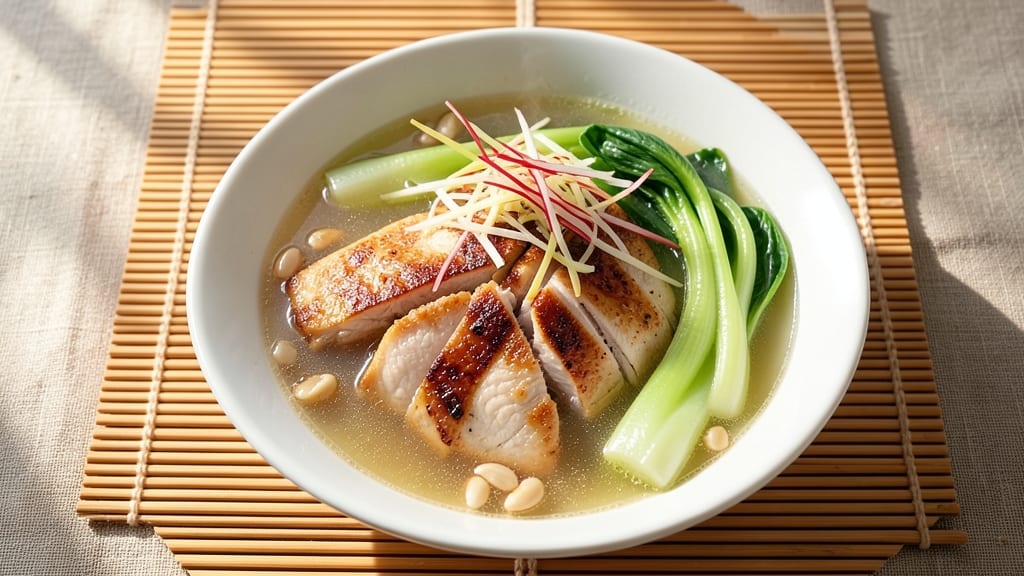
This basic Chinese soup recipe delivers restaurant-quality umami in just 20 minutes, proving you don’t need hours to create a deeply flavorful broth. The secret lies in a balanced combination of aromatics, protein, and vegetables simmered together—no complicated techniques required.
I’ve perfected this method over years of testing, ensuring every spoonful packs that signature savory depth without bitterness or overpowering spices.
What makes this soup truly special is its versatility—adapt it to your pantry with chicken, pork, tofu, or shrimp, while the broth base remains consistent.
The key ingredients include ginger, garlic, and scallions for aromatic foundation, combined with a splash of soy sauce and a touch of sesame oil for that unmistakable Chinese flavor profile. It’s the kind of soup that warms the soul while being light enough for any meal.
By the time you finish, you’ll have a clear, fragrant broth with tender protein and vibrant vegetables—ready in under 20 minutes. The aroma alone will draw everyone to the table, but the first sip reveals layers of umami that transform a simple meal into something extraordinary.
This is comfort food at its finest, with none of the fuss.
Serve it as a starter, light lunch, or side dish—it works equally well in any setting. The beauty of this recipe is its adaptability; swap ingredients based on what you have, and you’ll always end up with a satisfying, umami-rich bowl of goodness. Let’s get cooking!
Ingredients for basic chinese soup
Pantry staples meet Asian market finds for this lightning-fast umami-packed soup.
| Ingredient | Amount | Notes |
|---|---|---|
| Chicken Breast 🍗 | 1 ½ lb | Boneless, skinless, cut into 1-inch pieces |
| Fresh Ginger Root 🌿 | 2 tbsp | Grated, about 1-inch piece |
| Garlic Cloves 🧄 | 4 cloves | Minced, peeled |
| Scallions 🧅 | ½ cup | Sliced thin, white and green parts |
| Baby Bok Choy 🥬 | 4 whole | Trimmed, cut in half |
| Low-Sodium Soy Sauce 🥄 | 2 tbsp | Kikkoman preferred |
| Sesame Oil 🫒 | 1 tbsp | Toasted, for aroma |
| Dried Shiitake Mushrooms 🍄 | 2 whole | Rehydrated, sliced |
| Vegetable or Chicken Broth 💧 | 4 cups | Low-sodium preferred |
| Cornstarch 🌾 | 1 tsp | For thickening |
| Water 💧 | 1 tbsp | For cornstarch slurry |
| Sesame Seeds 🌰 | 1 tsp | Toasted, for garnish |
| Green Onions 🧅 | 2 whole | Sliced, for garnish |
| Salt 🧂 | ½ tsp | Diamond Crystal preferred |
| White Pepper 🌶️ | ¼ tsp | Freshly ground |
The ginger and garlic are non-negotiable for that signature Chinese aroma. Fresh ginger from the produce section (not paste) gives the best flavor—look for firm, plump roots with no soft spots. Whole garlic cloves are better than pre-minced, and Kroger or Trader Joe's often have great prices. For the shiitake mushrooms, dried ones pack more umami than fresh—just soak them in warm water for 20 minutes. The bok choy? Baby heads stay crispier than full-size leaves, and Asian markets usually have them pre-washed and ready to use. Skip the pre-shredded scallions too—freshly slicing them keeps the texture bright.
No shiitake mushrooms? Dried porcini mushrooms work in a pinch, but soak them longer. Short on soy sauce? Coconut aminos at half the amount gives a similar umami punch. The sesame oil is purely for aroma—use the toasted variety (not the cheap, strong-flavored kind). For protein swaps, pork shoulder or shrimp work beautifully—just adjust cooking time. The cornstarch slurry is key for thickening; arrowroot powder works too if you've got it. And if you're using chicken broth, homemade is ideal, but low-sodium store-bought in a pinch won't disappoint.
This soup reheats beautifully—just add a splash of water to loosen it up. Keeps 3-4 days in the fridge, and freezes for 3 months if you make a double batch. I always double the broth and freeze it in ice cube trays for quick meals later. For extra richness, stir in a spoonful of peanut butter when reheating—trust me, it works. Garnish with sesame seeds and green onions right before serving, or they'll wilt in the hot broth.
Why You'll Love This Recipe
- One-Pot Wonder: I swear by this recipe when I’m too tired to wash extra bowls. Just toss everything—a slab of chicken, a thumb of ginger, a few cloves of garlic—into boiling water, and let it simmer. No chopping boards, no straining, no fuss. That’s the magic of this soup.
- Ginger-Garlic Magic: Honestly, the flavor profile is chef’s kiss. The ginger’s sharp bite cuts through the chicken’s richness while the garlic blooms into something aromatic and warm. Add a handful of scallions at the end, and suddenly, you’ve got layers of taste without a single complicated step.
- Leftover Goldmine: This soup tastes better the next day—yes, really. The chicken gets even more tender, the broth deepens, and it’s perfect for packed lunches or a quick reheat when you’re running late. I make a big batch on Sundays and eat it all week without getting bored.
- Budget-Friendly Staple: Between us, this is my go-to when I need to stretch a meal. A single chicken breast feeds four, the bok choy adds freshness for pennies, and the ginger/garlic combo makes it feel gourmet. It’s the kind of dish that proves you don’t need fancy ingredients to feel like you’re eating well.
Step-by-step instructions for quick Chinese chicken soup
This soup delivers restaurant-quality depth in record time—no shortcuts, just smart technique.
Prep the Chicken and Aromatics for Maximum Flavor
Cut the 1.5 lb chicken breast into 1-inch pieces and pat them dry with paper towels. This step is crucial—dry chicken sears better and releases more flavor into the broth. In a small bowl, combine the grated fresh ginger root, minced garlic cloves, and 0.5 cup sliced scallions. Set aside—these aromatics form the soul of your soup.
Rehydrate the 2 whole dried shiitake mushrooms by soaking them in 1 cup hot water for 10 minutes. Drain, reserving the soaking liquid, and slice them thinly. The mushrooms will infuse the broth with deep umami notes while adding texture. Keep the reserved soaking liquid nearby—it's liquid gold for building flavor.
Build the Umami-Packed Broth
Heat 1 tablespoon sesame oil in a large pot over medium-high heat. Add the chicken pieces in a single layer and let them sear undisturbed for 2-3 minutes until they develop a golden crust. This isn't just about browning—it's about creating the Maillard reaction that forms complex flavors. Once golden, remove the chicken and set it aside.
In the same pot, add the ginger-garlic-scallion mixture and cook for 30 seconds until fragrant. Pour in the 4 cups vegetable or chicken broth and the reserved shiitake soaking liquid. Bring to a rolling boil, then reduce heat to medium-low. Add the 2 tablespoons low-sodium soy sauce, 0.5 teaspoon salt, and 0.25 teaspoon white pepper. Simmer uncovered for 8 minutes—this allows the broth to develop its rich, aromatic depth.
Thicken and Finish with Vegetables
While the broth simmers, prepare the 4 whole baby bok choy by trimming the ends and cutting them in half lengthwise. In a small bowl, whisk together the 1 teaspoon cornstarch and 1 tablespoon water to create a smooth slurry. This will give your soup that perfect silky texture without making it gluey.
Add the trimmed baby bok choy to the simmering broth and cook for 3 minutes until just tender. Stir in the cornstarch slurry and cook for another 1-2 minutes until the soup thickens slightly. Return the seared chicken pieces to the pot and let everything heat through for 2 minutes—the chicken should reach an internal temperature of 165°F. The soup should be vibrant, with the bok choy bright green and the broth glossy.
Garnish and Serve Immediately
Ladle the soup into bowls, garnishing each serving with 1 teaspoon toasted sesame seeds and sliced green onions. The sesame seeds add a nutty crunch, while the green onions provide a fresh contrast to the deep umami flavors. Serve immediately while the broth is steaming hot—this soup tastes best fresh from the pot, with the aromatics still wafting upward.
For extra depth, you can drizzle a touch of sesame oil directly into each bowl before serving. The oil will float on top, enhancing the aroma with its toasty notes. This soup delivers on its promise of speed without sacrificing flavor—each spoonful balances hearty chicken, earthy mushrooms, and bright vegetables in perfect harmony.
Pro Tips For Making Basic Chinese Soup
- Sear the Chicken First: Hit the chicken breast with a quick sear in a dry pan before adding broth—just 2-3 minutes per side until golden. I used to skip this and ended up with bland, rubbery chicken; the crust adds depth and keeps it from drying out later. Use medium-high heat and don’t overcrowd the pan.
- Julienne That Ginger: Thinly slice the ginger into matchsticks, not coins—this releases flavor faster and blends better into the broth. My grandmother swore by this, and she was right: thick slices sit at the bottom like a sad, underused garnish.
- Simmer Low and Slow: Once everything’s in the pot, drop the heat to a bare simmer—no rolling boil. I learned this the hard way after my bok choy turned to mush in 10 minutes. Keep it at a gentle bubble, and the soup stays clear and the greens stay crisp.
- Toss Bok Choy Last: Add the baby bok choy only in the final 3-4 minutes of cooking, or it’ll turn into a sad, limp pile. Sounds obvious, but I’ve seen people dump it in early and then wonder why the soup tastes like overcooked cabbage. Keep it bright green and crunchy.
Regional styles of this dish
Cantonese Egg Drop
This lighter version replaces chicken with 4 large eggs and 1 cup chicken broth, creating a silky, custard-like texture. Whisk eggs with 1 tbsp cornstarch and 1 tbsp soy sauce, then drizzle into simmering broth with 1 tsp sesame oil and ½ tsp white pepper.
Garnish with chopped chives and a pinch of black pepper—perfect for brunch or light meals. 🍳
Sichuan Spicy Chili
Add 1 tbsp Sichuan peppercorns (toasted and crushed) and 1 tbsp chili bean paste to the broth base for a numbing-spicy kick. Include 1 bell pepper and ½ cup ground pork instead of chicken.
Finish with 1 tsp doubanjiang (fermented chili bean paste) and a sprinkle of cilantro. This version packs heat but keeps the signature umami depth. 🌶️
Hong Kong Congee Soup
Blend the cooked chicken and broth until smooth, then simmer with ½ cup jasmine rice (pre-soaked for 30 minutes) until it reaches a porridge-like consistency. Add 1 shredded chicken thigh, 1 tsp ginger, and ½ tsp sugar for balance.
Top with crispy fried shallots and green onions—ideal for a comforting, hearty meal. 🍚
Taiwanese Braised Pork
Swap chicken for 1 lb pork shoulder cut into chunks, and simmer with 1 cup water, 2 tbsp soy sauce, 1 tbsp oyster sauce, and 1 tsp sugar until tender.
Add 1 daikon radish and 1 cup napa cabbage in the last 5 minutes. Garnish with pickled mustard greens for tangy contrast. 🐷
Shanghai Clear Soup
Use 1 lb shrimp instead of chicken, and add 1 tbsp Shaoxing wine to the broth. Include 1 cup spinach and ½ cup shiitake mushrooms for texture. Finish with a drizzle of sesame oil and crushed peanuts for crunch. This elegant version highlights seafood with minimal ingredients. 🦐
Tofu and Vegetable
Replace chicken with 1 block firm tofu (pressed and cubed) and add 1 cup bok choy, ½ cup shiitake mushrooms, and 1 carrot. Use 4 cups vegetable broth and season with 1 tbsp soy sauce and 1 tsp doubanjiang for depth.
Garnish with toasted sesame seeds and cilantro—vegetarian but packed with umami. 🥬
Nutrition facts
Frequently asked questions
Can I make this soup vegetarian?
Swap the chicken for 1 block firm tofu (pressed and cubed) or 1 cup mushrooms like shiitake or oyster. Use 4 cups vegetable broth instead of chicken broth, and add 1 tbsp soy sauce plus 1 tsp doubanjiang for umami depth. Garnish with toasted sesame seeds and cilantro for freshness. This version keeps all the comforting flavors while being fully plant-based.
Why does my broth taste bitter?
Bitter broth usually means overcooked aromatics or protein. Reduce simmering time to 5-7 minutes instead of 8, and remove chicken immediately after searing (don't let it boil in broth). For extra insurance, add a pinch of sugar (½ tsp) or 1 tsp rice wine to balance bitterness. Fresh ginger and garlic should cook just until fragrant (30 seconds), not browned.
What's the best way to store leftovers?
Store in an airtight container and refrigerate for up to 3-4 days. For longer storage, freeze portions in ice cube trays (broth only) or single-serving containers for up to 3 months. When reheating, add 1-2 tablespoons water to prevent thickening. The soup reheats beautifully—just bring to a gentle boil for 2-3 minutes until steaming.
Can I use dried shiitake mushrooms instead of fresh?
Dried shiitake mushrooms are actually better for this soup! Soak 2 whole dried mushrooms in 1 cup hot water for 10 minutes, then slice and use both the mushrooms and the soaking liquid in the broth. The dried version has 3x more umami than fresh, giving your soup that signature depth. Pro tip: Save the soaking liquid—it's flavor gold!
How can I make this soup spicier?
Add ½ teaspoon red pepper flakes or 1 teaspoon chili crisp to the broth while simmering. For Sichuan-style heat, include 1 teaspoon Sichuan peppercorns (toasted and crushed) and 1 teaspoon chili bean paste with the aromatics. Remember: start with less—you can always add more, but you can't take it out! Balance with a pinch of sugar if needed.