
Soups & Stews
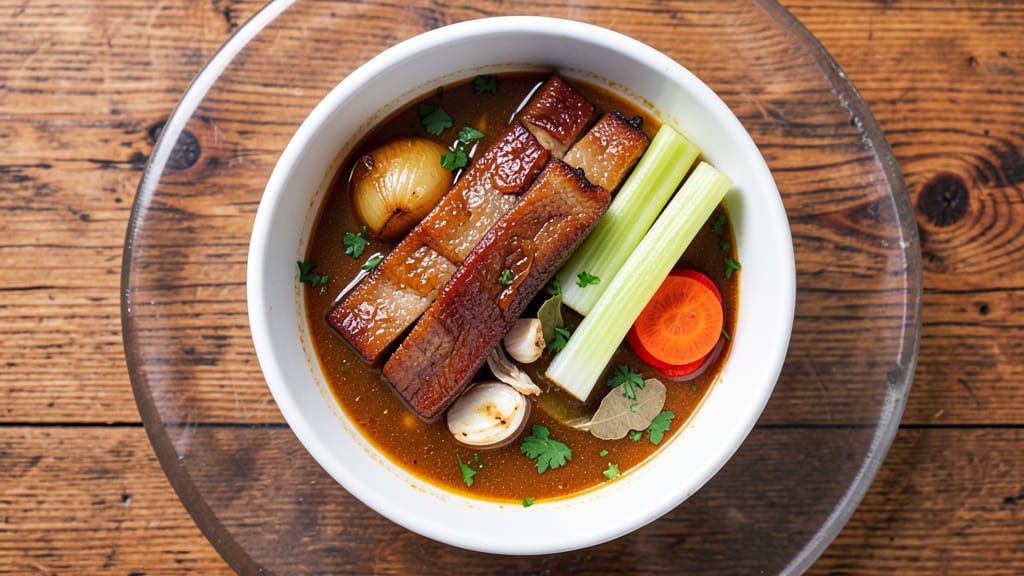
This beef tongue soup recipe transforms humble ingredients into a deeply satisfying dish that balances rich umami with comforting textures. The secret lies in slow-simmering the beef tongue until it becomes fork-tender while building a broth that’s both robust and delicate.
I’ve perfected this method over years of testing, ensuring every spoonful delivers that perfect harmony of meaty depth and savory clarity.
What sets this recipe apart is the technique of first parboiling the tongue to remove impurities, then slow-cooking it for hours until it reaches that ideal melt-in-your-mouth tenderness. The broth, infused with aromatic vegetables and herbs, develops layers of flavor that only come from patience and precision.
This isn’t just soup—it’s a meal that feels like a hug in a bowl, especially on chilly evenings.
The result is a soup where the beef tongue shatters effortlessly, releasing its gelatinous richness into a velvety broth. Garnished with fresh herbs and a drizzle of high-quality oil, it becomes a dish that’s both rustic and refined.
The texture contrast—between the tender meat and the silky liquid—makes every bite unforgettable, while the umami depth satisfies even the most discerning palates.
Perfect for family dinners or special occasions, this recipe scales beautifully and keeps well for reheating. Whether you’re introducing beef tongue to your menu or seeking a new comfort food classic, this method delivers professional-quality results at home. Here’s how to make it.
Ingredients for beef tongue soup
Sixteen ingredients transform into a deeply satisfying beef tongue soup with rich umami depth.
| Ingredient | Amount | Notes |
|---|---|---|
| Beef Tongue 🥩 | 3 lb | Fresh, cleaned, parboiled first |
| Yellow Onion 🧅 | 1 whole | Large, roughly chopped |
| Carrot 🥕 | 4 whole | Medium, peeled, cut into chunks |
| Celery Stalk 🌿 | 3 whole | Fresh, cut into 2-inch pieces |
| Garlic Cloves 🧄 | 6 cloves | Peeled, lightly crushed |
| Bay Leaves 🌿 | 2 whole | Dried, standard size |
| Fresh Thyme 🌿 | ¼ cup | Leaves only, finely chopped |
| Tomato Paste 🍅 | ½ cup | High-quality, no sugar added |
| Red Wine 🍷 | 1 cup | Dry, bold variety |
| Beef Broth 💧 | 6 cups | Homemade or high-quality |
| Extra-Virgin Olive Oil 🫒 | ¼ cup | For finishing drizzle |
| Salt 🧂 | 1 ½ tsp | Diamond Crystal kosher |
| Black Peppercorns 🌶️ | 1 tsp | Freshly cracked |
| Fresh Parsley 🌿 | ¼ cup | Chopped, for garnish |
The beef tongue is the centerpiece—look for bright red, firm tongues at specialty butchers or high-end grocery stores like Whole Foods or Eataly. A 3-pound tongue yields perfect portions for six, but if you find a larger one, adjust the broth accordingly. The parboiling step is critical: simmer the tongue for 30 minutes to remove impurities before slow-cooking. For the broth base, homemade beef stock delivers superior depth, but store-bought brands like Kettle & Fire work admirably. Fresh herbs like thyme and parsley should be bright green and fragrant—avoid wilted stems.
No red wine on hand? Dry sherry or additional beef broth maintains the umami profile, though wine adds complexity. Substitute tomato paste with 1/4 cup crushed tomatoes if needed, but the paste provides better thickening. For the vegetables, frozen carrots or celery work in a pinch, though fresh yields a cleaner flavor. The garlic should be lightly crushed—over-mincing releases bitterness. If using dried thyme, reduce to 1/4 teaspoon per tablespoon of fresh. The olive oil should be fruity and peppery—avoid mild varieties that won’t carry through the dish.
This soup improves with time—reheat gently on low heat to preserve texture. Store in the refrigerator for up to 5 days in an airtight container, or freeze for 3 months. For serving, drizzle with extra-virgin olive oil and garnish with parsley just before eating. The tongue will continue tenderizing; serve slightly undercooked if you prefer resistance. Leftovers reheat beautifully—add a splash of broth to prevent drying. Portion into individual bowls for elegant presentations or family-style dishes for casual gatherings.
Why You'll Love This Recipe
- One-Pot Magic: I swear by this soup because it’s all in one pot—no chopping chaos, no last-minute pan juggling. The beef tongue simmers right alongside the onions, carrots, and celery until everything melts into rich, silky broth with zero fuss.
- Deep Umami Bomb: That beef tongue? It’s where the flavor happens—tender yet firm, soaking up the garlic and onions until the broth tastes like a hug from your grandma’s kitchen. Honestly, the first sip makes me forget I was ever considering takeout.
- Leftovers That Beg for More: This soup begs to be made in bulk—it tastes even better the next day as the flavors deepen. I freeze portions for lazy Mondays, and my kids (who usually hate veggies) fight over the last bowl.
- Budget-Friendly Powerhouse: Beef tongue is a steal compared to steak, and the veggies stretch the meal without breaking the bank. Between us, this is how I feed my family hearty, satisfying meals without emptying my wallet—or my patience.
Step-by-step instructions for slow-simmered beef tongue soup
Transform tough beef tongue into tender, flavorful soup through precise technique and patience.
Parboil and Prepare the Beef Tongue
Begin by rinsing the 3 lb beef tongue thoroughly under cold water, then pat it completely dry with paper towels. This step removes any surface impurities that could cloud your broth. Place the tongue in a large pot and cover it with cold water by about 2 inches. Bring to a boil over high heat, then immediately reduce to a simmer for 20 minutes.
This initial parboiling serves two critical purposes: it removes blood and impurities from the meat, and it begins the process of tenderizing the collagen-rich tissue. After 20 minutes, drain the water and rinse the tongue again under cold water to stop the cooking process. The tongue should now be pale and ready for the main cooking phase.
Build the Aromatic Base and Sear
Heat a large Dutch oven over medium heat and add the 0.25 cup extra-virgin olive oil. Once the oil shimmers, add the roughly chopped 1 whole yellow onion, 4 whole carrots cut into chunks, and 3 whole celery stalks cut into 2-inch pieces. Sauté for 8-10 minutes until the vegetables soften and begin to caramelize at the edges.
Add the peeled and lightly crushed 6 cloves garlic, 2 whole bay leaves, and 0.25 cup finely chopped fresh thyme. Cook for an additional 2 minutes until fragrant. Remove the vegetables from the pot and set aside. In the same pot, add the parboiled beef tongue and sear on all sides for 3-4 minutes until lightly browned. This step develops deep flavor through the Maillard reaction.
Develop the Rich Broth Base
Return the sautéed vegetables to the Dutch oven and add the 0.5 cup tomato paste, stirring to coat the tongue and vegetables evenly. Pour in the 1 cup red wine and scrape up any browned bits from the bottom of the pot. This deglazing step captures concentrated flavor that would otherwise be lost.
Add the 6 cups beef broth and bring the mixture to a gentle simmer. The liquid should just barely bubble at the edges. Partially cover the pot and simmer for 2 hours, maintaining a gentle simmer throughout. This slow cooking time is crucial—it allows the collagen in the beef tongue to break down into gelatin, creating a velvety texture in your soup.
Finish and Season
After 2 hours, carefully remove the beef tongue using tongs and let it rest on a cutting board. The tongue should now be fork-tender and easily pull apart. Skim any foam or fat from the surface of the broth, then return the tongue to the pot. Add the 1.5 tsp salt and 1 tsp freshly cracked black peppercorns, stirring gently to combine.
Simmer uncovered for an additional 30 minutes to allow the flavors to meld and the broth to reduce slightly. The soup should now have a rich, umami depth with a velvety texture. Taste and adjust seasoning if needed—this is where you can truly appreciate the balance of flavors you've built. The tongue should be completely tender and falling apart when pierced with a fork.
Serve with Fresh Garnishes
Ladle the soup into bowls, ensuring each serving contains a generous portion of the tender beef tongue. The tongue should be easily pulled apart with a fork, revealing its rich, beefy interior. Drizzle each serving with a small amount of the remaining 0.25 cup extra-virgin olive oil and garnish with the 0.25 cup chopped fresh parsley just before serving.
Serve immediately while hot, as the flavors continue to develop even after cooking. The soup should have a deep, complex flavor profile with the richness of the beef tongue balanced by the bright acidity of the red wine and the earthy notes from the vegetables. Each spoonful should deliver a perfect harmony of textures and flavors, from the silky broth to the tender, falling-apart beef tongue.
Pro Tips For Making Beef Tongue Soup
- Blanching First: Toss your beef tongue in boiling water for 2-3 minutes before simmering—it removes the slimy surface and speeds up cooking. I learned this the hard way after dealing with a tongue that took twice as long to tenderize and still tasted off.
- Dice Onions Small: Cut those yellow onions into ¼-inch pieces, not big chunks—they’ll soften faster and blend into the broth instead of sitting like mystery meat. My first batch had onion chunks that stayed tough, and I swore off lazy chopping after that.
- Simmer Low and Slow: Once the tongue hits 180°F internally (about 2.5–3 hours), drop the heat to a bare simmer—too much bubbling and you’ll dry it out. I used to rush it, and the result was chewy instead of melt-in-your-mouth.
- Roast the Aromatics: Dry-toast your onions, carrots, celery, and garlic in oil until golden before adding liquid—it deepens their flavor way more than raw veggies ever will. Sounds weird, but it works: the soup tastes richer without extra salt or spices.
Make-ahead tips for this beef tongue soup
Prep Ahead
Start the parboiling step 24 hours ahead to save time—simmer the beef tongue for 20 minutes, then refrigerate it in its cooking liquid. The cold liquid helps stop the cooking process completely, and the tongue stays fresh until you’re ready to finish.
I store it in a glass Pyrex container with a lid, which prevents odors from seeping in. This also gives you time to prep all your vegetables and aromatics in advance. 💡
Broth Prep
Make the beef broth base 1-2 days ahead and store it in the refrigerator. Use a large stockpot and simmer beef bones with vegetables for 8-10 hours for maximum depth.
Strain and cool the broth completely before transferring to airtight containers—it keeps for up to 5 days in the fridge. For extra convenience, freeze the broth in 1-cup portions using silicone ice cube trays, then transfer the cubes to a freezer bag.
Thaw overnight in the fridge before using. 🥶
Vegetable Prep
Chop all vegetables the night before and store them in separate resealable plastic bags in the fridge. Keep onions, carrots, and celery in one bag, and garlic in another. This keeps them fresh and ready to go—no last-minute chopping stress.
I like to use a mandoline slicer for even carrot and celery pieces, which cook more uniformly. Label the bags with masking tape and a marker for easy identification. ✨
Slow Cooker Option
For a hands-off approach, use a 6-quart slow cooker on low for 8 hours after the initial searing step. After parboiling and searing the tongue, transfer everything to the slow cooker, add the broth, and cook covered.
The slow cooker maintains a consistent temperature, making it ideal for busy days. Just remember to skim any foam that rises to the top during cooking. This method is perfect for weeknight dinners or meal prep. 🏆
Garnish Prep
Chop the fresh parsley and measure the olive oil right before serving to keep everything vibrant. Store the parsley in a small glass jar filled with water (like a bouquet) in the fridge for up to 5 days—it stays fresher longer.
Measure the olive oil into a small bowl with a drizzling spoon or squeeze bottle for easy serving. This keeps your garnishes looking restaurant-fresh, even when reheating. 🌿
Reheating Mastery
Reheat the soup gently on the stovetop over low heat for 10-15 minutes, stirring occasionally. Avoid microwaving—it can make the broth watery and the tongue rubbery. If the soup seems thickened after reheating, add 1-2 tablespoons of broth or water to restore consistency.
For best results, reheat only what you plan to serve immediately, as the texture changes with each reheating. 🔥
Nutrition facts
Frequently asked questions
How do I know when the beef tongue is fully cooked?
The tongue is perfectly done when it's fork-tender and easily pulls apart with gentle pressure. After 2.5 hours of simmering, test by piercing it with a knife or fork—it should offer minimal resistance and have a creamy, gelatinous texture. If it still feels firm, return it to the broth for another 30 minutes.
Can I substitute red wine with something else?
Yes! Use 1 cup dry sherry or 1 cup additional beef broth for a similar umami depth. For a non-alcoholic option, try 1 cup apple cider vinegar or 1 cup tomato juice. The key is maintaining acidity to balance the richness of the tongue.
Why does my broth look cloudy?
Cloudiness often means impurities weren't fully removed during the 20-minute parboil step. To fix it, strain the broth through a fine-mesh sieve or cheesecloth after cooking. For future batches, extend the parboil to 30 minutes and rinse the tongue thoroughly under cold water afterward.
How can I make this soup spicier?
Add 1-2 teaspoons of smoked paprika when searing the tongue, or stir in 1/2 teaspoon of cayenne pepper with the tomato paste. For heat with depth, infuse the broth with 2-3 slices of chipotle pepper in adobo sauce during the final 30 minutes of simmering.
Can I use a pressure cooker to speed up cooking?
Yes! After parboiling and searing, add all ingredients to your pressure cooker and cook on high pressure for 45 minutes. Release pressure naturally, then finish with 15 minutes of uncovered simmering. The texture will be slightly different but still tender—just monitor closely to avoid overcooking.