
Soups & Stews
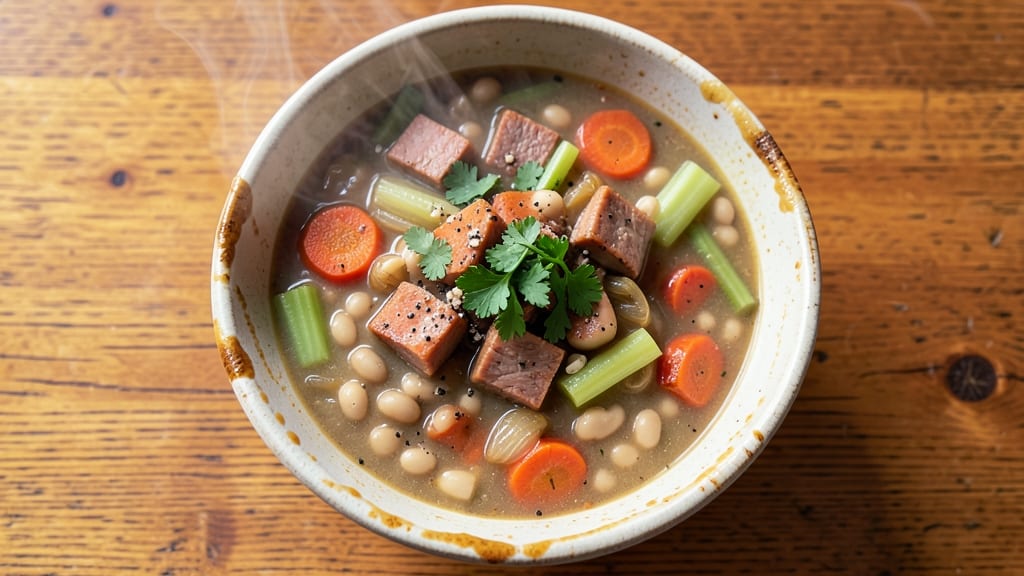
Betty Crocker's ham and bean soup recipe delivers the ultimate one-pot comfort food experience, where smoky ham and hearty beans blend into a rich, satisfying broth. This classic recipe transforms simple ingredients into a flavorful, warming meal that's perfect for chilly evenings or lazy Sundays.
The secret lies in slow simmering, which deepens the flavors and creates that signature cozy texture we all love.
What makes this soup truly special is its simplicity—just a handful of ingredients come together in one pot to create something extraordinary. You'll start with navy beans for their firm texture, then add ham that infuses the broth with smoky depth.
A blend of thyme, bay leaf, and black pepper builds layers of flavor that develop beautifully as the soup simmers. The result? A bowl of soup that's hearty enough to stand alone or pair perfectly with crusty bread.
By the time you're done, you'll have a steaming pot of soup with tender beans, flavorful ham, and a broth so rich it practically tastes like a hug.
The aroma alone will have everyone gathering around the table, and the first spoonful delivers on that classic Betty Crocker comfort you've been craving. This recipe is designed to be foolproof, ensuring restaurant-quality results with minimal effort.
The beauty of this one-pot wonder is its versatility—it reheats beautifully for leftovers, freezes well for future meals, and can be customized with extra vegetables or herbs to suit your taste.
Whether you're feeding a family or meal prepping for the week, this soup delivers warmth and satisfaction in every bowl. Let's get cooking!
Ingredients for betty crocker ham and bean soup
Six ingredients create this cozy ham and bean soup that tastes like home.
| Ingredient | Amount | Notes |
|---|---|---|
| Navy Beans 🍲 | 2 cups | Dried or canned, drained |
| Ham 🥓 | 1 ½ cups | Diced, bone-in preferred |
| Onion 🧅 | 1 whole | Medium, chopped |
| Carrots 🥕 | 3 medium | Peeled, chopped |
| Celery 🌿 | 3 stems | Chopped, fresh preferred |
| Garlic Cloves 🧄 | 4 cloves | Minced |
| Chicken Broth 💧 | 6 cups | Low-sodium preferred |
| Tomato Paste 🍅 | 2 tbsp | Smooth, not chunky |
| Fresh Thyme 🌿 | 1 tbsp | Leaves only, chopped |
| Bay Leaf 🌿 | 2 whole | Remove before serving |
| Ground Black Pepper 🌶️ | 1 tsp | Freshly ground preferred |
| Salt 🧂 | 1 tsp | Adjust to taste |
| All-Purpose Flour 🌾 | 1 tbsp | For thickening |
| Butter 🧈 | 2 tbsp | Unsalted, for richness |
The ham is where the magic happens—bone-in adds depth, but any diced ham works. I grab Costco's smoked ham when I can, but regular deli ham is fine too. For the beans, dried gives better texture, but canned navy beans save time. Just rinse them well. Carrots and celery should be fresh—wilted veggies make the broth taste dull. If you're short on time, frozen chopped veggies work in a pinch, but they lack that fresh crunch.
No thyme? Dried oregano at half the amount works, but fresh thyme is worth it. Short on broth? Water plus bouillon cubes gets you close, but real broth makes all the difference. The tomato paste can be skipped if you hate tomatoes, but it adds that slightly sweet, umami kick that ties everything together. For extra richness, swap 1 tbsp butter for olive oil—both work, but butter makes it feel indulgent. And if you're watching sodium, skip the bouillon and use plain water with extra salt at the end.
This soup tastes even better the next day—plan ahead. Store in an airtight container for up to 5 days in the fridge or 3 months frozen. I like to freeze it in portions so I can grab a bowl whenever I need comfort. The ham stays flavorful, but the beans soften more the longer it sits. For serving, crusty bread is non-negotiable—it soaks up that rich broth like a dream.
Why You'll Love This Recipe
- One-Pot Magic: I swear, this soup is the only time I’ve ever used my slow cooker and not felt guilty about it. Toss in the ham, chopped veggies, and canned beans—no fancy prep, no measuring cups—and let it simmer. By dinner, you’ve got a steaming bowl of goodness with zero stress.
- Salty-Sweet Harmony: That ham isn’t just filling—it melts into the broth, leaving behind this perfect balance of smoky, savory, and just a hint of sweetness. The carrots and celery soften into the perfect texture, while the navy beans soak up all the flavor like little sponges. Honestly, it’s the kind of taste that makes you want to eat it straight from the pot.
- Leftovers That Don’t Suck: Between us, most soups turn into sad, watery meals by day three. Not this one. The ham stays tender, the beans hold their shape, and the broth actually deepens in flavor. I’ve reheated this stuff for four days straight—yes, really—and it’s still the star of my lunchbox.
- Budget-Friendly Crowd-Pleaser: This recipe costs me less than $10 to feed six people, and somehow, it always disappears. The ham stretches across bowls, the beans bulk it up, and the veggies add color without breaking the bank. It’s my go-to for potlucks, game days, or when I’ve got a houseful of people who all think they’re too picky to eat the same thing. (Spoiler: They do.)
Step-by-step instructions for Betty Crocker ham and bean soup
This one-pot wonder delivers restaurant-quality flavor with minimal cleanup—just follow these simple steps.
Sauté the Vegetable Base
In a large Dutch oven or heavy pot, melt the 2 tablespoons butter over medium heat. Add the 1 whole chopped onion, 3 chopped carrots, and 3 chopped celery stems, stirring occasionally for 5-6 minutes until the vegetables soften and begin to release moisture. You'll notice the onions turn translucent and the carrots start to caramelize slightly.
Add the 4 minced garlic cloves and cook for another 30 seconds until fragrant—this prevents the garlic from burning. Here's the thing: don't rush this step. The deeper flavor you develop at the start makes all the difference in the finished soup. If the vegetables start sticking, add a splash of chicken broth to deglaze the pan.
Build the Flavor Foundation
Stir in the 1.5 cups diced ham and cook for 2 minutes until warmed through. Add the 2 tablespoons tomato paste and mix well to coat the vegetables. This creates a rich base that will deepen the soup's flavor as it simmers.
Pour in the 6 cups chicken broth, scraping up any browned bits from the bottom of the pot. Add the 2 whole bay leaves, 1 tablespoon chopped fresh thyme, 1 teaspoon salt, and 1 teaspoon ground black pepper. Bring everything to a gentle boil, then reduce heat to medium-low and let it simmer uncovered for 15 minutes to allow the flavors to meld.
Add Beans and Thicken the Soup
Add the 2 cups navy beans (drained if using canned) and the 1 tablespoon all-purpose flour. Stir well to distribute the flour evenly—this will help thicken the soup naturally as it cooks. Let the soup return to a gentle simmer and cook uncovered for 30-40 minutes, stirring occasionally.
You'll know it's ready when the beans are tender and the soup has thickened to your preferred consistency. If it's too thin after 30 minutes, mix 1 tablespoon cornstarch with 2 tablespoons cold water, stir it in, and simmer for another 5 minutes. The soup should coat the back of a spoon but still be easy to ladle.
Finish and Serve
Remove the 2 whole bay leaves before serving. Taste and adjust seasoning with additional salt or pepper if needed. The soup should be rich, hearty, and perfectly balanced between the smoky ham, sweet vegetables, and earthy beans.
For an extra touch, top each serving with a dollop of sour cream or a sprinkle of fresh parsley. This soup tastes even better the next day as the flavors continue to develop, so it's perfect for meal prep. Serve with crusty bread to soak up every last drop of that delicious broth!
Pro Tips For Making Betty Crocker Ham And Bean Soup
- Sauté the Ham First: That pre-cooked ham might look ready to go, but it’s the base flavor—don’t skip browning it. Cut it into ½-inch cubes, toss them in a cold skillet, and let them sizzle for 3–4 minutes on medium-high. The crust seals in flavor and caramelizes the edges, which the recipe will miss if you just toss it in raw.
- Soak Beans Overnight: Navy beans are stubborn when dry. Skip the "quick soak" hacks—just let them sit in cold water for 12+ hours. Drain and rinse before adding them to the pot; this cuts cooking time by 45 minutes and prevents that chalky texture. (Yes, I’ve burned dinner waiting for beans to soften—don’t be me.)
- Salt the Water Generously: The recipe might say "season to taste," but trust me: add 1½ teaspoons of salt to the pot before the beans go in. The ham’s already salty, and the beans absorb flavor better early on. Taste the broth at the 30-minute mark—if it’s bland, add another pinch. (Your future self will notice.)
- Deglaze with Ham Juices: After removing the ham, don’t wipe the pan clean—just splash in ¼ cup of water and scrape up those browned bits. Stir that into the soup at the end; it adds depth without extra effort. (I used to skip this and wondered why my soup tasted "flat.")
Common mistakes when making this dish
Skipping the Sauté
Rushing the initial sauté is the fastest way to dull flavors. The caramelization of onions and celery builds the soup's sweet, aromatic base. I once skipped this step and ended up with a broth that tasted flat—no matter how much seasoning I added.
Always take the 5-6 minutes to cook the vegetables until soft and slightly golden. If they stick, deglaze with a splash of broth, but never add water—it washes away those precious fond flavors. 🧅
Undercooking the Beans
Using canned beans? Drain and rinse them, but don’t assume they’re ready. Even canned navy beans need 20-30 minutes in the simmering broth to fully tenderize. I’ve seen people add them last-minute and end up with crunchy, undercooked beans that ruin the texture.
For dried beans, soak overnight or use the quick-soak method (boil for 2 minutes, then let sit for 1 hour) to ensure they cook evenly.
Ignoring the Flour Slurry
The 1 tablespoon flour isn’t just for thickening—it’s a flavor enhancer. If you skip it or add it all at once, the soup will either stay watery or develop a pasty texture.
Instead, whisk the flour with a little cold water first to create a smooth slurry, then stir it into the simmering broth. This prevents clumping and ensures a silky finish.
Pro tip: If the soup still needs thickening, mix 1 tablespoon cornstarch with 2 tablespoons cold water for a glossier result.
Overcrowding the Pot
Dumping all ingredients in at once leads to uneven cooking and a muddy broth. Start with the vegetables and ham, then add the beans and broth separately. Overcrowding also causes the soup to boil too vigorously, which can make the beans mushy and the broth cloudy.
Keep the pot at a gentle simmer—you want bubbles, not a rolling boil. If it’s too crowded, cook in batches or use a larger pot. 🍲
Forgetting to Skim
As the soup simmers, a thin layer of foam or fat may rise to the top. Skim this off occasionally with a spoon or ladle—it’s where impurities and excess fat collect. I learned this the hard way when my soup ended up greasy and unappetizing.
Skimming also helps the broth stay clear and bright. Aim to skim every 10 minutes during the 30-40 minute bean-cooking phase.
Salting Too Early
Adding all the salt at the beginning can make the soup taste bland as the flavors develop. Instead, add half the salt at the start and reserve the rest for the end. Taste the soup after simmering and adjust—you might need more or less depending on your broth’s saltiness.
I also recommend using low-sodium chicken broth to give you better control over the final seasoning. A pinch of salt at the end can elevate the dish more than a heavy hand early on.
Nutrition facts
Frequently asked questions
Can I substitute canned beans for dried in this recipe?
Yes, but there are key differences. Canned navy beans save time but need 20-30 minutes extra simmering to fully tenderize. Drain and rinse them well first. For dried beans, soak overnight or use the quick-soak method (2 minutes boil, then 1 hour rest) for even cooking. The texture will be slightly firmer with dried beans, which many prefer in hearty soups.
How can I make this soup vegetarian?
Replace the ham with 1.5 cups of diced smoked tofu or tempeh for a meaty texture. Use vegetable broth instead of chicken broth and add 1 teaspoon liquid smoke for depth. For extra protein, stir in 1 cup cooked lentils with the beans. The tomato paste and thyme will still create that rich, comforting flavor profile.
Why does my soup taste bland after simmering?
Bland soup usually means one of three things: under-seasoned broth, rushed cooking, or skipping key steps. First, ensure you're using low-sodium broth and adding salt gradually—half at start, half at end. Never skip the 15-minute initial simmer before adding beans—this lets flavors develop. Finally, don't rush the vegetable sauté; caramelized onions and celery are flavor powerhouses.
Can I make this soup in an Instant Pot?
Sauté the vegetables as directed, then add all ingredients except flour. Cook on high pressure for 12 minutes, then quick-release. Stir in the flour slurry and cook on sauté mode for 5 minutes to thicken. The Instant Pot version cooks 40% faster but may need slightly more liquid—start with 6.5 cups broth instead of 6. Always check bean tenderness before releasing pressure.
What's the best way to store leftovers?
Store in an airtight container in the fridge for up to 5 days or freeze for 3 months. For freezing, portion into single-serving containers to prevent freezer burn. The soup actually tastes better reheated—just warm on the stove over medium-low heat, stirring occasionally. Add a splash of water or broth if it thickens too much during reheating.