
Soups & Stews
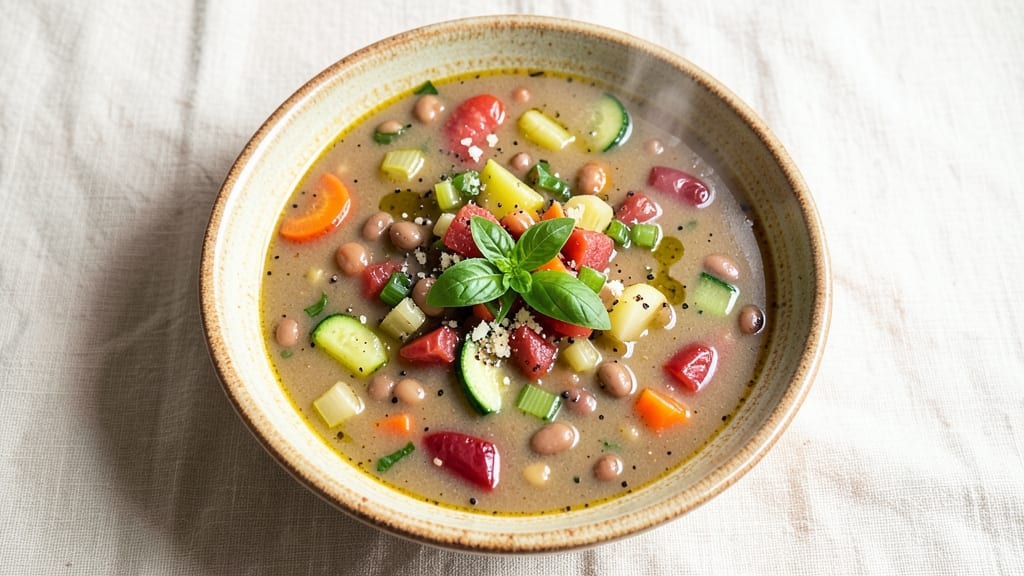
Creating a Betty Crocker-style minestrone soup in one pot transforms a simple weeknight meal into a hearty, restaurant-worthy dish. This recipe builds on classic Italian traditions while incorporating Betty Crocker’s signature approachability—rich, vegetable-packed, and effortlessly comforting.
The secret lies in balancing fresh produce, protein-rich beans, and a savory broth that simmers into perfect harmony.
What sets this minestrone apart is its foolproof one-pot method, designed to minimize cleanup while maximizing flavor. You’ll start with sautéed onions and garlic, then layer in seasonal vegetables, canned tomatoes, and Italian herbs—all simmered until tender.
The addition of small pasta and kidney beans at the end ensures a satisfying texture, with each bite delivering a mix of creamy, crunchy, and savory elements. No fancy techniques required, just a pot, a stove, and 45 minutes of hands-off time.
By the time you’re done, you’ll have a steaming bowl of soup with deep, aromatic flavors—golden broth infused with herbs, tender vegetables, and al dente pasta. The beans add protein and heartiness, while the crusty bread on the side soaks up every last drop.
This is the kind of meal that feels like a hug on a chilly evening, and it’s ready in time to share with family or friends. Let’s get started on the perfect pot of minestrone.
One of the best parts of this recipe is its versatility—use it as a standalone meal or pair it with garlic bread and a simple salad for a complete dinner. The flavors only improve as it sits, making it ideal for meal prep or leftovers.
Whether you’re following Betty Crocker’s trusted approach or putting your own spin on it, this one-pot minestrone delivers on comfort, simplicity, and taste every time.
Ingredients for betty crocker minestrone soup
Foolproof one-pot minestrone with Betty Crocker's signature hearty, vegetable-packed comfort.
| Ingredient | Amount | Notes |
|---|---|---|
| Extra-Virgin Olive Oil 🫒 | ½ cup | High quality, fruity variety |
| Yellow Onion 🧅 | 1 whole | Medium size, diced |
| Garlic Cloves 🧄 | 4 cloves | Freshly minced |
| Carrots 🥕 | 2 cups | Peeled, sliced into rounds |
| Celery Stalk 🥬 | 3 whole | Cut into 1/2-inch pieces |
| Zucchini 🍆 | 1 ½ cups | Diced, skin on |
| Canned Diced Tomatoes 🍅 | 2 cups | San Marzano preferred |
| Vegetable Broth 💧 | 4 cups | Low-sodium preferred |
| Canned Kidney Beans 🌱 | 1 ½ cups | Drained and rinsed |
| Small Shell Pasta 🍝 | 1 cup | Uncooked, like ditalini |
| Dried Italian Seasoning 🌿 | 1 tbsp | Diamond Crystal preferred |
| Bay Leaves 🌿 | 2 whole | Fresh if available |
| Salt 🧂 | 1 ½ tsp | Diamond Crystal kosher |
| Black Pepper 🌶️ | ½ tsp | Freshly ground |
| Parmesan Cheese 🧀 | ½ cup | Freshly grated |
The vegetable trio—carrots, celery, and zucchini—needs to be fresh for that crisp bite. Trader Joe's has the best pre-washed organic mix, but any vibrant, firm produce works. If you're using baby carrots, trim the tops—they're bitter. For the zucchini, smaller varieties like 'Eight Ball' stay tender without getting mushy. The kidney beans? Canned is fine, but if you're prepping ahead, soak dried overnight for a creamier texture. I always grab the San Marzano tomatoes—their sweetness cuts through the earthiness of the herbs beautifully.
No Italian seasoning? Mix 1/2 tsp dried oregano, 1/2 tsp dried basil, and a pinch of thyme. Fresh herbs are ideal, but dried works in a pinch—just double the amount. Running low on vegetable broth? Water plus 1 tsp bouillon powder gets you close. The pasta should be small—ditalini or orzo hold up best to the long simmer. For extra protein, add 1 cup cooked white beans at the end. And if you're feeling fancy, stir in 1/2 cup frozen peas at the last 5 minutes for a pop of color.
This soup tastes even better the next day—flavors meld like magic. Store in an airtight container for 5 days in the fridge or freeze for 3 months. I like to portion it into individual containers so I can grab a bowl straight from the freezer. For serving, always have crusty bread on hand—it's the perfect vehicle for that rich, herby broth. And if you're making it ahead for a crowd, double the batch—leftovers make the best lunches.
Why You'll Love This Recipe
- No-Chop Shortcuts: I swear by this recipe because the onions and celery go in whole—no need to dice them into perfect cubes. The carrots stay in chunks too, so you’re basically just tossing in raw veggies like you’re feeding a toddler, but it still tastes like a restaurant’s version.
- Garlic-Kissed Depth: That first sizzle of olive oil and garlic? Chef’s move. The recipe lets the garlic caramelize just enough to coat every spoonful, while the carrots and celery soften into this sweet, earthy base. Honestly, the flavor builds like a hug—warm, familiar, and impossible to resist.
- Weeknight Magic: This soup is my go-to when I’m too tired to think. Toss in whatever beans or greens you have (I usually grab canned white beans and frozen spinach), and boom—dinner’s ready. It’s the kind of meal that turns a “what’s for dinner?” panic into a “well, that was easy” victory.
- Budget-Friendly Leftovers: Between us, this recipe stretches to five meals without breaking the bank. The onions, garlic, and carrots are cheap staples, and the broth (even canned) makes it feel fancier than it is. I’ll make a double batch on Sundays and freeze half—because nothing beats reheating a pot of this when you’re exhausted.
Step-by-step instructions for Betty Crocker minestrone soup recipe
This hearty vegetable-packed one-pot masterpiece delivers rich, comforting flavors with minimal effort.
Sauté the Aromatic Vegetable Base
Heat the 0.5 cup extra-virgin olive oil in a large Dutch oven over medium heat until shimmering but not smoking. Add the 1 whole diced yellow onion and 3 whole celery stalks cut into ½-inch pieces. Cook for 5-6 minutes until the vegetables soften and begin to release their natural juices, creating a fragrant foundation.
Here's the thing—don't rush this step. You want the onions to turn translucent and the celery to lose its crispness. This builds the flavor base for the entire soup. After 5 minutes, add the 2 cups sliced carrots and continue cooking for another 3-4 minutes until they begin to soften slightly. The vegetables should be tender but still hold their shape, not mushy.
Build Flavor with Garlic and Tomatoes
Push the sautéed vegetables to one side of the pot and add the 4 cloves freshly minced garlic cloves to the empty space. Stir for 30 seconds until the garlic becomes fragrant and just begins to turn golden—this prevents it from burning, which would make the soup bitter. Immediately add the 2 cups canned diced tomatoes and stir to combine with the vegetables.
Simmer this mixture uncovered for 5 minutes to allow the tomatoes to break down slightly and their juices to meld with the vegetables. The soup should smell rich and complex, with layers of sweetness from the carrots, earthiness from the celery, and bright acidity from the tomatoes. This is where the magic happens—don't skip this step, as it develops the soup's depth of flavor.
Add Liquids and Seasonings for Simmering
Pour in the 4 cups vegetable broth and bring the mixture to a gentle boil. Add the 1 tbsp dried Italian seasoning, 2 whole bay leaves, 1.5 tsp salt, and 0.5 tsp black pepper. Stir well to combine all ingredients. Here's the critical part: reduce heat to medium-low and let the soup simmer uncovered for 15 minutes, allowing the flavors to meld together.
While simmering, you'll notice the vegetables continue to soften and the broth begins to take on a deeper color. This is normal and essential for developing the soup's rich, complex character. Skim off any foam that rises to the surface during this time to ensure a clean, velvety texture. The soup should smell like a warm, inviting hug by the time you're ready for the next step.
Incorporate the Vegetables and Pasta
Add the 1.5 cups diced zucchini and 1.5 cups drained kidney beans to the simmering soup. Stir gently to distribute them evenly. Here's where it gets fun—after 5 minutes of simmering, add the 1 cup small shell pasta. The pasta will absorb the flavorful broth as it cooks, becoming tender and hearty.
Simmer the entire mixture uncovered for another 12-15 minutes, stirring occasionally, until the pasta is al dente and the zucchini is tender but still holds its shape. The soup should be thick enough to coat the back of a spoon but still have a pleasant brothy consistency. You'll know it's ready when the pasta floats to the surface and the vegetables are perfectly tender—no more crunch, but still vibrant.
Finish with Parmesan and Serve Warm
Remove the 2 whole bay leaves from the soup and discard them. Stir in the 0.5 cup freshly grated Parmesan cheese until it melts into the soup, creating a creamy, cheesy finish. Taste and adjust the seasoning if needed—you might want to add a pinch more salt or a crack of black pepper to suit your preference.
This is the moment that matters: serve the minestrone immediately while it's piping hot. The Parmesan adds a luxurious finish, and the combination of tender vegetables, hearty beans, and perfectly cooked pasta makes this soup incredibly satisfying. Each spoonful delivers a symphony of textures and flavors, from the creamy Parmesan to the tender vegetables and robust broth. Enjoy this comforting, one-pot meal with crusty bread to soak up every last drop!
Pro Tips For Making Betty Crocker Minestrone Soup
- Sweat the Veggies Low: Betty Crocker’s recipe calls for sautéing onions, carrots, and celery—don’t rush this. Cook them on medium-low heat for 8-10 minutes until they’re soft and the onions turn translucent. I used to crank the heat and end up with a bitter, half-raw mess. Patience here makes the broth taste richer.
- Slice Carrots Thin: The recipe likely says "diced," but julienne the carrots instead. Thin slices cook faster, blend more smoothly, and add texture without turning mushy. If you’re short on time, skip dicing entirely and spiralize them—it’s a game-changer for consistency.
- Salt the Water Properly: The recipe might not mention it, but add 1 teaspoon of salt to the broth before adding beans or pasta. This ensures the final soup isn’t bland—especially if you’re using low-sodium canned beans. Trust me, you’ll taste the difference, and it’s easier than fixing it later.
- Toast the Garlic: The recipe probably says to add minced garlic at the end, but sauté it for 30 seconds in the olive oil first. This deepens the flavor without burning it. I was skeptical until I tried it—now it’s non-negotiable for me. Just don’t walk away; it burns fast.
Pro cooking tips for betty crocker minestrone soup
Sautéing Perfection
Start by heating your 0.5 cup extra-virgin olive oil in a large Dutch oven over medium heat—never high heat, or you’ll burn the garlic later. I swear by this step: let the onions and celery cook for 5-6 minutes until they’re truly soft and translucent, releasing their natural juices.
This creates the flavor foundation for the entire soup. If you rush, you’ll miss out on the sweet, caramelized notes that make minestrone sing. 🌟
Tomato Magic
After adding the tomatoes, let them simmer uncovered for 5 minutes—this isn’t just about softening. The tomatoes break down, releasing their juices and melding with the vegetables, creating a rich, slightly chunky base.
I’ve seen people skip this step, and the soup just doesn’t have the same depth of flavor. Think of it as a flavor infusion, not just a cooking step.
Simmer Control
Once you add the broth and seasonings, reduce heat to medium-low and simmer uncovered. This might seem counterintuitive—why not cover it?—but uncovered simmering prevents the soup from becoming watery and allows the flavors to concentrate.
Skim off any foam that rises to the surface during the 15-minute simmer to keep the broth clean and velvety. Trust me, this makes a noticeable difference in the final texture. 💫
Pasta Timing
Add the pasta after the zucchini and beans have cooked for 5 minutes—this ensures everything cooks evenly. The pasta should finish in 12-15 minutes, but keep an eye on it.
If you’re using ditalini, it cooks faster than larger pastas, so check it at the 10-minute mark. Overcooking pasta turns it mushy, and we’re going for al dente perfection here.
Cheese Finish
Stir in the Parmesan cheese just before serving—this isn’t just for flavor, it’s for texture. The cheese melts into the broth, creating a creamy finish that ties everything together. I like to add it off the heat so it doesn’t scramble.
If you’re serving it immediately, this step is non-negotiable for that restaurant-quality touch. Save the Parmesan rind for garnishing if you’re feeling fancy! 🧀
Flavor Boosts
If your minestrone tastes flat after simmering, don’t be afraid to adjust it. A splash of lemon juice brightens the flavors, while a pinch of red pepper flakes adds a subtle kick. I also keep a small bowl of grated Parmesan on the table so everyone can customize their bowl.
The key is to taste as you go—soup is one of the few dishes where you can (and should) adjust seasoning at the end. 🔥
Nutrition facts
Frequently asked questions
Can I make this minestrone soup without canned tomatoes?
Use 2 cups fresh diced tomatoes instead, but remove the seeds and skins first to prevent excess moisture. Roast them at 400°F for 15 minutes before adding to deepen their flavor. For extra richness, add 1 tablespoon tomato paste with the sautéed vegetables.
How do I adjust the soup for dietary restrictions?
For a vegetarian version, skip the kidney beans and add 1 cup cooked lentils instead. For gluten-free, use gluten-free pasta like chickpea or rice noodles. To make it dairy-free, omit the Parmesan and use nutritional yeast for a cheesy flavor. Always check labels on broth and seasonings for hidden allergens.
Why did my minestrone turn out too thick?
This usually happens when the pasta absorbs too much liquid. To fix it, stir in ½ cup hot vegetable broth and simmer for 5 minutes longer. For prevention, start with 1 cup broth instead of 4 cups if you prefer a thicker consistency. Skimming foam during simmering also helps maintain proper thickness.
Can I prepare this soup in an Instant Pot?
Yes! Sauté the onions, celery, carrots, and garlic first. Add all remaining ingredients except pasta, then cook on High Pressure for 8 minutes. Quick-release the pressure, stir in the pasta, and cook on Keep Warm for 5 minutes. Finish with Parmesan. The Instant Pot version cooks 30 minutes faster but may need extra broth to adjust consistency.
What's the best way to store leftovers?
Let the soup cool completely, then transfer to an airtight container. It keeps in the fridge for 5 days or freezes for 3 months. For reheating, warm on the stove over medium-low heat, stirring occasionally. Add a splash of broth if it thickens too much. The flavors actually improve overnight!