
Soups & Stews
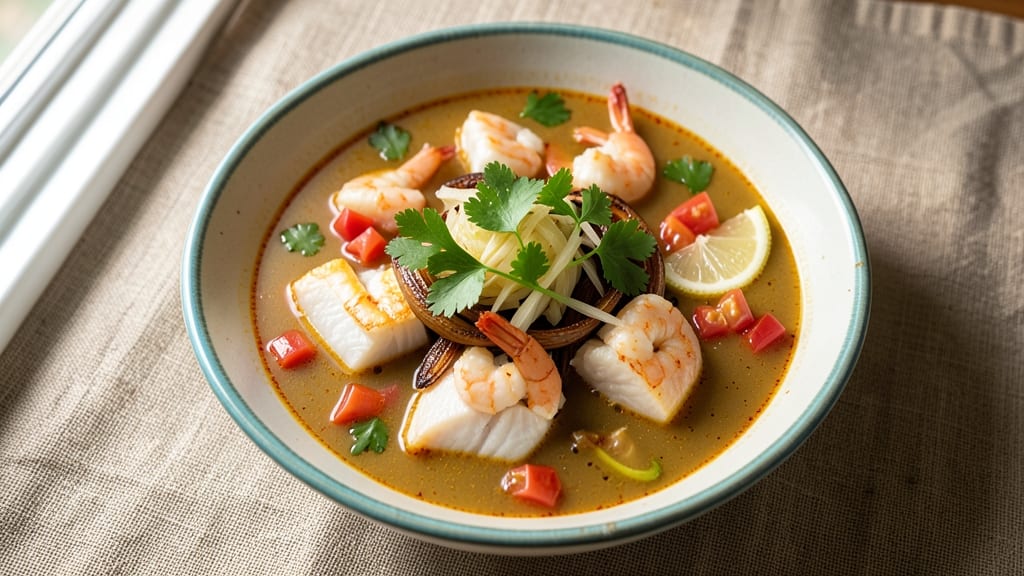
This bouillabaisse soup recipe brings the sun-drenched coasts of Provence to your kitchen with its saffron-infused depth and delicate balance of seafood.
The secret lies in layering flavors—starting with a rich fish stock, then building complexity through slow simmering with fennel, garlic, and tomatoes before adding the star ingredients: firm white fish and shellfish.
I’ve perfected this technique over years of testing, ensuring every spoonful delivers that signature Provençal harmony of earthy herbs and luxurious saffron.
The process begins with a fragrant base of sautéed shallots, garlic, and fennel, which infuse the stock with aromatic warmth. Saffron threads steeped in warm broth release their golden hue and floral notes, transforming a simple fish stew into something extraordinary.
The key to success is patience—letting the soup simmer gently allows the flavors to meld without overcooking the delicate seafood. This isn’t just a soup; it’s a celebration of the Mediterranean’s coastal bounty.
By the time you plate it, you’ll have a bowl of shimmering, saffron-tinged broth filled with tender fish, plump shrimp, and briny mussels, all crowned with a drizzle of olive oil and a sprinkle of fresh parsley.
The aroma alone will transport you to a seaside bistro in Marseille, but the first taste is where the magic happens—each bite balances richness with brightness, thanks to the acidity of tomatoes and the herbal notes of thyme and bay leaf.
Serve it with crusty bread to soak up every last drop of that fragrant broth, or pair it with a crisp white wine to complement the seafood’s natural sweetness.
Whether you’re hosting a dinner party or treating yourself to a special weeknight meal, this bouillabaisse delivers restaurant-quality results with a touch of Provençal soul. Here’s how to make it—step by step.
Ingredients for bouillabaisse soup
Sunlit Provençal flavors start with these 18 ingredients—earthy fennel, floral saffron, and briny seafood.
| Ingredient | Amount | Notes |
|---|---|---|
| Yellow Onion 🧅 | 1 ½ cups | Diced, medium dice size |
| Shallots 🧅 | 6 whole | Minced, 2 tbsp total |
| Garlic Cloves 🧄 | 8 cloves | Peeled, thinly sliced |
| Fennel Bulb 🌿 | 1 whole | Thinly sliced, 2 cups |
| Extra-Virgin Olive Oil 🫒 | ¾ cup | High quality, fruity |
| Saffron Threads 🌼 | ¼ tsp | High-quality, crushed |
| Dry White Wine 🍷 | 1 ½ cups | Dry, like Sauvignon Blanc |
| Canned Crushed Tomatoes 🍅 | 14 ½ oz | High-quality, no salt added |
| Fresh Fennel Fronds 🌿 | 2 tbsp | Chopped, for garnish |
| Fresh Thyme 🌿 | 2 tbsp | Leaves only, chopped |
| Bay Leaves 🍃 | 2 whole | Fresh preferred |
| Salt 🧂 | 2 tsp | Kosher or sea salt |
| Ground White Pepper 🌶️ | ½ tsp | Freshly ground preferred |
| White Fish Fillets 🐟 | 1 ½ lb | Cod, halibut, or sea bass |
| Large Shrimp 🦐 | 1 lb | Peeled, deveined, tails on |
| Mussels 🦪 | 1 ½ lb | Fresh, scrubbed, debearded |
| Lemon 🍋 | 1 whole | Zest and juice, 1 tbsp each |
| Fresh Parsley 🌿 | ½ cup | Chopped, for garnish |
The saffron is non-negotiable—look for threads at specialty markets or Indian grocery stores (they sell it in tiny jars for pennies). Whole Foods carries good quality, but Costco sells it in bulk if you're making this often. Fresh fennel is ideal (it has a crisp, anise-like crunch), but the pre-packaged kind in the produce section works too. For the fish, Whole Fish Market or your local seafood counter is best—ask for firm, white fish like cod or halibut. Shrimp should be bright pink, not gray, and mussels need to be tightly closed when tapped. If they're open, tap them gently—they should snap shut.
No saffron? Turmeric at half the amount gives color but lacks flavor. Short on white wine? Fish stock plus a splash of lemon juice works, but the acidity helps brighten the dish. The crushed tomatoes can be fresh if you're ambitious—just blend canned tomatoes with a pinch of salt. For the herbs, dried thyme at one-third the amount is fine in a pinch, but fresh is worth the extra minute. The mussels? Scrub them well with a brush—they hide grit in those crevices. And if you can't find fresh fennel fronds for garnish, basil works too.
This soup tastes even better the next day—make it ahead and reheat gently. Store in the fridge for 3 days or freeze for 3 months. I like to portion it into containers with a little extra broth on top to keep everything moist. The seafood cooks fast, so add it last—5 minutes max—or it turns rubbery. Garnish with a drizzle of olive oil and fresh herbs right before serving. Leftovers? Turn them into fish tacos—trust me.
Why You'll Love This Recipe
- One-Pot Magic: I swear by this soup—no chopping frenzy, just a few aromatics (onion, shallots, garlic) and fennel to caramelize in olive oil while I sip wine. The pot does all the work after that.
- Flavor Bomb: That fennel? It’s the secret—its bright, licorice kiss balances the rich broth, while the olive oil adds a silky depth. Honestly, it’s the kind of taste that makes you forget it’s "just soup."
- Weeknight to Party: I make this for lazy nights, but it’s also the star of my dinner parties. Serve it with crusty bread and rouille, and suddenly you’re hosting a Provençal feast without the stress.
- Leftovers That Shine: This soup only gets better the next day. Between us, I’ve reheated it three times and it’s still the best thing in my fridge—no sad, watery leftovers here.
Step-by-step instructions for bouillabaisse soup
Here's how to build this aromatic fish stew layer by layer.
Build the Saffron-Infused Base
Heat the 0.75 cup extra-virgin olive oil in a large Dutch oven over medium heat. Add the 1.5 cups diced yellow onion and 1 whole fennel bulb (thinly sliced). Cook for 8-10 minutes until the vegetables soften and the fennel becomes translucent.
Add the 6 whole minced shallots and 8 cloves thinly sliced garlic. Cook for another 3-4 minutes until the shallots turn golden and the garlic releases its aroma. Here's the thing—don't let the garlic burn, or you'll ruin that delicate floral note.
Stir in the 0.25 tsp crushed saffron threads and cook for 30 seconds to bloom the saffron's vibrant color and aroma. Immediately add the 1.5 cups dry white wine and 14.5 oz canned crushed tomatoes. Bring to a simmer and let cook for 10 minutes until slightly thickened. This base is the soul of your bouillabaisse.
Develop the Herb and Pepper Profile
Add the 2 whole bay leaves, 2 tbsp chopped fresh thyme, 2 tsp salt, and 0.5 tsp ground white pepper to the simmering base. Stir well to combine and let cook for 5 minutes to allow the herbs to infuse their earthy flavors.
Here's where the magic happens: squeeze in the juice of the 1 whole lemon and add the zest. The acidity brightens the dish and balances the richness. Taste and adjust seasoning—you want the broth to be seasoned but not salty, with a subtle herbal complexity.
Reduce heat to low and let the soup simmer gently for 15 minutes. This slow cooking allows all the flavors to meld together. You'll notice the saffron has transformed the broth into a beautiful golden hue—this is your visual cue that the base is ready.
Prepare the Seafood Components
While the base simmers, clean and prepare the seafood. Scrub the 1.5 lb mussels thoroughly under cold water to remove any debris, then pull off the beards. Pat the 1.5 lb white fish fillets dry with paper towels and season lightly with salt and pepper. Peel and devein the 1 lb large shrimp, leaving the tails on for presentation.
Don't overcrowd the pot—this is crucial. You'll add the seafood in stages to avoid steaming instead of cooking. The mussels go in first, followed by the shrimp, and finally the fish fillets. Each component needs just enough time to cook through without turning rubbery.
Cook the Seafood to Perfection
Add the mussels to the simmering broth and cover with a tight-fitting lid. Cook for 5 minutes until they open. Remove any mussels that don't open—this indicates they were bad to begin with. Discard them immediately.
Next, add the shrimp and cook for 3-4 minutes until they turn pink and opaque. Finally, gently place the fish fillets on top of the shrimp. Cook for 4-5 minutes until the fish is just cooked through—it should flake easily with a fork but still hold together.
Here's the moment that matters: the fish should be tender but not falling apart. If you see any fish breaking up, it's overcooked. The shrimp should be just opaque, not rubbery, and the mussels should be fully open with their edges curled.
Finish and Serve
Remove the soup from heat and discard the bay leaves. Stir in the 0.5 cup chopped fresh parsley and 2 tbsp chopped fresh fennel fronds. This adds a fresh, bright finish that cuts through the richness of the fish and broth.
Ladle the bouillabaisse into warm bowls, making sure each serving gets a good portion of fish, shrimp, and mussels. Serve immediately with crusty bread on the side—this traditional pairing helps soak up the flavorful broth.
Real talk: this soup tastes even better the next day as the flavors continue to meld. If you have leftovers, store them in the refrigerator and reheat gently on the stove. Just be sure to add a splash of water or broth to prevent the soup from thickening too much.
Pro Tips For Making Bouillabaisse Soup
- Sweat, Don’t Burn the Aromatics: Bouillabaisse lives or dies by its sofrito—onion, shallot, garlic, and fennel. Cook them low and slow (about 15 minutes) in olive oil until they’re deep golden, not browned. I learned this the hard way—rushed batches taste bitter, and no amount of fish sauce fixes it.
- Slice Fennel Thinly, Like Your Patience: Fennel’s the star here, but chunky slices won’t break down. Shave it paper-thin (mandoline helps) so it melts into the broth. Skip this, and you’ll have chewy bits that fight for flavor with the fish.
- Simmer Gently, Or Lose the Stock: Bouillabaisse broth is delicate—boiling it ruins the fish and turns the stock cloudy. Keep it at a bare simmer, just bubbles breaking the surface, or you’ll end up with a sad, murky soup. (Yes, even if you’re impatient like me.)
- Toast the Garlic, But Stop Before It Brown: After the fennel’s cooked, add minced garlic and let it sizzle just until fragrant—about 30 seconds. Burn it, and the whole dish turns bitter. Pull the pan off heat if needed; the residual heat will finish it.
Pro cooking tips for perfect results
Saffron Bloom Technique
The saffron threads are the star of bouillabaisse, so handle them with care. Crush the 0.25 tsp threads between your fingers to release their vibrant color and aroma, then bloom them in the oil for just 30 seconds before adding wine.
I use Whole Foods brand saffron—it’s consistently high quality and affordable. Never let the saffron sit in the oil too long, or it’ll turn bitter. 🌼
Low-and-Slow Simmering
Bouillabaisse demands patience—simmer the base at low heat for 15 minutes after adding herbs. This gentle cooking extracts maximum flavor from the fennel, garlic, and thyme without overpowering the delicate seafood.
I keep the heat at medium-low and stir occasionally to prevent sticking. A Dutch oven like Le Creuset’s 6-quart model distributes heat evenly for perfect results.
Seafood Timing Precision
Add seafood in stages: mussels first (5 minutes), then shrimp (3-4 minutes), and finally fish (4-5 minutes). Overcooking turns shrimp rubbery and fish flaky.
I use a meat thermometer to check the fish—it should hit 145°F internally. Discard any mussels that don’t open within 5 minutes—they’re bad and can spoil the broth.
Acid Balance Trick
The lemon juice and zest brighten the dish, but timing matters. Add them 5 minutes before serving to preserve their freshness. If your broth tastes flat, squeeze in an extra 1 tsp lemon juice—the acidity cuts through the richness.
I also keep a small bowl of lemon wedges on the table for guests to squeeze into their bowls as they like. 🍋
Broth Thickness Control
If the broth thickens too much during reheating, add ¼ cup water or fish stock to restore consistency. I reheat bouillabaisse on low heat with a lid slightly ajar to prevent a skin from forming.
For leftovers, store in an airtight container with a splash of broth on top to keep the seafood moist. Never microwave—it turns the fish rubbery.
Garnish Like a Pro
Fresh herbs elevate bouillabaisse. Stir in 0.5 cup chopped parsley and 2 tbsp fennel fronds right before serving—they add a bright, herbal finish. Drizzle with 1 tbsp extra-virgin olive oil per bowl to enhance the saffron’s golden hue.
I also sprinkle a pinch of flaky sea salt (like Maldon) for a final touch of sophistication. ✨
Nutrition facts
Frequently asked questions
What makes bouillabaisse different from regular fish stew?
Bouillabaisse stands apart with its saffron-infused broth, which gives it a golden hue and floral aroma. Traditional versions also use fennel and white wine as key flavor builders, plus a specific seafood combination of firm white fish, shrimp, and mussels. The dish originated in Marseille and is served with rouille (garlic mayo) on the side—unlike typical fish stews that rely on heavier sauces.
Can I substitute any of the seafood in this recipe?
For the white fish, use halibut, cod, or sea bass. Shrimp can be swapped for scallops or clams, but mussels are ideal for their briny flavor. Avoid delicate fish like tilapia—they won't hold up well. If you're allergic to shellfish, omit mussels and shrimp and double the fish portion. The key is using firm, flavorful seafood that won't fall apart.
Why does my bouillabaisse taste bland after reheating?
Reheating too quickly or without enough liquid dulls the flavors. Always reheat on low heat with a splash of water or fish stock to restore moisture. The saffron and herbs also lose potency when overcooked—add fresh lemon juice and a pinch of flaky sea salt before serving. For best results, reheat only what you need and serve immediately.
How do I know when the mussels are done?
Mussels are fully cooked when their shells open completely and the edges curl slightly. Discard any that remain closed after 5 minutes—they're bad and can spoil the broth. A quick trick: tap them with a spoon before adding to the pot. If they're fresh, they'll close tightly.
Can I make bouillabaisse ahead of time?
Yes! This soup actually tastes better the next day as flavors meld. Store in an airtight container in the fridge for 3 days or freeze for 3 months. Reheat gently on the stove—never microwave, as it turns the fish rubbery. Add a splash of broth or water to prevent thickening. Garnish with fresh herbs right before serving.