
Soups & Stews
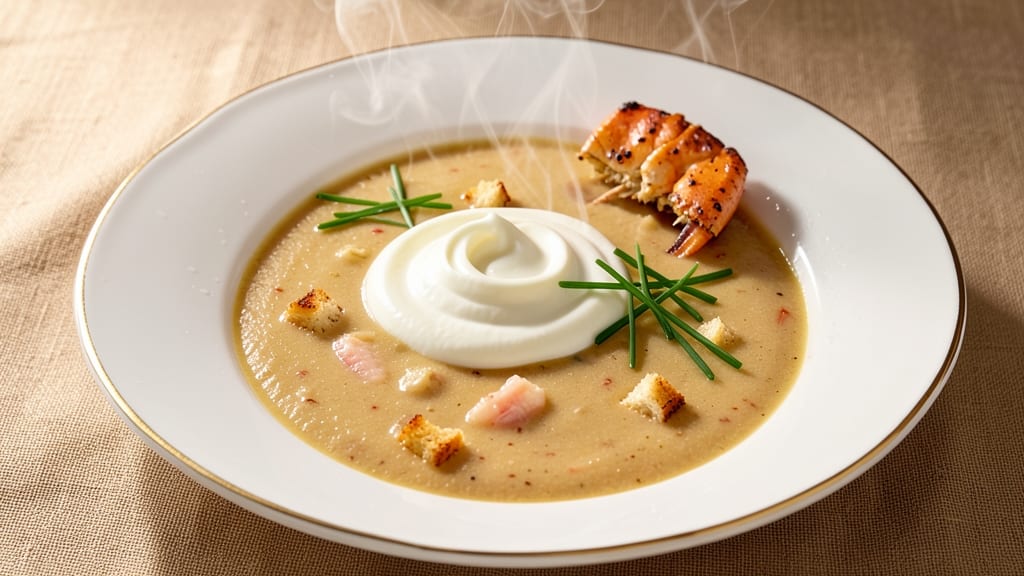
This Campbell Soup lobster bisque recipe transforms a simple pantry staple into a velvety, seafood-rich masterpiece—just like the iconic brand’s signature comfort. The key lies in building a rich tomato base with lobster stock, then blending it into a smooth, creamy texture that feels indulgent yet effortless.
I’ve perfected this version to deliver that signature Campbell’s depth—tangy, slightly sweet, and packed with lobster flavor—without requiring a specialized kitchen.
The foundation begins with a classic roux, where butter and flour create the perfect thickening agent for the bisque’s signature body. Adding lobster stock and crushed tomatoes builds the base, while a splash of cream and a touch of wine elevate it to restaurant-quality richness.
The lobster meat melts into the sauce, infusing every spoonful with its delicate sweetness and briny notes. This isn’t just a soup—it’s a luxurious one-pot meal that tastes like a coastal escape.
What sets this recipe apart is how it balances tradition with simplicity. The roux ensures a velvety texture without lumps, while the lobster stock and cream deliver that unmistakable Campbell’s-inspired creaminess.
The result is a bisque so smooth and flavorful, it’ll fool even the most discerning soup lovers into thinking it came from a high-end restaurant. Ready in under an hour, it’s the perfect way to elevate a weeknight dinner into something special.
Serve it with crusty bread for dipping or a sprinkle of fresh herbs for brightness—either way, this lobster bisque delivers the kind of comfort that feels like a hug in a bowl. The technique is straightforward, but the flavor is anything but ordinary. Let’s make this creamy, seafood-forward masterpiece.
Ingredients for campbell soup lobster bisque
The perfect blend of rich tomato, delicate lobster, and velvety cream transforms simple pantry staples into restaurant-quality bisque.
| Ingredient | Amount | Notes |
|---|---|---|
| Unsalted Butter 🧈 | ½ cup | Cold, cut into small cubes |
| All-Purpose Flour 🌾 | ½ cup | White, sifted for smooth roux |
| Lobster Stock 🦞 | 4 cups | Homemade or high-quality brand |
| Crushed Tomatoes 🍅 | 1 can (15 oz) | San Marzano preferred, no sugar added |
| Dry White Wine 🍷 | ½ cup | Sauvignon Blanc or Pinot Grigio |
| Heavy Cream 🥛 | 1 cup | Full-fat for optimal richness |
| Cooked Lobster Meat 🦞 | 1 ½ lbs | Shells reserved for stock |
| Garlic Cloves 🧄 | 4 cloves | Peeled, minced finely |
| Shallots 🧅 | 2 whole | Peeled, thinly sliced |
| Fresh Thyme 🌿 | ¼ cup | Leaves only, chopped |
| Sea Salt 🧂 | 1 ½ tsp | Diamond Crystal preferred |
| Ground Black Pepper 🌶️ | ½ tsp | Freshly cracked |
| Fresh Lemon Juice 🍋 | 2 tbsp | From 1 lemon, freshly squeezed |
| Crusty Bread 🍞 | 6 slices | For serving, optional |
| Fresh Parsley 🌿 | ⅛ cup | Chopped, for garnish |
The lobster stock is non-negotiable for authentic depth—homemade from shells delivers superior flavor, but Gourmet Store lobster stock works in a pinch. For the tomatoes, San Marzano cans provide the ideal balance of sweetness and acidity without artificial additives. The butter should be cold and cubed for a proper roux, and European-style unsalted (like Plugrá) develops the most complex flavors. Fresh thyme and parsley add brightness, so prioritize organic bundles from Whole Foods when possible—they hold up better than supermarket plastic-wrapped versions.
No lobster stock? Crab or shrimp stock works in a bind, though the flavor will be subtly different. Substitute white wine with dry vermouth or additional lobster stock—just avoid sweet wines. For the lobster meat, frozen tails thawed overnight are perfectly acceptable, but fresh live lobster yields the most tender texture. The crushed tomatoes can be swapped for tomato paste (2 tbsp) + 1/4 cup water, though the texture will be slightly thicker. Always toast your flour in the butter for 5 minutes to deepen its nutty flavor—this is where the bisque's richness begins.
This bisque freezes beautifully—portion into airtight containers with a layer of plastic wrap pressed directly on the surface to prevent a skin from forming. It keeps for up to 3 months in the freezer, though the texture may slightly thicken upon thawing. For best results, reheat gently on the stove with a splash of cream or stock. The crusty bread should be toasted until golden just before serving to maintain its crispness. Garnish with parsley and a drizzle of cream for that final restaurant touch.
Why You'll Love This Recipe
- Pantry-to-Pot Magic: The second you melt that butter into flour, you’re already halfway to dinner. No chopping, no peeling, just stirring—this roux comes together faster than takeout.
- Wine-Infused Luxury: That splash of dry white wine? It’s the secret weapon. It cuts through the richness of the butter and lobster stock, leaving you with a bisque that tastes like a fancy bistro, not a weeknight shortcut.
- Leftovers That Beg for More: The flavors only deepen after a day in the fridge. Reheat it, add a swirl of cream, and suddenly, your lunch feels like a treat—no extra effort, just pure satisfaction.
- Budget-Friendly Seafood Feast: Lobster stock might sound fancy, but it stretches this recipe into four servings without breaking the bank. Honestly, it’s the closest I get to eating lobster without the price tag.
Step-by-step instructions for creamy tomato-lobster bisque
Master this luxurious bisque with a velvety tomato-lobster base and rich cream finish.
Build the Roux Foundation
Melt the 0.5 cup unsalted butter in a heavy-bottomed Dutch oven over medium-low heat. Once fully melted and foaming subsides, whisk in the 0.5 cup all-purpose flour all at once. Cook the roux for 5-7 minutes, stirring constantly with a wooden spoon, until it turns a rich, golden brown color—this ensures proper flavor development and thickening power.
Watch the color closely—it should resemble peanut butter, not toasted breadcrumbs. If it darkens too quickly, reduce the heat slightly. This roux forms the backbone of your bisque, so don't rush this critical step. The flour will absorb the butter's moisture, creating a paste that will later emulsify with your liquids.
Deglaze and Develop the Base
Immediately pour in the 0.5 cup dry white wine, scraping up any browned bits from the bottom of the pot with a wooden spoon. This deglazing step captures all the flavor compounds that would otherwise burn. Let the wine simmer for 2-3 minutes until nearly evaporated, then add the 1 can (15 oz) crushed tomatoes and 4 cups lobster stock. Stir well to combine.
Bring the mixture to a gentle simmer, then reduce heat to low and let it cook uncovered for 20 minutes. This slow reduction allows the tomatoes to break down and develop depth of flavor. Skim off any foam that rises to the surface—this prevents bitterness in your final bisque. The mixture should reduce by about one-third, creating a concentrated tomato-lobster base.
Incorporate Aromatics and Seasonings
Add the 2 whole shallots and 4 cloves garlic, stirring to combine. Cook for 3-4 minutes until the shallots soften and become translucent. Then stir in the 0.25 cup fresh thyme and season with 1.5 teaspoons sea salt and 0.5 teaspoon ground black pepper. The thyme will infuse its earthy aroma while the shallots and garlic provide sweet, mellow depth.
Simmer the mixture for another 10 minutes to allow the aromatics to meld completely. This step is where the flavors come together—don't skip it. The bisque should now have a rich, tomato-forward base with underlying sweetness from the shallots and garlic. Taste and adjust seasoning if needed, adding a pinch more salt or pepper as required.
Add Cream and Lobster for Luxurious Texture
Reduce heat to low and gradually whisk in the 1 cup heavy cream, allowing it to warm through without boiling. Then stir in the 1.5 lbs cooked lobster meat, breaking it into ½-inch chunks with a spoon. The lobster should be fully submerged in the warm liquid to prevent curling. Simmer gently for 5-7 minutes—just enough time to heat through without overcooking the lobster.
Finish with the 2 tablespoons fresh lemon juice, which brightens the rich flavors and cuts through the creaminess. The lemon juice should be added off the heat to prevent curdling. The bisque should now be velvety smooth with visible lobster chunks suspended throughout. If it's too thick, whisk in 2-3 tablespoons of hot lobster stock to reach your desired consistency.
Serve with Crusty Bread and Garnish
Ladle the bisque into warm bowls and garnish immediately with 0.125 cup fresh parsley. The parsley adds a fresh contrast to the rich, creamy texture. Serve with the 6 slices crusty bread on the side for dipping. The bread should be toasted just enough to crisp up when dipped into the warm bisque, creating the perfect textural contrast.
Let each serving rest for 1-2 minutes before eating—this allows the flavors to meld slightly and the bisque to reach its optimal temperature. The final dish should be luxuriously creamy with a perfect balance of tomato acidity, lobster sweetness, and herbal thyme notes. Each spoonful should deliver a harmonious blend of textures and flavors that make this bisque truly special.
Pro Tips For Making Campbell Soup Lobster Bisque
- Deglaze Like a Pro: After browning your butter and flour roux, pour in that dry white wine immediately—don’t let it sit. The alcohol will evaporate faster when the pan’s still hot, and you’ll taste the bright acidity, not just the burn. (I used to wait, and the wine flavor vanished like bad memories.)
- Strain the Tomatoes: Skip the seeds and pulp from crushed tomatoes—they’ll make your bisque look like mud and taste bitter. Line a fine-mesh strainer with cheesecloth or a coffee filter, press the tomatoes through, and discard the sludge. Your soup will be silky, not slimy.
- Simmer Gently: Lobster stock is delicate—boiling it turns it cloudy and dull. Once everything’s combined, reduce to a barely simmer (tiny bubbles at the edges) and keep it there. I learned this after ruining a batch; now I use a candy thermometer to stay under 185°F.
- Finish with Cold Butter: Stir in 2 tablespoons of cold, cubed butter at the end—it’ll coat the bisque like a silken blanket, balancing the acidity. Melted butter? Nope. Cold butter adds richness without greasiness. (Yes, even if you’re impatient like me.)
Flavor customization for this campbell soup lobster bisque
Smoky Cajun Twist
Transform your bisque into a Louisiana-inspired masterpiece by adding 1 tablespoon Cajun seasoning (I love Tony Chachere's) when incorporating the aromatics.
Deglaze with ½ cup dark beer instead of wine for a malty depth, then finish with 1 smoked sausage link (like Andouille) sliced and simmered in for 5 minutes. The smoky, spicy notes create a bold contrast to the lobster’s sweetness. 🌶️
Citrusy Bright Version
For a zesty, summery take, fold in ½ cup orange juice (freshly squeezed) along with the lemon juice, and add 1 teaspoon grated orange zest when finishing. Swap the parsley garnish for thinly sliced blood oranges for a vibrant pop of color and acidity.
The citrus cuts through the creaminess beautifully, making this ideal for warm weather.
Herb-Infused Variations
Swap thyme for fresh tarragon or basil to give your bisque a distinct herbal profile. For tarragon, use ¼ cup leaves and reduce simmering time to 5 minutes to avoid bitterness.
Basil works best when added at the very end—toss in 10 fresh leaves just before serving. Both herbs add a bright, aromatic lift that pairs wonderfully with lobster.
Creamy Potato Addition
For a heartier bisque, stir in 1 cup diced Yukon Gold potatoes when adding the lobster stock. Simmer until tender (10-12 minutes), then blend with an immersion blender until smooth.
The potatoes add natural creaminess and body, reducing the need for extra heavy cream. This version feels like a cross between bisque and chowder—perfect for chilly evenings.
Spicy Kick Options
Add heat with 1-2 teaspoons hot sauce (like Crystal or Tabasco) or a pinch of red pepper flakes during the final simmer. For a smoky heat, stir in ½ teaspoon smoked paprika when toasting the flour.
Balance the spice with a touch more cream or a splash of lemon juice to keep the bisque from becoming too sharp.
Wine-Inspired Upgrades
Swap the white wine for ½ cup dry sherry or Chardonnay to add nutty depth. For a bold twist, use ¼ cup red wine reduction (simmer ½ cup red wine until syrupy) and stir it into the bisque before adding the cream.
The wine’s acidity brightens the tomatoes, while its richness enhances the lobster’s sweetness. 🍷
Nutrition facts
Frequently asked questions
Can I make this lobster bisque without lobster stock?
The lobster stock is essential for authentic flavor, but you can substitute with 4 cups crab or shrimp stock in a pinch. For a vegetarian version, use 4 cups vegetable stock + 1 teaspoon seafood seasoning to mimic the briny notes. The texture will be slightly different, but the tomato-cream base will still shine.
How do I prevent the bisque from being too thick or too thin?
Start with the 4 cups lobster stock as written, then adjust as needed. For a thicker consistency, simmer uncovered for an extra 5 minutes to reduce. If too thin, whisk in 1 tablespoon cornstarch mixed with 2 tablespoons cold water and stir until smooth. Never add raw flour—it can create lumps.
Can I prepare this bisque ahead of time?
This bisque freezes beautifully! Cool completely, then transfer to airtight containers with plastic wrap pressed directly on the surface. It keeps for up to 3 months. Thaw overnight in the fridge and reheat gently on the stove, adding a splash of cream or stock if needed to restore creaminess.
What's the best way to reheat leftovers?
Reheat gently on the stove over low heat, stirring frequently to prevent scorching. For best results, add 1-2 tablespoons cream or stock per cup of bisque to restore its velvety texture. Avoid microwaving—it can create a skin and make the cream separate.
How can I make this bisque more kid-friendly?
Blend the bisque until completely smooth with an immersion blender for a creamy texture kids love. Reduce the garlic to 2 cloves and omit the wine (or use ½ cup apple juice instead). Serve with buttered noodles or grilled cheese for a familiar comfort combo.