
Soups & Stews
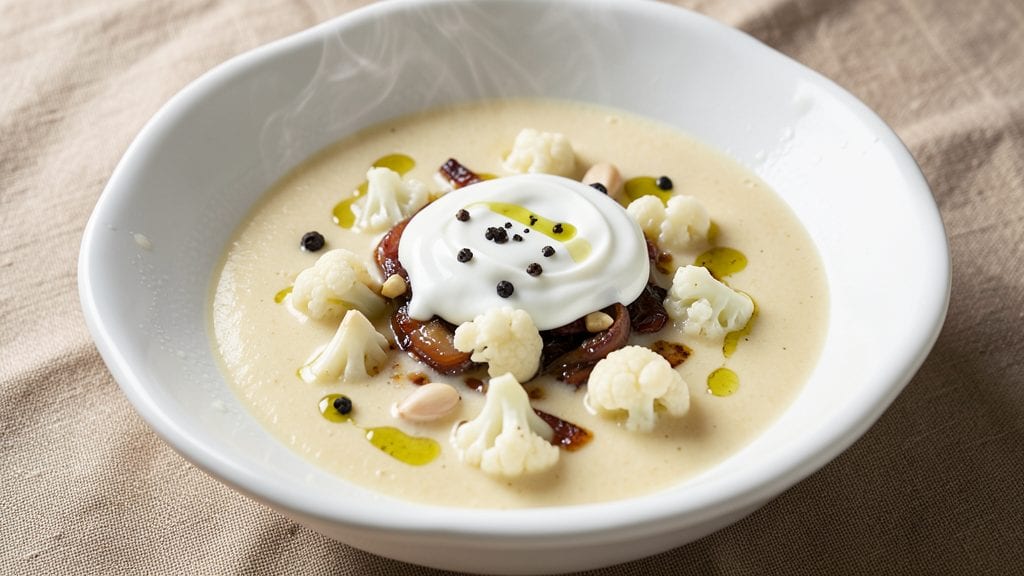
Upgrade your Campbell’s cream of cauliflower soup recipe into a lighter, restaurant-worthy version by swapping in fresh cauliflower for a brighter, cleaner taste. The secret lies in blending steamed florets with broth and a touch of cream, creating a velvety texture without the heaviness.
I developed this after craving a soup that felt indulgent yet balanced, and it never fails to impress.
This recipe delivers rich, creamy results using simple techniques: steaming cauliflower until tender, blending it with broth until silky, and finishing with just enough cream to achieve that signature smoothness. Unlike canned versions, this method avoids excess sodium and artificial flavors while keeping prep under 30 minutes.
The flavor profile is bright, with subtle notes of garlic and onion that elevate every spoonful.
What sets this apart is its adaptability—swap heavy cream for coconut milk or cashew cream for a vegan version, or add roasted garlic for deeper flavor. The soup is foolproof for weeknight dinners, yet elegant enough for gatherings.
Serve with crusty bread or a sprinkle of fresh herbs to complete the dish.
The key to success is patience during blending and adjusting the cream-to-broth ratio for your preferred thickness. This recipe proves homemade can be just as satisfying as the canned version, with none of the drawbacks. Let’s get cooking!
Ingredients for campbell's cream of cauliflower soup
Fresh cauliflower transforms this classic soup into a lighter, restaurant-quality version without sacrificing creaminess.
| Ingredient | Amount | Notes |
|---|---|---|
| Fresh Cauliflower Florets 🥬 | 4 cups | Cut into even-sized pieces |
| Low-Sodium Chicken Broth 💧 | 4 cups | Homemade or quality store-bought |
| Heavy Cream 🥛 | ½ cup | Full-fat for optimal richness |
| Yellow Onion 🧅 | 1 medium | Diced, about 1 cup |
| Garlic Cloves 🧄 | 3 cloves | Minced, fresh preferred |
| Extra-Virgin Olive Oil 🫒 | 2 tbsp | For sautéing aromatics |
| Diamond Crystal Kosher Salt 🧂 | ½ tsp | Adjust to taste |
| Freshly Ground Black Pepper 🌶️ | ¼ tsp | Freshly cracked |
| Fresh Thyme Leaves 🌿 | ¼ tsp | Dried works at 1/4 amount |
| Fresh Parsley 🌿 | ¼ cup | Chopped, for garnish |
| Unsalted Butter 🧈 | 1 tbsp | For finishing touch |
| Lemon Juice 🍋 | 1 tbsp | Freshly squeezed |
The cauliflower is the star here—opt for organic or fresh-cut florets from the produce section for maximum brightness. Whole Foods or local farmers' markets often carry the best quality, but any well-stocked grocery store's cauliflower works fine. Look for florets that are firm, compact, and a vibrant white or pale green color. Avoid any with yellowing or soft spots, as these indicate age. For the broth, low-sodium options like Pacific Foods or homemade versions are ideal to control the final sodium content. The heavy cream should be full-fat—Organic Valley or local dairy brands provide the best flavor, though any quality brand will suffice.
No heavy cream? Full-fat coconut milk or cashew cream delivers a similar richness, though the flavor profile will differ slightly. Fresh thyme is ideal, but dried thyme at one-quarter the amount works in a pinch. The lemon juice adds brightness—freshly squeezed is non-negotiable for the best results. For a deeper flavor, consider adding roasted garlic or a splash of white wine during the sautéing stage. The onion and garlic should be finely diced to ensure even distribution of flavor throughout the soup. If you prefer a smoother texture, strain the soup after blending, though this will remove some of the natural fiber and nutrients.
This soup reheats beautifully—simply warm on the stove over medium-low heat, stirring occasionally to prevent scorching. It keeps well in the refrigerator for 4-5 days, though the texture may slightly thicken upon reheating. For longer storage, freeze portions in airtight containers for up to 3 months. The parsley garnish should be added just before serving to maintain its vibrant color and fresh flavor. For meal prep, store the soup without the garnish and add it fresh when ready to serve. The butter finishing touch should be added just before serving to prevent the soup from curdling during storage.
Why You'll Love This Recipe
- No Chopping Chaos: I swear by this recipe because the onion and garlic get a quick sauté—no dice, no fuss—while the cauliflower florets just need a rough chop. That’s it. Honestly, I’ve made it after work when my hands were still sticky from the dog, and it still came out smooth and rich.
- Creamy Without the Guilt: The heavy cream gives it that velvety texture, but the low-sodium broth keeps it light enough for dinner or lunch. Between us, I’ve even convinced my health-conscious sister to eat seconds—it’s that good without feeling heavy.
- Leftover Goldmine: This soup actually improves the next day. The flavors meld perfectly, and it reheats like a dream. I keep a batch in the fridge for lazy mornings or when unexpected company drops by—no one ever suspects how little effort went into it.
- Budget-Friendly Luxury: Fresh cauliflower and onion are cheap staples, and a single can of broth stretches across multiple meals. I’ve fed four people for under $10, and they all think I slaved over it. (Spoiler: I didn’t.) The heavy cream’s the only splurge—and worth every penny.
Step-by-step instructions for creamy cauliflower soup
This method transforms simple ingredients into a velvety, balanced soup with depth of flavor and lightened richness.
Sauté Aromatics Until Fragrant
Heat the 2 tablespoons extra-virgin olive oil in a large pot over medium heat. Add the 1 medium yellow onion, diced, and cook for 5-6 minutes until softened and translucent. You'll notice the onions release moisture and begin to caramelize slightly at the edges.
Add the 3 cloves garlic, minced, and the 0.25 teaspoon fresh thyme leaves to the pot. Stir constantly for 30 seconds until the garlic becomes fragrant and just begins to turn golden. This quick cooking prevents the garlic from burning while maximizing its flavor. Remove the pot from heat temporarily to add the 0.5 teaspoon diamond crystal kosher salt and 0.25 teaspoon freshly ground black pepper, mixing well to distribute the seasoning evenly.
Simmer Cauliflower in Broth
Return the pot to medium heat and add the 4 cups low-sodium chicken broth and 4 cups fresh cauliflower florets. Bring the mixture to a gentle boil, then immediately reduce heat to medium-low and let it simmer uncovered for 15-18 minutes. The cauliflower should become tender enough to pierce easily with a fork, and the soup should develop a rich, golden color from the caramelized aromatics.
During this time, taste the broth to check seasoning. If needed, add a pinch more salt or pepper, but be mindful that the heavy cream and butter added later will contribute additional richness. Stir occasionally to prevent the cauliflower from sticking to the bottom of the pot.
Blend Until Silky Smooth
Using an immersion blender, carefully blend the soup directly in the pot until completely smooth. Work in batches if needed, ensuring all cauliflower pieces are fully incorporated. The result should be a velvety texture with no visible chunks. If you prefer a slightly textured soup, blend for 10-15 seconds instead of until fully smooth.
Return the pot to medium heat and stir in the 0.5 cup heavy cream and 1 tablespoon unsalted butter. The cream should warm gently and blend seamlessly into the soup. Simmer for 3-4 minutes to allow the flavors to meld together, but avoid boiling, as this can cause the cream to curdle. The soup should now have a luxurious, creamy consistency without being overly heavy.
Finish with Brightness and Garnish
Remove the pot from heat and stir in the 1 tablespoon lemon juice. This final step brightens the soup, cutting through the richness of the cream and adding a subtle tang that enhances the overall flavor profile. Taste and adjust the seasoning if necessary, adding a pinch more salt or pepper as needed.
Ladle the soup into bowls and garnish each serving with 0.25 cup fresh parsley, chopped. The parsley not only adds a pop of color but also introduces a fresh, herbal note that complements the creamy texture. Serve immediately while hot, as the flavors continue to develop and the cream maintains its velvety consistency.
Pro Tips For Making Campbell'S Cream Of Cauliflower Soup
- BLEND IN STAGES: Don’t dump everything into the blender at once—this soup gets gluey fast. Start with half the broth and cauliflower, blend until smooth, then add the rest. I learned this the hard way after wrestling with a motor that sounded like it was about to give up.
- SWEAT THE ONION: Low and slow is the only way here. Cook the onion over medium heat for 8-10 minutes until it’s soft and translucent, not browned. Rushed onions add a bitter edge that heavy cream can’t mask—trust me, you’ll taste it.
- SAVE THE STARCH: Strain the soup through a fine-mesh sieve before blending if you want silky texture. The cauliflower’s natural starch makes it thick, but skipping this step leaves behind gritty bits. It’s a 30-second task that makes a real difference.
- SALT THE BROTH FIRST: Low-sodium broth needs a boost, but add the salt before simmering—this lets the flavors meld. Taste it after 5 minutes of cooking; if it’s still bland, add a pinch more. Waiting until the end means you’ll overdo it.
Pro cooking tips for this recipe
Blending Perfection
An immersion blender is your best friend here—it keeps the process clean and avoids messy transfers. I use a Ninja QC1000 because it handles thick soups effortlessly, but any quality immersion blender will work.
For ultra-smooth results, blend in 20-second bursts while moving the blender in figure-8 motions to prevent overheating. If your blender struggles with the cauliflower's texture, strain the soup through a fine-mesh sieve afterward for a completely silky finish. 💫
Cream Control
The key to avoiding curdled cream lies in temperature management. Warm the heavy cream gently over low heat before adding it to the soup—never pour cold cream into hot liquid.
I like to temper it by whisking it into a small bowl of hot broth first, then incorporating it into the soup. For extra insurance, whisk vigorously for 30 seconds after adding the cream to distribute its fat evenly.
Broth Selection Matters
Store-bought low-sodium broths can vary wildly in flavor. I prefer Pacific Foods low-sodium chicken broth for its clean taste, but if you're using homemade, reduce the salt in your recipe by 25% since homemade broths tend to be saltier.
For deeper flavor, add 1 roasted garlic clove directly to the broth while simmering. Avoid instant bouillon powders—they often leave a chalky aftertaste that ruins the soup's delicate balance.
Texture Adjustments
Need it thicker? Simmer the blended soup uncovered for 5-7 minutes to reduce the liquid. For extra creaminess without dairy, blend in 2 tablespoons Greek yogurt or cashew cream at the end.
If you prefer texture, leave some cauliflower florets unblended—simmer them separately and add them back at serving time for a rustic touch. I often do this when serving to kids who prefer chunkier soups.
Lemon Brightness
Don't skip the lemon juice—it's what transforms good soup into great soup. I use freshly squeezed Eureka lemons for their intense flavor, but any fresh lemon works. For a subtler tang, reduce to ½ tablespoon and add a pinch of ground white pepper instead.
The acidity not only balances the cream but also helps prevent the soup from tasting flat after reheating. 🍋
Equipment Shortcuts
No immersion blender? Transfer the hot soup to a countertop blender in batches, but be cautious—hot liquids can cause pressure buildup. I use a Ninja BN601 and fill it no more than halfway. For extra insurance, cool the soup slightly first.
If you're short on time, a standard blender with a tamper works too, though it requires more attention to avoid splattering. The trade-off is worth it for that restaurant-quality smoothness.
Nutrition facts
Frequently asked questions
Can I make this soup without heavy cream?
For a lighter version, substitute with ½ cup full-fat coconut milk or ¼ cup cashew cream (blend soaked cashews with water). The texture will be slightly different but still creamy. For a vegan option, use ½ cup unsweetened almond milk plus 1 tablespoon nutritional yeast for depth. The soup will be less rich but still delicious.
How do I fix curdled cream in my soup?
If the cream separates, immediately remove from heat and whisk vigorously for 1-2 minutes to redistribute the fat. For stubborn curdling, stir in 1 tablespoon cold butter or 1 tablespoon cornstarch slurry (mix 1 tbsp cornstarch with 2 tbsp cold water) to help emulsify. If all else fails, add a splash of lemon juice to balance the flavors while you troubleshoot.
Can I use canned cauliflower instead of fresh?
While fresh cauliflower yields the best flavor, you can use 1 (14 oz) can of cauliflower florets, drained and rinsed, as a shortcut. Simmer for 5-7 minutes less to avoid mushiness. For extra brightness, add ½ teaspoon apple cider vinegar to the broth. The texture will be slightly softer, but it works in a pinch for quick meals.
Why does my homemade version taste different from Campbell's?
Campbell's uses artificial flavors, high-fructose corn syrup, and excess salt for consistency. Your homemade version will taste fresher with natural sweetness from cauliflower and depth from aromatics. The creaminess comes from blending fresh veggies, not powdered thickeners. Embrace the difference—homemade is brighter and more balanced!
How long can I store leftovers?
Store in an airtight container in the fridge for 4-5 days. For longer storage, freeze for up to 3 months. Reheat gently on the stove over low heat, stirring occasionally. Add a splash of water or broth if it thickens too much. The cream may separate slightly after freezing—just whisk vigorously to restore smoothness.