
Soups & Stews
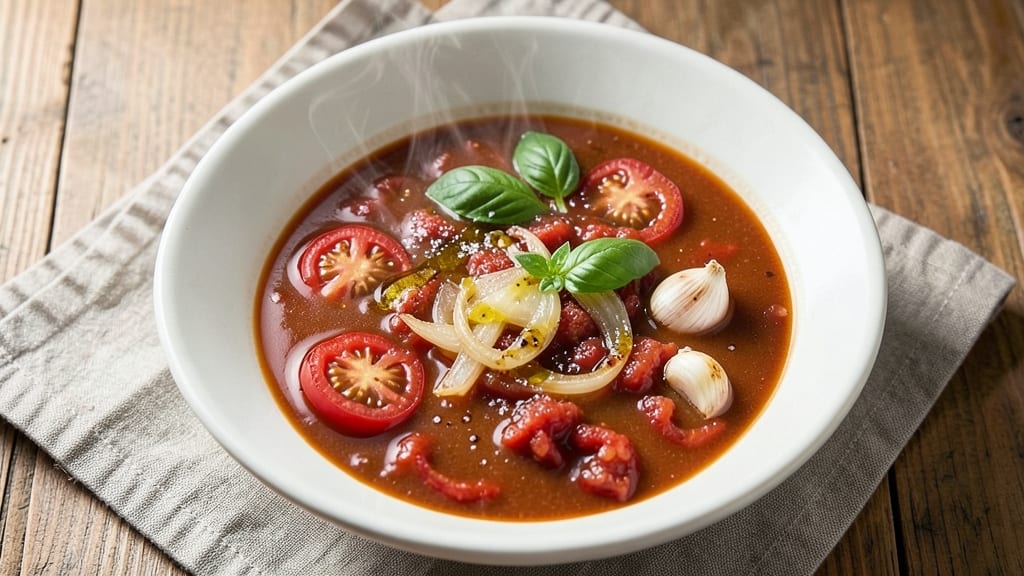
Transforming fresh tomatoes into a velvety tomato soup that rivals Campbell’s classic is easier than you think—this recipe captures bright garden flavor while avoiding the heavy aftertaste of canned versions.
The secret lies in a slow simmer that coaxes out natural sweetness without bitterness, and a touch of cream that adds richness without overpowering the tomatoes' freshness. I developed this after years of experimenting with summer harvests, and it’s become my go-to for cozy weeknight dinners.
What sets this recipe apart is the balance of acidity and sweetness, achieved through careful seasoning and a splash of vinegar to brighten the flavors. Unlike canned soups, fresh tomatoes create a lighter, more vibrant texture—almost silky—while still delivering that comforting depth.
The process is straightforward: sauté aromatics, simmer the tomatoes until tender, blend until smooth, and finish with cream for a luxurious touch.
By the time you’re done, you’ll have a soup that’s rich enough to stand alone but bright enough to pair with grilled cheese or crusty bread. The aroma alone will have everyone gathering around the table, and the taste—sweet, tangy, and perfectly balanced—will make you forget canned soup ever existed.
This is the kind of recipe that transforms simple ingredients into something extraordinary.
The beauty of this method is its flexibility—use heirloom tomatoes for deeper flavor or cherry tomatoes for a quicker version. Garnish with fresh basil or a drizzle of olive oil for extra freshness.
Ready in about 45 minutes, it’s the perfect way to use up a summer tomato haul or elevate a simple meal any time of year.
Ingredients for campbell's tomato soup recipe with fresh tomatoes
Fresh tomatoes, simple aromatics, and a touch of cream—no canned aftertaste here.
| Ingredient | Amount | Notes |
|---|---|---|
| Fresh Tomatoes 🍅 | 2 ½ lbs | Heirloom or vine-ripened preferred |
| Yellow Onion 🧅 | 1 whole | Medium size, diced |
| Garlic Cloves 🧄 | 4 cloves | Peeled, minced |
| Extra-Virgin Olive Oil 🫒 | ¼ cup | For sautéing aromatics |
| White Wine Vinegar 🍶 | 2 tbsp | Brightens tomato flavor |
| Granulated Sugar 🍯 | 1 tbsp | Balances acidity |
| Vegetable or Chicken Broth 💧 | 2 cups | Low-sodium preferred |
| Heavy Cream 🥛 | ½ cup | Full-fat for richness |
| Salt 🧂 | 1 tsp | Kosher or sea salt |
| Ground Black Pepper 🌶️ | ½ tsp | Freshly ground preferred |
| Fresh Basil Leaves 🌿 | ¼ cup | Chopped, for garnish |
| Parmesan Cheese 🧀 | ¼ cup | Freshly grated, for garnish |
Tomatoes are the star—heirloom varieties have the best flavor, but any ripe ones work. Hit the farmers market for the sweetest, or grab a pint of cherry tomatoes from Trader Joe's if you're short on time. The key is to use up to 2.5 pounds for that perfect balance of sweetness and acidity. If your tomatoes are watery, pat them dry before using. I always save a few to blend in later—they add body without overpowering. For extra depth, roast half of them at 400°F for 20 minutes before blending.
No white wine vinegar? Apple cider vinegar or lemon juice works just as well. Skip the sugar if your tomatoes are naturally sweet, but trust me—that 1 tablespoon makes a difference. The broth can be homemade or store-bought, but always opt for low-sodium to control the seasoning. Heavy cream is non-negotiable for that velvety texture, but if you're watching calories, half-and-half or coconut milk still works (though it won't be as rich). Fresh basil is ideal, but dried basil at half the amount is a solid backup. The Parmesan? Freshly grated from a block adds a salty crunch—pre-grated just won't cut it.
This soup tastes even better the next day—reheats beautifully in the microwave or on the stovetop. Keeps 4-5 days in the fridge, or freeze portions for up to 3 months. I always double the batch and portion it into mason jars for quick lunches. For serving, a drizzle of extra-virgin olive oil and extra Parmesan takes it to the next level. Leftovers? Perfect for grilled cheese sandwiches or as a base for a creamy pasta.
Why You'll Love This Recipe
- No-Chop Night Rescue: I swear by this when I’m too tired to dice onions properly—just toss whole tomatoes and onion chunks into the pot with Campbell’s, and they soften into oblivion. The vinegar and garlic do all the flavor work while I stir for two minutes.
- Sunshine in a Bowl: Fresh tomatoes turn this soup from ordinary to ridiculously good—that bright acidity cuts through the creaminess, and the olive oil finish makes it taste like summer. Honestly, it’s the only time I use vinegar in soup, but it’s become my signature move.
- Leftovers That Don’t Suck: This soup actually improves the next day—thicker, richer, and perfect for quick lunches. I freeze portions in jars because reheating it is faster than takeout, and it still tastes like I put in effort.
- Budget Brightener: Fresh tomatoes are cheaper than you think in season, and this recipe stretches them further than any fancy dish. Between us, I’ve made this for $3 a bowl and still had my neighbors asking for seconds.
Step-by-step instructions for fresh tomato soup with garden brightness
This method transforms your garden tomatoes into a velvety, vibrant soup with none of that canned aftertaste.
Roast the Tomatoes Until Deeply Caramelized
Preheat your oven to 425°F. Cut the 2.5 lbs fresh tomatoes in half and place them cut-side down on a rimmed baking sheet lined with parchment paper. Drizzle lightly with 0.1 cup of the extra-virgin olive oil and sprinkle with 0.5 tsp salt. Roast for 25-30 minutes until the skins are blistered and deeply caramelized—you'll see those beautiful charred spots where the flavors concentrate.
Here's the thing—roasting develops a depth of flavor that raw tomatoes just can't match. The high heat breaks down the tomato's natural sugars while concentrating their sweetness. If you're using heirloom tomatoes, this step is especially important as their thinner skins need that extra time to blister properly. Let the tomatoes cool slightly before handling—they'll be hot from the oven.
Build the Flavor Base with Aromatics
While the tomatoes roast, heat the remaining 0.15 cup extra-virgin olive oil in a large pot over medium heat. Add the 1 whole yellow onion, diced, and cook for 5-6 minutes until softened and just beginning to color. Add the 4 cloves garlic cloves, minced, and cook for another 30 seconds until fragrant—you should smell that sweet, pungent garlic aroma filling your kitchen.
This is where the magic happens. The onions should develop a light golden color but not brown—overcooking them turns bitter. If you notice the garlic starting to darken too quickly, reduce the heat slightly. The goal is to create a flavorful base that won't overpower the tomatoes' natural sweetness but will complement it beautifully.
Blend the Roasted Tomatoes into Silky Perfection
Once the tomatoes have cooled enough to handle, transfer them to a blender along with the 2 tbsp white wine vinegar and 1 tbsp granulated sugar. Blend until completely smooth—this might take a few pulses if your tomatoes have thick skins. Pour this tomato purée into the pot with the onions and garlic, stirring to combine.
I like to add the vinegar and sugar at this stage because they work together to brighten the tomatoes' natural acidity while balancing any bitterness from the roasting process. The sugar isn't about sweetness—it's about enhancing the tomatoes' inherent flavors. Bring the mixture to a gentle simmer over medium heat, then add the 2 cups vegetable or chicken broth. Let it simmer for 10 minutes to allow all the flavors to meld together.
Finish with Cream and Season to Taste
Reduce the heat to low and stir in the 0.5 cup heavy cream. Let it warm through for 2-3 minutes, stirring occasionally. The cream should heat gently but not curdle—you're looking for a silky texture, not scrambled eggs. Season with the remaining 0.5 tsp salt and 0.5 tsp ground black pepper, then taste and adjust if needed.
This is where the soup comes together. The cream adds richness without overpowering the tomato flavor, creating that perfect balance. If you find the soup too thick, you can thin it with a splash of broth. For an extra touch of freshness, stir in 0.1 cup of the chopped fresh basil leaves—just enough to brighten the flavor without making it taste like pesto.
Serve with Garden-Fresh Garnishes
Ladle the soup into bowls and top each serving with the remaining 0.15 cup chopped fresh basil leaves and 0.25 cup freshly grated parmesan cheese. The basil adds a fresh, herbal note that cuts through the richness, while the parmesan brings a salty, umami depth that ties everything together.
Serve immediately while warm—this soup tastes best fresh from the pot. The contrast between the creamy texture and the bright, garden-fresh flavors makes it a perfect match for crusty bread or a simple green salad. And don't worry if you have leftovers; this soup actually tastes even better the next day as the flavors continue to develop.
Pro Tips For Making Campbell'S Tomato Soup Recipe With Fresh Tomatoes
- Sweat, Don’t Sear: The onion and garlic should melt into the oil—not brown into bitterness. Keep the heat at a gentle simmer (medium-low) and stir occasionally. I learned this the hard way when my first batch tasted like a charred campfire instead of a creamy soup base.
- Core Those Tomatoes: Cutting out the cores and seeds from fresh tomatoes saves time and prevents a watery soup. A spoon works, but a small paring knife is faster—just be careful not to nick the flesh. Trust me, your future self will hate scooping out seeds mid-cook.
- Deglaze Aggressively: After cooking the aromatics, pour in that white wine vinegar immediately and scrape every last bit of fond from the pot. A wooden spoon works, but I’ve found a silicone spatula grabs the stuck-on bits better. This step makes the difference between "meh" and "rich, layered flavor."
- Blend in Batches: If your blender’s too small for the whole pot, divide the soup into two batches—but leave some unblended broth behind to thin the second round. I skipped this once and ended up with a gluey, overworked mess. A splash of the reserved liquid keeps it smooth without diluting the taste.
Dietary considerations for this dish
Gluten-Free Adaptations
This soup is naturally gluten-free, but always double-check your broth label—some brands contain hidden gluten. I use Imagine Foods gluten-free vegetable broth to ensure safety. The roasted tomatoes, cream, and aromatics provide all the depth without any gluten-containing ingredients.
For extra assurance, serve with gluten-free bread like Canyon Bakehouse or Schar brands. 🌾
Dairy-Free Options
Replace the heavy cream with full-fat coconut milk for a dairy-free version that still delivers richness. I recommend Thai Kitchen coconut milk for the best texture. The soup will be slightly lighter but still creamy.
For extra flavor, add 1 tsp nutritional yeast to mimic the umami depth of Parmesan. Garnish with dairy-free cheese like Miyoko's cashew-based option. 🥥
Vegan Version
Skip the cream entirely and use unsweetened almond milk or cashew cream (blend ½ cup soaked cashews with ½ cup water) for a vegan twist. Boost umami with 1 tbsp white miso paste or 1 tsp soy sauce when blending the tomatoes.
For a cheesy garnish, use vegan Parmesan like Follow Your Heart brand. The result is lighter but still packed with bright tomato flavor. 🌱
Low-Sodium Adjustments
Fresh tomatoes naturally contain very little sodium, so this recipe is already low-sodium when using low-sodium broth. If you need to reduce salt further, omit the added 1 tsp salt entirely and rely on black pepper and white wine vinegar for depth.
For extra flavor without salt, add ½ tsp smoked paprika or 1 tsp lemon zest when blending the tomatoes. 🧂
Keto-Friendly Modifications
This soup can fit into a keto diet with a few tweaks. Use 2 cups chicken broth instead of vegetable broth to reduce carbs, and omit the 1 tbsp granulated sugar entirely—your fresh tomatoes should be sweet enough.
For thickness, blend in ¼ cup cauliflower florets with the tomatoes. Top with crumbled bacon or avocado slices instead of bread. The result is a low-carb, high-flavor version that still satisfies. 🥑
Allergen-Friendly Notes
For nut allergies, stick with the original recipe—it contains no nuts. If you're avoiding dairy or eggs, use the dairy-free substitutions above. For soy allergies, avoid soy-based vegan cheeses and use miso made from barley instead.
Always check labels on broths and store-bought ingredients. This recipe is surprisingly versatile for common dietary restrictions! 💡
Nutrition facts
Frequently asked questions
Why roast the tomatoes instead of using them raw?
Roasting deepens the tomato flavor by caramelizing natural sugars and concentrating their sweetness. This step eliminates the need for added salt while creating that rich, complex taste you get from canned soups—but without the aftertaste. The charred skins also add a subtle smokiness that balances the acidity.
Can I substitute canned tomatoes for fresh?
While the recipe focuses on fresh tomatoes for their bright flavor, you can use 2 (28 oz) cans crushed tomatoes in a pinch. Skip the roasting step and add 1 tbsp tomato paste to the aromatics for depth. The texture will be slightly thicker, but it still delivers that comforting tomato flavor. For best results, use high-quality canned tomatoes like Muir Glen.
How do I fix a soup that's too acidic?
If your soup tastes too tangy, balance it by adding a pinch of sugar (½ tsp) or a splash of broth. For a deeper flavor without sweetness, stir in 1 tsp honey or maple syrup while warming. The cream will also help mellow the acidity—just stir it in gently to avoid curdling.
Is this soup kid-friendly?
Kids often love the creamy texture, but you can adjust it for picky eaters. For a milder version, reduce the garlic to 2 cloves and omit the vinegar. Serve with buttered noodles or toasted breadsticks on the side. The natural sweetness of fresh tomatoes makes it more appealing than canned versions too.
Can I make this soup in a slow cooker?
Yes! Sauté the onions and garlic as directed, then transfer everything to your slow cooker. Cook on low for 4-5 hours or high for 2-3 hours, stirring occasionally. The long cook time enhances the flavors, but you may need to add 1-2 tbsp cornstarch mixed with water to thicken it before adding the cream. The texture will be slightly different but still delicious.