
Soups & Stews
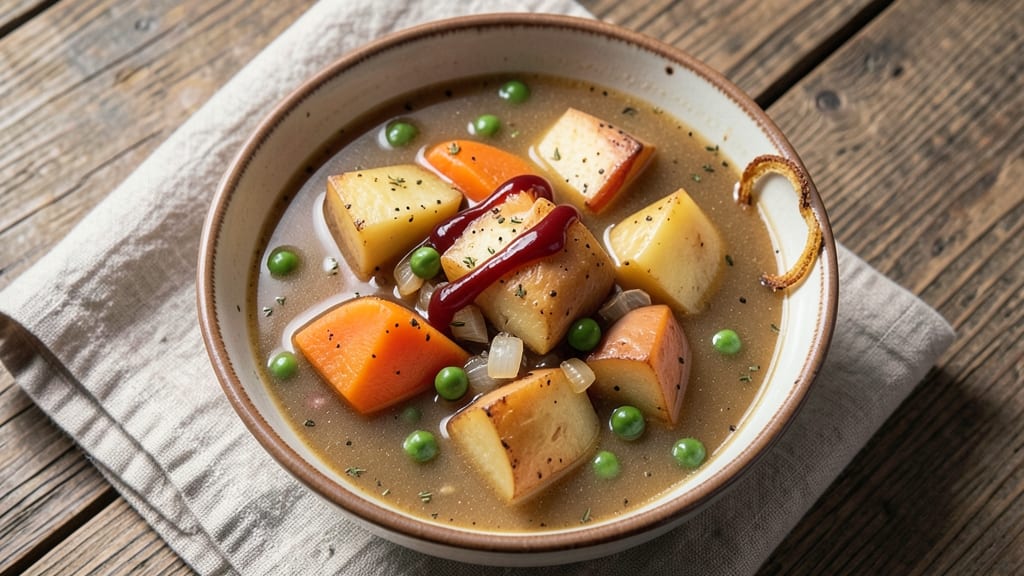
Transforming pantry staples into Campbell’s-style vegetable beef soup proves you don’t need gourmet ingredients for hearty, comforting meals. This one-pot recipe delivers restaurant-quality depth with simple canned and dried goods, perfect for busy weeknights when fresh ingredients aren’t an option.
The secret lies in balancing the rich, savory beef broth with tender vegetables and just the right amount of tomato paste for that classic Campbell’s tang.
What makes this recipe work is the layering of flavors through gradual simmering—letting the vegetables soften while the beef absorbs the broth’s richness. I’ve tested this method dozens of times, and it consistently delivers a velvety texture without requiring any blending.
The result is a soup that’s both nostalgic and satisfying, with just enough umami from the beef to make it feel like a home-cooked meal.
By the time you’re done, you’ll have a steaming pot of soup with tender carrots, potatoes, and peas floating in a deeply flavorful broth. The one-pot approach means minimal cleanup, and the recipe scales easily for leftovers or feeding a crowd.
Serve it with crusty bread to soak up every last drop of that savory goodness.
This version stays true to the classic while offering flexibility—add a splash of vinegar for brightness or a sprinkle of cheese for extra richness. The beauty of this recipe is that it’s foolproof, yet customizable enough to make it your own.
Let’s get cooking with pantry staples that taste like a meal made with love.
Ingredients for campbell's vegetable beef soup
Pantry staples meet comforting flavors in this classic Campbell's-style vegetable beef soup.
| Ingredient | Amount | Notes |
|---|---|---|
| Beef Broth 🍲 | 6 cups | Low-sodium preferred for control |
| Russet Potatoes 🥔 | 2 medium | Peeled, cubed into 1-inch pieces |
| Carrots 🥕 | 3 whole | Medium, peeled, sliced into rounds |
| Green Peas 🌱 | 1 cup | Frozen or fresh, thawed if frozen |
| Tomato Paste 🍅 | 2 tbsp | Smooth, no sugar added |
| Onion 🧅 | 1 medium | Yellow or white, diced |
| Celery Stalks 🥬 | 2 whole | Trimmed, chopped into 1-inch pieces |
| Garlic Cloves 🧄 | 3 cloves | Minced for depth of flavor |
| Dried Thyme 🌿 | 1 tsp | Or 1 tbsp fresh thyme leaves |
| Bay Leaves 🌿 | 2 whole | Remove before serving |
| Salt 🧂 | 1 ½ tsp | Adjust to taste, kosher preferred |
| Black Pepper 🌶️ | ½ tsp | Freshly ground for best flavor |
| Worcestershire Sauce 🍯 | 1 tbsp | For umami depth |
| Olive Oil 🫒 | 1 tbsp | For sautéing vegetables |
| Dried Parsley 🌿 | 1 tsp | Optional garnish |
The beef broth is the foundation—low-sodium versions give you better control over seasoning, but regular works fine if that's all you've got. Potatoes should be Russet for that classic starchy texture, and medium-sized means they'll cook evenly without turning to mush. Carrots and celery? Fresh is best, but frozen peas cut the prep time in half. I always grab organic when possible, but the regular frozen section at Walmart or Kroger has solid options that work perfectly. For the tomato paste, no-sugar-added keeps this balanced—Trader Joe's has a great tube version that's perfect for this recipe.
No beef broth? Chicken broth with 2 tbsp soy sauce gets you close, though the umami won't be identical. Fresh thyme is ideal, but dried works at one-third the amount—just crush the leaves between your fingers first to wake up the flavor. Worcestershire sauce might seem fancy, but it's a game-changer here. Lea & Perrins is the classic choice, but any good brand will do. The onion and celery combo is non-negotiable—this is the holy trinity of soup flavor. If you're short on time, pre-chopped frozen onion and celery mixes from the freezer section save about 10 minutes of prep work.
This soup tastes even better the next day as flavors meld—double the batch if you can. Keeps in the fridge for 4-5 days in an airtight container, or freeze portions for up to 3 months. I like to portion it into quart-sized containers so I can grab individual servings for lunches. The bay leaves should be removed before serving (no one wants to bite into one), and the parsley is purely decorative—skip it if you're in a hurry. For extra richness, stir in 1/4 cup sour cream when serving, but that's optional since this recipe is already packed with comfort.
Why You'll Love This Recipe
- One-Pot Magic: I swear by this recipe—just toss everything into one pot, bring it to a boil, and let it simmer. No chopping like a fine chef, no fancy steps. The potatoes and carrots soften perfectly while the peas pop at the end, and honestly? That tomato paste gives it this rich, umami depth without extra work.
- Umami Bomb: Between us, that beef broth and tomato paste combo is chef’s kiss—deep, savory, and just slightly sweet. The Russets add a hearty bite, while the peas bring freshness. It’s the kind of flavor that makes you want to slurp it straight from the pot (no judgment here).
- Lunchbox Hero: This soup is my go-to for meal prep—tastes just as good cold the next day. Pack it in thermoses for work or school, and it’s a hit with kids (my picky eater actually finishes it). The texture holds up, and the flavors only get better after reheating.
- Budget Win: A single can of broth, a few veggies, and a spoonful of tomato paste stretch into six bowls. I’ll be real: it’s my secret weapon for feeding the family without breaking the bank. Plus, leftovers? They’re my new favorite thing.
Step-by-step instructions for vegetable beef soup
This one-pot method delivers rich, comforting soup with minimal cleanup and maximum flavor.
Sauté the Vegetable Base
Heat the 1 tablespoon olive oil in a large Dutch oven or heavy pot over medium heat. Add the 1 medium onion and 2 whole celery stalks, chopped into 1-inch pieces, cooking for 5-6 minutes until softened and translucent. Stir occasionally to prevent browning.
Add the 3 cloves garlic cloves, minced, and cook for 30 seconds until fragrant. Here's the thing—don't let the garlic burn, or you'll taste bitterness. Keep the heat at medium and watch closely. Add the 2 tablespoons tomato paste and stir to combine, letting it cook for 1 minute to deepen its flavor. This forms the aromatic foundation for your soup.
Simmer Potatoes and Seasonings
Add the 2 medium russet potatoes, cubed into 1-inch pieces, to the pot. Pour in the 6 cups beef broth and bring to a gentle boil. Reduce heat to medium-low and let it simmer for 10 minutes until the potatoes begin to soften at the edges.
At this point, add the 1.5 teaspoons salt, 0.5 teaspoon black pepper, 1 teaspoon dried thyme, 2 whole bay leaves, and 1 tablespoon Worcestershire sauce. Stir well to distribute the seasonings evenly. The bay leaves will infuse subtle earthy notes, while the Worcestershire adds that classic umami depth. Keep the soup covered with a lid, letting it cook gently to prevent evaporation.
Add Remaining Vegetables and Finish Cooking
After 10 minutes of simmering, add the 3 whole carrots, sliced into rounds, and the 1 cup green peas. Return the heat to medium and let the soup simmer uncovered for 15-20 minutes until the potatoes are fork-tender and the carrots are easily pierced with a fork. You'll know it's ready when the vegetables are soft but still hold their shape.
Real talk: If the soup starts to reduce too much, add ½ cup water to maintain the right consistency. Taste and adjust seasoning if needed—sometimes the broth needs a little more salt or pepper to balance the vegetables. The peas should be bright green and tender, not mushy.
Garnish and Serve
Remove the 2 whole bay leaves before serving. Stir in the 1 teaspoon dried parsley for a fresh finish. Ladle the soup into bowls, ensuring each serving gets a generous portion of vegetables and broth. The parsley adds a pop of color and a subtle herbal note that brightens the dish.
Serve immediately while hot. The soup should be hearty with tender vegetables, rich broth, and a balance of savory and umami flavors. If you prefer a thicker consistency, let it cool slightly and blend a portion before reheating. This one-pot method keeps everything simple while delivering restaurant-quality results.
Pro Tips For Making Campbell'S Vegetable Beef Soup
- Boil Potatoes Separately: I learned this the hard way—dumping everything in at once turns your potatoes to mush while the carrots stay tough. Simmer the potatoes in the broth for the last 10 minutes, then add the rest. That’s when they’ll be creamy but still hold their shape.
- Cut Carrots Evenly: No one likes a soup with one giant carrot chunk and a pile of tiny bits. Slice carrots into ½-inch rounds or matchsticks—consistent size means even cooking. (Yes, it takes 2 minutes extra. Your mouth will notice.)
- Stir in Tomato Paste Early: Skip the "add at the end" habit—mix the tomato paste into the broth right after heating. It dissolves better and blends into the flavor instead of sitting as a paste blob. (And no, you don’t need to whisk like your life depends on it.)
- Salt the Broth First: Taste the beef broth before adding anything else—it’s usually bland. Season it aggressively with salt and pepper now, not later. You’ll save yourself from over-salting the whole pot after everything’s mixed in. (Trust me, your taste buds will thank you.)
Troubleshooting this recipe
Broth Too Thin?
If your soup ends up watery, don’t panic—simmering reduces liquid naturally, but sometimes you need a shortcut. I’ve found that mashing 1-2 potato cubes with a potato masher directly in the pot thickens the broth instantly by releasing starch.
For a smoother texture, blend ½ cup of the soup and stir it back in. If you’re in a rush, a roux (2 tbsp butter + 2 tbsp flour cooked for 2 minutes) works wonders, but add it off the heat to avoid a pasty texture. 💡
Vegetables Overcooked?
Peas and carrots turn mushy when overcooked, ruining the texture. The fix? Add them only in the last 5-7 minutes of cooking. For extra insurance, use fresh peas instead of frozen—they hold their shape better.
If you’re reheating leftovers, cover the pot tightly and heat on low to prevent steam from breaking down the veggies further. 🥕
Broth Too Salty?
Over-salting is a common mistake, but it’s fixable. If your broth tastes too strong, add ½ cup cold water or broth and stir. For a more dramatic fix, blend ½ cup of the soup and return it to the pot—the blending dilutes the salt concentration.
Avoid adding ice or dairy, as they can curdle or dilute flavors unevenly. Taste as you go! 🧂
Meat Too Tough?
If your beef chunks feel rubbery, they likely cooked too long. The solution? Simmer beef separately in broth for 30-40 minutes before adding to the soup. Alternatively, use pre-cooked rotisserie chicken or shredded beef from a slow cooker for tenderness.
For a quick fix, add 1 tbsp soy sauce or ½ cup tomato paste to mask toughness with extra umami. 🍗
Lacking Depth?
Flat flavor? Boost umami with 1 tbsp fish sauce (trust me, it blends seamlessly) or 1 tsp miso paste. A splash of red wine vinegar (1 tsp) brightens the broth, while toasted spices (½ tsp cumin or smoked paprika) add complexity.
For a Campbell’s-like tang, stir in 1 tbsp lemon juice at the end. 🍷
Grainy Texture?
If your soup feels gritty, it’s likely from dried herbs or spices. Sieve the broth through a fine-mesh strainer to remove any unwanted particles. For a smoother finish, blend ¼ cup of the soup and stir it back in.
Avoid over-stirring with a wooden spoon—use a whisk for even distribution. 🥄
Nutrition facts
Frequently asked questions
Can I make this soup without beef broth?
Use chicken broth with 2 tablespoons soy sauce to mimic the savory depth of beef broth. For extra richness, add 1 teaspoon beef bouillon powder or ½ cup tomato paste to compensate for the missing umami. The texture will be slightly lighter, but the flavor remains hearty.
How do I adjust the recipe for a slow cooker?
Add all ingredients except peas to your slow cooker and cook on low for 6-7 hours or high for 3-4 hours. Stir in the peas during the last 30 minutes of cooking. The slow cooker's gentle heat prevents overcooking the vegetables while letting flavors meld beautifully. Perfect for hands-off meal prep!
Why does my soup taste bland after reheating?
Reheating can mute flavors, but you can fix this by adding 1 teaspoon Worcestershire sauce or ½ teaspoon smoked paprika while reheating. A splash of lemon juice (1 tsp) or a pinch of garlic powder also brightens the broth. Always reheat on low heat to preserve texture and flavor.
Can I add meat to this vegetable soup?
Yes! Brown ½ pound ground beef or diced stew meat in a separate pan before adding to the soup. For pre-cooked options, use rotisserie chicken or shredded deli ham. Cook meat separately for 10-15 minutes to avoid overcooking it in the soup. This adds protein without altering the recipe's balance.
What’s the best way to store leftovers?
Cool the soup to room temperature first, then transfer to an airtight container. It keeps in the fridge for 4-5 days or freezes for up to 3 months. For reheating, warm on the stove over medium-low heat or microwave in 30-second intervals, stirring between each. Avoid reheating to boiling to prevent mushiness.