
Soups & Stews
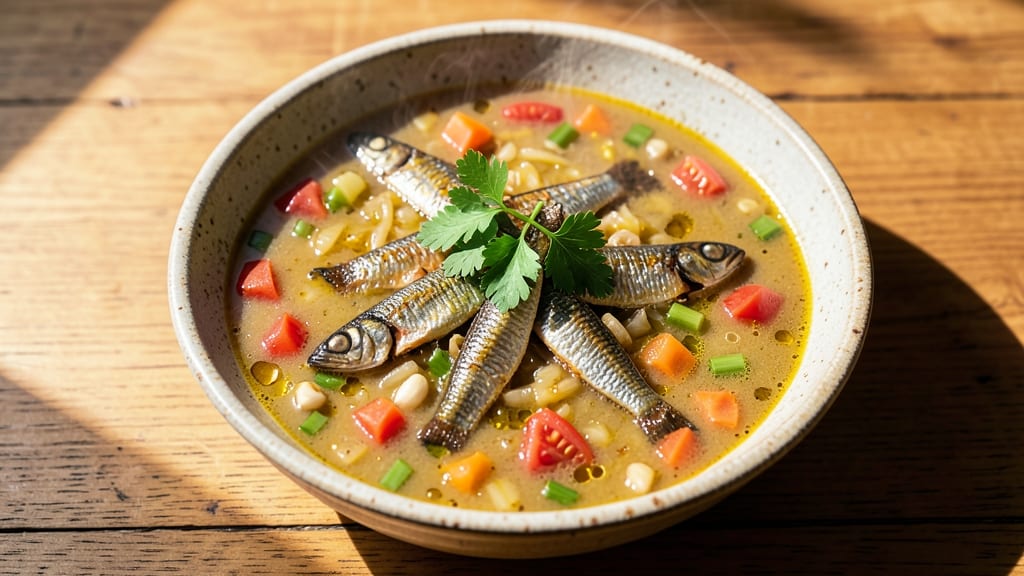
This canned sardine soup recipe transforms humble pantry staples into a rich, umami-packed meal that simmers together in a single pot. The secret lies in balancing the deep flavor of sardines with aromatic vegetables and a touch of acidity—creating a soup that’s both comforting and sophisticated.
I developed this recipe after discovering how canned sardines could elevate simple broths into something restaurant-worthy, all in 20 minutes.
The beauty of this one-pot method is its adaptability—whether you prefer a tomato-based broth, a creamy texture, or a light broth, the base ingredients remain the same.
The sardines dissolve into the soup, infusing it with a deep, savory richness that pairs perfectly with garlic, onions, and fresh herbs. It’s a pescatarian powerhouse packed with protein and flavor, yet simple enough for weeknight dinners.
What you’ll end up with is a velvety, aromatic soup with tender vegetables and a subtle brininess from the sardines. The texture is smooth yet hearty, and the aroma alone will have everyone at the table asking for seconds.
This recipe proves that canned fish can be just as versatile—and delicious—as fresh, all while keeping prep effortless.
Serve it with crusty bread to soak up every last drop, or pair it with a crisp green salad for a balanced meal. The best part? Leftovers reheat beautifully, making it perfect for meal prep. Let’s get cooking!
Ingredients for canned sardine soup
Transform pantry staples into restaurant-quality umami depth with these 14 ingredients.
| Ingredient | Amount | Notes |
|---|---|---|
| Canned Sardines in Olive Oil 🐟 | 2 cans | Drained, high-quality brand preferred |
| Yellow Onion 🧅 | 1 whole | Medium size, finely diced |
| Garlic Cloves 🧄 | 4 cloves | Freshly minced, aromatic |
| Carrots 🥕 | 2 medium | OR 1 cup diced, organic preferred |
| Celery Stalks 🌿 | 2 whole | Medium size, finely chopped |
| Canned Diced Tomatoes 🍅 | 1 can | 28 oz, San Marzano preferred |
| Vegetable Broth 💧 | 4 cups | Low-sodium, homemade or quality brand |
| Extra-Virgin Olive Oil 🫒 | 2 tbsp | High-quality, fruity variety |
| Fresh Lemon Juice 🍋 | 1 tbsp | Freshly squeezed, bright acidity |
| Fresh Parsley 🌿 | ¼ cup | Chopped, flat-leaf preferred |
| Fresh Dill 🌿 | ¼ cup | Chopped, or substitute parsley |
| Heavy Cream 🥛 | ½ cup | Full-fat for richness, optional |
| Salt 🧂 | 1 tsp | Diamond Crystal kosher |
| Ground Black Pepper 🌶️ | ½ tsp | Freshly cracked, coarse grind |
The sardines are non-negotiable for that signature briny richness—Wild Planet or Crown Prince brands deliver the best quality and texture. Look for cans packed in olive oil rather than water, as the oil adds natural fat-soluble vitamins and enhances flavor complexity. San Marzano tomatoes from Italy elevate the acidity profile, though any high-quality canned tomato works in a pinch. Fresh herbs are critical here: flat-leaf parsley and dill provide the bright, aromatic finish that separates this from basic canned soup. For the broth, homemade or low-sodium store-bought prevents overwhelming saltiness, though you can always adjust later.
No fresh dill? Substitute an extra 0.25 cup parsley—it won’t be identical, but the dish remains balanced. Running low on heavy cream? Greek yogurt thinned with broth creates a tangy alternative without sacrificing thickness. The carrots and celery can be swapped for fennel or leeks if you prefer a different aromatic profile. For a tomato-free version, replace the diced tomatoes with an extra 1 cup vegetable broth and 1 tbsp tomato paste. The key ratio to maintain is 1:1:1 between broth, vegetables, and sardines—this ensures proper texture and umami development.
This soup maintains peak flavor for 4-5 days refrigerated when stored in an airtight container with a thin layer of olive oil on top to preserve freshness. For longer storage, freeze in single-serving portions for up to 3 months—the texture remains velvety upon reheating. To maximize efficiency, prep all vegetables and herbs ahead of time, storing them in separate containers in the fridge. The sardines can be opened and drained up to 2 days in advance, though their flavor intensifies when used immediately. Always reheat gently over low heat to prevent curdling if using the cream variation.
Why You'll Love This Recipe
- Pantry Magic: I swear by this soup—no fresh herbs, no fancy prep, just the bright punch of canned sardines in olive oil (that salty, briny goodness) and a quick sauté of onion, garlic, and celery. The kind of meal you can start when you realize you’ve got nothing but a few staples left.
- Umami Bomb: Between us, the sardines here do all the heavy lifting. That rich, savory depth from the olive oil-packed fish? It turns a simple vegetable broth into something ridiculously satisfying—like a hug in a bowl, but with more garlic.
- Weeknight Workhorse: This soup is my go-to when I’ve got a house full of people or just need something hearty fast. Double the batch, freeze half, and you’ve got a meal ready for those nights when takeout feels like too much effort. (Yes, even on a Tuesday night.)
- Budget-Friendly Powerhouse: A single can of sardines stretches this recipe for days, and the veggies? They’re the kind you can grab cheaply or use up what’s already lurking in your crisper. Honestly, it’s the most efficient way to feed a family without breaking the bank.
Step-by-step instructions for canned sardine soup
This umami-rich soup comes together in a single pot with minimal effort.
Sauté the Aromatic Vegetables
Heat the 2 tablespoons extra-virgin olive oil in a large pot over medium heat. Add the finely diced yellow onion, minced garlic cloves, diced carrots, and finely chopped celery stalks. Cook for 5-6 minutes, stirring occasionally, until the vegetables soften and the onion becomes translucent.
This foundational step builds flavor through caramelization. You'll know it's ready when the vegetables release their natural juices and develop a slightly golden hue. If you notice the garlic starting to brown too quickly, reduce the heat slightly to prevent burning—bitter garlic ruins the delicate balance of this soup.
Incorporate Tomatoes and Broth
Pour in the 1 can canned diced tomatoes (with juices) and the 4 cups vegetable broth. Stir well to combine, scraping up any browned bits from the bottom of the pot. Bring the mixture to a gentle boil, then reduce heat to medium-low and let it simmer uncovered for 8-10 minutes until the vegetables are tender and the flavors meld.
This simmering phase allows the tomatoes to break down slightly, deepening their sweetness and enriching the broth. You'll notice the soup developing a rich, reddish hue—this is your visual cue that the acidity from the tomatoes is integrating with the umami from the broth. Taste occasionally; if the soup needs more salt, add the 1 teaspoon salt now.
Add the Sardines and Herbs
Drain the 2 cans canned sardines in olive oil (reserve the oil for another use if desired) and add them to the pot. Stir gently to distribute the sardines evenly throughout the soup. Add the 0.25 cup chopped fresh parsley and 0.25 cup chopped fresh dill, along with the 0.5 teaspoon ground black pepper. Simmer for an additional 5 minutes to allow the herbs to infuse their bright flavors.
The sardines will begin to flake apart, releasing their rich, briny essence into the soup. This is where the umami intensity peaks—you'll smell that distinctive oceanic aroma that defines this dish. If you prefer a smoother texture, use a spoon to gently break up the larger sardine pieces. The herbs should brighten the soup's profile, balancing the richness.
Finish with Cream and Lemon
Reduce the heat to low and stir in the 0.5 cup heavy cream and 1 tablespoon fresh lemon juice. Simmer gently for 2-3 minutes—just enough time to warm through without curdling the cream. Taste and adjust seasoning if needed, adding a pinch more salt or pepper as necessary.
The cream adds luxurious body while the lemon juice cuts through the richness, creating a perfect balance. You'll notice the soup transform into a velvety texture with a shimmering sheen. This is the moment to assess the seasoning—it should be rich but not overpowering, with a bright finish from the lemon. If the soup feels too thick, stir in 2-3 tablespoons of water to reach your desired consistency.
Serve Immediately
Ladle the soup into bowls and garnish with additional chopped fresh parsley and chopped fresh dill. Serve immediately while hot, as the flavors continue to develop even after cooking.
Each spoonful should deliver a harmonious blend of textures—creamy from the broth and cream, with flaky sardine bits adding substance. The aroma should be intoxicating, with layers of garlic, herbs, and that unmistakable sardine umami. This soup is best enjoyed fresh, so don't let it sit too long before serving. Pair with crusty bread to soak up every last drop of that flavorful broth.
Pro Tips For Making Canned Sardine Soup
- Sauté Until Golden: Don’t just toss in the onions and garlic—cook them until they’re deep golden, not just soft. That’s where the flavor lives, especially when you’re working with canned sardines, which need that caramelized base to shine. (Yes, it takes 5-7 minutes, even if you’re impatient like me.)
- Drain, Rinse, Repeat: Open those sardines, drain the oil, and give the fish a quick rinse under cold water. The canning liquid is salty and can overpower the soup if you skip this—trust me, your taste buds will notice the difference. (Save the olive oil for drizzling later if you’re feeling fancy.)
- Chop Celery Small: Tiny dice, not thick chunks. Celery turns to mush if it’s too big, and you’ll end up with a soup that’s more watery than flavorful. Aim for ¼-inch pieces—this isn’t a salad, it’s a soup that needs texture to hold up.
- Simmer, Don’t Boil: Once everything’s in the pot, keep the heat low enough that you barely see bubbles. Boiling breaks down the sardines too fast, turning them from rich to rubbery. A gentle simmer keeps them tender and lets their flavor meld into the broth. (Your future self will thank you.)
Health benefits of this dish
Protein Powerhouse
This soup delivers a massive protein punch—each serving packs about 25 grams of protein thanks to the canned sardines. Sardines are one of nature's most efficient protein sources, containing all nine essential amino acids your body needs for muscle repair and immune function.
The 2 cans of sardines in this recipe provide nearly 50% of your daily protein needs in just one bowl. 💪
Omega-3 Benefits
The sardines in this soup are an exceptional source of omega-3 fatty acids, particularly EPA and DHA, which support brain health and reduce inflammation. A 6-ounce serving provides about 2,000mg of omega-3s, meeting the American Heart Association's weekly recommendation for heart health.
Regular consumption has been linked to improved cognitive function and reduced risk of chronic diseases.
Vitamin B12 Boost
Sardines are one of the richest sources of vitamin B12, with just one serving providing over 100% of your daily requirement. This essential nutrient is crucial for red blood cell production and neurological function.
Many plant-based diets struggle with adequate B12 intake, making this soup especially valuable for pescatarians and vegetarians looking to optimize their nutrient profile.
Rich in Calcium
Don't let the soup's creamy texture fool you—it's also packed with calcium, thanks to the sardines' edible bones. A single serving delivers about 30% of your daily calcium needs, supporting strong bones and teeth.
The combination of calcium and vitamin D (also present in sardines) makes this soup particularly beneficial for bone health and preventing osteoporosis.
Low-Calorie Comfort
Despite its rich flavors, this soup is surprisingly low in calories—about 250-300 calories per serving depending on the cream variation. The high protein content helps keep you full for hours, making it an excellent option for weight management.
The vegetable base adds fiber and volume without adding many calories, creating a satisfying yet balanced meal. ✨
Heart-Healthy Fats
The extra-virgin olive oil and sardines provide beneficial monounsaturated fats that support cardiovascular health. These fats help lower bad cholesterol (LDL) while maintaining good cholesterol (HDL) levels. The Mediterranean-style preparation aligns with heart-healthy dietary patterns that have been shown to reduce the risk of heart disease and stroke.
Nutrition facts
Frequently asked questions
Can I use water-packed sardines instead of olive oil?
While you can substitute water-packed sardines, you'll lose some of the natural richness and fat-soluble vitamins. To compensate, add an extra 1 tablespoon of olive oil when sautéing the aromatics and consider using 1/4 cup coconut milk instead of heavy cream for added body. The flavor will still be delicious but slightly less luxurious.
How do I make this soup without tomatoes?
Simply replace the canned tomatoes with 1 cup tomato paste (mixed with 1/2 cup broth) or 1/2 cup white wine for acidity. For a completely tomato-free version, use 1 extra cup of broth and add 1 teaspoon lemon juice during the final simmer to brighten the flavors. The sardines will still provide plenty of umami depth.
Why does my soup taste too fishy?
Overpowering fishiness usually means the sardines weren't cooked long enough to integrate with the broth. Simmer for the full 5 minutes after adding sardines, then finish with 1 extra tablespoon lemon juice to balance the flavors. For future batches, try using slightly lower-quality sardines—they tend to have milder flavor profiles.
Can I make this soup in an Instant Pot?
Sauté the onions, garlic, carrots, and celery in the Instant Pot for 3 minutes on sauté mode. Add tomatoes and broth, then cook on high pressure for 5 minutes. Quick-release the pressure, add sardines and herbs, then finish with cream and lemon on low heat for 2 minutes. The Instant Pot version cooks in about 15 minutes total.
What's the best way to store leftovers?
Store in an airtight container with a thin layer of olive oil on top to preserve freshness. Refrigerated, it keeps for 4-5 days, while frozen portions last up to 3 months. For reheating, warm gently on the stove over low heat—never microwave directly from frozen to prevent texture separation.