
Soups & Stews
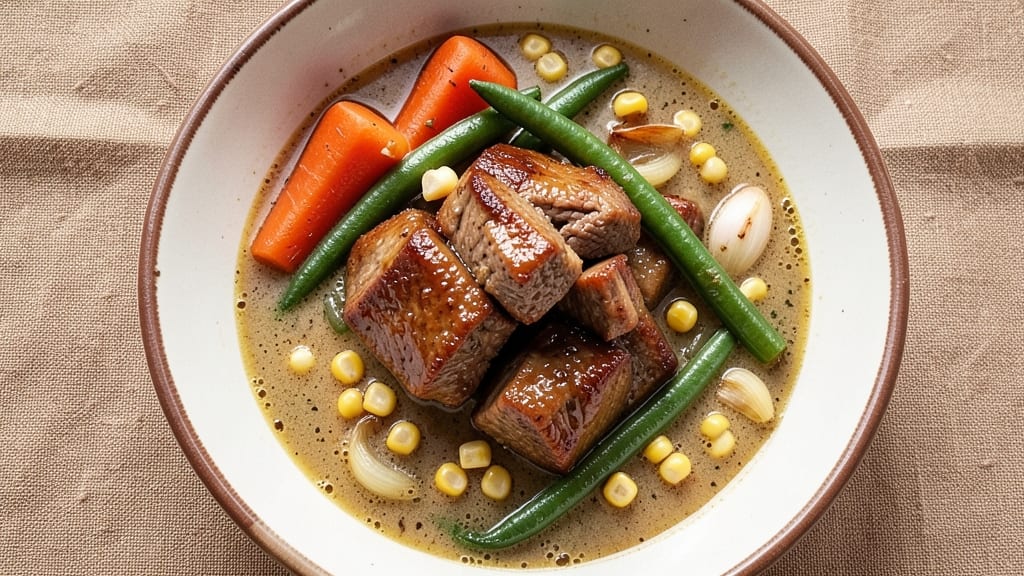
This canned vegetable beef soup recipe transforms pantry staples into a hearty, umami-rich meal that requires just 30 minutes of active time.
The beauty lies in its simplicity—no fancy ingredients, no complicated techniques, just a perfectly balanced blend of tender beef, canned vegetables, and aromatic broth that delivers restaurant-quality flavor without the fuss.
I developed this recipe during a particularly busy week when fresh ingredients were scarce, and it quickly became a go-to for quick, satisfying dinners.
The key to this soup lies in the sautéed beef, which forms a flavorful base that infuses the broth with deep, savory notes. Using stew meat ensures tender results, while canned vegetables like carrots, corn, and green beans add natural sweetness and texture without requiring prep.
A splash of Worcestershire sauce and a sprinkle of thyme elevate the broth to a rich, complex depth that makes every spoonful irresistible.
By the time you finish, you'll have a steaming bowl of soup with tender beef chunks, vibrant vegetables, and a broth so flavorful it feels like it simmered all day. The best part?
It's ready in less time than it takes to order takeout, yet tastes like a homemade masterpiece. This recipe proves that pantry-perfect meals can be just as satisfying—and far more economical—than fresh alternatives.
Serve with crusty bread or crackers to soak up every last drop of that umami-packed broth, and don’t forget a sprinkle of fresh parsley for brightness. Whether you're feeding a family or meal prepping for the week, this soup delivers consistent, comforting results every time. Let’s get cooking!
Ingredients for canned vegetable beef soup
Pantry staples meet restaurant-quality flavor in this hearty beef soup—no fresh ingredients required!
| Ingredient | Amount | Notes |
|---|---|---|
| Beef Stew Meat 🥩 | 1 ½ lb | Cut into 1-inch cubes |
| Yellow Onion 🧅 | 1 whole | Diced, medium size |
| Garlic Cloves 🧄 | 4 cloves | Minced, fresh preferred |
| Carrots 🥕 | 2 cups | Canned, drained, or fresh chopped |
| Corn Kernels 🌽 | 1 cup | Canned, drained, or frozen thawed |
| Green Beans 🌱 | 1 cup | Canned, drained, or fresh trimmed |
| Beef Broth 💧 | 4 cups | Low-sodium preferred |
| Tomato Paste 🍅 | 2 tbsp | Squeeze tube or canned |
| Worcestershire Sauce 🍶 | 1 tbsp | For umami depth |
| Dried Thyme 🌿 | 1 tsp | Fresh works too, chopped |
| Bay Leaves 🌿 | 2 whole | Remove before serving |
| Salt 🧂 | 1 tsp | Adjust to taste |
| Black Pepper 🌶️ | ½ tsp | Freshly ground preferred |
| Extra-Virgin Olive Oil 🫒 | 2 tbsp | For sautéing beef |
| Fresh Parsley 🌿 | ¼ cup | Chopped, for garnish |
The beef is where the magic happens—stew meat (not ground) gives you that tender, melt-in-your-mouth texture. Grab pre-cubed stew meat from the grocery store’s meat counter to save time, or buy a whole chuck roast and cube it yourself for maximum flavor. Trader Joe's and Costco often have great prices on pre-cubed beef, and it’s the secret to that restaurant-quality bite. Look for pieces with good marbling—they’ll stay juicier during cooking. If you’re using fresh carrots or green beans, trim the ends and cut them into bite-sized pieces, but canned is totally fine (and saves 15 minutes of prep).
No Worcestershire sauce? A splash of soy sauce or fish sauce works in a pinch (start with half the amount). Fresh thyme is ideal, but dried thyme at one-third the amount still delivers. The tomato paste can be the squeeze-tube kind—it’s perfect for single servings and lasts forever. If you’re using canned vegetables, drain them well to avoid a watery soup. For extra umami, add a dash of soy sauce or a splash of balsamic vinegar with the Worcestershire. The bay leaves? Don’t skip them—they add subtle earthiness that makes the broth sing.
This soup tastes even better the next day—make a double batch and freeze half for lazy weeknights. Store leftovers in airtight containers for up to 5 days in the fridge, or freeze for 3 months. Reheat gently on the stove with a splash of broth to keep it from drying out. For meal prep, portion into individual containers with a spoonful of broth—it reheats beautifully and keeps the beef tender. Garnish with fresh parsley right before serving to brighten up every bowl.
Why You'll Love This Recipe
- Pantry Powerhouse: I swear by this soup when my fridge is bare—just open a can of veggies, toss in beef stew meat, and boom. No last-minute grocery runs, no stress. The canned corn and carrots add that sweet, tender bite without extra chopping.
- Garlic-Onion Magic: That moment when you crush garlic into simmering beef broth? Pure flavor payoff. The onions caramelize just enough to coat every spoonful, while the beef stew meat stays fork-tender—no fancy techniques, just deep, savory satisfaction.
- Lunchbox Hero: Between us, this is my go-to for meal prep. Reheat a bowl at work, pack leftovers for the kids, or freeze portions—it reheats like it was just made. The corn keeps its sweetness, the carrots stay bright, and no one complains about soggy veggies.
- Budget-Friendly Feast: A single can of veggies and a pound of beef stew meat stretch to feed four (or five if you’re like me and sneak extra bowls). Honestly, it’s the kind of recipe that makes grocery night less painful—minimal ingredients, maximum comfort for pennies.
Step-by-step instructions for canned vegetable beef soup
This hearty beef soup comes together in record time with pantry staples and delivers restaurant-quality depth.
Sear the Beef Stew Meat for Maximum Flavor
Heat the 2 tablespoons extra-virgin olive oil in a large Dutch oven over medium-high heat until shimmering. Add the 1.5 pounds beef stew meat cut into 1-inch cubes, working in batches if needed to avoid crowding. Sear for 3-4 minutes per side until deeply browned and caramelized—this creates the rich foundation for your soup.
Here's the thing—don't rush this step. You want those beef cubes to develop a golden crust that'll dissolve into the broth later, adding layers of umami. Once all pieces are browned, transfer them to a plate and set aside. The residual heat will keep them warm while you build the rest of your soup.
Build the Aromatic Base with Onions and Garlic
In the same Dutch oven, add the 1 whole yellow onion that's been diced into medium pieces. Cook for 5-6 minutes until softened and translucent, stirring occasionally. This is where you'll notice the onions begin to caramelize slightly at the edges—that's your signal to add the 4 cloves minced garlic cloves. Cook for another 30 seconds until fragrant.
Don't walk away during this stage. Garlic burns faster than you think, and you want that sweet, nutty aroma to develop without turning bitter. The combination of caramelized onions and garlic will form the flavor backbone of your soup—take your time here to ensure maximum impact.
Develop Depth with Tomato Paste and Worcestershire
Lower the heat to medium and stir in the 2 tablespoons tomato paste. Cook for 1-2 minutes until it darkens slightly and loses its raw taste. This step creates the perfect base for your Worcestershire sauce, which you'll add next. Pour in the 1 tablespoon Worcestershire sauce and stir vigorously to combine, letting it simmer for 30 seconds to meld with the tomato.
This is the moment that matters: the tomato paste and Worcestershire work together to build that unmistakable umami depth. You'll notice the mixture darkens and thickens slightly—that's exactly what you want. If you skip this step, your soup will taste flat compared to the rich, complex flavor you're building now.
Simmer the Vegetables and Broth
Add the 2 cups carrots, 1 cup corn kernels, 1 cup green beans, 4 cups beef broth, 1 teaspoon dried thyme, 2 whole bay leaves, 1 teaspoon salt, and 0.5 teaspoon black pepper to the Dutch oven. Stir well to combine, then bring the mixture to a gentle boil. Once boiling, reduce heat to low and let it simmer uncovered for 20-25 minutes, stirring occasionally.
Real talk: this is where the magic happens. The vegetables will soften while the beef absorbs all those wonderful flavors from the aromatic base. You'll know it's ready when the carrots are tender enough to pierce with a fork and the beef is fork-tender. If you're using canned vegetables, they'll cook even faster—just keep an eye on them to prevent mushiness.
Finish with Fresh Parsley and Serve
Return the seared beef cubes to the pot and let everything simmer together for another 5 minutes to heat through. Remove the 2 whole bay leaves before serving. Stir in the 0.25 cup chopped fresh parsley just before serving to brighten the flavors with a fresh, herbal note.
Ladle the soup into bowls and serve immediately while steaming hot. Each spoonful should deliver tender beef, perfectly cooked vegetables, and that deep, savory broth you worked so hard to create. The parsley adds a final touch of freshness that cuts through the richness, making every bite perfect.
Pro Tips For Making Canned Vegetable Beef Soup
- Brown the Beef First: Skip the direct-to-soup approach—sear the beef stew meat in batches over medium-high heat until it’s deep golden, not just pink. I learned this the hard way: skipping this step leaves your soup tasting like stewed beef, not rich, caramelized flavor. Use about 2 tablespoons of oil per batch, and don’t overcrowd the pan (yes, even if you’re impatient like me).
- Dice Onions Like Dice: Cut the yellow onion into ¼-inch pieces—not thin slices or big chunks. Thin slices turn mushy; big chunks stay tough. My grandmother swore by this, and she was right: uniform size means even cooking and a smoother texture in the soup. Toss them in with the garlic early so they soften without disappearing.
- Add Corn Last: Corn kernels lose their pop if boiled too long—toss them in just 5 minutes before serving. I was skeptical until I tried it: fresh, bright sweetness makes all the difference. If using frozen corn, thaw it first and drain well, or your soup will turn gloppy. (Your future self will thank you.)
- Simmer, Don’t Boil: Keep the heat low enough that tiny bubbles just break the surface—no violent rolling. Boiling toughens the beef and turns carrots to mush. After the beef and veggies cook 30 minutes, drop to the lowest simmer and let it work its magic. Sounds weird, but it works: tender meat and carrots that hold their shape.
Wine and beer pairings for this recipe
Crisp White Wine
For this hearty beef soup, I reach for a dry Riesling or Sauvignon Blanc—their bright acidity cuts through the richness of the beef and complements the earthy thyme and umami Worcestershire.
A German Riesling Kabinett with its crisp citrus and mineral notes balances the soup’s savory depth beautifully. Serve it slightly chilled (45-50°F) to refresh your palate with every sip. 🍷
Malty Amber Ale
If you prefer beer, an amber ale or American pale ale bridges the gap between the soup’s heartiness and your taste buds.
I love Fat Tire Amber Ale for its caramel malt sweetness and subtle hop bitterness—it mirrors the caramelized onions in the soup while adding a touch of hoppy brightness. Look for a beer with 15-20 IBUs to avoid overpowering the dish. 🍺
Bold Red Wine Option
For a richer pairing, a light-bodied red like Pinot Noir from Oregon or Burgundy adds depth without overwhelming. The earthy cherry notes in the wine echo the beef’s umami, while its silky tannins soften the soup’s heartiness.
Decant it for 15-20 minutes to open up its aromas—this is my go-to when serving the soup to wine lovers. 🍇
Non-Alcoholic Pairings
Skip the alcohol? A sparkling apple cider like Martinelli’s or a ginger beer (like BrewDog Ginger Beer) adds effervescence that cleanses the palate. For a herbal twist, try hibiscus iced tea with a splash of lime—its tartness enhances the soup’s savory notes without competing. 🍎
Regional Beer Twists
In the Midwest, a wheat beer like Blue Moon works wonders with its banana and clove notes. Meanwhile, Southerners might prefer a light lager like Coors Light for its crisp finish.
For a craft option, a Belgian witbier (like Hoegaarden) adds a peppery, citrusy contrast that elevates the dish. 🍻
Nutrition facts
Frequently asked questions
Can I substitute ground beef for stew meat in this recipe?
Ground beef works in a pinch, but it won't give you the same tender, melt-in-your-mouth texture. For best results, use stew meat cut into 1-inch cubes—it stays juicier and develops that restaurant-quality bite. If you're using ground beef, brown it first and then simmer it for 15-20 minutes to avoid a mushy texture.
How can I make this soup thicker or thinner?
For a thicker soup, simmer uncovered for an extra 5-10 minutes to reduce the broth. If it's too thick, add ½ cup hot beef broth at a time until you reach your desired consistency. For a creamier version, stir in ¼ cup heavy cream or coconut milk at the end.
Can I use frozen vegetables instead of canned?
Frozen vegetables work great—just thaw them first and drain any excess liquid. They’ll add a slightly different texture, but the flavor remains rich and satisfying. For best results, add frozen veggies like peas or corn with the broth and simmer until tender.
Why does my soup taste bland even after adding salt?
Blandness often comes from skipping the searing step or not using enough umami boosters. Always sear the beef until deeply browned, and don’t skip the Worcestershire sauce or tomato paste—they’re key for depth. For extra flavor, add a dash of soy sauce or a splash of balsamic vinegar.
How long can I store leftovers?
Store leftovers in an airtight container in the fridge for up to 5 days or freeze for 3 months. Reheat gently on the stove with a splash of broth to keep it from drying out. The flavors actually improve after the first day!