Soups & Stews
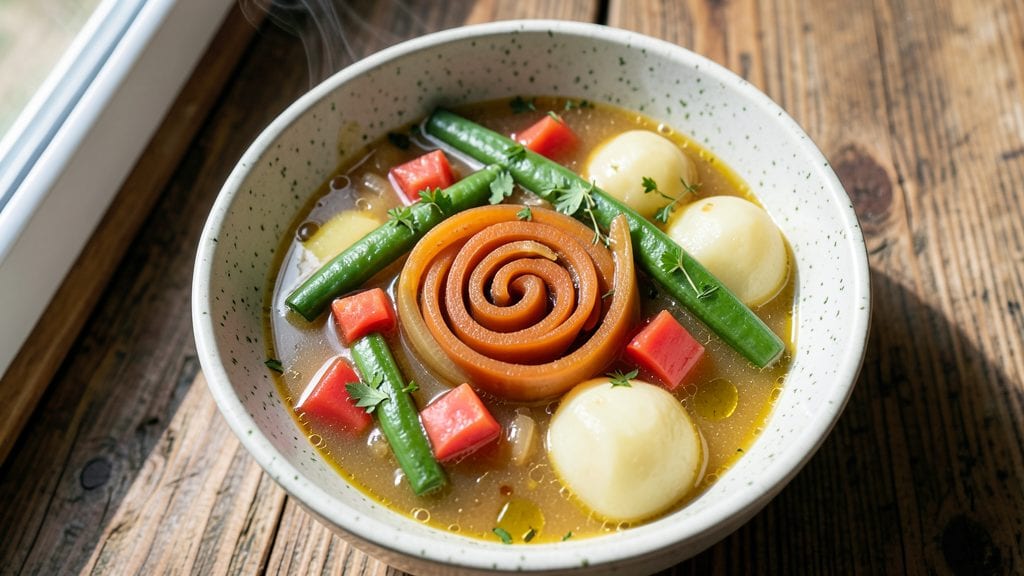
Transforming pantry staples into a hearty canned veggie soup proves that comfort food doesn't require fresh ingredients or hours in the kitchen. This 20-minute recipe delivers restaurant-quality depth using canned vegetables, broth, and simple seasonings—perfect for busy weeknights when you still crave something warm and satisfying.
The secret lies in balancing textures: tender carrots, creamy potatoes, and crisp green beans all simmer together until flavors meld into one cohesive, nourishing bowl.
What sets this soup apart is its versatility—you can keep it light with vegetable broth or richen it with cream for a velvety finish.
The pantry-to-pot process couldn’t be simpler: just sauté aromatics, add your canned ingredients, and let the stove do the work while you prep sides or set the table. Every spoonful delivers that cozy, homey flavor you associate with slow-simmered soups, but without the prep time or cleanup.
The result is a soup that’s foolproof yet customizable—adjust seasonings to taste, swap in your favorite canned veggies, or stir in protein like canned beans or chicken. Garnish with fresh herbs or a drizzle of olive oil for brightness, and you’ve got a meal that feels indulgent yet guilt-free.
This is the kind of recipe that transforms a simple pantry into a source of warmth and nourishment.
Best of all, it reheats beautifully, making it ideal for meal prep or leftovers. Whether you're feeding a family or just yourself, this soup delivers restaurant-quality heartiness without the fuss. Let’s get cooking—your pantry is about to become your kitchen’s secret weapon.
Ingredients for canned veggie soup
Pantry staples transform into restaurant-quality heartiness in just 20 minutes.
| Ingredient | Amount | Notes |
|---|---|---|
| Vegetable Broth 💧 | 4 cups | Low-sodium preferred for control |
| Canned Carrots 🥕 | 15 oz | Drained, no salt added |
| Canned Green Beans 🌱 | 15 oz | Drained, cut if large |
| Canned Diced Tomatoes 🍅 | 14 ½ oz | With juices, fire-roasted preferred |
| Canned Potatoes 🥔 | 15 oz | Drained, diced if whole |
| Yellow Onion 🧅 | 1 whole | Diced, medium size |
| Garlic Cloves 🧄 | 3 cloves | Minced, fresh preferred |
| Extra-Virgin Olive Oil 🫒 | 1 tbsp | For sautéing aromatics |
| Dried Thyme 🌿 | 1 tsp | Or 1 tbsp fresh thyme |
| Bay Leaves 🌿 | 2 whole | Removed before serving |
| Salt 🧂 | 1 tsp | Adjust to taste, kosher preferred |
| Black Pepper 🌶️ | ½ tsp | Freshly ground preferred |
| Heavy Cream 🥛 | ¼ cup | Optional for velvety finish |
| Fresh Parsley 🌿 | ¼ cup | Chopped, for garnish |
The canned vegetables are the soul of this soup, so choose no-salt-added varieties—they let you control the seasoning. Libby's or Del Monte are reliable brands, but any store-brand cans work if labeled 'no salt added'. Fire-roasted diced tomatoes add depth without extra prep, and Trader Joe's carries them at a great price. Fresh herbs elevate the flavor, but dried thyme works in a pinch—just remember it's less potent. For the onion and garlic, sauté them until golden to build flavor before adding liquids. The broth should be low-sodium to avoid a salty soup, but taste as you go.
No fire-roasted tomatoes? Regular diced tomatoes with a pinch of smoked paprika mimic that charred flavor. Swap green beans for corn or peas if you prefer—just adjust the cooking time slightly. The heavy cream is optional but adds a luxurious finish; half-and-half works too if you want to cut calories. For a vegan version, use coconut milk instead. Fresh parsley brightens the dish, but dried parsley or basil in a pinch (use half the amount) still adds color. If your soup tastes flat, a squeeze of lemon juice at the end cuts through the richness beautifully.
This soup reheats like a dream—actually tastes better the next day as flavors meld. Store in an airtight container for up to 5 days in the fridge, or freeze for 3 months. I double the batch and freeze portions for lazy weeknights. Garnish with extra herbs or a drizzle of olive oil before serving—it makes all the difference. The potatoes will soften more with reheating, so adjust seasoning if needed. For meal prep, portion into containers with a little broth to keep it moist.
Why You'll Love This Recipe
- Here’s what sold me: the way the diced tomatoes and potatoes meld into a creamy, slightly sweet base. It’s not just soup; it’s that hearty, homey flavor you crave when you’re short on time.
- No-Chop Necessary: I swear by this recipe when I’m too tired to peel carrots or dice potatoes—just open cans and pour. The veggies stay perfectly intact, so you get that satisfying crunch without the fuss of prep.
- Tomato-Potato Magic: Here’s what sold me: the way the diced tomatoes and potatoes meld into a creamy, slightly sweet base. It’s not just soup; it’s that hearty, homey flavor you crave when you’re short on time.
- Lunchbox Hero: Between us, this soup is my secret weapon for meal prep. I make a big batch on Sundays, and by Wednesday, I’m pulling out jars of it for lunches—no reheating required, just grab and go.
Step-by-step instructions for canned veggie soup
Here's how to transform pantry staples into a rich, comforting soup in less time than it takes to boil water.
Sauté Aromatics Until Fragrant
Heat the 1 tablespoon extra-virgin olive oil in a large pot over medium heat. Add the 1 whole yellow onion and 3 cloves garlic cloves, stirring occasionally for 3-4 minutes until the onion softens and becomes translucent. You'll know it's ready when the garlic releases its signature aroma—this builds the flavor foundation.
Here's the thing—don't let the garlic burn. It should smell sweet and pungent, not bitter. If it starts to darken too quickly, reduce the heat slightly. The 1 teaspoon dried thyme and 2 whole bay leaves can join the pot now, stirring for another 30 seconds to toast the spices and release their essential oils. This step develops depth that separates this from basic canned soup.
Add Vegetables and Simmer
Pour in the 4 cups vegetable broth and bring to a gentle boil. Add the 15 ounces canned carrots, 15 ounces canned green beans, 14.5 ounces canned diced tomatoes (with juices), and 15 ounces canned potatoes. Stir gently to combine, then reduce heat to medium-low and let it simmer uncovered for 10 minutes. You want the vegetables to heat through and the flavors to meld—this is where the magic happens.
I like to give it a stir every couple of minutes to prevent the potatoes from sticking to the bottom. The soup should bubble gently but not vigorously. If it starts to reduce too quickly, add a splash of water to maintain the proper consistency. The 1 teaspoon salt and 0.5 teaspoon black pepper can be added now, but taste as you go—low-sodium broth needs careful seasoning.
Finish with Cream and Garnish
After 10 minutes of simmering, stir in the 0.25 cup heavy cream for a velvety finish. Let it heat through for another 2-3 minutes—just until the cream is warmed but not curdled. The soup should now be thick enough to coat the back of a spoon but still light enough to sip easily. Remove the 2 whole bay leaves before serving, as they're not meant to be eaten.
Ladle the soup into bowls and garnish with 0.25 cup chopped fresh parsley. This final touch adds freshness that cuts through the richness of the cream. Serve immediately while hot, with crusty bread on the side to soak up every last drop of that hearty broth. The contrast between the creamy finish and fresh parsley makes this simple soup feel restaurant-worthy.
Pro Tips For Making Canned Veggie Soup
- Drain, Rinse, Repeat: Canned veggies lose flavor fast when swimming in their briny juice. Drain them first, then give the beans and tomatoes a quick cold-water rinse—especially if you’re using low-sodium broth later. (Yes, even the carrots and potatoes benefit from a splash of freshness.)
- Simmer, Don’t Boil: This soup’s texture hinges on gentle heat. Once everything’s in the pot, keep it at a barely bubbling simmer—no rolling boil. I learned this the hard way: aggressive boiling turns potatoes to mush and makes beans rubbery. Lower the heat if you see big bubbles.
- Crush Half the Tomatoes: Skip the blender—just smash half the canned tomatoes with your fist (or a spoon) before adding them. This gives the soup depth without turning it into a puree. (Pro move: Save the whole tomatoes for texture contrast in every other bowl.)
- Add Potatoes Last: Potatoes absorb liquid like sponges, so toss them in after the soup’s been simmering for 10 minutes. This keeps them firm and prevents your broth from turning into a sad, watery mess. (I used to add them first, and the results were… disappointing.)
Common mistakes when making this recipe
Skipping the Aromatics
Skipping the sautéed onion and garlic is the fastest way to turn your soup into a sad, flavorless mess. Those aromatics build depth that canned veggies alone can't provide. I've learned the hard way—when I rushed through this step, the soup tasted like it came straight from a can.
Take the extra 3-4 minutes to develop that sweet, caramelized onion flavor and fragrant garlic. It's the difference between good and great. 🌟
Overcooking the Potatoes
Potatoes in canned soup can turn mushy if left too long. They only need 10 minutes of simmering time after everything else goes in. If you let them cook longer, they'll disintegrate into the broth, making your soup too thick and gluey.
Test one potato with a fork after 8 minutes—it should be tender but still hold its shape. If it falls apart, your soup will be a different texture entirely.
Ignoring the Broth's Sodium
Using regular (not low-sodium) broth will make your soup taste like battery acid. I've ruined more soups than I'd admit by forgetting to check the label. Even if you're adding salt later, the broth's sodium content will dominate.
Always opt for low-sodium broth and taste as you go—you can adjust with extra salt or a splash of soy sauce if needed. Your taste buds will thank you.
Adding Cream Too Early
Stirring in the cream while the soup is still boiling will curdle it instantly, turning your creamy finish into a lumpy disaster. The cream needs to be added at the very end when the soup is at a gentle simmer (medium-low heat).
Let it warm through for just 2-3 minutes—any longer and you risk breaking it. This is where patience pays off in restaurant-quality texture.
Not Tasting Along the Way
Assuming your soup will taste perfect after the initial seasoning is a recipe for disappointment. Low-sodium broth and canned vegetables often need extra salt, acid, or herbs. I keep a small bowl of broth aside to taste as I go—it's the only way to catch flat flavors before they're set.
A squeeze of lemon juice or extra pepper can work wonders. Never skip this critical step, even if it feels tedious.
Using Expired Canned Goods
Old canned vegetables lose their texture and flavor over time. Check your pantry dates—if those cans have been sitting for more than 12 months, they're past their prime. The carrots might be mealy, the green beans tough, and the tomatoes bland.
For the best results, use cans with at least 6 months of shelf life remaining. Freshness matters more than you think in canned soup. 💡
Nutrition facts
Frequently asked questions
Can I make this soup without fresh herbs?
If you don’t have fresh parsley, use 1 teaspoon dried parsley or basil instead. For extra flavor, sprinkle in ½ teaspoon red pepper flakes or a pinch of smoked paprika. The key is balancing the earthy canned veggies with something bright—even a squeeze of lemon juice at the end works wonders.
How do I adjust this for a vegan version?
Swap the heavy cream for ½ cup coconut milk or cashew cream (blend soaked cashews with water). Use vegetable broth and check canned veggies for hidden animal products (some brands use chicken fat). For extra richness, stir in 1 tablespoon nutritional yeast at the end. Taste as you go—vegan soups often need more seasoning!
Can I use frozen veggies instead of canned?
Yes, but adjust the cooking time. Frozen veggies need 5-7 minutes extra simmering to thaw and soften. Start with 15 minutes total simmer time and check for doneness. For best texture, use a mix of frozen peas, corn, and diced carrots—just avoid overly mushy results. The broth will absorb more liquid, so reduce heat if needed.
Why does my soup taste bland even after seasoning?
Canned veggies often lack depth, so boost flavor with these tricks: Add 1 teaspoon soy sauce or Worcestershire** (vegan version), a splash of balsamic vinegar, or a pinch of sugar to balance acidity. Fresh aromatics (like a handful of spinach at the end) or a sprinkle of toasted breadcrumbs add texture and complexity. Taste early—it’s easier to fix blandness than over-salt!
How long can I store leftovers?
Store in an airtight container in the fridge for up to 5 days, or freeze for 3 months. Reheat gently on the stove with a splash of water or broth to restore texture. The cream may separate slightly—stir vigorously before serving. For meal prep, freeze portions in single-serving containers to reheat quickly.