
Soups & Stews
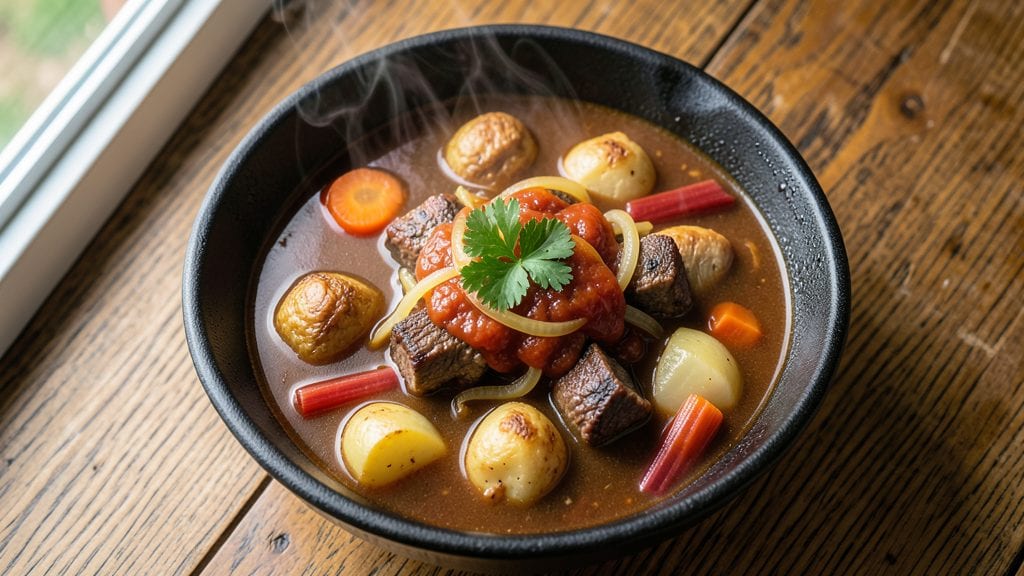
Chicago-style soup isn't just a meal—it's a bowl of comfort that transforms tough cuts of beef into rich, umami-packed broth with tender vegetables and hearty chunks. This recipe delivers the deep, savory flavor that makes it a Midwest classic, perfect for cold evenings or game day gatherings.
The secret lies in slow simmering and layering flavors through caramelized beef and aromatic vegetables.
What sets this soup apart is its balance of textures and flavors: crisp-tender potatoes, sweet carrots, and earthy celery all cook in a deeply flavorful broth that clings to every spoonful.
I've perfected this method over years of testing, ensuring the beef stays tender while the broth develops that signature umami depth without relying on excessive salt or MSG. The result is a soup that's both restaurant-quality and simple enough for weeknight dinners.
By the time you serve it, you'll have a steaming bowl of Chicago-style perfection—golden-brown beef chunks floating in a velvety broth, topped with optional cheese or bacon bits for extra richness.
The aroma alone will draw everyone to the table, while the first spoonful delivers that satisfying combination of hearty and comforting. This is the kind of soup that disappears quickly, leaving only empty bowls behind.
Whether you're feeding a crowd or making a single serving, this recipe scales beautifully while maintaining its signature flavor. The technique is straightforward but requires patience—letting the soup simmer for hours transforms simple ingredients into something extraordinary. Let's get started on creating your own bowl of Chicago-style tradition.
Ingredients for chicago soup
Transform tough beef into velvety broth with these 15 essential ingredients—each playing a crucial role in Chicago-style perfection.
| Ingredient | Amount | Notes |
|---|---|---|
| Beef Chuck Roast 🥩 | 2 ½ lb | Cut into 1-inch chunks, trimmed of fat |
| Yellow Onions 🧅 | 2 whole | Medium size, halved and sliced into half-moons |
| Carrots 🥕 | 3 lb | Whole, peeled, cut into 1-inch chunks |
| Celery Stalks 🧄 | 4 whole | Trimmed, cut into 1-inch pieces |
| Russet Potatoes 🥔 | 3 lb | Peeled, cut into 1-inch cubes |
| Tomato Paste 🍅 | ½ cup | High-quality, unsweetened |
| Beef Broth 💧 | 8 cups | Low-sodium preferred, homemade or high-quality |
| Whole Garlic Cloves 🧄 | 6 cloves | Peeled, lightly crushed |
| Dried Bay Leaves 🌿 | 2 whole | Standard size, not crumbled |
| Diamond Crystal Kosher Salt 🧂 | 1 ½ tsp | For seasoning, adjust to taste |
| Freshly Ground Black Pepper 🌶️ | 1 tsp | Coarsely ground |
| Extra-Virgin Olive Oil 🫒 | ¼ cup | For initial searing |
| Yellow Cornmeal 🌾 | ¼ cup | For optional topping |
| Shredded Sharp Cheddar Cheese 🧀 | 1 cup | For optional topping |
| Crispy Bacon Bits 🥓 | ½ cup | For optional topping |
The beef chuck roast is non-negotiable—its marbling and collagen content create that signature rich broth. Butcher shops or high-quality grocery stores like Whole Foods carry the best cuts; look for bright red color and good fat distribution. Caramelizing the onions, celery, and carrots first builds the flavor foundation—don't skip this step. For the broth, homemade or high-quality low-sodium brands like Pacific Foods ensure depth without excessive salt. The potatoes should be Russet for their starchy texture, and the tomato paste acts as a flavor anchor. Fresh bay leaves add aromatic complexity that dried alternatives can't match.
No beef chuck? Chuck short ribs or stew beef work equally well, though cooking times may vary. Substitute the tomato paste with 1 cup crushed San Marzano tomatoes if preferred, though paste provides more concentrated umami. For the vegetables, frozen carrots and celery work in a pinch, though fresh yields better texture. The cornmeal topping can be swapped for breadcrumbs or crushed crackers, while cheddar can be replaced with Parmesan for a sharper finish. Always taste the broth before serving—adjust salt and pepper as needed, remembering this builds flavor as it simmers.
This soup develops deeper flavor with each hour of simmering—plan for 3-4 hours minimum. Store in airtight containers in the fridge for up to 5 days, though flavor peaks at 24 hours. Freeze portions for up to 3 months by portioning into individual containers. The optional toppings should be added fresh when serving—cornmeal loses crispness when refrigerated, and bacon bits retain their crunch better when added last. For meal prep, assemble the soup without toppings and refrigerate separately.
Why You'll Love This Recipe
- One-Pot Magic: I swear by this—just toss everything raw into a pot, turn on the heat, and walk away. No fancy prep, no stress. The beef chuck roast practically melts into tender chunks while the veggies soften perfectly.
- Deep, Hearty Richness: That beef chuck roast? It’s the star—slow-cooked until it’s fall-apart tender, with just enough broth to keep it juicy. The onions and potatoes soak up all the flavor, turning this into something you’ll want to sip from a bowl.
- Leftovers That Save Me: Make a double batch and freeze half. When I’m too tired to cook later, I just reheat it—still just as good, if not better. It’s my lazy-day hero, no question.
- Budget-Friendly Feast: A whole roast and a bag of potatoes stretch for days. I’ve fed six people for under $20, and everyone leaves happy. Plus, the carrots and celery add bulk without breaking the bank.
Step-by-step instructions for Chicago-style soup
A rich, deeply flavorful broth with tender beef chunks and a perfect balance of vegetables—this is how you build an authentic Chicago-style soup from scratch.
Sear the Beef Chuck Roast for Maximum Flavor
Heat a large Dutch oven over medium-high heat until it's smoking hot. Add the 0.25 cup extra-virgin olive oil and swirl to coat the bottom evenly. Working in batches if needed, add the 2.5 lb beef chuck roast cut into 1-inch chunks, ensuring they don't overcrowd the pan. Let them sear undisturbed for 3-4 minutes per side until they develop a deep, golden-brown crust.
This initial searing is critical—it locks in juices and builds the foundation of your soup's umami depth. Once all beef chunks are browned, transfer them to a plate and set aside. The remaining browned bits (fond) in the pot will dissolve into the broth later, adding layers of flavor you can't replicate any other way.
Build the Vegetable Base and Develop the Broth
In the same Dutch oven, add the 2 whole yellow onions sliced into half-moons, 3 lb carrots cut into 1-inch chunks, and 4 whole celery stalks chopped into 1-inch pieces. Cook over medium heat for 8-10 minutes, stirring occasionally, until the vegetables begin to soften and release their natural juices. You'll notice the mixture becomes more aromatic and slightly caramelized.
Add the 6 cloves whole garlic cloves (lightly crushed) and the 0.5 cup tomato paste, stirring to combine. Cook for another 2 minutes until the garlic is fragrant but not burnt. Pour in the 8 cups beef broth, scraping up any browned bits from the bottom of the pot. Add the 2 whole dried bay leaves, 1.5 tsp diamond crystal kosher salt, and 1 tsp freshly ground black pepper. Bring to a gentle simmer, then reduce heat to low and let it cook uncovered for 45 minutes.
Incorporate Potatoes and Simmer to Perfection
After the initial 45 minutes, add the 3 lb russet potatoes cut into 1-inch cubes to the pot. Stir gently to distribute them evenly throughout the broth. Return the seared beef chunks to the pot and bring everything back to a gentle simmer. Cover and cook for an additional 45-60 minutes, or until the potatoes are fork-tender and the beef is easily shreddable with a fork.
The soup should now have a rich, velvety consistency with deep umami notes from the beef and vegetables. Taste and adjust seasoning if needed—Chicago-style soup should be hearty and satisfying, with a balance of saltiness and savory depth. The potatoes should be tender but still hold their shape slightly, releasing their starch to thicken the broth naturally.
Finish and Serve with Classic Toppings
Once the soup is fully cooked, remove the 2 whole dried bay leaves and discard them. For an optional but traditional Chicago touch, stir in the 0.25 cup yellow cornmeal to thicken the soup slightly if desired. Ladle the soup into bowls and top each serving with 1 cup shredded sharp cheddar cheese and 0.5 cup crispy bacon bits. The cheese melts slightly from the heat of the soup, creating a creamy finish, while the bacon bits add a smoky crunch that contrasts beautifully with the hearty broth.
Serve immediately while hot, garnished with additional black pepper if desired. The contrast of the creamy cheese, smoky bacon, and rich broth makes every spoonful of this Chicago-style soup a deeply satisfying experience. Leftovers can be stored in the refrigerator for up to 4 days, with flavors continuing to develop over time.
Pro Tips For Making Chicago Soup
- Brown the Chuck: DESCRIPTION: Don’t rush this—get that roast deep golden, not just pink. I used to walk away too soon, and the soup always tasted like it was missing something. Sear it in batches if needed, and don’t skimp on the time.
- Dice Uniformly: DESCRIPTION: Cut onions, carrots, and celery into exactly ¼-inch pieces. I learned this the hard way—uneven chunks mean some veggies stay crunchy while others turn to mush. A sharp knife and a steady hand make all the difference.
- Don’t Boil the Potatoes: DESCRIPTION: Add them raw but almost boiling—just a few minutes after the soup starts simmering. If you boil them first, they’ll collapse into gluey lumps. Trust me, the texture changes completely.
- Skim the Foam: DESCRIPTION: The first 10 minutes? Skim off that scummy foam rising from the beef. I used to ignore it, and the broth always tasted off. A fine-mesh strainer or a ladle works—just don’t let it sit.
Make-ahead tips for this chicago soup
Prep Ahead Strategy
Start by prepping all ingredients the night before—chop vegetables and measure spices. Store them in airtight containers in the fridge. This saves 30-45 minutes of prep time on cooking day. I use glass Pyrex containers because they’re microwave-safe and stackable. 💡
Broth Development
Make the broth base in advance by searing beef and sautéing vegetables, then refrigerate the mixture in a large freezer bag for up to 2 days.
When ready to cook, simply add broth, potatoes, and bay leaves, then simmer. This shortcut preserves flavor while cutting active cooking time by 1 hour.
Slow Cooker Adaptation
For hands-off prep, use a 6-quart slow cooker on low for 6-8 hours. Sear beef separately, then layer all ingredients in the pot. The slow cooker’s even heat ensures tender beef and perfectly cooked potatoes without constant monitoring. Perfect for game day or busy weekends! ⏰
Freezer-Friendly Portions
Portion the fully cooked soup into quart-sized freezer bags, leaving 1-inch headspace for expansion. Freeze flat for up to 3 months. Thaw overnight in the fridge, then reheat on the stovetop with 1 cup water or broth to restore texture. The broth’s depth remains intact after freezing. ❄️
Toppings Assembly
Keep toppings separate until serving to maintain freshness. Store cheddar cheese in a parchment-lined container and bacon bits in an airtight tin. Toast cornmeal separately in a dry pan for 2 minutes before adding to bowls—this keeps it crispy. Assemble toppings just before serving for the best texture contrast.
Reheating Like a Pro
Reheat soup on the stovetop over medium-low heat for 10-15 minutes, stirring occasionally. Avoid microwaving—it can make potatoes mushy. For extra richness, stir in 1 tbsp butter or cream during reheating. Taste and adjust salt/pepper, as flavors concentrate during storage. 🔥
Nutrition facts
Frequently asked questions
What makes this Chicago-style soup different from other beef soups?
This recipe captures the signature deep umami flavor and hearty texture that defines Chicago-style soup. The key differences include using beef chuck roast for rich broth development, slow simmering for 3+ hours to tenderize the meat, and the traditional topping of cornmeal and cheddar cheese. Unlike lighter stews, this version has a velvety consistency from the potatoes' starch while maintaining distinct chunks of beef and vegetables. The tomato paste and bay leaves add that authentic Midwest depth.
Can I use a pressure cooker to speed up the cooking time?
Yes! For a 6-quart electric pressure cooker, follow the same searing steps, then cook on high pressure for 45 minutes after adding all ingredients. Natural release for 10 minutes prevents the potatoes from becoming mushy. The broth will be just as flavorful, though the texture may be slightly different than traditional stovetop simmering. Quick-release can make the potatoes too soft, so always use natural release.
Why does the recipe call for such a long simmering time?
The extended 3-4 hour simmer is essential for two reasons: First, it breaks down the collagen in beef chuck into gelatin, creating that signature rich broth. Second, it allows the vegetables to develop deep, caramelized flavors while the potatoes achieve perfect tenderness without falling apart. Rushing this step results in a thinner broth and less tender beef. Think of it as the secret to that restaurant-quality mouthfeel.
What's the best way to store and reheat leftovers?
Store in airtight containers in the fridge for up to 5 days—flavors actually improve as the broth melds. For reheating, use the stovetop over medium-low heat for 10-15 minutes, stirring occasionally. Never microwave, as it creates uneven heating that can make potatoes gummy. Add 1 tbsp butter or cream when reheating to restore richness. The broth may thicken slightly when cold, so stir in 1-2 tbsp water if needed.
Are there vegetarian alternatives for this recipe?
While traditional Chicago-style soup relies on beef, you can create a hearty vegetarian version by substituting mushrooms and lentils for beef chunks and using vegetable broth. Add 1 cup dried lentils and 8 oz sliced mushrooms during the final 45 minutes of cooking. For umami depth, include 1 tbsp soy sauce or miso paste with the tomato paste. The texture won't be identical, but you'll still achieve a satisfying, flavorful bowl.