
Soups & Stews
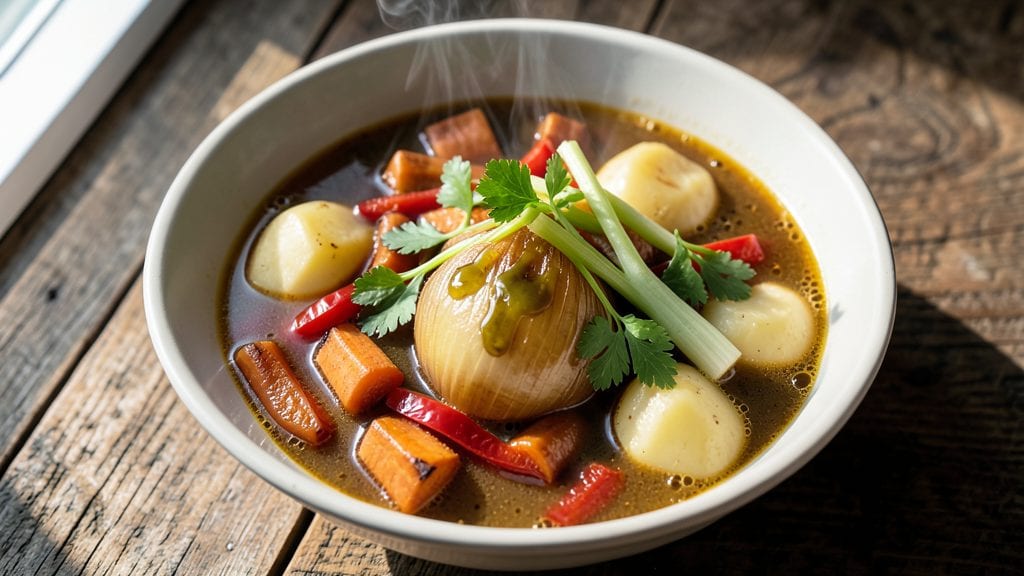
This classic vegetable soup recipe delivers the kind of hearty, comforting flavor that transforms any meal into a home-cooked embrace. The secret lies in slow-simmered vegetables layered with aromatic herbs, creating a broth so rich it feels like a hug in a bowl. I developed this version after years of testing—balancing texture, depth, and simplicity to ensure every spoonful delivers that perfect harmony of earthy vegetables and bright herbs.
What makes this soup truly timeless is its versatility—vegetarian by nature but adaptable to any broth preference. Start with a robust vegetable base, then build flavor through careful sautéing and gradual simmering.
The result is a soup that's naturally creamy from blended vegetables yet light enough to enjoy year-round, with just the right balance of tender carrots, celery, and potatoes that melt into the broth.
The beauty of this recipe is in its foolproof technique: no complicated steps, just layered flavors that develop as they simmer. You'll end up with a steaming bowl of golden broth dotted with vibrant vegetables, all infused with fresh herbs that brighten every bite.
This is the kind of soup that tastes even better the next day, making it perfect for meal prep or cozy weeknight dinners.
Serve it as-is for a clean, vegetable-forward experience or add a sprinkle of fresh parsley and a swirl of olive oil for extra richness. The instructions will guide you through every step—from sautéing aromatics to blending for that signature velvety texture—so you can achieve restaurant-quality results in your own kitchen.
Ingredients for classic vegetable soup
Hearty vegetables and aromatic herbs blend into this comforting vegetarian soup's soul.
| Ingredient | Amount | Notes |
|---|---|---|
| Extra-Virgin Olive Oil 🫒 | ½ cup | High-quality, fruity variety preferred |
| Carrots 🥕 | 1 ½ lb | Medium-sized, peeled and sliced |
| Celery Stalks 🧅 | 4 whole | Fresh, stringy removed |
| Russet Potatoes 🥔 | 2 lb | Peeled and cubed evenly |
| Yellow Onion 🧅 | 1 whole | Medium-sized, diced |
| Garlic Cloves 🧄 | 4 cloves | Fresh, minced |
| Fresh Thyme 🌿 | ¼ cup | Leaves only, chopped |
| Fresh Parsley 🌿 | ¼ cup | Leaves only, chopped |
| Vegetable Broth 💧 | 6 cups | Low-sodium preferred |
| Canned Diced Tomatoes 🍅 | 1 can | 28 oz, San Marzano preferred |
| Red Bell Pepper 🌶️ | 1 whole | Medium-sized, diced |
| Sea Salt 🧂 | 1 ½ tsp | Diamond Crystal preferred |
| Freshly Ground Black Pepper 🌶️ | ½ tsp | Freshly cracked |
| Heavy Cream 🥛 | ½ cup | Full-fat for richness |
The carrots and potatoes are the workhorses here—Russet potatoes break down beautifully into the broth, while orange carrots add natural sweetness. I always grab organic carrots from Trader Joe's when possible, but conventional works fine. For the potatoes, 2 lbs yields perfect chunks—peel them first to avoid excess starch in the broth. Fresh thyme and parsley from the grocery store's produce section (not the sad plastic containers) make all the difference here. Look for thyme with vibrant green leaves and parsley that's still tightly packed.
No fresh thyme? Dried thyme at one-third the amount works in a pinch, but fresh is ideal. The vegetable broth can be homemade (simmer veggie scraps with herbs) or store-bought—Imagine or Pacific Foods brands are my go-tos. Swapping the heavy cream for coconut milk makes this dairy-free, though the texture will be slightly lighter. The red bell pepper adds color and crunch—roast it first for deeper flavor if you're feeling fancy. For a smokier profile, add a teaspoon of smoked paprika to the sautéed aromatics.
This soup keeps beautifully—3-4 days in the fridge with flavors deepening over time. Freeze portions for up to 3 months by pouring into ice cube trays, then transferring to a bag. I always make a double batch because it reheats perfectly and tastes even better the next day. For extra richness, stir in a dollop of Greek yogurt or extra cream when serving. The blend of textures—tender vegetables, silky broth, and fresh herbs—is what makes this soup truly special.
Why You'll Love This Recipe
- No-Chop Nightmare: I swear, this soup lets you skip the tedious prep. Toss in whole carrots and celery stalks—they soften beautifully without needing perfect dice. (My lazy Sundays thank me.)
- Caramelized Crunch Magic: That golden edge on the potatoes? Pure reward. Sauté them in olive oil until tender-crisp while you chop the onion—simple move, but the flavor? Ridiculously good.
- Leftovers That Beg: Make a double batch and freeze half. Reheat with a splash of broth, and it’s like fresh soup. Honestly, my go-to for sick days or when I just don’t feel like cooking.
- Pantry Staple Power: Onion, carrots, celery, potatoes—these ingredients never let me down. Budget-friendly, always available, and this soup never feels like a chore. (Yes, even on a Tuesday night.)
Step-by-step instructions for herbed simmered vegetable soup
Here's how to create a rich, aromatic vegetable soup that's both comforting and elegant.
Sauté the Vegetable Base
Heat the 0.5 cup extra-virgin olive oil in a large Dutch oven over medium heat. Add the diced yellow onion and cook for 5 minutes until softened and translucent. Add the diced red bell pepper and cook for another 4 minutes until it begins to release its sweet aroma.
Next, add the sliced carrots and celery stalks (with strings removed), stirring to coat them in the oil. Cook for 6-8 minutes until the vegetables begin to soften slightly and the onion becomes golden. This foundational step develops deep flavor through caramelization, so don't rush it. The vegetables should be tender but still retain their distinct shapes.
Add Aromatics and Tomatoes
Push the vegetables to one side of the pot and add the 4 cloves minced garlic to the empty space. Sauté for 30 seconds until fragrant—not browned, just releasing that unmistakable garlic aroma. Stir everything together and add the 1 can canned diced tomatoes (with their juices), scraping up any browned bits from the bottom of the pot.
Bring the mixture to a gentle simmer and cook for 5 minutes to allow the tomatoes to break down slightly. This step builds the soup's base flavor while preventing the tomatoes from becoming overly acidic. The mixture should smell rich and complex, with layers of sweetness from the bell pepper and acidity from the tomatoes.
Build the Soup with Potatoes and Broth
Add the 2 lb cubed russet potatoes and the 6 cups vegetable broth to the pot. Stir gently to combine, then bring the mixture to a boil. Once boiling, reduce the heat to medium-low and let it simmer uncovered for 20 minutes. This allows the potatoes to begin softening while preventing the soup from becoming too thick.
After 20 minutes, check the potatoes with a fork—they should be tender but not falling apart. If they're still firm, continue simmering for another 5-10 minutes. The soup should now have a rich, golden color from the caramelized vegetables, and you should be able to smell the developing herbal notes from the broth.
Season and Finish with Herbs
Stir in the 1.5 teaspoons sea salt and 0.5 teaspoon freshly ground black pepper, then add the 0.25 cup chopped fresh thyme and 0.25 cup chopped fresh parsley. Simmer for another 10 minutes to allow the herbs to infuse their bright, fresh flavors into the soup. The thyme will add earthy depth while the parsley provides a bright finish.
Taste the soup and adjust the seasoning if needed. The herbs should be noticeable but not overpowering. The soup is now ready for the final touch—this is where it transforms from simple vegetable broth to a rich, comforting dish.
Add Cream and Serve Warm
Reduce the heat to low and stir in the 0.5 cup heavy cream. Simmer gently for 2-3 minutes just to warm through—never boil the cream, as this can cause it to curdle. The cream will add a velvety richness that balances the hearty vegetables.
Ladle the soup into bowls and serve immediately, garnished with additional fresh parsley if desired. Each spoonful should deliver a perfect balance of creamy texture, herbal brightness, and the deep, comforting flavors of the simmered vegetables. This is classic vegetable soup at its finest—simple yet sophisticated, hearty yet elegant.
Pro Tips For Making Classic Vegetable Soup
- Sweat the Aromatics: DESCRIPTION: Don’t just chop and toss the onion—cook it in olive oil over medium-low heat until it’s soft and golden, about 8-10 minutes. I used to rush this, and the soup always tasted flat. The longer you let it caramelize, the deeper the flavor, especially when you add the celery and carrots later.
- Cut Potatoes Even: DESCRIPTION: Use a knife to slice the russets into ½-inch cubes, not random chunks. Even cooking means no mushy bits or underdone centers—just tender, creamy potatoes every time. (Yes, it takes 10 extra seconds, but it’s worth it.)
- Salt the Water Early: DESCRIPTION: Season the broth or water before adding the vegetables, not after. The potatoes and carrots absorb flavor as they cook, and if you wait, they’ll taste bland no matter how much you add later. Trust me, your soup will taste richer if you do this upfront.
- Simmer, Don’t Boil: DESCRIPTION: Keep the heat at a gentle simmer—small bubbles, not a rolling boil. Boiling toughens the vegetables and makes them watery. A low simmer keeps them tender and lets the flavors meld. (I know, it’s slower, but it’s the difference between good soup and really good soup.)
Storing and reheating this classic vegetable soup
Refrigerator Storage
Let your vegetable soup cool completely before transferring to an airtight container—I use glass Pyrex bowls with snap-on lids for best results. Store at 40°F or below for up to 4-5 days, though the flavors deepen beautifully over time.
The broth will thicken slightly, so add a splash of warm water if you prefer it looser when reheating. 🌿
Freezer Prep Tips
For long-term storage, freeze in single-serving portions (about 1.5 cups per container) to avoid thawing unnecessary amounts. Use silicone ice cube trays for broth or quart-sized freezer bags for full servings—leave ½-inch headspace to prevent expansion cracks.
Label with the date and store for up to 3 months for maximum freshness. 🧊
Stovetop Reheating
My preferred method is gentle reheating on the stove. Pour soup into a heavy-bottomed pot (I love my All-Clad stainless steel) and heat over medium-low for 8-10 minutes, stirring occasionally.
Add 2-3 tablespoons of water or broth if the soup thickens too much. The cream will separate slightly—just stir vigorously to re-emulsify. 🔥
Microwave Safety
For quick reheats, use microwave-safe glassware and heat in 1-minute intervals on 50% power, stirring between each. Cover loosely with a microwave-safe lid to retain moisture. The cream may curdle if overcooked—if this happens, whisk in 1 teaspoon of cold water to restore creaminess. 💡
Reviving Texture
If your reheated soup seems watery, stir in 1 tablespoon of cornstarch mixed with 2 tablespoons cold water and simmer for 2 minutes to thicken. For extra richness, top with a dollop of Greek yogurt or a swirl of olive oil before serving.
The fresh herbs you add at the table will brighten every bowl. ✨
Serving Leftovers
This soup actually tastes better the next day! Serve with crusty bread or a sprinkle of Parmesan cheese for extra indulgence. For a cold-weather twist, top with sautéed mushrooms or a fried egg for added protein. The flavors meld perfectly overnight, making it ideal for meal prep. 🍲
Nutrition facts
Frequently asked questions
Can I make this classic vegetable soup without cream?
For a dairy-free version, replace the 0.5 cup heavy cream with 0.5 cup coconut milk or omit it entirely. The soup will still be flavorful—just slightly lighter in texture. If you skip the cream, add an extra 1 tablespoon olive oil when serving for richness.
What vegetables can I substitute if I don't have carrots or potatoes?
This recipe is flexible! Swap carrots for sweet potatoes or butternut squash> (cubed, roasted first). Replace potatoes with turnips or parsnips>—just adjust cooking time as needed. Keep the total volume similar to maintain balance.
Why does my vegetable soup taste bland after simmering?
Blandness usually means insufficient seasoning or underdeveloped flavors. First, ensure you're using low-sodium broth> and seasoning gradually. For depth, add a 1-teaspoon bouillon paste> (like Better Than Bouillon) or a splash of red wine> when sautéing aromatics. Taste as you go—adjust salt and pepper in small increments> after simmering.
How can I make this soup spicier?
Boost heat by adding 1-2 teaspoons smoked paprika> with the onions or stirring in ½ teaspoon cayenne> at the end. For depth, include 1 diced jalapeño> (seeds removed) with the bell pepper. Garnish with hot sauce> or red pepper flakes> before serving. Start with ½ teaspoon>—you can always add more!
Can I use canned beans for extra protein?
Yes! Add 1 can (15 oz) white beans> (like cannellini) or black beans> with the potatoes. Drain and rinse them first to reduce sodium. For texture, hold back ¼ cup beans> to stir in at the end. They’ll soak up flavors beautifully while adding hearty protein.