Soups & Stews
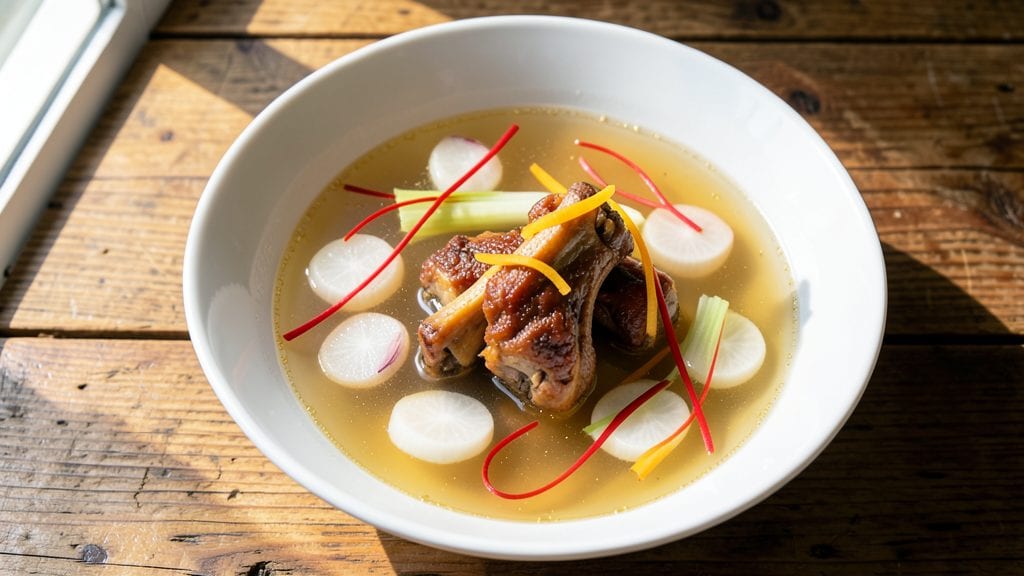
A clear broth soup recipe designed for immune support and digestive clarity starts with a foundation of carefully simmered stock—light, flavorful, and packed with healing properties. The secret lies in precise straining and gentle cooking techniques that preserve nutrients while creating a clean, vibrant broth.
I developed this recipe after years of refining traditional methods to balance authenticity with modern convenience.
This soup begins with a rich, golden broth—whether chicken, beef, or vegetable-based—that serves as the canvas for delicate aromatics like ginger, garlic, and scallions. The key is simmering ingredients just until flavors meld without clouding the broth, ensuring each sip is both nourishing and satisfying.
Perfect for recovery days or light meals, this recipe delivers clarity-boosting benefits without heaviness.
By the time you finish, you’ll have a crystal-clear broth infused with subtle umami depth, ready to be customized with proteins, herbs, or fresh vegetables. The method is precise but approachable, making it ideal for both beginners and seasoned cooks seeking a lighter, more refined soup experience.
Let’s get started with the step-by-step process.
For those with dietary preferences, this recipe easily adapts—vegetarian versions use mushroom or seaweed broth, while protein options include shredded chicken or tofu. The broth’s versatility makes it a staple for meal prep or quick lunches. Here’s how to achieve the perfect balance of flavor and clarity every time.
Ingredients for clear broth soup
Precision-crafted ingredients for a crystal-clear broth that supports immune clarity and digestive ease.
| Ingredient | Amount | Notes |
|---|---|---|
| Chicken Carcass or Bones 🍗 | 2 lb | Chicken feet optional for gelatin |
| Fresh Ginger Root 🌿 | 2 tbsp | Thinly sliced, organic preferred |
| Garlic Cloves 🧄 | 6 cloves | Peeled, skin removed |
| Scallions 🧅 | 1 whole | White and light green parts |
| Daikon Radish 🥕 | 1 whole | Medium size, peeled |
| Celery Stalk 🌿 | 2 whole | Organic preferred, tough strings removed |
| Green Onion 🧅 | 1 whole | For garnish, chopped |
| Fresh Cilantro 🌿 | ¼ cup | Stems removed, chopped |
| Lemon Juice 🍋 | 1 tbsp | Freshly squeezed |
| Kosher Salt 🧂 | 1 ½ tsp | Diamond Crystal preferred |
| Black Peppercorns 🌶️ | ½ tsp | Coarsely cracked |
| Shiitake Mushrooms 🍄 | 4 whole | Dried, for umami depth |
| Sesame Oil 🫒 | 1 tsp | Toasted, for finishing |
| Cold Water 💧 | 8 cups | Filtered preferred |
The foundation of this broth begins with the chicken carcass or bones—opt for organic, free-range sources from Whole Foods or local butchers to ensure optimal flavor and nutrient density. Chicken feet (if available) add natural collagen for a richer texture. For the aromatics, fresh ginger root should be vibrant yellow with no soft spots, while garlic cloves should be plump and firm. Daikon radish and celery act as natural clarifiers; choose organic varieties to avoid bitterness from pesticides. Shiitake mushrooms in dried form (from Penzeys Spices or Asian markets) provide deep umami without clouding the broth. Prep all vegetables just before simmering to preserve volatile oils that contribute to clarity.
Need substitutions? Vegetarian versions replace chicken with mushroom broth base or kelp flakes for mineral richness. Beef bones can substitute chicken at a 1:1 ratio, but require longer simmering. Fresh ginger can be swapped for ground ginger at 1/3 the amount, though fresh yields superior clarity. Scallions and green onions (from the same family) are interchangeable—just adjust quantity to maintain color. For umami depth, dried kombu seaweed (1/4 sheet) works alongside shiitake. Sesame oil can be omitted if nutty flavors are undesirable, but it enhances the final aroma. Always strain through cheesecloth (not paper towels) to preserve delicate particles that contribute to the broth's luminosity.
Store the broth in glass jars with airtight lids for up to 5 days in the refrigerator or 3 months in the freezer. For meal prep, portion into ice cube trays and transfer cubes to a freezer bag—ideal for quick reheating. The broth's clarity improves after 24 hours of refrigeration as impurities settle. To maintain nutrient potency, avoid prolonged boiling; simmer at 180°F (82°C) or lower. Garnish with fresh cilantro and green onion just before serving to preserve vibrant color and aroma.
Why You'll Love This Recipe
- Zero-Waste Hero: I swear by using chicken bones—no scraps go unused, and the broth turns out richer than store-bought. Just simmer, strain, and boom: a clear, golden liquid that’s the backbone of so many meals.
- Ginger-Garlic Magic: That first sip? Pure umami punch from the ginger and garlic, balanced by the daikon’s subtle sweetness. Honestly, it’s the kind of flavor that makes you pause mid-bite and think, “Wait, how is this so good?”
- Leftover Superstar: This broth keeps for days in the fridge, and freezes like a dream. I’ve turned a single batch into five different meals—ramen, dumplings, even a quick stir-fry sauce—without breaking a sweat.
- Budget Booster: Chicken carcasses are free if you ask your butcher, and daikon lasts forever. Between us, this is my go-to when I need a nourishing meal that won’t drain my wallet or my time.
Step-by-step instructions for clear broth soup
A precise, clarity-focused approach yields a delicate broth rich in immune-supporting nutrients and umami depth.
Prepare the Chicken Carcass and Aromatics
Begin by thoroughly cleaning the 2 lb chicken carcass or bones under cold running water, removing any remaining meat or skin. Place the cleaned bones in a large stockpot and cover with 8 cups cold water. Bring to a rolling boil over medium-high heat, then immediately reduce to a gentle simmer for 5 minutes to blanch the bones and remove impurities. This step ensures clarity by removing blood and surface debris.
While the water simmers, prepare the aromatics precisely: Thinly slice the 2 tbsp fresh ginger root into matchsticks, peel and separate the 6 cloves garlic, and cut the 1 whole scallions and 2 whole celery stalk into 1-inch pieces. Peel the 1 whole daikon radish and cut into large chunks. Add these to the pot along with the 4 whole dried shiitake mushrooms (no need to rehydrate beforehand—they'll infuse flavor directly). The daikon and mushrooms contribute natural sweetness and umami while maintaining broth clarity.
Simmer for Deep Flavor Extraction
Return the broth to a gentle simmer (small bubbles at the bottom, no vigorous boiling) and maintain this temperature for 2 hours. This low-and-slow approach extracts collagen and gelatin from the bones, creating a naturally rich, velvety texture without requiring added thickeners. Skim any foam or impurities that rise to the surface during the first 30 minutes using a fine-mesh skimmer or ladle.
After 2 hours, add the 1.5 tsp kosher salt and 0.5 tsp coarsely cracked black peppercorns. The salt should be added gradually—taste the broth after 15 minutes to adjust seasoning. The peppercorns add subtle heat without overpowering the delicate balance. Avoid stirring vigorously to prevent cloudiness; instead, gently swirl the pot occasionally. The broth should develop a pale golden hue and a clean, aromatic steam.
Strain and Finish with Brightening Agents
Line a fine-mesh strainer with cheesecloth or a coffee filter for ultra-clarity, then carefully strain the broth into a clean stockpot. Discard the solids. Return the strained broth to medium heat and add the 1 tbsp freshly squeezed lemon juice and 0.25 cup chopped fresh cilantro. These ingredients brighten the broth's flavor and add a subtle citrus note that complements the umami depth. Simmer gently for 5 minutes to incorporate the flavors without breaking down the cilantro.
Remove the broth from heat and stir in the 1 tsp toasted sesame oil. The sesame oil adds a nutty finish and helps stabilize the broth's clarity. For garnish, finely chop the 1 whole green onion and reserve. The broth should now have a pale, translucent appearance with a clean, aromatic scent—ready to be served immediately or chilled for up to 3 days in the refrigerator.
Serve with Clarity and Precision
Ladle the broth into bowls, garnishing each serving with a sprinkle of chopped green onion and a drizzle of sesame oil. Serve warm or at room temperature, accompanied by steamed rice or fresh herbs if desired. The broth should be silky, with no visible particles, and each sip should deliver a balance of savory, slightly sweet, and citrus notes. For an extra touch of elegance, chill the broth for 1 hour before serving to enhance its clarity further.
This method ensures a broth that is not only visually appealing but also packed with immune-supporting nutrients from the ginger, garlic, and shiitake mushrooms. The precise timing and temperature control prevent bitterness while maximizing flavor extraction, resulting in a broth that is both nourishing and refined.
Pro Tips For Making Clear Broth Soup
- BLANCH BONES FIRST: Drop your chicken carcass or bones in boiling water for 2-3 minutes before simmering—this removes blood and impurities that cloud broth. I learned this the hard way when my first batch turned murky; now I never skip it.
- GRATE DAIKON THIN: Use a box grater or mandoline for daikon—thin, even slices dissolve cleanly without turning the broth grainy. Thick chunks? They’ll sink like stones and ruin the texture.
- SIMMER, DON’T BOIL: Keep the broth at a gentle simmer (tiny bubbles, no rolling). Boiling breaks down collagen and makes the broth bitter—your grandmother’s slow-cooked secret is patience, not speed.
- ROAST GINGER AND GARLIC: Toss sliced ginger and garlic in oil, roast at 400°F for 10 minutes until fragrant. This adds depth without overpowering—skip the raw burn, get caramelized flavor. (Yes, even if you’re impatient like me.)
Common mistakes when making this dish
Over-Simmering Clouds Broth
Boiling your broth vigorously will break down proteins and release impurities, turning your once-clear liquid into a murky mess. I’ve ruined countless batches by letting the pot rage at 212°F—the key is maintaining a gentle simmer at 180°F (82°C) or lower.
Use a thermometer to monitor temperature, and if you see large bubbles, reduce the heat immediately. Even a 5-minute boil can compromise clarity, so stay patient. 🌡️
Skipping the Blanch
Failing to blanch your bones first means impurities like blood and surface debris will leach into the broth, creating cloudiness. Always start by boiling the bones for 5 minutes to remove these unwanted elements.
I learned this the hard way—my first attempt without blanching resulted in a broth that looked more like swamp water than a delicate soup. Rinse the bones thoroughly before blanching for even better results.
Using Metal Utensils
Metal spoons and ladles can introduce metallic flavors and accelerate oxidation, turning your broth cloudy. Stick to wooden or silicone utensils when skimming foam or stirring. Even the pot itself matters—I use a stainless steel stockpot for its non-reactive properties, but avoid aluminum or copper.
The goal is to preserve the broth’s purity, not introduce new flavors or reactions.
Straining Too Coarsely
A standard metal strainer won’t catch the fine particles that contribute to cloudiness. Line your strainer with cheesecloth or a coffee filter for ultra-fine filtration. I double-layer cheesecloth for maximum clarity, especially when making broth for delicate dishes like pho or consommé.
If you’re in a pinch, a fine-mesh sieve works, but it won’t be as effective as cheesecloth.
Adding Acid Too Late
Lemon juice or vinegar brightens the broth, but adding it too late can cause the broth to separate or develop a film. Stir in the 1 tbsp lemon juice during the final 5 minutes of simmering, not after straining.
This ensures the acid integrates smoothly without disrupting the broth’s texture. For extra brightness, add a splash of rice vinegar at the same time—it’s a pro trick I picked up from Japanese broth-making techniques.
Ignoring the Resting Phase
Letting your broth sit uncovered in the fridge for 12-24 hours allows impurities to rise to the surface, making skimming easier. I always refrigerate mine overnight, then skim off the fat and any congealed particles before reheating.
This step is non-negotiable for achieving that restaurant-quality clarity. If you’re short on time, chill the broth for at least 4 hours—just don’t skip it entirely.
Nutrition facts
Frequently asked questions
Why does my broth turn cloudy even after straining?
Cloudiness often comes from over-simmering or tiny particles slipping through the strainer. Always simmer at 180°F (82°C) or lower and use cheesecloth for ultra-fine filtration. A quick fix is to refrigerate the broth overnight—impurities will rise to the surface for easy skimming.
Can I make this broth vegetarian?
Replace chicken bones with mushroom broth base or kelp flakes for mineral richness. Use dried kombu seaweed (1/4 sheet) instead of shiitake for umami depth. The same simmering and straining techniques apply—just watch for cloudiness from plant-based ingredients.
How long can I store clear broth in the fridge?
Store broth in glass jars with airtight lids for up to 5 days in the fridge. For longer storage, freeze in ice cube trays for easy portioning. Clarity actually improves after 24 hours of refrigeration as impurities settle. Always reheat gently to preserve texture.
What's the secret to making it extra flavorful?
Boost umami with dried shiitake mushrooms and a parmesan rind simmered alongside the bones. For brightness, add 1 tsp fish sauce or rice vinegar in the final 5 minutes. A splash of toasted sesame oil before serving adds nutty depth without overpowering.
Can I use this broth for other dishes?
This crystal-clear broth works perfectly for ramen, pho, or consommé. For noodle dishes, reduce it by half first. Store it in the freezer for up to 3 months—just thaw overnight in the fridge before using. The delicate flavor pairs especially well with fresh herbs and light proteins like shrimp or tofu.