
Soups & Stews
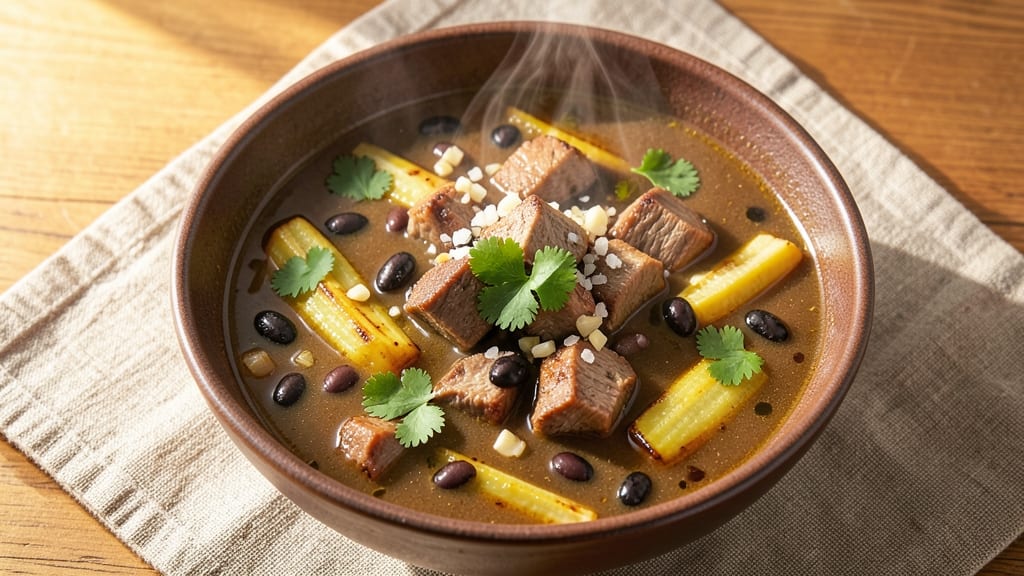
This Cuban soup recipe brings the heart of Havana to your kitchen with its rich blend of black beans, tender pork, and sweet plantains—all simmered into one deeply flavorful stew.
The secret lies in the slow cooking process, where spices meld together to create layers of smoky, citrusy depth that defines Cuban comfort food.
I first tasted this dish at a family gathering in Miami, where it was served with crispy tostones and warm white rice—an experience that inspired me to perfect this recipe at home.
The beauty of this soup is its versatility—it’s hearty enough for a cold evening but light enough for a summer lunch when paired with fresh avocado and lime. Traditional Cuban cuisine balances bold flavors with simple ingredients, and this recipe delivers that authenticity without requiring specialized techniques.
The key is letting the soup simmer for at least two hours, allowing the pork to become fork-tender and the plantains to caramelize just enough to add natural sweetness.
What you’ll end up with is a steaming bowl of black bean and plantain stew that’s rich, aromatic, and bursting with citrusy brightness from the lime and orange juice.
The plantains soften into tender slices, the black beans hold their shape yet dissolve into the broth, and the pork falls apart at the touch of a fork. Every spoonful carries the essence of Cuban home cooking—warm, inviting, and impossible to resist.
Serve it with a side of tostones (twice-fried green plantains) or yuca con mojo for the full experience, or let the soup stand alone as a satisfying main dish.
The leftovers only get better as the flavors deepen over time, making this the perfect recipe for meal prep or a cozy family dinner. Let’s get cooking!
Ingredients for cuban soup
Sixteen ingredients blend into a soul-warming Cuban stew with layers of smoky, citrusy depth.
| Ingredient | Amount | Notes |
|---|---|---|
| Black Beans 🌱 | 2 cups | Dried, soaked overnight preferred |
| Pork Shoulder 🐖 | 2 lb | Bone-in for richer flavor |
| Green Plantains 🍌 | 2 whole | Ripe but firm, sliced thick |
| Yellow Onion 🧅 | 1 whole | Medium, diced |
| Garlic Cloves 🧄 | 6 cloves | Fresh, minced |
| Fresh Cilantro 🌿 | ¼ cup | Chopped, for garnish |
| Bell Pepper 🌶️ | 1 whole | Red or green, diced |
| Tomato Paste 🍅 | ½ cup | Smooth, not chunky |
| Fresh Lime Juice 🍋 | ¼ cup | Strained, for brightness |
| Orange Juice 🍊 | ½ cup | Freshly squeezed |
| Olive Oil 🫒 | ¼ cup | Extra-virgin for richness |
| Ground Cumin 🌿 | 1 tbsp | Toasted for depth |
| Ground Coriander 🌿 | 1 tsp | Freshly ground preferred |
| Bay Leaves 🌿 | 2 whole | Dried, standard size |
| Salt 🧂 | 1 ½ tsp | Kosher or sea salt |
| Black Pepper 🌶️ | ½ tsp | Freshly ground |
The pork shoulder is non-negotiable here—bone-in delivers richer flavor as it simmers. Look for well-marbled cuts at Whole Foods or your local butcher shop, where they can trim excess fat for you. Costco often has pre-cut pork shoulder at a great price, but check for freshness by ensuring the meat has a vibrant red color and no off odors. The black beans should be dried and plump; rinse them well before soaking to remove debris. If you're short on time, canned black beans work in a pinch, but they lack the earthy depth of dried. For the plantains, pick ones that are green with a slight yellow tint—they should yield slightly when pressed but not be mushy. Latin markets often carry the best selection, but most grocery stores stock them near the bananas. The bell pepper adds freshness; red gives a sweeter note while green stays more vegetal.
No fresh cilantro? Dried cilantro or parsley at half the amount works, though it lacks the bright, citrusy punch. Running low on orange juice? Substitute with an extra splash of lime juice and a pinch of sugar to balance. The tomato paste can be swapped for fire-roasted crushed tomatoes if you prefer a chunkier texture, though the paste helps thicken the soup. Ground cumin is essential for that signature Cuban warmth, but if you're out, smoked paprika adds a similar depth. For the lime juice, bottled works but fresh is always better—just roll the lime on the counter first to release more juice. The olive oil should be extra-virgin; cheaper oils can make the dish taste flat. If you're making this ahead, prep the plantains and pork the night before for a hands-off cooking day.
This soup tastes even better the next day as flavors meld. Store in an airtight container in the fridge for up to 5 days, or freeze for 3 months in portion-sized containers. Reheat gently on the stove with a splash of water or broth to restore moisture. The plantains will soften further with reheating, so adjust cooking time if reheating from scratch. For meal prep, double the batch and freeze half—perfect for busy weeknights. The pork becomes fork-tender after simmering, so don’t rush it. If you’re serving with tostones or yuca con mojo, assemble everything just before eating so the sides stay crispy. The citrus juices can be added back after reheating to brighten the flavors.
Why You'll Love This Recipe
- One-Pot Magic: I swear by this—dump everything in one pot, let it simmer, and walk away. No chopping boards to scrub, no extra pans, just rich, smoky pork and tender plantains melting into the beans. (Between us, I’ve made it twice while scrolling through my phone.)
- Garlic-Pork Bomb: That slow-cooked pork shoulder? It falls apart like it’s been braising for hours, but honestly, it’s foolproof. The garlic and onions caramelize into something deep and savory, while the plantains add this sweet, almost caramelized bite that balances everything. My husband licks the spoon—no joke.
- Leftovers That Shine: This soup only gets better the next day. The flavors meld into something heartier, and the plantains soften just enough to be creamy. I make a double batch on Sundays because it’s my go-to for lunches, potlucks, or when company drops by. (Yes, even on a Tuesday night.)
- Budget-Friendly Feast: Pork shoulder and black beans stretch into a meal that feeds four for under $15. The plantains add that special touch without breaking the bank, and honestly, it’s the kind of dish where you end up with seconds because it’s just that satisfying. My college budget would’ve loved this.
Step-by-step instructions for Cuban soup recipe
Here's the method for creating a hearty, flavorful black bean and plantain stew with bright citrus notes.
Prepare the Pork Shoulder and Sauté the Aromatics
Cut the 2 lb pork shoulder into 1-inch cubes and set aside. In a large Dutch oven, heat the 0.25 cup olive oil over medium heat. Add the diced 1 whole yellow onion, diced 1 whole bell pepper, and the 6 cloves minced garlic cloves. Sauté for 5-6 minutes until the vegetables soften and the garlic becomes fragrant.
This foundational step builds flavor through the caramelization of onions and peppers. You'll know it's ready when the vegetables release from the bottom of the pan easily and develop a rich golden color. Add the 1 tbsp ground cumin, 1 tsp ground coriander, 1.5 tsp salt, and 0.5 tsp black pepper, stirring for 30 seconds to toast the spices.
Brown the Pork and Add the Tomato Paste
Increase heat to medium-high and add the pork shoulder cubes in batches, allowing each batch to brown for 2-3 minutes before adding more. This browning creates deep, meaty flavors that form the base of the soup. Once all pork is browned, return all pieces to the pot.
Stir in the 0.5 cup tomato paste and cook for 2 minutes, allowing it to darken slightly. This step deepens the sauce's richness and balances the bright citrus flavors we'll add later. Pour in 6 cups of water (or enough to cover the pork by about 1 inch) and add the 2 whole bay leaves. Bring to a simmer.
Cook the Pork Until Tender
Reduce heat to low and simmer uncovered for 1.5-2 hours, stirring occasionally, until the pork is fork-tender. The pork should pull apart easily with a fork and the cooking liquid should have reduced slightly. This slow cooking process ensures the meat becomes melt-in-your-mouth tender while developing rich, savory flavors.
About 30 minutes before the pork is done, add the 2 cups black beans (drained if previously soaked). The beans will absorb the pork's flavor while softening. If using dried beans, they should be fully tender by the end of the cooking time. Skim off any excess fat that rises to the surface during cooking.
Prepare and Add the Plantains
While the pork cooks, prepare the 2 whole green plantains by peeling and slicing into ½-inch thick rounds. Heat a separate skillet over medium heat and add a thin layer of olive oil. Cook the plantain slices for 3-4 minutes per side until golden brown and tender. Set aside.
When the pork is tender, add the cooked plantains to the soup along with the 0.5 cup orange juice and 0.25 cup fresh lime juice. Simmer for an additional 10 minutes to allow the citrus flavors to meld with the other ingredients. The plantains should be heated through but still hold their shape slightly.
Finish and Serve
Remove the 2 whole bay leaves and adjust seasoning if needed. The soup should be flavorful but balanced, with the citrus providing a bright contrast to the rich pork and beans. Ladle the soup into bowls, garnishing each serving with the 0.25 cup chopped fresh cilantro. Serve immediately with warm corn bread or crusty rolls.
Each spoonful should deliver a perfect balance of tender pork, hearty beans, sweet plantains, and the bright citrus zing that makes this Cuban soup truly special. The plantains should be tender but still hold their shape, and the broth should coat the back of a spoon with a rich, flavorful consistency.
Pro Tips For Making Cuban Soup
- Brown the Pork First: Skip the slow cooker shortcut—sear the pork shoulder chunks in a hot pot until they’re deep golden brown before adding liquid. I learned this the hard way: mushy pork ruins the whole dish. Five minutes of browning makes the difference between flavor and just another bean stew.
- Char the Onions: Don’t just chop the yellow onions—caramelize them until they’re sticky and dark at the edges. Sounds tedious, but it’s the thing that matters most for depth. Use medium heat and stir often; if they burn, start over.
- Soften Plantains Properly: Green plantains need to be cooked until they’re tender but still hold shape—no mushy bits. Cut them into 1-inch chunks, then simmer them in the broth for at least 20 minutes, stirring occasionally. I was skeptical until I tried it: undercooked plantains make the soup taste raw.
- Season the Beans Late: Hold off on adding salt until the beans are nearly done—otherwise, they’ll stay tough. After they’ve soaked (if using dried) or simmered for 30 minutes, add salt and let it mingle for the last 10. Your future self will thank you.
Best sauces and condiments for this dish
Citrus Brighteners
The secret to this soup’s vibrant flavor lies in its citrus components. Freshly squeezed orange juice and lime juice add a bright, tangy contrast to the rich pork and beans. I recommend using Florida orange juice for its natural sweetness, while Key lime juice (if available) brings an extra zing.
For a smoother texture, strain the lime juice through a fine-mesh sieve to remove pulp. 🍊
Spice Blends
Toasted ground cumin and ground coriander form the aromatic backbone of this soup. For extra depth, toast the spices in a dry skillet over medium heat for 30 seconds before adding them to the onions and peppers.
This step enhances their earthy notes and reduces bitterness. If you’re short on time, use smoked paprika as a substitute—it adds a subtle smokiness that pairs beautifully with the plantains.
Tangy Tomato Base
Tomato paste is essential for thickening the soup and adding umami depth. For a richer flavor, I like to use San Marzano tomato paste—it’s smoother and less acidic than standard brands. If you prefer a chunkier texture, replace it with fire-roasted crushed tomatoes and simmer for an extra 10 minutes to meld the flavors. The paste should darken slightly while cooking, deepening the sauce’s complexity.
Herbaceous Garnishes
Fresh cilantro is the perfect finishing touch, adding a bright, citrusy note that cuts through the richness. For a more intense flavor, pulse the cilantro in a food processor with 1 tbsp olive oil and a pinch of salt to make a quick chimichurri-style garnish.
If cilantro isn’t available, fresh parsley works well, though it lacks the same citrusy punch. A sprinkle of crushed red pepper flakes adds a subtle heat for those who enjoy a little kick.
Smoky Depth
For a smoky twist, add 1 tsp chipotle powder or ½ tsp liquid smoke when simmering the pork. This enhances the Cuban flavors without overpowering the citrus. If you’re using dried chipotle, toast it lightly in a dry pan to mellow its heat.
The smoke pairs beautifully with the caramelized plantains and tender pork, adding another layer of complexity to the soup. 🔥
Acid Balance
If the soup tastes too heavy after reheating, balance it with a splash of fresh lime juice or a pinch of sugar. The citrus brightens the flavors, while the sugar rounds out any sharpness.
For a tangier finish, add 1 tbsp apple cider vinegar—it mimics the acidity of fresh citrus while adding a subtle depth. Adjust to taste, as the soup’s flavor evolves over time, especially after reheating.
Nutrition facts
Frequently asked questions about Cuban soup
Can I make this Cuban soup vegetarian?
Replace the pork shoulder with 2 cups of extra-firm tofu or 1 lb of hearty mushrooms like portobello or shiitake. For a meatier texture, use 1 cup of lentils instead. The plantains and beans will still provide plenty of heartiness, and you can boost umami with 1 tbsp soy sauce or ½ tsp liquid smoke.
Why do I need to simmer the pork for so long?
The long simmering time (1.5-2 hours) is key to breaking down the pork's connective tissue, making it fork-tender while developing deep, rich flavors. This slow cooking process also allows the spices and citrus to meld together, creating that signature Cuban taste. Skipping this step results in tough meat and less flavorful broth.
What can I serve with Cuban soup?
Traditional pairings include tostones (twice-fried green plantains), yuca con mojo (shredded yucca with garlic sauce), or white rice. For a complete meal, add warm corn bread or crusty rolls. The crispy textures contrast beautifully with the creamy soup, making it a satisfying Cuban-style feast.
How do I store and reheat leftovers?
Store in an airtight container in the fridge for up to 5 days or freeze for 3 months. Reheat gently on the stove with a splash of water or broth to restore moisture. The plantains will soften further, so reheat just until warmed through. For extra brightness, add a splash of fresh lime juice when reheating.
Can I use canned beans instead of dried?
Yes, but dried beans develop deeper flavor. If using canned, rinse well to remove excess sodium. For the best texture, add them 30 minutes before the pork is fully cooked so they absorb the rich broth. You may need to add ½ cup extra water since canned beans release less starch than soaked dried beans.