
Soups & Stews
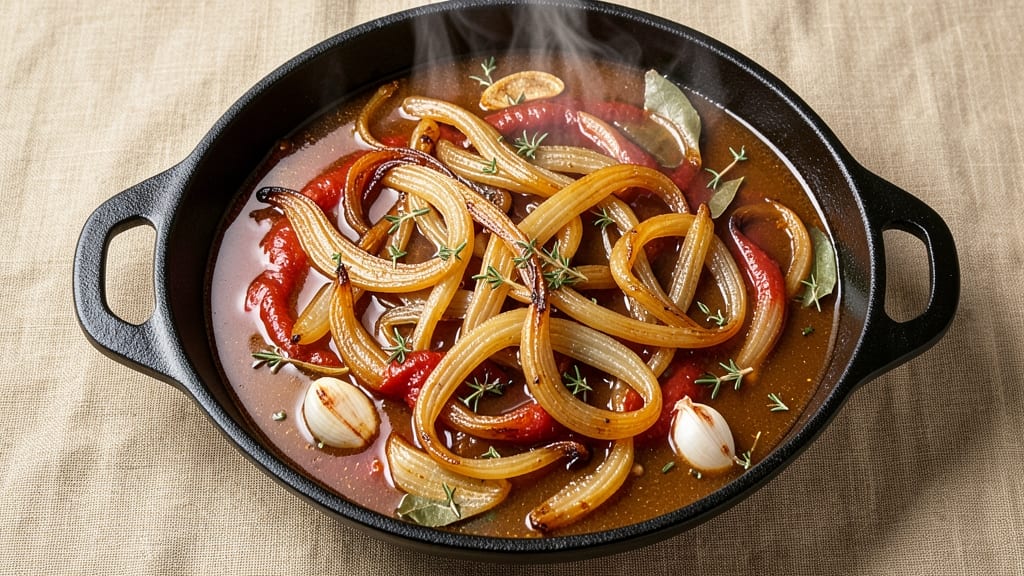
The secret to authentic French onion soup lies in its rich, deeply caramelized broth—where layers of umami and sweetness transform simple onions into a flavor foundation worth simmering hours for.
This isn't just any stock; it's the backbone of that iconic golden, bubbling soup, and the technique I'm sharing today ensures every spoonful delivers restaurant-quality depth. The key? Patience in caramelization and precise seasoning that builds complexity without bitterness.
What makes this broth special is the balance of sweetness from slow-cooked onions and the savory depth of beef stock, enhanced by a touch of tomato paste and aromatic herbs.
Unlike quick versions, this method develops flavor through 30 minutes of gentle caramelization followed by a 2-hour simmer, creating a velvety texture and concentrated onion essence that elevates any dish.
The result is a broth so rich it works as a sauce for steak, a base for risotto, or the star of your French onion soup.
By the time you strain this broth, you'll have a deep amber liquid with layers of flavor—sweet, caramelized onions; umami from beef stock; and herbal notes that make it irresistible. The secret weapon here is the tomato paste, which adds subtle acidity and prevents the broth from becoming one-dimensional.
Store it in the fridge for up to 5 days or freeze for months, ensuring you always have restaurant-quality flavor at your fingertips.
This isn't just a broth—it's a flavor multiplier. Use it as the base for your French onion soup, drizzle it over grilled meats, or reduce it into a glaze for roasted vegetables.
The possibilities are endless, and the process is straightforward once you master the caramelization step. Let's get started on creating a broth that will make your taste buds sing.
Ingredients for french onion soup broth
Simple ingredients, big flavor—this caramelized onion base transforms into a velvety broth.
| Ingredient | Amount | Notes |
|---|---|---|
| Yellow Onions 🧅 | 4 lb | Sweet or yellow, sliced thin |
| Beef Stock 🍲 | 8 cups | Homemade or high-quality store-bought |
| Tomato Paste 🍅 | 2 tbsp | Smooth, no sugar added |
| Fresh Thyme Leaves 🌿 | ½ cup | Or 1 tbsp dried thyme |
| Fresh Bay Leaves 🌿 | 2 whole | For aromatic depth |
| Garlic Cloves 🧄 | 4 cloves | Peeled, lightly crushed |
| Unsalted Butter 🧈 | 4 tbsp | For caramelizing onions |
| White Wine 🍷 | 1 cup | Dry, like Chardonnay |
| Salt 🧂 | 2 tsp | Kosher or sea salt |
| Black Peppercorns 🌶️ | ½ tsp | Freshly cracked |
The onions are the star—4 pounds of sweet yellow ones, sliced paper-thin for maximum surface area. Whole Foods or Trader Joe's carry the best for this (no bruised spots!). Caramelizing them low and slow for 30 minutes builds that deep sweetness. Butter helps here—don't skip the full-fat version. The beef stock? Kitchen Basics or Pacific Foods are my go-tos for restaurant-quality depth. If you're making your own stock, use beef bones and a splash of vinegar for extraction.
No white wine? Substitute with extra beef stock plus 1 tsp balsamic vinegar—it mimics the acidity. Fresh thyme is ideal, but dried works at one-third the amount. The tomato paste adds subtle acidity—no sugar added is key. If you're short on time, Trader Joe's tomato paste squeeze tubes are perfect (no waste, lasts forever). For garlic, roasted cloves add a sweeter note, but raw crushed works too. The bay leaves? Crush them slightly before adding—they release more aroma.
This broth keeps beautifully. Store in airtight containers in the fridge for up to 5 days—it actually gets better overnight as flavors meld. Freezes for 3-4 months without losing depth. I double the batch and freeze half—perfect for quick French onion soups later. The caramelized onions? Strain them out for the broth, but save them! Toss with breadcrumbs and cheese for a quick crouton topping.
Why You'll Love This Recipe
- Onion Love at First Slice: I’ll be real—caramelizing those yellow onions until they’re golden and jammy? That’s the easy part. The real magic happens when you fold in that beef stock and tomato paste—suddenly, your kitchen smells like a Parisian bistro, and you’ve got a base that’s ridiculously hard to mess up.
- Deep Umami Magic: Between us, the beef stock and tomato paste combo is where this broth gets its soul. That slow simmer with thyme and bay leaves? It’s like a warm hug for your taste buds—savory, slightly sweet, with just enough herbal brightness to keep it from feeling heavy.
- Soup, Stew, or Sauce: Here’s what sold me—this broth isn’t just for French onion soup. Use it as a base for a hearty beef stew, drizzle it over mashed potatoes, or even toss it with pasta for a one-pan wonder. (Yes, even on a Tuesday night.)
- Budget-Friendly Pantry Hero: Honestly, this recipe uses ingredients you’re probably already buying—onions, stock, spices. A big batch costs me less than takeout for two, and it keeps in the fridge for days without losing its depth. Freeze half for when you’re too tired to cook.
Step-by-step instructions for French onion soup broth
Here's how to build rich, caramelized onion broth that forms the soul of classic French onion soup.
Caramelize the Onions Slowly Over Low Heat
Melt the 4 tablespoons unsalted butter in a large, heavy-bottomed pot over medium-low heat. Add the 4 pounds yellow onions, sliced thin, and stir to coat evenly. The onions should sizzle gently without browning immediately—this is key for deep caramelization.
Reduce heat to low and let the onions cook undisturbed for 30 minutes, stirring occasionally. You're looking for a deep golden color and sweet aroma—this is where the magic happens. The onions will release moisture and reduce down significantly. If they start to stick, add a splash of water and scrape the bottom with a wooden spoon to release all those flavorful browned bits.
After 30 minutes, increase heat to medium and continue cooking for another 20-30 minutes until the onions are deep brown and almost jam-like in texture. This slow process develops complex caramelized flavors that form the foundation of your broth. Don't rush this step—patience is everything in French onion soup.
Build Flavor with Aromatics and Wine
Once the onions are beautifully caramelized, stir in the 2 tablespoons tomato paste and cook for 2 minutes until it darkens slightly and blends completely. This adds depth and balances the sweetness of the onions. Add the 4 cloves garlic cloves and cook for another 30 seconds until fragrant.
Pour in the 1 cup white wine and scrape up any browned bits from the bottom of the pot. Let the wine simmer for 3-4 minutes until it reduces by about half. This step deglazes the pot and adds bright acidity to cut through the richness of the caramelized onions. The wine should smell noticeably more concentrated by the end.
Add the 8 cups beef stock, 2 whole fresh bay leaves, and 0.5 cup fresh thyme leaves. Bring to a gentle simmer and let it cook uncovered for 20 minutes. This allows the flavors to meld together while reducing the broth slightly for more concentrated flavor. You'll notice the aroma becoming more complex and inviting as the broth develops.
Season and Finish the Broth
Stir in the 2 teaspoons salt and 0.5 teaspoon freshly cracked black peppercorns. Taste the broth and adjust seasoning if needed—you want it to be rich and flavorful but not overwhelmingly salty. The broth should coat the back of a spoon with a velvety texture and deep umami flavor from the caramelized onions.
Simmer the broth for another 10-15 minutes to let all the flavors fully integrate. You're looking for a reduction that creates a thick, luxurious consistency perfect for French onion soup. The broth should be deep golden in color with visible caramelized onion bits suspended throughout. If it reduces too much, you can add a splash of water or beef stock to reach your desired consistency.
Remove the pot from heat and let the broth sit for 5 minutes before serving. This resting period allows any remaining starches to fully dissolve and the flavors to settle. Strain if you prefer a smoother texture, or leave the onion bits in for added texture and visual appeal. Your French onion soup broth is now ready to be transformed into the classic soup or used in other recipes.
Pro Tips For Making French Onion Soup Broth
- Sweat the Onions Slow: I used to rush this step and ended up with bitter, charred onions—no matter how much stock you add, you can’t fix that. Get your pan hot but don’t walk away; keep it at medium-low and stir every 30 seconds until the onions turn deep golden and translucent. That’s when they’ll melt into the broth like silk.
- Toast the Tomato Paste: Skip this, and your soup will taste flat. Spread that 1-2 tablespoons of tomato paste into the pan before adding stock—let it sizzle for 30 seconds until it darkens slightly. It’s the non-negotiable step that turns "oniony" into "rich and layered."
- Save the Bay Leaf: Don’t toss the whole thing in at once. Crumple that bay leaf first—it releases flavor faster and more evenly. And for the love of soup, remove it before serving. I’ve had guests fish it out mid-bite, and it’s not a pretty sight.
- Simmer, Don’t Boil: After adding stock, keep the heat low enough that only tiny bubbles break the surface. Boiling burns the stock and makes the broth bitter. If you’re not sure, your broth should look like it’s breathing, not seething. Patience here makes all the difference.
Flavor customization for these flavors
Sweet vs. Savory Balance
Adjust the caramelization time to control sweetness—30 minutes gives classic sweetness, while 45 minutes adds deeper caramel notes. For extra depth, add 1 tsp brown sugar during the last 10 minutes of caramelization.
If you prefer a more savory profile, reduce wine to ½ cup and add 1 tsp soy sauce with the stock for umami richness. 💛
Herbal Variations
Swap thyme for rosemary (½ cup) for a piney aroma or add 1 sprig fresh tarragon for an anise-like note. For a Mediterranean twist, include 2 dried oregano leaves and 1 cinnamon stick during simmering—remove before serving. I love adding 1 tsp smoked paprika at the end for subtle smokiness.
Vegetarian Adaptation
Replace beef stock with 8 cups mushroom stock (blend 1 lb mushrooms with water) and add 1 tbsp balsamic vinegar for depth. Use vegetable oil instead of butter for caramelizing. For extra umami, stir in 1 tbsp nutritional yeast at the end. The texture remains rich but plant-based.
Spicy Kick Options
Add ½ tsp cayenne pepper with the tomato paste for gentle heat or 1 tbsp gochujang (Korean chili paste) when adding wine for bold spice. For smoky heat, include ½ tsp chipotle powder with the stock.
Balance with 1 tsp honey if needed—this creates a sweet-spicy contrast that works beautifully in soups.
Richness Boosters
For extra decadence, stir in 4 oz cream cheese during the final 5 minutes of simmering—it creates a velvety texture. Alternatively, add ½ cup heavy cream at the end for a luxurious finish. For depth, include 1 tbsp Worcestershire sauce with the stock (vegetarian version: 1 tbsp coconut aminos).
Acidity Adjustments
Increase acidity with 1 extra tbsp balsamic vinegar if the broth tastes flat. For brightness, add 1 tbsp lemon juice at the end. If using tomato paste, ensure it's no sugar added to avoid masking flavors. The wine reduction naturally adds acidity—don't skip this step for balanced flavor. 🍷
Nutrition facts
Frequently asked questions
Can I make this broth without white wine?
Substitute the wine with ½ cup extra beef stock plus 1 teaspoon balsamic vinegar to maintain acidity and depth. The key is balancing the sweet caramelized onions with a touch of acid—this combo works perfectly without alcohol.
How long can I store this caramelized onion broth?
Store in airtight containers in the fridge for up to 5 days—it actually improves overnight as flavors meld. For long-term storage, freeze for 3-4 months—the caramelized onions stay vibrant when thawed. Pro tip: Label with the date to track freshness.
What's the best way to use leftover caramelized onions?
Save those rich, jammy onions! Toss with 2 tbsp breadcrumbs and ½ cup grated Gruyère for instant croutons, or mix into mashed potatoes for extra depth. They're also perfect stirred into risotto or melted into a cheese sauce.
Can I make this vegetarian?
Yes! Replace beef stock with 8 cups mushroom stock (simmer 1 lb mushrooms with water and herbs) and add 1 tbsp balsamic vinegar for umami. Use vegetable oil instead of butter, and the result will be rich, savory, and completely plant-based.
Why does my broth taste bitter?
Over-caramelizing or burning the onions causes bitterness. Keep heat medium-low and stir occasionally to prevent browning. If it happens, balance with 1 tsp honey or ½ cup extra stock to dilute. The wine reduction step also helps prevent bitterness by adding acidity.