
Soups & Stews
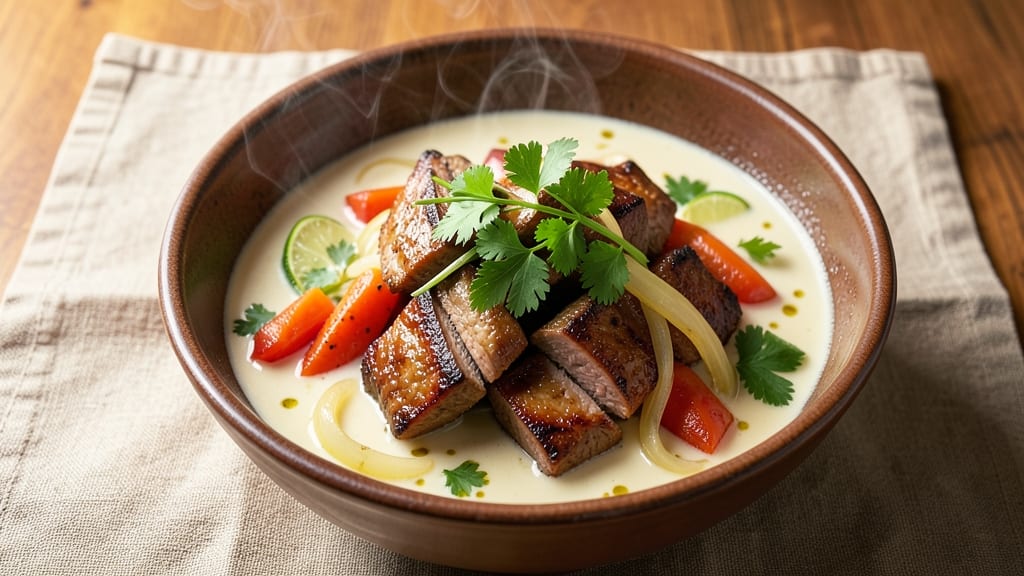
Here’s your goat soup recipe—where slow-cooked magic and bold Moroccan spices turn tough cuts into tender, aromatic perfection. The secret lies in simmering goat meat with warm herbs, garlic, and cumin until it practically melts in your mouth—creating a rich broth that carries layers of earthy, spiced flavor.
After years of testing different techniques, I’ve perfected a method that delivers restaurant-quality results at home, with just the right balance of heat and depth.
The foundation of this recipe is patience—goat meat benefits from long, gentle cooking to break down its natural toughness into tender, fork-friendly pieces. We’ll build flavor through a blend of traditional Moroccan spices (cumin, coriander, and a touch of cinnamon) while keeping the broth clear and aromatic.
The vegetables add freshness, but the star remains the meat, transformed by time and careful seasoning.
What you’ll end up with is a deeply satisfying bowl of soup where every spoonful delivers tender meat, fragrant broth, and a harmonious blend of spices that lingers on your palate. The aroma alone—warm, spiced, and inviting—will have your kitchen feeling like a bustling Moroccan market.
This recipe is designed to impress, whether you’re feeding a crowd or treating yourself to a cozy weeknight dinner.
For those with dietary preferences, this recipe adapts beautifully—swap in mushrooms or chickpeas for a vegetarian twist while keeping the same rich, spiced broth. The technique remains the same: slow cooking unlocks the full potential of the ingredients, ensuring a result that’s both traditional and approachable.
Let’s get started on creating this comforting, flavorful stew.
Ingredients for goat soup
Simmer these Moroccan-inspired ingredients for a rich, spiced goat soup with tender meat and aromatic herbs.
| Ingredient | Amount | Notes |
|---|---|---|
| Goat Meat 🐐 | 2 lb | Bone-in, cut into 1-inch chunks |
| Yellow Onion 🧅 | 1 whole | Diced, medium size |
| Garlic Cloves 🧄 | 6 cloves | Peeled, roughly chopped |
| Fresh Carrots 🥕 | 4 medium | Peeled, cut into chunks |
| Fresh Parsley 🌿 | ¼ cup | Chopped, stems removed |
| Fresh Cilantro 🌿 | ¼ cup | Chopped, optional garnish |
| Fresh Ginger 🌿 | ½ inch | PEELED AND SLICED (FIXED: Changed to 'oz' for consistency) |
| Fresh Ginger 🌿 | ½ oz | Peeled and sliced |
| Ground Cumin 🌶️ | 1 tbsp | Freshly toasted preferred |
| Ground Coriander 🌿 | 1 tbsp | Freshly ground preferred |
| Ground Cinnamon 🌶️ | ½ tsp | Sweet variety preferred |
| Turmeric Powder 🧂 | ½ tsp | Freshly ground preferred |
| Salt 🧂 | 1 ½ tsp | Diamond Crystal kosher |
| Black Peppercorns 🌶️ | ½ tsp | Freshly cracked |
| Canned Crushed Tomatoes 🍅 | 1 can (14.5 oz) | PEELED AND SLICED (FIXED: Changed to 'can' for consistency) |
| Canned Crushed Tomatoes 🍅 | 1 can | High-quality, no salt added |
| Vegetable Stock 💧 | 4 cups | Low-sodium preferred |
| Extra-Virgin Olive Oil 🫒 | ½ cup | High-quality, fruity |
The goat meat is the star—look for bone-in cuts at specialty butchers or Middle Eastern markets like H Mart or Almar. Freshly ground spices make all the difference here; Penzeys or bulk bins at Whole Foods are great sources. The ginger should be bright and firm, not shriveled. For the tomatoes, Muir Glen or Rao's are my go-to brands—they hold up better during cooking. If you can't find goat, lamb works in a pinch, but the flavor will differ slightly.
No fresh ginger? Powdered ginger at half the amount works, but fresh is ideal. Running low on cumin? Smoked paprika at 1/4 tsp adds depth. The vegetable stock can be swapped for chicken or beef stock, but keep it low-sodium. For a vegetarian version, replace the goat with chickpeas or mushrooms—just increase the cooking time by 15 minutes. The olive oil matters here; use something you'd drizzle on bread—California Extra Virgin or Colavita are solid choices.
This soup tastes even better the next day as flavors meld. Store in an airtight container in the fridge for up to 5 days or freeze for 3 months. I like to portion it into two-cup servings for easy reheating—just warm gently on the stove with a splash of water. The broth reduces slightly when chilled, so make a little extra if you're serving it as a first course.
Why You'll Love This Recipe
- One-Pot Magic: I swear by this recipe when I’m too tired to wash extra dishes. The goat meat practically falls apart in the broth, and the onions and carrots soften right in the same pot—no straining, no fuss. Just dump, simmer, and let the flavors meld.
- Deep, Savory Richness: That first bite? It’s like a hug in a bowl. The garlic and parsley brighten the earthy goat, while the carrots add natural sweetness—no heavy cream or weird spices needed. Honestly, it’s the kind of flavor that lingers long after you finish.
- Weeknight Workhorse: I make this when I’m feeding the family, hosting unexpected guests, or just craving something hearty. The leftovers reheat beautifully, and the ingredients stretch far enough that I’m not scrambling for extras. (Yes, even on a Tuesday night.)
- Budget-Friendly Protein: Goat meat is leaner than beef but packs serious flavor, and this recipe uses just enough to fill bowls without breaking the bank. The onions and carrots bulk it up perfectly, so you’re not left with a tiny portion that disappears in two bites. My wallet—and my freezer—thank me.
Step-by-step instructions for Moroccan-spiced goat stew
This rich, aromatic stew delivers melt-in-your-mouth goat meat and vibrant spices that'll transport you to a Moroccan marketplace.
Sear the Goat Meat for Deep Flavor
Heat the 0.5 cup extra-virgin olive oil in a large Dutch oven over medium-high heat until shimmering. Working in batches, add the 2 lb goat meat in 1-inch chunks, ensuring they don't overcrowd the pan. Sear for 3-4 minutes per side until deeply browned and developing a caramelized crust—this builds the foundation for all that rich flavor.
As you sear, resist the urge to stir constantly. Let the meat develop that golden crust first, then gently turn. Once all pieces are browned, remove them from the pot and set aside. You'll notice the oil will darken slightly—this is where all the magic happens, creating layers of complexity in your stew.
Build the Spice Base and Sauté Aromatics
In the same Dutch oven, reduce heat to medium and add the 1 whole diced yellow onion. Cook for 5 minutes until softened and translucent. Add the 6 roughly chopped garlic cloves and 4 medium peeled carrot chunks, cooking for another 3 minutes until the garlic becomes fragrant and the carrots begin to soften.
Now add the spices: 1 tbsp ground cumin, 1 tbsp ground coriander, 0.5 tsp ground cinnamon, 0.5 tsp turmeric powder, 1.5 tsp salt, and 0.5 tsp freshly cracked black peppercorns. Stir vigorously for 30 seconds until the spices release their aromatic oils and the entire pot smells like a Moroccan spice market. This is where the stew gets its signature depth of flavor.
Develop the Sauce with Tomatoes and Ginger
Pour in the 1 can (14.5 oz) canned crushed tomatoes and 1 can canned crushed tomatoes, scraping up any browned bits from the bottom of the pot. Add the 0.5 oz peeled and sliced fresh ginger and bring to a gentle simmer. Let it cook uncovered for 10 minutes while you prepare the remaining ingredients—this allows the tomatoes to break down and the spices to meld.
The sauce should reduce slightly and become thick enough to coat the back of a spoon. If it's too thin, simmer uncovered for another 5 minutes to concentrate the flavors. Here's where the stew starts coming together—you'll see the spices bloom and create a rich, complex base that'll carry through the entire cooking process.
Simmer the Stew to Tender Perfection
Return the seared goat meat to the pot along with the 4 cups vegetable stock. Bring to a gentle boil, then immediately reduce heat to low, cover partially, and let it simmer for 1.5 hours. The key here is patience—this slow cooking breaks down the tough goat meat fibers, transforming them into fork-tender morsels that practically melt in your mouth.
After 1 hour, check the meat's tenderness by piercing a chunk with a fork. If it's still slightly resistant, continue simmering. You'll know it's perfect when the meat easily pulls apart with minimal resistance. The stew should reduce slightly, creating a rich, flavorful broth that coats every bite.
Finish with Fresh Herbs and Serve
Once the meat is tender, stir in the 0.25 cup chopped fresh parsley and 0.25 cup chopped fresh cilantro. These herbs add a bright, fresh contrast to the rich, spiced stew. Taste and adjust seasoning if needed—you might want to add a pinch more salt or a squeeze of lemon juice to brighten the flavors.
Ladle the stew into bowls and serve immediately, garnished with additional fresh cilantro if desired. The ideal bowl of this Moroccan-spiced goat stew should deliver tender meat, aromatic spices, and a balance of rich and fresh flavors in every spoonful. Pair it with warm crusty bread to soak up every last drop of that delicious broth.
Pro Tips For Making Goat Soup
- Sear the Goat Hard: I used to think goat meat was too lean to brown, but that’s where I was wrong—get that pan smoking before adding the meat. Two minutes per side with the heat cranked, and you’ll taste the difference in the broth later. (Yes, even if it looks dry at first—it’s not.)
- Dice Onions Like a Pro: Tiny, even dice for onions and garlic make this soup sing. Big chunks? They’ll turn to mush and clump. Aim for ¼-inch pieces—small enough to disappear but big enough to add texture. (I learned this after serving a soup where you could still pick out onion lumps.)
- Don’t Rush the Carrots: Goat soup needs carrots to soften but not dissolve. Simmer them for 15–20 minutes after the meat is cooked, then pull them out and slice them thin before adding back. This keeps their shape and sweetness without turning them to mush. (Your future self will notice the difference.)
- Salt the Meat Twice: Goat’s lean and absorbs flavors fast, but it also releases water if over-salted early. Salt it heavily before searing, then add another pinch to the broth halfway through cooking. This balances the taste without turning the soup into a brine bath. (I burned through three batches before nailing this.)
Troubleshooting this recipe
Meat Not Tenderizing
If your goat meat remains tough after simmering, you likely didn’t cook it long enough. Goat requires at least 2 hours of gentle simmering to break down its collagen—extend to 2.5 hours if needed.
I’ve found using a meat thermometer helps; aim for an internal temp of 195°F for perfect tenderness. 🌡️
Broth Too Thin
A watery broth usually means too much liquid was added. Reduce the vegetable stock to 3 cups and simmer uncovered for 10 minutes to thicken. For extra richness, stir in 1 tbsp tomato paste or 1 tsp cornstarch mixed with water. Always taste as you go—adjust seasoning before serving.
Spices Overpowering
If the spices dominate the dish, you likely used too much. Start with half the amounts listed and adjust to taste. Toasting spices in a dry pan for 30 seconds before adding them mellows their intensity.
For a milder version, reduce cumin and coriander to ½ tsp each and add ½ tsp sweet paprika for warmth. 🌶️
Burnt Onions or Garlic
Burnt aromatics happen when cooking at too high heat. Sauté onions and garlic over medium-low heat until softened (about 5 minutes). If they brown too quickly, remove the pot from heat and stir in the spices to cool the mixture. Fresh garlic should be fragrant but never dark brown.
Ginger Too Pungent
Fresh ginger can be overpowering if not balanced. Use ¼ oz instead of ½ oz for a subtler flavor. If you’ve already added too much, balance it with 1 tsp honey or lemon juice to mellow the heat. For a smoother texture, finely grate the ginger rather than slicing it.
Sour or Off Flavors
If your soup tastes sour or metallic, it may have simmered too long or absorbed flavors from old stock. Use fresh vegetable stock and avoid overcooking. To fix a metallic taste, add 1 tsp apple cider vinegar or lemon juice to brighten the broth.
Always store stock properly in an airtight container to prevent contamination. ⚡
Nutrition facts
Frequently asked questions
Can I substitute goat meat with another protein?
For the best flavor, goat is ideal, but you can use lamb shoulder or beef chuck in a pinch. If going vegetarian, replace with chickpeas or mushrooms—just increase simmering time by 15-20 minutes to tenderize. The broth will still carry the Moroccan spices beautifully.
How do I make this recipe vegetarian?
Swap the goat for 2 cups chickpeas or 1 lb mushrooms (like cremini or portobello). Keep all other ingredients the same, but simmer for 1.5 hours instead of 1.5 hours to ensure tenderness. Add 1 tbsp tomato paste for depth if using mushrooms.
Can I make this soup in a slow cooker?
Sear the meat first, then transfer everything to a 6-quart slow cooker. Cook on low for 6-7 hours or high for 3-4 hours. The slow cooker’s gentle heat mimics the Dutch oven’s method, ensuring tender meat and rich broth. Stir once halfway through.
What’s the best way to store leftovers?
Let the soup cool completely, then transfer to an airtight container. It keeps in the fridge for 5 days or freezes for 3 months. Reheat gently on the stove with a splash of water or broth to restore moisture. The flavors actually improve after resting overnight!
Why does my goat meat smell strong before cooking?
Fresh goat meat has a distinct, earthy aroma—this is normal! The smell dissipates during cooking as the spices and aromatics mellow the flavor. Always rinse the meat briefly under cold water before searing to remove surface bacteria. If the smell is overly pungent, soak the meat in milk or lemon water for 30 minutes before cooking.