
Soups & Stews
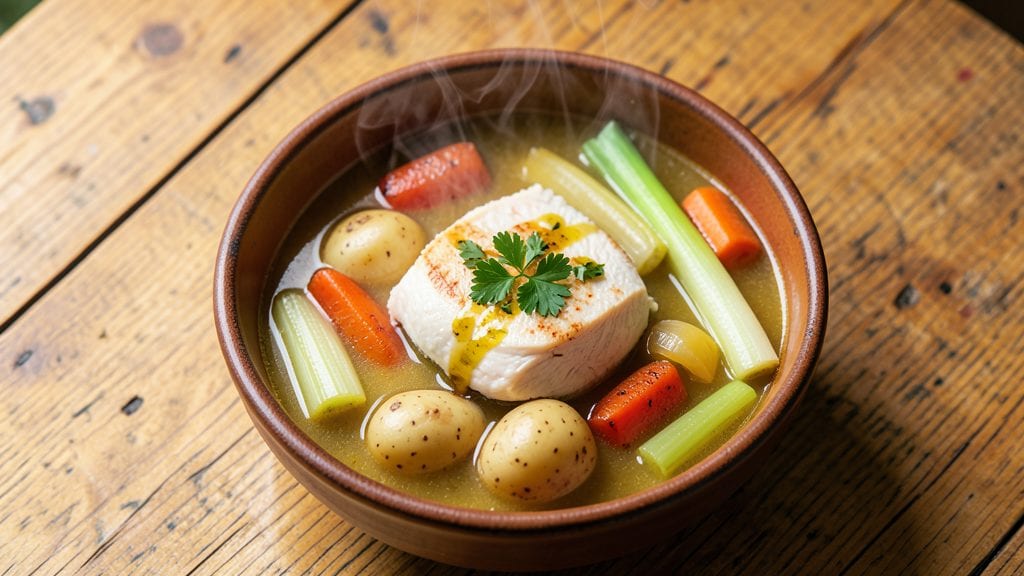
Grandma's chicken soup recipe isn't just a meal—it's a hug in a bowl, the kind that warms you from the inside out with every spoonful. I first learned this version from my grandmother, who swore by herbed dill magic to transform simple ingredients into something extraordinary. The secret lies in slow-simmered broth, tender chicken, and fresh herbs that elevate ordinary vegetables into something truly special.
What makes this recipe timeless is its simplicity: just a few quality ingredients simmered together until flavors meld into perfect harmony. We'll start with a rich chicken broth, then build layers of comfort with carrots, celery, and potatoes that soften just enough to soak up all that delicious flavor.
The star? Fresh dill and parsley, which add brightness and depth that store-bought soups can never match.
By the time you're done, you'll have a steaming bowl of soup with tender chicken pieces, perfectly cooked vegetables, and a broth so flavorful it'll have everyone asking for seconds.
The aroma alone will fill your kitchen with warmth and nostalgia, making this more than just dinner—it's a taste of home. Ready to make it?
This recipe works equally well as a healing meal for cold season or a comforting weeknight dinner. The best part? It tastes even better the next day, so you can make a big batch and enjoy leftovers for days. Let's get started on this homestyle classic!
Ingredients for grandma's chicken soup
Simple ingredients that transform into a comforting bowl of homestyle chicken soup with herbed dill magic.
| Ingredient | Amount | Notes |
|---|---|---|
| Chicken Breast 🍗 | 2 lb | Boneless, skinless, cut into bite-sized pieces |
| Chicken Broth 💧 | 6 cups | Low-sodium, homemade or quality store-bought |
| Carrots 🥕 | 4 medium | Peeled, cut into 1-inch chunks |
| Celery Stalks 🧅 | 4 whole | Trimmed, cut into 1-inch pieces |
| Russet Potatoes 🥔 | 2 lb | Peeled, cut into 1-inch cubes |
| Yellow Onion 🧅 | 1 whole | Peeled, chopped |
| Garlic Cloves 🧄 | 4 cloves | Peeled, minced |
| Fresh Dill 🌿 | ¼ cup | Chopped, stems removed |
| Fresh Parsley 🌿 | ¼ cup | Chopped, stems removed |
| Extra-Virgin Olive Oil 🫒 | 2 tbsp | For sautéing vegetables |
| Salt 🧂 | 1 ½ tsp | Kosher or sea salt |
| Black Pepper 🌶️ | ½ tsp | Freshly ground |
| Bay Leaves 🌿 | 2 whole | Removed before serving |
The chicken is the heart of this soup, so look for plump, boneless breasts—they stay tender without getting rubbery. Trader Joe's and Costco often have great deals on family packs, which is perfect for making a big pot. Fresh herbs make all the difference here: farmers markets have the most vibrant dill and parsley, but grocery store bunches work too if you grab them early in the week. For the broth, homemade is ideal, but a quality low-sodium store-bought version (like Swanson or Pacific Foods) saves time without sacrificing flavor. The key is to skim any foam that rises while it heats—it keeps the broth clear.
No fresh dill? Dried works at one-third the amount, but it won’t have the same bright flavor. Running short on carrots? Sweet potatoes or butternut squash add a nice twist—just adjust cooking time since they’re denser. The potatoes should be Russet or Yukon Gold for that creamy texture; red potatoes hold their shape too well. For extra depth, toast your garlic cloves in olive oil for 30 seconds before adding them to the pot. That little step adds a whole new level of flavor. And if you’re using pre-cut veggies from the store, give them a quick rinse to remove any excess moisture that can make your soup watery.
This soup tastes even better the next day—make a double batch and freeze half for those lazy nights. Store leftovers in the fridge for 4-5 days, covered but not sealed tight so flavors can mingle. For freezing, portion into 2-cup containers—perfect for single servings. Reheat gently on the stove, stirring occasionally, and add a splash of broth if it gets too thick. The aroma alone will have your whole house smelling like Grandma’s kitchen. Trust me, the effort is worth it for that first spoonful.
Why You'll Love This Recipe
- Pantry-Friendly Staples: I swear by this recipe because it uses things I always have—chicken breast, carrots, celery, and potatoes. No fancy ingredients, just good, honest flavors that never let me down.
- Savory Depth in Minutes: That slow-simmered broth with tender chicken? The carrots and celery melt into the broth while the potatoes soak up every last bit of flavor—rich, warm, and impossible to resist.
- Lunchbox or Leftovers: Between us, this soup is my meal-prep hero. Pack it for work, reheat for dinner, or freeze half for when you’re too tired to cook. It’s that reliable.
- Budget That Works: A few chicken breasts, a bag of potatoes, and a bouillon cube stretch into four hearty servings. Honestly, it’s the kind of meal that makes grocery shopping feel like a win.
Step-by-step instructions for Grandma's chicken soup
Here's how to make this comforting classic with tender chicken and fragrant herbs.
Sauté the Vegetable Base
Heat a large pot over medium heat and add the 2 tablespoons extra-virgin olive oil. Once shimmering, add the chopped yellow onion and cook for 3-4 minutes until soft and translucent. Add the 4 whole celery stalks and 4 medium carrots, stirring occasionally for 5 minutes until they begin to soften.
This step builds flavor by caramelizing the vegetables slightly. If you notice the onions sticking, add a splash of the chicken broth to loosen them. Keep the heat steady—too high and they'll burn before softening. The vegetables should release their natural sweetness and create a fragrant foundation for the soup.
Brown the Chicken and Add Aromatics
Push the vegetables to one side of the pot and add the 2 lb chicken breast in bite-sized pieces to the empty space. Cook for 4-5 minutes until the chicken develops a golden-brown crust on all sides. Remove the chicken and set it aside temporarily.
In the same pot, add the 4 cloves minced garlic and cook for 30 seconds until fragrant. Immediately add the 2 whole bay leaves and stir for 10 seconds to infuse the oil with their flavor. This quick cooking prevents the garlic from burning while extracting its full aroma.
Simmer the Soup with Potatoes
Return the browned chicken to the pot and pour in the 6 cups chicken broth. Add the 2 lb russet potatoes cut into cubes. Bring the mixture to a gentle boil, then reduce heat to low and let it simmer uncovered for 20-25 minutes. The potatoes should be tender when pierced with a fork, and the chicken should be fully cooked.
I like to stir occasionally to prevent the potatoes from sticking to the bottom. If the soup looks too thin, you can add a little water, but the broth should provide enough liquid. The broth will deepen in flavor as it simmers, creating that rich, comforting taste we all love.
Finish with Herbs and Seasoning
Remove the 2 whole bay leaves and stir in the 0.25 cup chopped fresh dill and 0.25 cup chopped fresh parsley. Season with 1.5 teaspoons salt and 0.5 teaspoon black pepper. Taste and adjust the seasoning if needed—this is where you can really make the soup your own.
Let the soup sit off the heat for 5 minutes before serving. This resting time allows the flavors to meld together beautifully. The herbs will release their bright, fresh notes, balancing the richness of the chicken and potatoes. Serve hot with crusty bread for the ultimate comfort.
Pro Tips For Making Grandma'S Chicken Soup
- Sear the Chicken First: I used to skip this step, thinking it was just for fancy recipes, but searing the chicken breast before adding broth makes a real difference. Hit it hard in a hot pan with a little oil—just 2-3 minutes per side—until golden, then finish in the soup. That crust keeps the meat from turning rubbery.
- Cut Potatoes Evenly: Uneven potatoes mean some mushy, some undercooked. Cut them into 1-inch chunks—no smaller, or they’ll fall apart—and try to keep them roughly the same size. I learned this the hard way when my last batch had a few tiny pieces turning to mush while the bigger ones stayed firm.
- Don’t Boil the Celery: Celery gets bitter and slimy if you let it boil. Add it with the carrots, but pull it out after 5 minutes of simmering—just enough to soften slightly. Then fish it out and chop it fine for garnish. (Yes, it’s extra work, but it makes the soup taste fresh, not cooked.)
- Use Cold Broth: I was skeptical until I tried it—starting with cold broth instead of hot means the soup heats up faster and more evenly without scorching. Pour the cold broth over the seared chicken and veggies, then bring to a boil. The difference in texture and flavor is noticeable, even if it sounds counterintuitive.
Common mistakes when making great grandma's chicken soup
Overcooking the Chicken
I've seen this happen more times than I can count—chicken that's either rubbery or completely dry. The key is to remove the chicken from the pot when it reaches 165°F internal temperature, not when the broth is fully reduced.
Use a meat thermometer to check the thickest piece. If you're worried about it drying out, simmer the soup without the chicken for the last 5-10 minutes—just add it back in at the end. 🌡️
Skipping the Sauté
Some recipes rush straight to the broth, but sautéing your vegetables first builds deep, caramelized flavor that transforms ordinary soup into something extraordinary. Take 5 extra minutes to cook your onions, carrots, and celery until they're soft and fragrant.
This step is what makes the difference between store-bought and homemade. If you're short on time, at least sauté the onions and garlic—they're the flavor powerhouses of this soup.
Using High Heat
High heat causes vegetables to burn before they soften and makes the broth cloudy from released starches. Always maintain medium-low to low heat once the soup starts simmering. I like to keep my heat at about 3 out of 10—just enough to see gentle bubbles at the edges.
The broth will develop rich, complex flavors without turning bitter. If you notice the soup boiling vigorously, reduce the heat immediately.
Ignoring the Resting Time
Rushing to serve the soup right after cooking means missing out on that magical flavor melding that happens during the 5-minute rest. During this time, the herbs release their full aroma and the broth absorbs all those delicious juices from the chicken.
I promise, waiting those few minutes makes a world of difference. It's like letting the soup take a deep breath before you dig in.
Overloading the Pot
Crowding your pot leads to uneven cooking and watery soup. A good rule of thumb is to use a pot that's at least 8 quarts for this recipe—it gives everything room to cook properly.
If your pot is too small, the vegetables will steam instead of caramelize, and the chicken might end up in a broth bath rather than simmering in flavorful liquid. Trust me, investing in a good soup pot is worth it for this recipe. 🔥
Neglecting Fresh Herbs
Dried herbs can't replicate the bright, fresh flavor of chopped dill and parsley added at the end. If you're using dried, measure out one-third the amount and add them with the bay leaves at the beginning.
But honestly, fresh herbs make all the difference—especially that herbed dill magic Grandma swore by. If you're short on time, at least add the parsley fresh; it's more forgiving than dill.
Nutrition facts
Frequently asked questions
Can I use chicken thighs instead of breasts?
Chicken thighs add even more richness and stay juicier during long simmering. Just increase cooking time by 5-10 minutes since they're denser. The skin will render fat that makes the broth extra flavorful—just remove it before serving if you prefer a lighter soup.
How do I make this soup vegetarian?
Swap the chicken for 2 cups chickpeas or 1 lb mushrooms (like cremini or shiitake) for umami depth. Use vegetable broth instead of chicken broth and add 1 teaspoon soy sauce or 1 tablespoon nutritional yeast for that savory touch. The herbed dill magic still works perfectly!
Can I prepare this soup ahead of time?
This soup tastes even better the next day! Make it fresh and refrigerate for up to 5 days. For freezing, portion into 2-cup containers and store for 3 months. Thaw overnight in the fridge, then reheat gently on the stove—add a splash of broth if it thickens too much. The flavors deepen with time!
What if I don't have fresh dill?
Use 1 teaspoon dried dill (one-third the fresh amount) and add it with the bay leaves at the beginning. For extra flavor, combine it with ½ teaspoon dried thyme. While not identical, it still adds that herby brightness. Fresh parsley is more forgiving if you're short on time—just add it at the end.
How do I know when the potatoes are done?
Pierce a potato cube with a fork—it should slide in easily with no resistance. The edges should be soft but the center still slightly firm. If you prefer creamier potatoes, cook them 5 minutes longer. For chunkier texture, remove them when they're just tender. A taste test is your best guide!