
Soups & Stews
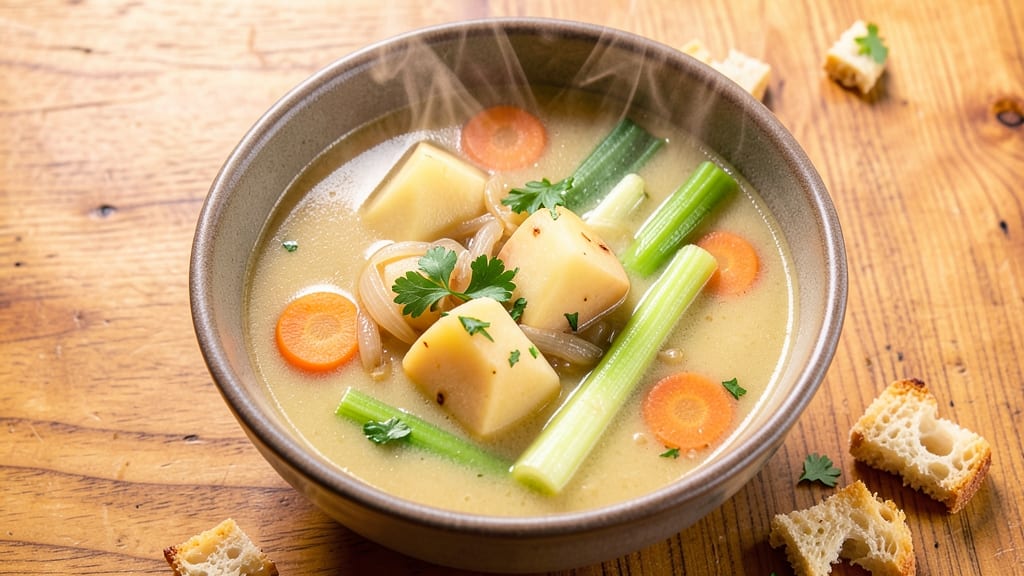
Grandma's potato soup recipe isn't just a meal—it's a memory in every spoonful, where velvety creaminess meets rustic herb depth that transforms simple ingredients into something extraordinary. The secret lies in slow simmering, which develops layers of flavor while keeping the potatoes perfectly tender.
I've perfected this version over years of testing, balancing traditional techniques with modern shortcuts that still honor the soul of grandma's kitchen.
This soup begins with a classic aromatic base of onions, celery, and carrots—what we call the "holy trinity" of flavor—sautéed until golden in rich butter. The potatoes then simmer gently in broth until fork-tender, while herbs like thyme and bay leaf infuse the liquid with their earthy warmth.
What makes this recipe truly special is the velvety finish: a touch of cream or milk, blended just until smooth, creates that signature creamy texture without losing the rustic character.
The result is a soup that's impossibly comforting—warm, aromatic, and perfectly balanced between creamy richness and herbaceous depth. Each bowl delivers that nostalgic flavor you crave when winter air bites, while still feeling fresh enough for everyday dinners.
Whether you're making it for a family gathering or a cozy night in, this potato soup delivers restaurant-quality warmth with minimal effort.
For those who love modern twists, you can adapt this recipe to an air fryer for crispy potato tops or use an Instant Pot for a quicker version that still captures all the flavor.
The beauty of grandma's potato soup is its versatility—it's a blank canvas for your favorite herbs, cheeses, or even a crispy bacon garnish. Let's get cooking!
Ingredients for grandma's potato soup
Simple pantry staples that transform into nostalgic, velvety potato soup with rustic herb depth.
| Ingredient | Amount | Notes |
|---|---|---|
| Unsalted Butter 🧈 | ½ cup | Cold, cut into small pieces |
| Yellow Onions 🧅 | 2 medium | Diced, about 1.5 cups |
| Celery Stalk 🥬 | 3 whole | Diced, about 1.5 cups |
| Carrots 🥕 | 3 medium | Diced, about 1 cup |
| Russet Potatoes 🥔 | 2 lb | Peeled, cubed into 1-inch pieces |
| Chicken Broth 💧 | 6 cups | Low-sodium preferred |
| Heavy Cream 🥛 | ½ cup | Full-fat for richness |
| Fresh Thyme 🌿 | 1 tbsp | Leaves only, or 1 tsp dried |
| Bay Leaves 🍃 | 2 whole | Remove before serving |
| Garlic Cloves 🧄 | 4 cloves | Minced, or 1 tsp garlic powder |
| Salt 🧂 | 1 ½ tsp | Adjust to taste |
| Black Pepper 🌶️ | ½ tsp | Freshly ground preferred |
| Sour Cream 🍶 | ¼ cup | For garnish, optional |
| Crispy Bacon 🥓 | ½ cup | Chopped, optional garnish |
The butter is where the magic starts—cold, unsalted butter gives you that golden, nutty base that caramelizes beautifully. Store-brand works fine, but if you're feeling fancy, grab European-style butter from Whole Foods or Trader Joe's. The holy trinity—onions, celery, carrots—should be fresh and crisp. Wilted veggies mean watery soup, so check your produce section for vibrant colors. For the potatoes, Russets are ideal—their fluffy texture holds up perfectly. If you can't find Russets, Yukon Golds work too, but they'll be slightly creamier.
No fresh thyme? Dried works at one-third the amount, but it lacks that earthy depth. Short on bacon? Crispy prosciutto or smoked paprika adds a similar savory punch. The broth is non-negotiable—low-sodium is key so you control the saltiness. I always make a double batch of broth when I see sales at Costco—freezes perfectly for up to 6 months. For the cream, half-and-half cuts costs without sacrificing richness, though purists will insist on full-fat heavy cream. And if you're watching calories? Greek yogurt blended in works surprisingly well.
This soup tastes even better the next day—4-5 days in the fridge with flavors melding beautifully. For freezing, portion into airtight containers and thaw overnight in the fridge. The cream will separate when reheated, so give it a quick stir before serving. Garnish with sour cream and bacon right before eating—no need to refrigerate the garnishes ahead. Leftovers? Perfect for lunches—just reheat with a splash of broth to restore creaminess.
Why You'll Love This Recipe
- Pantry-Friendly Magic: I swear by this recipe because it uses ingredients I always have on hand—no last-minute grocery runs. That rich butter base and simple veggies (onions, celery, carrots) build flavor without fuss, and the Russets hold up perfectly when cubed.
- Creamy Without Guilt: The secret’s in the slow simmer—those potatoes break down into velvety perfection while the butter and onions caramelize just enough to make every spoonful dangerously satisfying. No heavy cream needed, just pure comfort in a bowl.
- Leftovers That Beg for More: This soup actually tastes better the next day. I’ll make a big batch on Sunday, and by Wednesday, my kids are fighting over the last bowl. Honestly, the flavors meld into something even deeper after a night in the fridge.
- Budget-Buster Crowd-Pleaser: A single bag of Russets and a few cheap veggies stretch to feed six for under $10. It’s my go-to for game nights, sick days, or whenever I need to feed a houseful without breaking the bank. Plus, it’s the one dish my picky eaters never complain about.
Step-by-step instructions for grandma's potato soup
Here's how to craft this comforting classic with rich, velvety texture and deep herb flavors.
Sauté the Aromatic Vegetable Base
In a large Dutch oven, melt the 0.5 cup unsalted butter over medium heat. Add the 2 medium yellow onions, 3 whole celery stalks, and 3 medium carrots, all diced as specified. Cook for 8-10 minutes, stirring occasionally, until the vegetables soften and the onions become translucent.
Here's the thing—don't rush this step. You want those vegetables to release their natural sweetness and form a flavorful base. Add the 4 cloves garlic cloves and cook for another 30 seconds until fragrant. This aromatic foundation is what makes the soup taste so deeply satisfying.
Build the Potato and Herb Foundation
Add the 2 lb peeled russet potatoes, cubed into 1-inch pieces, to the pot. Stir to coat them in the vegetable mixture. Pour in the 6 cups chicken broth, ensuring all the potatoes are submerged. Bring to a gentle boil, then reduce heat to medium-low and simmer for 15-20 minutes until the potatoes are fork-tender.
While the potatoes cook, add the 1 tbsp fresh thyme and 2 whole bay leaves to the pot. These herbs will infuse the broth with that rustic, homey flavor that's so characteristic of Grandma's cooking. You'll know the potatoes are ready when they slide easily through a fork and the edges begin to soften.
Finish with Cream and Seasoning
Once the potatoes are tender, stir in the 0.5 cup heavy cream and season with 1.5 tsp salt and 0.5 tsp black pepper. Let the soup simmer for another 5 minutes to allow the flavors to meld together. The cream will give the soup that luxurious, velvety texture that makes it so comforting.
Taste and adjust the seasoning if needed. This is where you can really make it your own—add a pinch more salt if you love it salty, or a bit more pepper for a little kick. The soup should be rich but not overly heavy, with a perfect balance of flavors.
Garnish and Serve Warm
Remove the bay leaves from the soup before serving. Ladle the soup into bowls and top each serving with 0.25 cup sour cream and 0.5 cup crispy bacon. The cool sour cream will contrast beautifully with the warm soup, and the crispy bacon adds a delightful crunch and smoky flavor.
Serve immediately while the soup is hot and the bacon is still crisp. This is the moment that matters: the first spoonful should be velvety, flavorful, and packed with all the comforting elements that make this soup so special. Pair it with a slice of crusty bread for the ultimate cozy meal.
Pro Tips For Making Grandma'S Potato Soup
- SWIM THE POTATOES: I learned this the hard way—peeling Russets is overrated for soup. Leave the skins on, scrub them well, and cut into 1-inch chunks. They’ll break down perfectly and add that rustic texture grandma’s version always had.
- SWEAT THE VEGETABLES LOW: Don’t rush the onion, celery, and carrot mirepoix. Cook it in the butter over medium-low heat for 10-12 minutes until the onions are translucent and the celery’s edges just start to soften. Rushing this step makes the soup taste raw and bitter—trust me, I’ve done it.
- SALT THE BROTH IN LAYERS: Add salt in stages, not all at once. Taste the broth before adding potatoes, then again after they’ve cooked. Unsalted butter means you’re starting with zero, so adjust as you go. I used to dump in a whole teaspoon upfront and wonder why it tasted flat later.
- BLEND HALF, LEAVE HALF: Skip the full-blend approach—reserve half the soup before pureeing. Stir the smooth portion back in for creaminess, but leave some chunky bits for texture. It’s the little contrast that makes grandma’s version feel special, not some over-processed puree.
Make-ahead tips for this dish
Prep Ahead Strategy
The key to make-ahead success is prepping the vegetable base and potatoes separately—this prevents soggy textures. Sauté your onions, celery, and carrots in butter, then store them in an airtight container in the fridge for up to 3 days.
When ready to cook, simply add the potatoes and broth to the pre-sautéed veggies and simmer as directed. This shortcut saves 20 minutes of active prep time! 💡
Freezer-Friendly Base
For long-term storage, freeze the vegetable base (butter, onions, celery, carrots, and garlic) in a freezer-safe bag for up to 3 months. When thawing, transfer it to a pot and cook on low heat for 5 minutes to remove moisture before adding potatoes and broth.
The flavors stay vibrant, and you’ll avoid the dreaded "watery soup" problem. Label your bags with the date—trust me, you’ll forget! ❄️
Creamy Texture Hacks
If you’re prepping ahead, omit the cream until reheating. Stir it in just before serving to maintain that silky-smooth texture. For extra richness, blend in ¼ cup Greek yogurt instead—it adds tang and thickens the soup without curdling.
Pro tip: Reheat gently on low heat with a splash of broth to restore creaminess. Never microwave directly from frozen—it ruins the texture. 🥛
Garnish Prep Shortcuts
Save time by prepping garnishes in advance. Cook ½ cup crispy bacon ahead and store it in the fridge for up to 5 days.
Whip up a batch of herbed sour cream (mix sour cream with 1 tsp fresh dill and ½ tsp garlic powder) and keep it refrigerated. These components stay fresh and ready to elevate your soup in minutes. Just add them tableside for that restaurant-quality finish! 🥓
Batch Cooking Tips
Double the recipe and freeze half for future meals. Use quart-sized freezer bags (lay flat to save space) and thaw overnight in the fridge. To reheat, transfer to a pot and warm on medium-low heat for 10-15 minutes, stirring occasionally.
If the soup seems thick, add ¼ cup broth to loosen it up. This method ensures you always have a comforting bowl ready—perfect for busy nights! 🍲
Herb Infusion Boost
For deeper flavor, infuse the broth ahead of time. Simmer 2 sprigs fresh thyme and 1 bay leaf in 6 cups chicken broth for 15 minutes, then strain and store. Use this flavored broth in your soup for an intensified herb profile without extra effort.
Store infused broth in the fridge for 4 days or freeze for 3 months. This step takes your soup from "good" to "Grandma-approved" in seconds! 🌿
Nutrition facts
Frequently asked questions
Why does Grandma's potato soup taste better the next day?
The flavors deepen as the broth absorbs the herbs and vegetables over time. The potatoes also reabsorb some liquid, creating a more concentrated, velvety texture. Plus, the cream and broth meld together for a richer taste—just like Grandma's secret!
Can I make this soup without heavy cream?
Use ½ cup Greek yogurt or ½ cup half-and-half for a lighter option. For a dairy-free version, blend in ¼ cup cashew cream (soaked cashews + water) or coconut milk. The soup will still be creamy and comforting.
What if my soup turns out too thick or too thin?
For thick soup, stir in 2-3 tablespoons broth and simmer for 5 minutes. For thin soup, mash a few potatoes with a fork or blend briefly (remove one ladle first). If using cream, reduce heat to prevent curdling. Adjust gradually—soup thickens as it cools!
How do I store leftovers without losing creaminess?
Cool the soup completely before refrigerating in airtight containers for up to 5 days. Reheat on low heat with a splash of broth to restore creaminess. For freezing, omit cream until reheating—stir it in just before serving to keep the texture silky.
What's the best way to reheat this soup?
Never microwave directly from the fridge—it makes the cream separate. Instead, transfer to a pot and warm on medium-low heat for 10-15 minutes, stirring occasionally. Add 1-2 tablespoons broth if it thickens too much. For even heating, use a double boiler** if your soup is very creamy.