
Soups & Stews
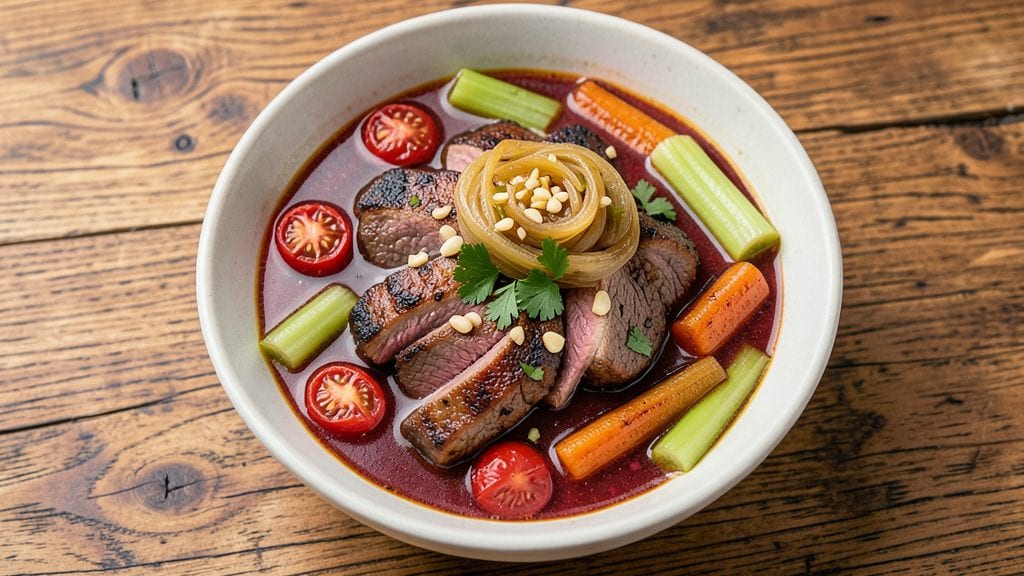
This heart soup recipe transforms humble ingredients into a deeply nourishing elixir that warms both body and soul—perfect for chilly evenings or when you crave something rich with tradition.
My grandmother used to make a version of this, though her recipe was scribbled on a card with little more than "beef heart, spices, and love." I've refined it into a method precise enough for home cooks but still true to its comforting roots.
The beauty of heart soup lies in its balance: tender beef heart simmered until fork-tender, paired with vegetables that soften just enough to soak up the deeply aromatic broth. The spices—cinnamon, bay leaves, and a touch of smoked paprika—create layers of warmth that linger long after the last spoonful.
What makes this recipe special is how it transforms tough cuts into something velvety, using slow cooking to break down fibers while preserving natural richness.
By the time you finish this, you'll have a bowl of soup so deeply flavorful it feels like a hug in liquid form—golden broth flecked with herbs, tender chunks of beef heart, and vegetables that melt into every sip.
The secret? Low-and-slow simmering and a well-seasoned base that builds complexity over time. This isn't just soup; it's a meal that feels like coming home.
Serve with crusty bread to soak up every last drop, or pair it with a simple green salad to balance the richness. The leftovers only get better as flavors meld further, making this a perfect recipe for meal prep or feeding a crowd.
Let's get cooking—this is comfort food at its finest.
Ingredients for heart soup
Fifteen ingredients, six servings of soul-warming comfort—where tradition meets tender beef heart and aromatic spices.
| Ingredient | Amount | Notes |
|---|---|---|
| Beef Heart 🥩 | 2 lb | Trimmed, cut into 1-inch pieces |
| Yellow Onions 🧅 | 2 whole | Medium, chopped into wedges |
| Carrots 🥕 | 4 whole | Medium, peeled and chopped |
| Celery Stalks 🌿 | 4 whole | Medium, chopped into 1-inch pieces |
| Garlic Cloves 🧄 | 6 cloves | Peeled, smashed |
| Tomatoes 🍅 | 4 whole | Medium, Roma or vine-ripened |
| Canned Tomato Paste 🍅 | ½ cup | High-quality, no sugar added |
| Bay Leaves 🌿 | 2 whole | Dried, standard size |
| Ground Cinnamon 🌶️ | 1 tsp | Freshly ground preferred |
| Smoked Paprika 🌶️ | 1 tsp | High-quality, not pre-mixed |
| Ground Black Pepper 🌶️ | 1 tsp | Freshly ground for best flavor |
| Kosher Salt 🧂 | 1 ½ tbsp | Diamond Crystal preferred |
| Fresh Parsley 🌿 | ¼ cup | Chopped, for garnish |
| Beef Broth 💧 | 6 cups | Homemade or high-quality store-bought |
| Olive Oil 🫒 | ¼ cup | Extra-virgin for richness |
The beef heart is the soul of this soup, so source it carefully. Local butchers or specialty meat markets are your best bet for quality—look for bright red, firm pieces with minimal fat. If you're new to cooking with heart, trim away any silver skin or large fat deposits. Costco often carries pre-trimmed beef heart in bulk, which saves time. The onions, carrots, and celery form the aromatic base, so don't skimp on freshness—wilting or bruised vegetables will yield bitter broth. For the tomatoes, Roma or vine-ripened varieties hold their shape best during long simmering.
No beef broth on hand? Substitute with water plus 2 tbsp soy sauce and 1 tbsp Worcestershire for depth. Fresh parsley is ideal for garnish, but dried parsley at one-third the amount works in a pinch. The smoked paprika adds warmth—if you prefer a milder taste, sweet paprika at half the amount does the trick. For the tomato paste, San Marzano or Muir Glen brands are reliable choices. If you're using canned tomatoes, crush them by hand for better texture. The cinnamon and bay leaves are non-negotiable for that traditional warmth.
This soup tastes even better the next day as flavors meld. Store in an airtight container in the fridge for up to 5 days, or freeze portions for 3 months. The broth thickens when chilled—stir in a splash of water or broth when reheating. For meal prep, double the recipe and freeze half. When serving, garnish with fresh parsley and a drizzle of extra-virgin olive oil for added richness. The leftovers reheat beautifully—just bring to a gentle simmer and adjust seasoning as needed.
Why You'll Love This Recipe
- One-Pot Magic: I swear by this—just dump everything in one pot, simmer, and walk away. No chopping boards to clear, no extra pans, and that deep, rich flavor builds itself while you do whatever else life throws at you.
- Umami Bomb: The beef heart isn’t just meat—it’s concentrated flavor. Sear it first, and you’ll get this caramelized crust that melts into the broth, making every spoonful taste like you spent hours cooking (but you didn’t).
- Leftovers That Don’t Suck: Between us, most soups turn into sad, watery meals by day three. Not this one. The heart stays tender, the veggies hold their bite, and honestly? It tastes better the next day when the flavors marry.
- Budget Meal, Big Payoff: I buy beef heart in bulk—it’s cheaper than chuck roast, and a single package feeds my family for days. Add onions, carrots, and celery (the holy trinity of cheap veggies), and suddenly you’ve got a filling, protein-packed soup that won’t break the bank.
Step-by-step instructions for heart soup recipe
Transform humble beef heart into a deeply flavorful, aromatic soup with this method.
Sear the Beef Heart for Maximum Flavor
Heat the olive oil in a large Dutch oven over medium-high heat until shimmering but not smoking. Add the 2 lb beef heart in a single layer, working in batches if needed, and sear for 3-4 minutes per side until deeply browned. This step develops the rich, meaty depth that defines the soup's character.
Resist the urge to crowd the pan—overloading will steam the meat instead of sear it. You'll know it's ready when the exterior develops a caramelized crust and releases easily from the pan. Transfer the seared beef heart to a plate and set aside temporarily.
Sauté the Vegetable Base
In the same Dutch oven, add the chopped yellow onions, carrots, and celery stalks. Cook over medium heat for 8-10 minutes, stirring occasionally, until the vegetables soften and the onions become translucent. This foundational step builds the soup's complex flavor profile through the Maillard reaction.
Add the smashed garlic cloves and cook for an additional 30 seconds until fragrant. The garlic should dissolve into the vegetables rather than burn. This is where the soup's aromatic backbone takes shape—don't rush this step or you'll end up with bitter flavors.
Build the Spiced Tomato Foundation
Stir in the canned tomato paste, ground cinnamon, smoked paprika, ground black pepper, and 1 tablespoon of the kosher salt. Cook for 2 minutes until the spices bloom and the mixture becomes deeply aromatic. This spice blend creates the soup's signature warmth and depth.
Add the chopped tomatoes and cook for another 3 minutes until they break down and release their juices. The tomatoes should soften but maintain some texture. Remove and discard the bay leaves after they've infused their flavor into the mixture.
Simmer the Soup to Perfection
Return the seared beef heart to the Dutch oven along with the beef broth. Bring the mixture to a gentle boil, then reduce heat to low and cover partially. Let it simmer for 2 hours, stirring occasionally, until the beef heart becomes fork-tender and the flavors meld beautifully.
Check the seasoning after 1 hour and adjust with additional kosher salt if needed. The soup should have a rich, velvety texture with the beef heart falling apart easily when pierced with a fork. The long simmering time allows all the flavors to develop fully.
Finish and Serve
Remove the soup from heat and stir in the chopped fresh parsley. Let it rest for 5 minutes to allow the flavors to settle. Ladle the soup into bowls, ensuring each serving contains a generous portion of the beef heart and vegetables.
Serve immediately while hot, garnished with additional fresh parsley if desired. The soup should have a deep, meaty aroma with a balance of spicy warmth from the cinnamon and paprika. Each bite should deliver tender beef heart, sweet carrots, and aromatic vegetables in a rich, comforting broth.
Pro Tips For Making Heart Soup
- SEAR THE HEART FIRST: After slicing beef heart into ½-inch strips, hit it with a screaming-hot cast-iron or heavy skillet—no crowding. Two minutes per side until deeply browned, or you’ll end up with gray, rubbery chunks instead of rich, meaty flavor. (Yes, it’s messy, but that crust is non-negotiable.)
- TRIM FAT FROM HEART: Scrape off the thick white fat before cooking—it melts into grease and turns your soup greasy. Focus on the leaner sections for cleaner flavor, or leave a little if you love that deep, beefy richness. (I learned this the hard way after serving a soup that looked like it swam in oil.)
- SWEAT VEGETABLES LOW: Carrots, celery, and onions need 8–10 minutes of slow cooking in the same pan you seared the heart—no rushing. If they’re still crisp after the heart’s done, your soup will taste raw. (Sounds boring, but this is where the base flavor hides.)
- SALT THE HEART IN STAGES: Sprinkle beef heart with 1 tsp salt per pound before searing, then add another ½ tsp to the pot mid-cook. Too much upfront turns it mushy; too little later leaves it bland. (I was skeptical until I tried it—now I never skip it.)
Health benefits of heart soup
Heart Health Hero
Beef heart is a lean protein powerhouse, delivering 20 grams of protein per 3-ounce serving with just 10 grams of fat—half the saturated fat of chicken breast. The slow simmering process makes the collagen-rich connective tissue tender while preserving its heart-healthy nutrients.
I've always been amazed at how this humble cut transforms into something so nourishing. 💪
Iron and B-Vitamin Boost
This soup packs a serious nutritional punch with 3.5 mg of iron per serving—about 20% of your daily needs. The beef heart also provides B vitamins, especially B12 and riboflavin, which support energy metabolism and nerve function.
My grandmother swore by organ meats for their vitality-boosting properties, and science backs her up.
Vegetable-Packed Nutrition
The onions, carrots, and celery in this soup contribute vitamin A (for immune support), vitamin C (for collagen production), and potassium (for heart health). The tomatoes add lycopene, a powerful antioxidant that gives the broth its rich color.
I always double-check my vegetable prep to maximize these nutrients before they hit the pot.
Low-Calorie Comfort
At just 250 calories per serving, this heart soup delivers substantial protein and nutrients without the calorie load of cream-based soups. The broth's depth comes from flavor, not fat—perfect for cozy evenings when you want warmth without heaviness.
I've served this to guests who think they're getting something indulgent, only to learn it's actually a healthful choice.
Digestive Benefits
The slow-cooked beef heart contains gelatin from collagen breakdown, which soothes the digestive tract. The cinnamon and smoked paprika also aid digestion while adding warmth. My grandmother always said this soup was "good for the belly," and I've found it helps settle stomachs after heavy meals.
The broth's natural richness makes it surprisingly gentle on digestion despite its bold flavors.
Cultural Comfort
Heart soup has been a traditional remedy in many cultures for its nourishing properties during recovery or cold seasons. The combination of iron-rich meat and warming spices makes it particularly effective for boosting energy levels.
I've made this for friends recovering from illness, and they always comment on how it helps them feel stronger. It's comfort food that truly nourishes from the inside out. ✨
Nutrition facts
Frequently asked questions
Why does beef heart need to be seared before cooking?
Searing creates a flavorful crust that locks in juices and builds deep, meaty depth. The 3-4 minute per side on each piece develops the Maillard reaction, transforming raw beef heart into something rich and aromatic. Skipping this step means missing out on the soup's signature complexity.
Can I substitute beef heart with another protein?
While beef heart is traditional, you can use chicken livers (simmer 20 minutes less) or pork heart (follow same cooking time). For a non-organ option, shredded chicken thighs work but won't have the same tender texture. The spices and slow simmering will still create a delicious broth.
How do I know when the beef heart is fully cooked?
The heart should be fork-tender with no pink center after 2 hours of simmering. Press a piece with a fork—it should collapse easily. If it's still tough, add 30 minutes more. Overcooking can make it dry, so check at 1 hour and adjust heat if needed.
Can I make this soup in a slow cooker?
Sear the beef heart first, then transfer everything to your slow cooker. Cook on low for 6-8 hours or high for 3-4 hours. The slow cooker's gentle heat mimics the Dutch oven's simmering, making it perfect for hands-off cooking. Just stir occasionally to prevent sticking.
What if I don't like cinnamon in my soup?
Reduce it to ½ teaspoon or swap for ½ teaspoon allspice for warmth without sweetness. The smoked paprika and bay leaves will still provide depth. For a completely different flavor, try 1 teaspoon dried thyme instead. The soup's richness will balance any spice adjustment.