
Soups & Stews
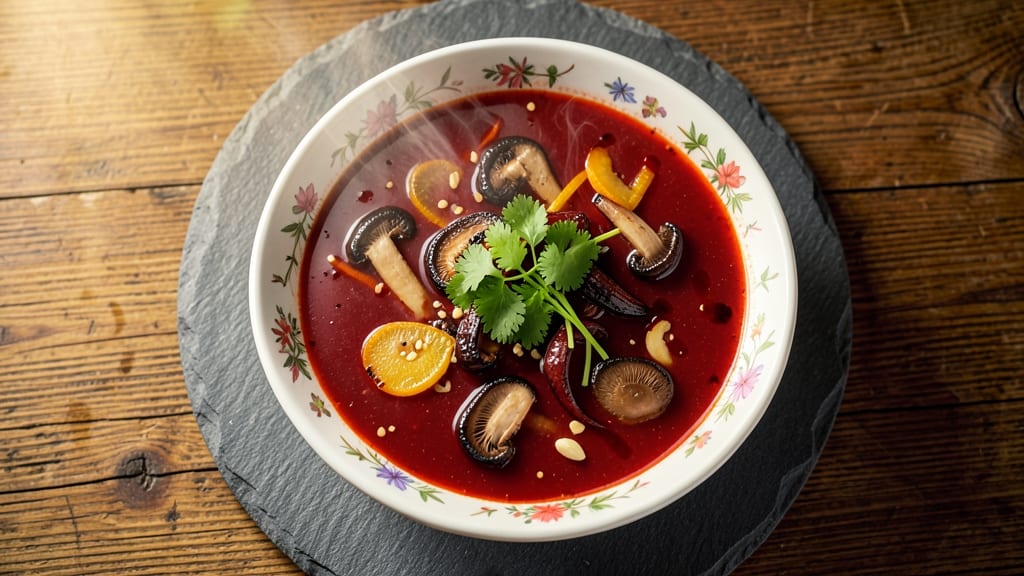
This Hong Kong borscht soup recipe reimagines a classic with bold, smoky flavors that bridge Eastern and Western traditions in every spoonful. The secret lies in charred shallots and a velvety egg drop technique that transforms traditional borscht into something entirely fresh while honoring its roots.
I developed this version after years of experimenting with regional adaptations, blending the deep colors of beetroot with the aromatic complexity of Hong Kong street food.
The magic begins with properly charring the shallots until they're caramelized and smoky—a technique inspired by local dim sum stalls. This creates a rich, umami base that elevates the soup's depth without overpowering its natural sweetness.
The recipe maintains the traditional beetroot foundation while incorporating local ingredients like dried shiitake mushrooms and a touch of soy sauce for that unmistakable Hong Kong flavor profile.
What you'll end up with is a vibrant, aromatic soup where tender egg ribbons swirl through a silky broth infused with charred shallots and earthy mushrooms. The color shifts beautifully from deep ruby to bright orange as you stir, creating visual appeal that matches its complex flavors.
Each bowl delivers that perfect balance of smoky, sweet, and savory notes that make this more than just borscht—it's a fusion masterpiece.
Perfect for chilly evenings or as a hearty starter, this soup pairs beautifully with steamed rice or crispy mantou. The recipe scales effortlessly for gatherings, and the flavors only deepen as it sits. Let's bring this Hong Kong-inspired creation to your kitchen—it's about to become your new favorite comfort dish.
Ingredients for hong kong borscht soup
Fresh beetroot and charred shallots form the vibrant heart of this fusion soup.
| Ingredient | Amount | Notes |
|---|---|---|
| Beetroot 🍠 | 1 ½ lbs | Fresh, medium-sized, peeled and grated |
| Yellow Onions 🧅 | 2 whole | Medium size, charred for depth |
| Shallots 🧅 | 6 cloves | Charred until caramelized |
| Dried Shiitake Mushrooms 🍄 | ½ oz | Rehydrated in warm water |
| Fresh Ginger 🧄 | 2 tbsp | Finely grated, aromatic |
| Garlic Cloves 🧄 | 6 cloves | Minced for aromatic base |
| Light Soy Sauce 🍶 | 2 tbsp | For umami depth |
| Chicken Broth 💧 | 6 cups | Homemade or high-quality store-bought |
| Large Eggs 🥚 | 4 whole | Fresh for velvety ribbons |
| Green Onions 🧅 | 3 whole | Thinly sliced for garnish |
| Sesame Oil 🫒 | 1 tsp | For finishing aroma |
| White Rice Vinegar 🍶 | 1 tbsp | Balances flavors |
| Salt 🧂 | 1 ½ tsp | Kosher or sea salt |
| Black Pepper 🌶️ | ½ tsp | Freshly ground |
| Cornstarch 🌾 | 1 tbsp | For broth thickening |
The beetroot is non-negotiable here—organic from the farmers market delivers the deepest color and sweetest flavor. For charring, yellow onions and shallots should be seared in a dry pan until blackened in spots, then blended into a paste. This technique, inspired by Hong Kong street food, adds a smoky depth that transforms traditional borscht. Dried shiitake mushrooms from Asian markets provide that earthy umami that bridges Eastern and Western flavors. Fresh ginger and garlic should be peeled and grated/minced just before use—their potency fades quickly once exposed to air.
No fresh ginger? Powdered ginger at half the amount works in a pinch, though fresh delivers superior aroma. Substituting dried shiitake? Fresh cremini mushrooms can replace at double the weight, but they won't offer the same depth. For the soy sauce, light soy delivers the cleanest flavor profile—dark soy would overpower the delicate balance. The chicken broth should be homemade if possible, but Swanson or Pacific brand are reliable store-bought options. Eggs must be fresh for proper ribbon formation—room temperature eggs create the most elegant swirls.
Store the beetroot mixture in the fridge for up to 3 days—it actually tastes better the next day as flavors meld. The charred shallot paste freezes beautifully for up to 3 months, making it perfect for batch cooking. For serving, keep the sesame oil and green onions separate until ready to plate—this preserves their fresh aroma. The soup reheats exceptionally well; simply warm over medium heat and adjust seasoning with a splash of white rice vinegar if needed.
Why You'll Love This Recipe
- No Chopping Nightmare: I swear by this recipe because dried shiitake mushrooms handle all the heavy lifting—no soaking, no fuss, just toss them in. The shallots and onions caramelize in one pot while you stir, and the ginger? Just a quick grating. That’s it. Zero prep stress.
- Umami Bomb: That earthy shiitake depth paired with fresh ginger and caramelized onions? It’s the kind of flavor that makes you pause mid-sip. The beetroot adds a subtle sweetness, but the real magic is how the mushrooms turn the broth into something rich and savory—like a hug in soup form.
- Leftover Hero: This soup actually improves the next day. The flavors meld overnight, and reheating it is a breeze—just a quick simmer. I make a double batch on Sundays and take it to work for lunch; it’s hearty enough to fill you up but light enough to not weigh you down.
- Budget Magic: Between us, dried shiitake mushrooms and beets are some of the most affordable ingredients that still feel special. A single bag of mushrooms stretches across multiple soups, and beets last weeks if you store them right. It’s the kind of recipe that makes grocery day feel like a win.
Step-by-step instructions for Hong Kong borscht soup with charred shallots
This fusion recipe transforms traditional borscht into a smoky, umami-rich egg drop soup with Hong Kong-inspired depth.
Char the Vegetables for Smoky Depth
Begin by charring the 2 whole yellow onions and 6 cloves shallots over a gas flame or under a broiler until blackened in spots and caramelized. This process develops intense sweetness and smoky notes that define the Hong Kong twist. Work in batches if needed, turning frequently so they don't burn completely. Once charred, transfer to a cutting board and let cool slightly before finely chopping.
While the vegetables cool, rehydrate the 0.5 oz dried shiitake mushrooms in warm water for 10 minutes, then drain and finely chop. The mushrooms will add earthy depth that complements the beetroot's natural sweetness. Keep these ingredients separate until we combine them in the broth.
Build the Flavor Base with Aromatics
In a large pot, combine the 6 cups chicken broth, 2 tbsp finely grated fresh ginger, and 6 minced garlic cloves. Bring to a gentle simmer over medium heat. Add the chopped charred onions and shallots along with the chopped shiitake mushrooms. Let this aromatic base cook for 8-10 minutes until the vegetables soften and release their flavors into the broth.
Stir in the 2 tbsp light soy sauce and 1.5 tsp salt, allowing the flavors to meld. Taste the broth at this stage—it should be rich and savory with a subtle smokiness. If needed, adjust seasoning with additional salt or a splash of water to reach your desired consistency. The broth is the foundation of your soup, so take your time developing this flavor profile.
Incorporate the Beetroot and Thicken the Broth
Add the 1.5 lbs grated beetroot to the simmering broth and cook for 15-20 minutes until tender. The beetroot should soften completely but retain some texture. While the beetroot cooks, prepare the thickening mixture by whisking 1 tbsp cornstarch with 2 tablespoons of cold water until smooth.
When the beetroot is tender, stir in the cornstarch mixture and cook for an additional 3-5 minutes until the broth thickens slightly. This creates the perfect consistency for the egg drop technique. Remove the pot from heat and stir in the 1 tbsp white rice vinegar and 0.5 tsp black pepper. The vinegar brightens the dish while the pepper adds a subtle heat that balances the sweetness.
Create the Signature Egg Ribbons
Return the pot to low heat and crack the 4 whole large eggs directly into the broth. Use a heatproof spatula to gently stir the eggs in circular motions, creating delicate ribbons that distribute evenly throughout the soup. This technique requires patience—work slowly to avoid scrambling the eggs. The goal is velvety strands that melt in your mouth.
When the eggs are just set but still slightly runny in the center, remove the pot from heat. Here's the thing—this soup should be served immediately while the eggs maintain their silky texture. The residual heat will finish cooking the eggs perfectly in the bowl.
Finish and Serve with Garnishes
Divide the soup among 4 bowls. Drizzle each serving with ¼ tsp sesame oil and garnish with thinly sliced green onions. The sesame oil adds a nutty aroma that complements the earthy beetroot and umami mushrooms. The green onions provide a fresh contrast that cuts through the richness.
Serve immediately with steamed jasmine rice on the side. Each spoonful should deliver a perfect balance of smoky charred vegetables, sweet beetroot, savory egg ribbons, and bright vinegar notes. The fusion of traditional borscht with Hong Kong egg drop technique creates a dish that's both familiar and excitingly new.
Pro Tips For Making Hong Kong Borscht Soup
- CHAR THE ONIONS: Get them deep golden, almost caramelized—this is where the flavor lives. I used to rush this step and wondered why my soup tasted flat. Take your time with 3-4 minutes on medium-low heat, stirring occasionally, until they’re sticky and smell sweet.
- SOAK THE MUSHROOMS: Cold water only, and give them 20 minutes—no more, or they’ll turn to mush. I learned this the hard way when I skipped soaking and ended up with a slimy, waterlogged texture. Drain well before cooking, and pat dry if you’re feeling extra precise.
- GRATE THE GINGER: Use the whole root, no peeling—just scrub it clean and grate it. Fresh ginger’s bite is what cuts through the richness of the soup, and skipping the peel wastes half the flavor. A microplane works best, and don’t worry about the texture—it’ll dissolve.
- SIMMER LOW AND LONG: This isn’t a quick fix. Let it bubble gently for at least 45 minutes after everything’s combined—low heat, lid on. I was skeptical until I tried it; the flavors meld into something deeper, and the beetroot’s sweetness really shines. Patience here makes all the difference.
Regional styles of these flavors
Hong Kong Dim Sum Twist
This version transforms traditional borscht by incorporating charred shallots and dried shiitake mushrooms, two staples of Hong Kong street food. The charred shallots add a smoky depth that mimics the flavor of wonton wrappers often used in dim sum soups.
I like to use yellow onions for charring because their natural sweetness caramelizes beautifully, creating a rich umami base that bridges Eastern and Western flavors. 🌶️
Japanese-Inspired Egg Drop
The egg ribbon technique here draws from Japanese tamagoyaki traditions, where eggs are cooked in thin, delicate layers. The key is using fresh eggs at room temperature—they create the most elegant swirls when gently stirred.
I often add a pinch of sugar (about ½ tsp) to the egg mixture before incorporating it into the broth, which enhances the natural sweetness of the beetroot and balances the smoky notes. 🍳
Taiwanese-Inspired Garnishes
For an authentic touch, I finish each bowl with thinly sliced green onions and a drizzle of toasted sesame oil, both staples in Taiwanese street food culture. The sesame oil adds a nutty aroma that complements the earthy mushrooms and sweet beetroot.
A sprinkle of crushed dried chili flakes (about ¼ tsp) on top adds a subtle heat that echoes the bold flavors of Taiwanese night markets. 🌿
Modern Fusion Adaptations
This recipe embraces modern fusion by incorporating white rice vinegar (a common ingredient in Hong Kong households) to brighten the dish. The vinegar cuts through the richness of the egg and mushrooms, creating a clean, refreshing finish.
For an extra layer of complexity, I sometimes add a small piece of star anise while simmering the broth—it infuses a subtle licorice note that disappears once removed, leaving behind a sophisticated aroma. ✨
Vegetarian Adaptation
To make this vegetarian-friendly, simply replace the chicken broth with a mushroom or kombu broth (about 6 cups). The umami depth from the broth remains intact, ensuring the dish stays rich and satisfying.
I also increase the dried shiitake mushrooms to 0.75 oz to compensate for the lack of meaty broth. The egg drop technique still works beautifully, making this a perfect vegetarian option for those who love fusion flavors. 🌱
Spicy Sichuan Variation
For a Sichuan-inspired kick, add 1 tbsp of chili crisp (like Lao Gan Ma) or 1 tsp of Sichuan peppercorns while simmering the broth. The chili crisp adds a fiery, oily heat, while the peppercorns introduce a tingling numbness that pairs wonderfully with the sweet beetroot.
Garnish with extra green onions and a dash of chili oil for a bold, spicy twist that’s perfect for those who love heat. 🔥
Nutrition facts
Frequently asked questions
What makes this Hong Kong borscht different from traditional Eastern European versions?
The key differences lie in the charred shallots and dried shiitake mushrooms, which add smoky depth inspired by Hong Kong street food. Traditional borscht uses sour cream and cabbage, but this fusion version swaps those for a velvety egg ribbon technique and umami-rich mushrooms that bridge Eastern and Western flavors. The white rice vinegar finish also creates a bright contrast that's more common in Asian cuisine.
Can I make this soup vegetarian?
Replace the chicken broth with 6 cups of mushroom or kombu broth and increase the dried shiitake mushrooms to 0.75 oz for extra umami depth. The egg ribbon technique remains the same, making this a perfect vegetarian adaptation that still delivers rich, satisfying flavors.
How do I get the perfect egg ribbons in the soup?
Use fresh eggs at room temperature and stir them gently with a heatproof spatula in circular motions over low heat. The eggs should be just set but still slightly runny in the center when you remove the pot from heat. Work quickly to avoid scrambling—this technique takes practice but creates those signature silky strands.
Can I prepare this soup ahead of time?
You can prep the beetroot mixture and charred shallot paste up to 3 days ahead, but the egg ribbons must be added fresh. Store the base ingredients separately in the fridge, then assemble and cook the soup just before serving. The flavors actually improve overnight as they meld together.
What's the best way to store leftovers?
Store leftovers without the egg ribbons (add them fresh when reheating) in an airtight container for up to 3 days in the fridge. Reheat gently over medium heat and adjust seasoning with a splash of white rice vinegar if needed. The soup reheats beautifully and tastes even better the next day!