
Soups & Stews
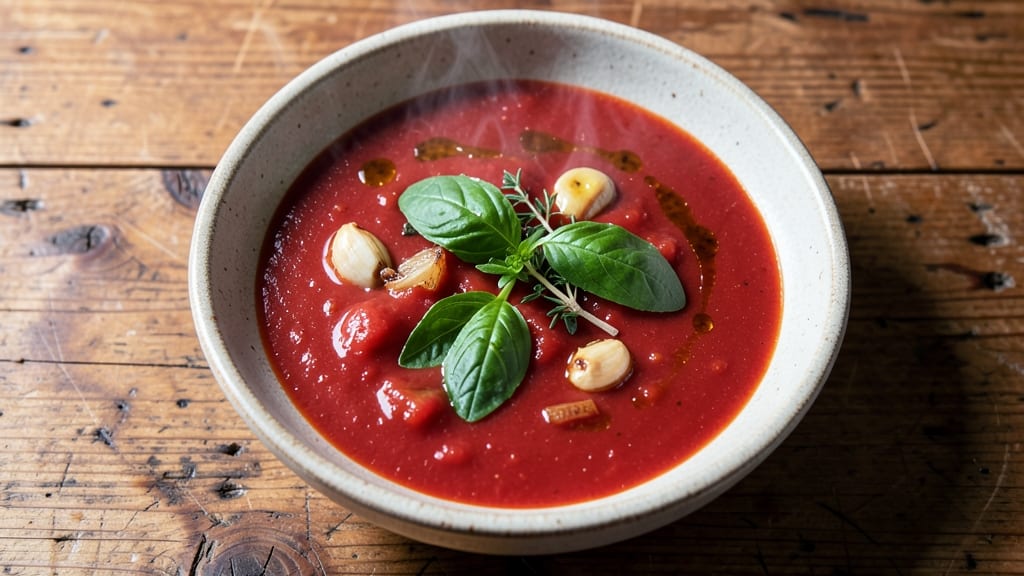
Transforming garden-fresh tomatoes into Kerr canning tomato soup creates a pantry staple that tastes like summer all year round. The process combines traditional canning techniques with simple, wholesome ingredients to deliver a soup that's rich, savory, and deeply comforting.
I've perfected this method over years of preserving harvests, ensuring every jar delivers restaurant-quality flavor with homemade depth.
What sets this recipe apart is the balance between sterilization precision and simmering patience—critical steps that preserve both safety and flavor. You'll start with fresh tomatoes, herbs, and aromatics, then reduce them into a velvety base before carefully filling sterilized jars.
The canning process locks in that garden-fresh taste while extending shelf life for months, making this a foolproof way to enjoy summer flavors year-round.
The result is a soup that's velvety yet robust, with layers of tomato sweetness and aromatic herbs that develop even more depth as it sits. Each spoonful delivers that perfect harmony of tender tomatoes, warm spices, and creamy texture—ideal for chilly evenings or quick lunches.
This method ensures you'll always have a homemade pantry staple ready when you need it most.
Serve the soup hot with crusty bread or grilled cheese for the ultimate comfort meal, or use it as a base for other dishes. The preserved jars keep beautifully for up to a year, making this a practical and rewarding project for any home cook.
Let's get started on creating your own pantry treasure.
Ingredients for kerr canning tomato soup
Garden tomatoes, aromatic herbs, and canning precision—this is your summer preserved in jars.
| Ingredient | Amount | Notes |
|---|---|---|
| Fresh Tomatoes 🍅 | 12 lbs | Roma or vine-ripened, cored and halved |
| Yellow Onion 🧅 | 2 whole | Medium size, chopped |
| Garlic Cloves 🧄 | 6 cloves | Fresh, peeled and minced |
| Fresh Basil Leaves 🌿 | ½ cup | Packed, stems removed |
| Fresh Thyme Sprigs 🌿 | 4 whole | Leaves only, stems discarded |
| Bay Leaves 🍃 | 4 whole | Dried, standard size |
| Extra-Virgin Olive Oil 🫒 | ½ cup | High-quality, fruity variety |
| Salt 🧂 | 2 tbsp | Diamond Crystal kosher salt |
| Black Peppercorns 🌶️ | 1 tsp | Freshly cracked |
| Sugar 🍚 | ½ cup | Granulated, for balancing acidity |
| Heavy Cream 🥛 | 1 cup | Full-fat for creaminess |
| Kerr Canning Jars 🍶 | 12 whole | Pint-sized, sterilized |
| Lid Gaskets 🔒 | 12 whole | New, unopened |
| Lids 🔒 | 12 whole | New, unopened |
| Hot Water 💧 | 12 cups | For sterilizing jars |
The tomatoes are the foundation, so prioritize quality. Roma tomatoes have fewer seeds and thicker flesh, making them ideal for canning, but vine-ripened varieties add natural sweetness. Local farmers markets often have the freshest, most flavorful tomatoes—ask when they were picked. For large batches, Costco or Sam's Club sell bulk Roma tomatoes at a great price. Avoid bruised or overripe tomatoes, as they can make the soup too acidic. If you can't find fresh basil, dried oregano at half the amount works in a pinch, but fresh herbs elevate the flavor significantly.
No fresh thyme? Dried thyme at one-third the amount keeps the earthy notes intact. The bay leaves are non-negotiable—they add depth that dried spice blends can't replicate. For the sugar, honey or maple syrup can substitute, but they'll change the soup's texture slightly. If you're short on heavy cream, half-and-half or coconut milk works, though the texture will be lighter. The olive oil should be extra-virgin and fruity—cheap oil will make the soup taste flat. For sterilizing, boiling water bath is foolproof, but pressure canning extends shelf life to a year if you prefer.
Sterilized jars keep for up to a year in a cool, dark pantry, but the flavor peaks after 3-6 months. Label each jar with the date—trust me, you'll forget! The soup reheats beautifully; just add a splash of water or broth if it thickens too much. Portion the cream into ice cube trays before freezing—thaw what you need for each batch. For a smoother texture, blend the soup before canning, but leave some chunks for rustic appeal. This makes 12 pint jars, perfect for gifting or stocking your pantry for winter.
Why You'll Love This Recipe
- No Chopping Needed: I swear by this—just toss whole tomatoes, onions, and garlic into the pot. The Kerr canning process handles everything else while you sip wine and pretend you’re a fancy chef.
- Herb-Packed Punch: That fresh basil and thyme? They infuse the soup like magic. Honestly, the first time I tasted it, I thought, “Wait, I didn’t even add that much, how is this so good?”
- Crowd-Pleaser Basics: Serve it with crusty bread for a cozy dinner or ladle it over grilled cheese for a lunch that’ll have your coworkers asking for the recipe. (Yes, even on a Tuesday night.)
- Pantry Goldmine: Uses up garden tomatoes or store-bought cans without breaking the bank. I’ve made this with everything from heirloom tomatoes to dollar-store cans—still turns out rich, never watery.
Step-by-step instructions for preserving homemade tomato soup
Transform your garden harvest into 12 perfect pints of rich, velvety tomato soup with this foolproof canning method.
Sterilize Jars and Prepare Equipment
Fill a large pot with the 12 cups hot water and bring to a rolling boil. Submerge the 12 whole Kerr canning jars, 12 whole lids, and 12 whole lid gaskets for 10 minutes to sterilize. Meanwhile, prepare your workspace with clean towels and a jar lifter—this keeps everything sanitary and makes the process smoother.
While the jars sterilize, crush the 4 whole bay leaves and coarsely chop the 2 whole yellow onion—this releases their flavors into the soup base. Keep these separate until you're ready to add them to the simmering tomatoes. The sterilization step is non-negotiable; it prevents contamination and ensures your soup stays fresh for months.
Simmer Tomatoes with Aromatics and Seasonings
In a large stockpot, combine the 12 lbs fresh tomatoes (halved and cored), 6 cloves minced garlic, 0.5 cup extra-virgin olive oil, 2 tbsp salt, 1 tsp black peppercorns, and 0.5 cup sugar. Bring to a boil over medium-high heat, then reduce to a simmer for 30 minutes, stirring occasionally. This time allows the flavors to meld and the tomatoes to break down into a smooth purée.
After 30 minutes, stir in the crushed bay leaves, chopped yellow onion, and the leaves from the 4 whole fresh thyme sprigs. Simmer for another 20 minutes until the mixture thickens slightly and the onions are translucent. Here's where the magic happens—the aromatics infuse the tomatoes, creating depth that store-bought soups can't match.
Blend and Strain for Smooth Texture
Use an immersion blender to purée the soup directly in the pot until completely smooth. If you prefer a chunkier texture, skip blending and simply press the mixture through a food mill or fine-mesh sieve. The result should be a velvety, uniform consistency with no visible seeds or skins.
Return the puréed soup to a simmer and stir in the 0.5 cup packed fresh basil leaves and 1 cup heavy cream. Simmer for an additional 10 minutes—this step ensures the cream is fully incorporated and the flavors are perfectly balanced. Taste and adjust seasoning if needed; you may need a pinch more salt or sugar to suit your preference.
Fill and Seal the Jars
Using a ladle or large spoon, carefully fill each sterilized jar with the hot tomato soup, leaving ½-inch headspace at the top. Wipe the jar rims with a clean, damp cloth to remove any residue—this prevents seals from failing. Place the lid gaskets on the jars and screw on the lids finger-tight.
Return the filled jars to the boiling water bath, ensuring they are fully submerged and not touching each other. Process for 45 minutes for pint-sized jars. The water should return to a full rolling boil within 5 minutes of starting the timer. This pressure treatment kills bacteria and ensures your soup stays safe to eat for up to 18 months when stored properly.
Cool and Store for Long-Term Enjoyment
Once the processing time is complete, carefully remove the jars using the lifter and place them on a clean towel. Let them cool undisturbed for 12-24 hours—this allows the lids to seal completely. You'll hear a distinct ping as the lids seal, and the centers should no longer be concave when pressed.
Label each jar with the date and store in a cool, dark place. The rich, creamy tomato soup will keep its quality for up to 18 months, though the flavors will likely be enjoyed long before then. When ready to serve, simply reheat on the stovetop or in the microwave—your homemade pantry staple is now ready to elevate any meal.
Pro Tips For Making Kerr Canning Tomato Soup
- Blister the Onion: Get that onion sweeter and deeper by cooking it low and slow—cover the pot and let it steam for 8-10 minutes until it’s soft and translucent. I used to rush this, and the soup always tasted flat; patience here makes a real difference, especially with yellow onions.
- Core Those Tomatoes: Skip the messy scooping—use a sharp knife to slice an "X" on the bottom of each tomato, then plunge them into boiling water for 30 seconds. The skins will peel off effortlessly, and you’ll save hours of scrubbing.
- Simmer, Don’t Boil: Once the soup is thickened, drop the heat to a gentle simmer (tiny bubbles, not rolling). Boiling burns the basil and thyme, turning them bitter—keep the pot at a whisper, and those herbs will stay bright and aromatic.
- Toast the Herbs: Before adding fresh basil and thyme, crush the sprigs between your palms and let them sit in the hot (not boiling) soup for 5 minutes. This releases their oils without overpowering—trust me, your soup will taste like it’s from a garden, not a jar.
Wine and beer pairings for this dish
Red Wine Pairings
For this rich, creamy tomato soup, I reach for a Chianti Classico—its bright acidity cuts through the soup's velvety texture while its cherry notes complement the tomato's natural sweetness. A Sangiovese from Tuscany also works beautifully, especially if your soup leans slightly tart. 🍷
If you prefer a lighter option, a Pinot Noir with its delicate red fruit flavors offers a perfect balance without overpowering the dish. Avoid heavy, oaky reds like Cabernet Sauvignon—they'll clash with the soup's creamy richness. Chill your wine slightly before serving to enhance its refreshing qualities.
White Wine Pairings
A crisp Vermentino from Sardinia is my go-to white wine pairing—its citrusy brightness mirrors the acidity in the tomato base while its mineral notes elevate the dish. Alternatively, a dry Riesling with its subtle sweetness and zesty finish provides an elegant contrast. 🍷
For a budget-friendly option, try a Sauvignon Blanc with its herbal notes that complement the basil and thyme in the soup. Avoid buttery whites like Chardonnay—they'll make the soup taste heavier than intended.
Beer Pairings
A Belgian witbier like Hoegaarden is my top beer choice—its coriander and citrus flavors create a refreshing contrast to the soup's creaminess. The slight effervescence also cleanses your palate between spoonfuls. 🍺
For a malty option, a light amber ale with notes of caramel and toasted bread pairs surprisingly well with the soup's depth. Avoid heavy stouts or IPAs—they'll overpower the delicate tomato flavors.
Non-Alcoholic Options
For a sparkling alternative, serve with sparkling apple cider—its crisp acidity and subtle sweetness mirror the wine pairings. A ginger beer with its spicy kick adds an unexpected but delightful contrast to the creamy soup. 🍎
Herbal iced teas like hibiscus tea with its tartness or peppermint tea for a refreshing finish also work beautifully. These options keep the meal light while complementing the soup's rich flavors.
Nutrition facts
Frequently asked questions
Can I use canned tomatoes instead of fresh?
The recipe is designed for fresh tomatoes to maximize flavor and texture, but you can substitute with 4 (28 oz) cans whole peeled tomatoes if needed. Drain the cans well and add 1 extra tablespoon sugar to balance the acidity. The fresh herb notes will be less pronounced, but the soup will still be delicious.
How do I know if my jars are properly sealed?
After cooling for 12-24 hours, press the center of each lid—it should stay concave and not spring back up. Also listen for a ping sound when sealed. If any lids pop up, refrigerate and use the soup within 7 days. Never taste-test to check seals—always rely on visual confirmation.
Can I adjust the creaminess level?
For a lighter version, reduce the heavy cream to ½ cup or use ½ cup coconut milk for a dairy-free option. For extra richness, add ¼ cup cream cheese at the end of simmering. The soup will still be delicious either way—just adjust based on your preference.
What if I don't have a pressure canner?
This recipe requires a boiling water bath for safety, which is perfect for pint jars. For quarts, you'd need a pressure canner. If you're short on jars, process them in batches—just ensure each batch reaches a full rolling boil for the full 45 minutes. Never skip the processing step, even for small batches.
How long will the soup keep before opening?
Properly sealed jars last up to 18 months in a cool, dark pantry. The flavor actually improves over time! Once opened, refrigerate and consume within 5-7 days. For longer storage, freeze portions in airtight containers for up to 3 months.