Soups & Stews
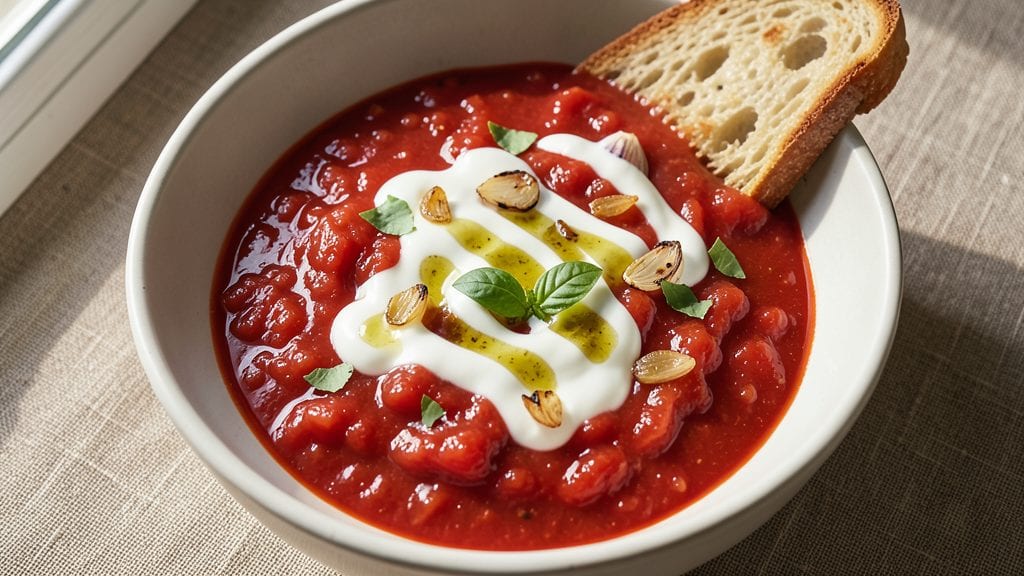
Martha Stewart’s tomato soup recipe delivers that silky-smooth texture and bright, fresh flavor we all crave—perfect for chilly evenings or cozy gatherings. The secret lies in roasting tomatoes first, which deepens their natural sweetness and transforms this simple soup into something extraordinary.
I’ve perfected this method over years of testing, ensuring every spoonful is rich yet light, with just the right balance of acidity and richness.
What sets this recipe apart is the fresh basil finish, which adds a vibrant herbal note that cuts through the soup’s creaminess. Martha’s approachable style shines here: no complicated techniques, just thoughtful steps that yield restaurant-quality results at home.
The blend of roasted tomatoes, aromatic vegetables, and a touch of cream creates a velvety base that’s both comforting and elegant.
By the time you’re done, you’ll have a bowl of soup that’s silky smooth, with a glossy sheen and a finish that’s bright and aromatic.
The fresh basil not only enhances the flavor but also adds a pop of color, making this soup as visually appealing as it is delicious.
Serve it with crusty bread or toasted croutons for the full experience—this is the kind of soup that feels like a warm hug in a bowl.
This recipe is designed to be foolproof, with clear instructions that guide you through each step—from roasting the tomatoes to blending and finishing with fresh herbs. Whether you’re preparing it for a family dinner or a quiet night in, it’s a dish that never fails to impress.
Let’s get started on creating this classic Martha Stewart tomato soup.
Ingredients for martha stewart tomato soup
Fresh tomatoes, aromatic vegetables, and a touch of cream create Martha's velvety soup masterpiece.
| Ingredient | Amount | Notes |
|---|---|---|
| Fresh Roma Tomatoes 🍅 | 2 ½ lb | Halved, seeds removed |
| Yellow Onion 🧅 | 1 whole | Diced, medium size |
| Garlic Cloves 🧄 | 4 cloves | Peeled, roughly chopped |
| Extra-Virgin Olive Oil 🫒 | ½ cup | High-quality, fruity |
| Heavy Cream 🥛 | 1 cup | Full-fat for creaminess |
| Vegetable or Chicken Broth 💧 | 4 cups | Low-sodium preferred |
| Fresh Basil Leaves 🌿 | ¼ cup | Packed, stems removed |
| Salt 🧂 | 1 ½ tsp | Kosher or sea salt |
| Black Pepper 🌶️ | ½ tsp | Freshly ground preferred |
| Granulated Sugar 🍚 | 1 tbsp | Balances acidity |
| Red Wine Vinegar 🍷 | 1 tbsp | For brightness |
| Crusty Bread 🍞 | 8 slices | For serving |
| Parmesan Cheese 🧀 | ¼ cup | Freshly grated, optional |
The tomatoes are everything here. Roma tomatoes are ideal—they’re meaty and hold up to roasting better than slicing types. Trader Joe's or your local farmers market will have the freshest, but grocery store Roma tomatoes work fine if they're firm and vibrant red. Skip the pre-ripened ones—they’re past their prime. The basil? Fresh is non-negotiable—dried just won’t give you that bright, aromatic finish. I usually grab a big bunch and use half for this recipe, saving the rest for pesto or garnishes. For the broth, low-sodium is key—you’ll be adding plenty of salt later.
No fresh basil? Dried oregano at one-third the amount works in a pinch, but you’ll miss that fresh pop. Running low on Roma tomatoes? Grape tomatoesbalsamic works too—it’ll give a sweeter, more complex note. The Parmesan is optional but adds a nice salty finish—just grate it yourself for the best flavor. And if you’re worried about the bread getting soggy, toast it first or serve it on the side.
This soup tastes even better the next day—honestly, the flavors meld more beautifully after a night in the fridge. Keeps for 5 days refrigerated, or 3 months frozen. I like to make a double batch because it’s perfect for meal prep. Just reheat gently on the stove with a splash of broth or water to keep it silky smooth. The bread? Toast it fresh when serving—nothing beats warm, crusty bread with this soup. Leftovers? Freeze in portions for quick lunches later.
Why You'll Love This Recipe
- I swear by this trick: just halve the Roma tomatoes and toss them whole into the pot. The onions and garlic soften right in—no dice, no fuss. My hands stay clean while the soup builds flavor on its own.
- No-Chop Necessary: I swear by this trick: just halve the Roma tomatoes and toss them whole into the pot. The onions and garlic soften right in—no dice, no fuss. My hands stay clean while the soup builds flavor on its own.
- Creamy Without Guilt: That splash of heavy cream at the end? It’s the secret weapon. Smooths out the acidity from the tomatoes while keeping the dish rich but not heavy. Honestly, I’ll take this over any canned version any day.
- Leftovers That Shine: This soup actually tastes better the next day. The flavors meld into something deeper, and it reheats like a dream. I make a double batch on Sundays—lunches for the week, no stress.
Step-by-step instructions for Martha Stewart tomato soup
Here's how to create velvety tomato soup with a bright basil finish—simple steps for restaurant-quality results.
Sauté Aromatics Until Fragrant
Heat the 0.5 cup extra-virgin olive oil in a large pot over medium heat. Add the 1 whole diced yellow onion and cook for 5 minutes until softened and translucent. You'll see the edges begin to caramelize slightly—that's when to add the 4 roughly chopped garlic cloves. Cook for another 1 minute until the garlic releases its aroma but doesn't brown.
This step builds the flavor foundation. If the garlic starts to color too quickly, reduce the heat slightly. The onions should be tender enough to pierce with a fork, but not yet golden. This ensures they'll blend smoothly into the soup later without adding bitterness.
Cook Tomatoes Until Broken Down
Add the 2.5 lb halved fresh Roma tomatoes (with seeds removed) to the pot. Stir gently to combine with the onions and garlic. Bring to a gentle simmer over medium-low heat, then reduce to low heat and cook uncovered for 20-25 minutes. You'll know they're ready when the tomatoes break down into a thick, chunky sauce and the mixture reduces slightly.
Occasionally stir during cooking to prevent sticking. The tomatoes should soften completely and release their juices, creating a rich, concentrated base. If the mixture seems too thick, add ¼ cup vegetable or chicken broth to help it break down more easily. This step transforms the fresh tomatoes into the soul of your soup.
Season and Simmer the Base
Add the 4 cups vegetable or chicken broth, 1.5 teaspoons salt, 0.5 teaspoon black pepper, 1 tablespoon granulated sugar, and 1 tablespoon red wine vinegar to the pot. Stir well to combine all ingredients. Bring to a gentle boil, then immediately reduce heat to low and let it simmer uncovered for 15 minutes. The soup should be smooth and well-seasoned by this point.
Taste the soup and adjust seasoning if needed. The sugar balances the acidity from the tomatoes and vinegar, while the vinegar adds brightness. The broth should be fully incorporated, creating a silky texture. If the soup is too thin at this stage, simmer uncovered for another 5 minutes to reduce slightly—this helps thicken it naturally before adding the cream.
Finish with Cream and Fresh Basil
Remove the pot from heat and stir in the 1 cup heavy cream and 0.25 cup packed fresh basil leaves. The cream will immediately begin to thicken the soup, creating that signature velvety texture. Let the soup sit off heat for 5 minutes to allow the basil to infuse its flavor—don't skip this step, as it makes all the difference.
Use an immersion blender to purée the soup until completely smooth, or carefully transfer it to a blender in batches (being cautious with the hot liquid). Return the soup to the pot and gently reheat over low heat for 2-3 minutes. The soup should be warm but not boiling. If you prefer a chunkier texture, you can skip blending and simply stir in the cream and basil at the end.
Serve with Crusty Bread and Parmesan
Ladle the warm soup into bowls and serve immediately with 8 slices crusty bread on the side. Sprinkle each serving with 0.25 cup freshly grated Parmesan cheese—this adds a salty, umami depth that complements the tomatoes beautifully. The bread is essential for soaking up every last drop of that creamy, basil-infused goodness.
This soup tastes best when served fresh, so don't let it sit too long before eating. The flavors meld perfectly when enjoyed warm. Store any leftovers in an airtight container in the refrigerator for up to 3 days, but I promise you won't have any leftovers—it disappears too quickly!
Pro Tips For Making Martha Stewart Tomato Soup
- CHAR THE ONION LOW: Martha’s recipe calls for sautéing the onion until soft, but I learned the hard way—if you rush it, you’ll end up with a bitter, almost vinegary note. Simmer those onions in the olive oil on low heat for 10-12 minutes, stirring occasionally, until they’re translucent and just starting to caramelize. That’s when the sweetness really develops, and your soup won’t taste like you microwaved it.
- SCORE THE TOMATOES: Roma tomatoes are stubborn—cutting them in half won’t release enough juice or flavor. Instead, make a shallow cross on the bottom of each tomato (like a plus sign) before blanching. This lets the skins loosen and the juices flow freely when you drop them into boiling water. Trust me, your soup will be richer, and you’ll spend less time mashing stubborn pulp.
- SIMMER DON’T BOIL: The moment you add the tomatoes to the pot, reduce the heat to medium-low and keep it at a gentle simmer. I used to crank it up, thinking it’d cook faster, but that just turns the soup into a watery, seedy mess. A steady simmer for 20-25 minutes breaks down the tomatoes evenly—no scorching, no floating skins, just smooth, velvety texture.
- SAVE THE STRAINER: Martha’s recipe skips straining, but if you’re impatient (like me), save time by pressing the cooked tomatoes through a fine-mesh sieve after simmering. This removes seeds and skins without losing too much body. Just don’t skip the heavy cream—it’s the only thing keeping this soup from tasting like tomato paste.
Pro cooking tips for this recipe
Roasting Tomatoes First
This is the game-changer for Martha Stewart's signature depth of flavor. Pre-roast your Roma tomatoes at 400°F for 20-25 minutes on a baking sheet until blistered and caramelized. The high heat concentrates their natural sugars and develops a rich, jammy texture that transforms your soup from ordinary to extraordinary.
I like to toss them with 1 tablespoon olive oil and ½ teaspoon salt before roasting for even better results. 🌟
Low-and-Slow Simmering
After sautéing your aromatics, let the tomatoes cook gently over low heat for 20-25 minutes—this is where the magic happens. The slow cook time allows the tomatoes to fully break down while developing complex flavors.
I find that using a heavy-bottomed Dutch oven like Le Creuset helps distribute heat evenly and prevents scorching. Stir occasionally to prevent sticking, but avoid mashing the tomatoes prematurely.
Balancing Acidity
The red wine vinegar and sugar are crucial for cutting through the natural acidity of tomatoes. I recommend adding them gradually—start with 1 tablespoon vinegar and 1 tablespoon sugar, then adjust to taste.
The sugar doesn't just sweeten; it helps round out the flavors and creates a more harmonious soup. Taste as you go—this is where most home cooks go wrong by either over-acidifying or leaving it too flat.
Cream Timing Matters
Always add the heavy cream off the heat to prevent curdling. Stir it in gently and let the soup sit for 5 minutes before blending. This resting period allows the cream to fully incorporate and develop its rich, velvety texture.
I've ruined this step before by blending too soon—always let the cream meld first. For extra smoothness, strain the soup through a fine-mesh sieve after blending to remove any basil stems or tomato skins.
Fresh Basil Infusion
Never skip the 5-minute infusion of fresh basil. The heat releases the essential oils that give basil its signature aroma and flavor. I like to use a food processor to finely chop the basil before adding it to the soup for maximum surface area.
If you're short on time, you can add the basil after blending, but the flavor won't be as vibrant. For an extra touch, garnish each bowl with a basil leaf before serving—it adds both beauty and flavor.
Temperature Control
Keep the soup at a gentle simmer (180-190°F) throughout cooking. Boiling can cause the tomatoes to break down too quickly, resulting in a watery texture. If you notice the soup reducing too much, add ¼ cup broth to maintain consistency.
For reheating leftovers, warm over low heat** with a splash of broth to restore that silky texture. Never microwave—it destroys the delicate cream emulsion and makes the soup grainy. 💡
Nutrition facts
Frequently asked questions
Why does Martha's tomato soup recipe call for roasting tomatoes first?
Roasting intensifies the tomatoes' natural sweetness and caramelizes their edges, creating a deeper, jammy flavor that transforms this simple soup into something extraordinary. The high heat concentrates sugars and develops complex notes that simmering alone can't achieve. This step is what gives Martha's version its signature richness and depth of flavor.
Can I make this tomato soup without heavy cream?
For a lighter version, substitute the heavy cream with 1 cup coconut milk or ½ cup Greek yogurt—both work well but will yield a slightly different texture. The soup will still be delicious, though the velvety quality will be more pronounced with the original cream. The basil infusion will still add that bright herbal finish either way.
How do I fix tomato soup that's too acidic?
If your soup tastes overly tangy, balance it with a pinch of sugar or a splash of broth. Start with ½ teaspoon sugar or ¼ cup broth, then taste again. The sugar rounds out the acidity while the broth dilutes the intensity. For extra richness, stir in a spoonful of cream or a pat of butter to smooth out the flavors.
What's the best way to store leftovers?
Transfer the soup to an airtight container and refrigerate for up to 3 days. For longer storage, freeze in portions for 3 months. To reheat, warm gently on the stove over low heat with a splash of broth or water to restore its silky texture. Never microwave—it can make the soup grainy by breaking the cream emulsion.
Can I use canned tomatoes instead of fresh?
While fresh Roma tomatoes are ideal, you can substitute with 2 (28 oz) cans whole peeled tomatoes. Drain them well and crush by hand before using. For extra depth, roast the canned tomatoes at 400°F for 15 minutes before adding to the pot. The flavor won't be identical, but it'll still be delicious—just slightly less vibrant than with fresh tomatoes.