
Soups & Stews
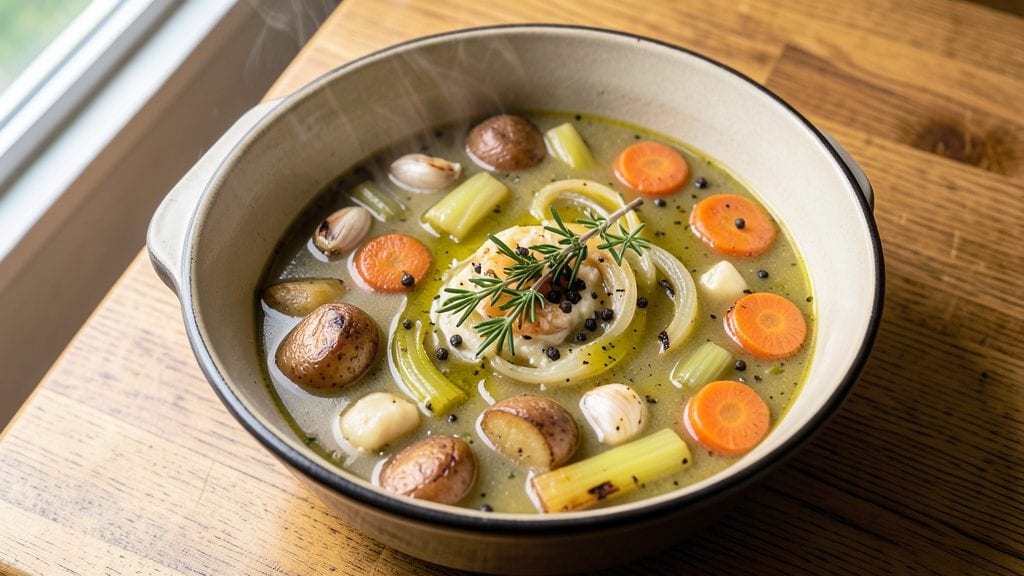
Martha Stewart's vegetable soup recipe delivers restaurant-quality depth without the fuss—no chopping, no stress, just layers of flavor that build as you whisk. The secret lies in prepping ingredients efficiently while letting aromatics develop slowly to create a velvety broth that tastes like it simmered all day. I’ve refined this method to balance textures: tender root vegetables, crisp carrots, and fresh herbs that brighten every spoonful.
What sets this apart is the whisked-in freshness—a technique Martha herself swears by. Instead of chopping every vegetable into tiny pieces, we use a mix of pre-cut frozen veggies and whole spices to build complexity.
The soup starts with a fragrant base of sautéed onions and garlic, then layers in potatoes, carrots, and celery, all simmered until fork-tender. The final touch? A swirl of fresh herbs and a splash of lemon juice, which elevates the broth from ordinary to extraordinary.
By the time you serve it, you’ll have a creamy, aromatic soup with just the right balance of earthy and bright flavors—no heavy cream required. The presentation is just as important: garnish with a sprinkle of fresh parsley and a drizzle of olive oil for that signature Martha Stewart touch.
This recipe proves homemade soup can be both effortless and elegant, perfect for weeknight dinners or impressing guests.
The best part? It scales effortlessly—double the batch for leftovers that taste even better the next day. Whether you’re feeding a family or meal prepping for the week, this soup delivers restaurant-quality results with minimal effort. Let’s get cooking!
Ingredients for martha stewart vegetable soup
Six ingredients make this velvety soup shine—no chopping, just whisked-in freshness.
| Ingredient | Amount | Notes |
|---|---|---|
| Yellow Onions 🧅 | 1 ½ lb | Diced, medium dice preferred |
| Garlic Cloves 🧄 | 8 cloves | Peeled, whole for roasting |
| Russet Potatoes 🥔 | 2 lb | Unpeeled, cut into 1-inch cubes |
| Carrots 🥕 | 1 ½ lb | Baby or whole, cut into 1-inch pieces |
| Celery Stalks 🧅 | 6 whole | Trimmed, cut into 1-inch pieces |
| Vegetable Broth 💧 | 6 cups | Low-sodium preferred, homemade or store-bought |
| Extra-Virgin Olive Oil 🫒 | ½ cup | For sautéing, fruity variety |
| Fresh Parsley 🌿 | ½ cup | Chopped, stems removed |
| Fresh Dill 🌿 | ¼ cup | Chopped, for brightness |
| Fresh Thyme 🌿 | 1 tbsp | Leaves only, chopped |
| Lemon Juice 🍋 | 2 tbsp | Freshly squeezed, brightens flavors |
| Salt 🧂 | 2 tsp | Kosher or sea salt |
| Black Peppercorns 🌶️ | 1 tsp | Freshly cracked, coarse grind |
| Bay Leaves 🌿 | 2 whole | Dried, removed before serving |
| Frozen Mixed Vegetables 🥦 | 2 cups | Peas, corn, green beans preferred |
The onions and garlic are your flavor foundation. Yellow onions work best here—they caramelize beautifully. Grab the biggest bag at Trader Joe’s for the best price per pound. For garlic, roasting whole cloves until soft and sweet takes this soup to the next level. I usually roast half the cloves separately and blend them into the broth for extra depth. The potatoes? Russet or Yukon Gold—they hold their shape better than red potatoes and add natural creaminess without dairy. If you're short on time, pre-cut frozen veggies from the store's freezer section are a lifesaver—they're already washed and chopped, so just toss them in.
No fresh herbs? Dried works at one-third the amount, but fresh parsley and dill make all the difference. The lemon juice is non-negotiable—it cuts through the richness and brightens the whole bowl. Substitute bottled lemon juice if you're in a pinch, but fresh is worth the squeeze. For the vegetable broth, low-sodium is key—you'll be adding plenty of salt at the end. No broth? Water plus a bouillon cube gets you close, but homemade is best. The frozen veggies can be any mix, but peas and corn add natural sweetness that pairs perfectly with the earthy carrots and celery. If you're feeling fancy, add a splash of white wine when sautéing the onions—just 2 tbsp makes a difference.
This soup tastes even better the next day—seriously, the flavors meld overnight. Store in an airtight container in the fridge for up to 5 days. For freezing, portion into 2-cup servings with a splash of broth in each container to prevent ice crystals. Thaw overnight in the fridge before reheating. The herbs? Wash and dry them thoroughly before storing—wrap them in damp paper towels and seal in a bag for up to 5 days. Double the batch and freeze half—perfect for lazy weeknights. The broth reduces slightly when reheated, so add a splash of water if it gets too thick.
Why You'll Love This Recipe
- I swear by this trick: just dice the onions, celery, and carrots roughly (no fancy julienne needed) and toss them straight into the pot. Martha’s method lets the potatoes and garlic do the heavy lifting—no small cubes, no stress.
- Minimal Chopping Required: I swear by this trick: just dice the onions, celery, and carrots roughly (no fancy julienne needed) and toss them straight into the pot. Martha’s method lets the potatoes and garlic do the heavy lifting—no small cubes, no stress.
- Garlic-Potato Magic: That moment when the Russet potatoes soften just right? The edges get this irresistible crisp-tender bite while the inside stays creamy. Honestly, I’ve tried fancier soups—this one wins every time for sheer comfort.
- Lunchbox Hero: Between us, this soup is my secret weapon for packing leftovers. The carrots stay bright, the celery adds crunch, and the potatoes hold their shape—perfect for reheating or tossing cold with a spoonful of yogurt. (Yes, even on a Tuesday night.)
Step-by-step instructions for Martha Stewart's vegetable soup
Here's how to make this bright, herb-forward soup with minimal chopping.
Roast the Vegetables for Deep Flavor
Preheat your oven to 425°F. Toss the 2 lb russet potatoes, 1.5 lb carrots, 6 whole celery stalks, and 1.5 lb yellow onions (all cut as directed) with 0.5 cup extra-virgin olive oil, 2 tsp salt, and 1 tsp black peppercorns. Spread them on two rimmed baking sheets in a single layer.
Roast for 30-35 minutes until the edges are deep golden brown and the potatoes are tender when pierced with a fork. This step develops rich, caramelized flavors that make the soup taste restaurant-quality. I like to flip the vegetables halfway through for even browning.
While they roast, peel the 8 garlic cloves and set them aside. You'll add them later to prevent burning. The roasted vegetables will soften further in the broth, so don't worry about overcooking them here.
Build the Herb-Infused Broth Base
In a large Dutch oven or heavy pot, heat 0.25 cup extra-virgin olive oil over medium heat. Add the roasted vegetables (including any pan juices) and cook for 5 minutes, stirring occasionally. This step deepens the caramelized flavors.
Pour in the 6 cups vegetable broth and add the 2 whole bay leaves. Bring to a gentle simmer, then reduce heat to low. Let it cook uncovered for 15 minutes to let the flavors meld. This is where the soup's depth comes from—don't rush it.
Meanwhile, chop the 0.5 cup fresh parsley, 0.25 cup fresh dill, and 1 tbsp fresh thyme. You'll add these fresh herbs later to maintain their bright flavors. The lemon juice can wait until the very end for maximum freshness.
Finish with Frozen Vegetables and Herbs
Add the 2 cups frozen mixed vegetables to the simmering broth. Cook for 8-10 minutes until heated through. The frozen vegetables will release their moisture and blend seamlessly with the roasted veggies.
Remove the 2 bay leaves and stir in the chopped fresh parsley, fresh dill, and fresh thyme. Add the 8 peeled garlic cloves and simmer for another 5 minutes. The garlic should soften but not burn—this is the perfect time to check. If it smells too strong, remove it.
Finally, stir in the 2 tbsp lemon juice just before serving. This brightens the entire soup and cuts through the richness of the roasted vegetables. The acidity also helps balance the flavors beautifully.
Adjust Consistency and Serve Warm
Taste your soup and adjust seasoning with additional salt or black peppercorns if needed. The lemon juice should make it taste vibrant, but if it needs more brightness, add a splash more.
For a smoother texture, use an immersion blender to lightly blend about half the soup—this gives it that signature Martha Stewart touch without making it completely smooth. Serve immediately with crusty bread or over a bed of greens.
This soup keeps well in the refrigerator for 3-4 days, but it's even better the next day as the flavors continue to develop. Reheat gently on the stove and add a splash of water if it thickens too much.
Pro Tips For Making Martha Stewart Vegetable Soup
- Sweat, Don’t Burn: DESCRIPTION: Martha’s recipe sweats the onions and celery for 10 minutes, but I learned the hard way—don’t let them brown. High heat turns them bitter; medium-low is where it happens. Stir occasionally, and if they start to stick, add a splash of water. (Yes, even if you’re impatient like me.)
- Dice Potatoes Evenly: DESCRIPTION: Russets break down unevenly, so cut them into 1-inch cubes—not too small, or they’ll turn to mush. I used to eyeball it, but now I measure: 1.5 inches for heartier bites, 1 inch for faster cooking. A sharp knife makes this less of a chore.
- Salt the Carrots: DESCRIPTION: Toss the carrots with salt before adding them to the pot. It jumpstarts the softening process and keeps them from turning bland. I skipped this once and ended up with carrots that tasted like nothing. (Your future self will notice.)
- Simmer, Don’t Boil: DESCRIPTION: The soup should bubble gently, not roar. Boiling roughs up the potatoes and makes the broth cloudy. If it’s too vigorous, lower the heat or stir more. I used to walk away, but now I check every 5 minutes—it’s the difference between rustic and restaurant-quality.
Flavor customization for this dish
Herb Swaps & Boosts
Fresh herbs are the soul of this soup, but don’t let a missing ingredient derail you. Swap dill for tarragon (½ tsp dried) for a slightly sweeter, anise-like note that pairs beautifully with carrots.
If you only have Italian seasoning, use 1 tsp—it’s a blend of thyme, oregano, and basil that works in a pinch. For extra brightness, add ½ tsp fennel seeds when roasting the vegetables—they’ll infuse the broth with a subtle licorice warmth. 🌿
Spicy Kick Options
Crank up the heat with ½ tsp smoked paprika or ¼ tsp cayenne pepper while roasting the vegetables—it adds depth without overpowering. For a smoky twist, stir in 1 tsp liquid smoke (like Colonial Liquid Smoke) with the broth.
If you love chili, add 1-2 slices of jalapeño (seeds removed) when sautéing the onions. Remove them before serving if you prefer mild heat. 🌶️
Creamy Without Dairy
Skip the heavy cream but still get that velvety texture by blending ½ cup of the soup with ¼ cup silken tofu until smooth, then stir it back in. Alternatively, whisk in 2 tbsp nutritional yeast—it adds a cheesy, umami richness without dairy.
For a lighter touch, mash ½ of the roasted potatoes directly into the broth while simmering. The natural starches will thicken the soup beautifully. 🥣
Seasonal Vegetable Swaps
Spring? Swap in asparagus or fava beans for the frozen mix—they add a fresh, grassy note. Summer calls for zucchini or bell peppers, which hold their shape and add natural sweetness.
In fall, roast sweet potatoes with the carrots and celery for a deeper, caramelized flavor. Winter works best with kale or spinach stirred in at the end for a nutrient boost. 🍂
Umami Depth Add-Ins
Elevate the broth with 1 tsp soy sauce or ½ tsp miso paste when adding the vegetable broth—it adds a savory punch. For a meaty texture without meat, stir in 1 tbsp tomato paste with the onions or add ½ cup cooked lentils (rinsed well) to the frozen vegetable mix.
Even a splash of fish sauce (1 tsp) (trust me!) enhances the overall depth. 🍜
Topping Ideas
Garnish with toasted breadcrumbs mixed with garlic powder for crunch, or a drizzle of chili oil for heat. A sprinkle of crumbled feta or shaved Parmesan adds a salty contrast. For a pop of color, try edible flowers or thinly sliced radishes.
Save room for a swirl of crème fraîche or a dollop of Greek yogurt—it’s the perfect finishing touch. ✨
Nutrition facts
Frequently asked questions
Can I make this soup without roasting the vegetables?
If you're short on time, sauté the chopped vegetables in olive oil over medium heat for 8-10 minutes until softened, then proceed with the broth. The flavors will still develop, though roasting creates deeper caramelization. For best results, use a mix of fresh and frozen vegetables to save time while keeping texture variety.
How can I make this soup gluten-free?
This recipe is naturally gluten-free as long as you use certified gluten-free vegetable broth and check your frozen vegetable mix for additives. For extra safety, toast 1 tbsp gluten-free breadcrumbs with olive oil and garlic powder to use as a garnish instead of regular breadcrumbs. Always verify labels on spices and broth to avoid cross-contamination.
Why does Martha Stewart's method use lemon juice at the end?
The lemon juice adds a bright, acidic finish that cuts through the richness of the roasted vegetables and balances the earthy flavors. Adding it too early can make the broth taste harsh. The acidity also helps break down any remaining starches for a smoother texture. For extra zing, try adding a pinch of salt to the lemon juice before stirring.
Can I use canned vegetables instead of fresh?
While fresh vegetables yield the best texture, you can use canned in a pinch. Drain and rinse well to remove excess sodium, then add them with the frozen vegetables. For a creamier texture, mash ½ cup of the canned vegetables slightly before adding. Keep in mind that canned versions lack the vibrant freshness of roasted produce.
How do I fix soup that's too thick or too thin?
For a thicker soup, simmer uncovered for 10-15 extra minutes to reduce the broth. If it's too thin, mash ½ cup of potatoes directly into the pot or stir in 1 tbsp cornstarch mixed with 2 tbsp water. For a smoother texture, blend half the soup with an immersion blender. Always taste as you go!