
Soups & Stews
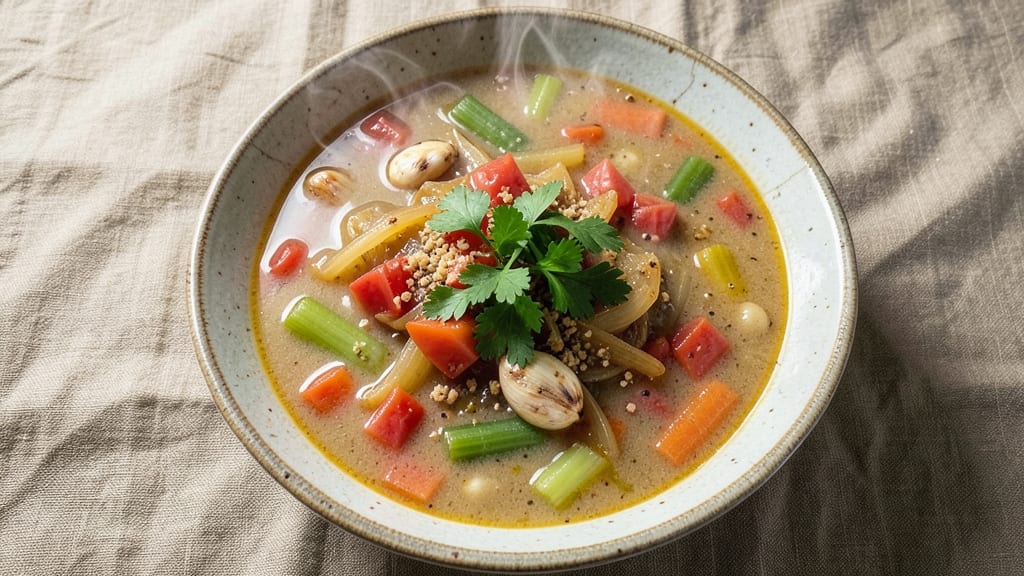
This minestrone soup recipe delivers the soul-warming comfort of Italy’s most beloved vegetable stew, where tender beans, al dente pasta, and seasonal vegetables create a hearty bowl that feels like a hug in every spoonful.
The secret lies in balancing flavors—acidic tomatoes, earthy beans, and fresh herbs—while letting the soup develop depth through slow simmering. I’ve perfected this version to stay true to tradition while adapting for modern kitchens, where canned beans and pantry staples make it accessible without sacrificing authenticity.
The beauty of minestrone is its flexibility—it’s as much about the process as the result. You’ll start with sautéing aromatics until fragrant, then build layers of flavor by adding tomatoes, broth, and vegetables in the right order.
The beans and pasta cook together, absorbing the rich broth while maintaining their texture, and the final touch of fresh basil or grated cheese elevates it from simple to extraordinary. This isn’t just soup; it’s a comforting, one-pot meal that feeds a crowd or satisfies a solo diner.
What sets this recipe apart is the harmony of textures: creamy beans, al dente pasta, and crisp-tender vegetables in every bite. The broth reduces to a perfect consistency—neither watery nor gluey—while the herbs and garlic infuse it with layers of aroma.
Whether you’re serving it at a family gathering or reheating leftovers for lunch, the flavors only deepen over time. It’s the kind of dish that turns a routine weeknight into a celebration of simple, wholesome cooking.
For those who prefer a vegan version, simply swap the broth for vegetable stock and use olive oil instead of butter. The soup’s robust flavors make it adaptable to dietary needs without compromising on taste. Let’s get started on creating a bowl that’s as nourishing as it is delicious.
Ingredients for minastrone soup
Pantry staples meet fresh produce for this soul-warming Italian classic.
| Ingredient | Amount | Notes |
|---|---|---|
| Extra-Virgin Olive Oil 🫒 | ½ cup | High-quality, fruity variety |
| Yellow Onion 🧅 | 1 whole | Medium, diced finely |
| Carrots 🥕 | 2 cups | Medium, diced small |
| Celery Stalks 🥬 | 3 whole | Medium, diced finely |
| Garlic Cloves 🧄 | 4 cloves | Fresh, minced finely |
| Canned Diced Tomatoes 🍅 | 2 cups | San Marzano preferred |
| Vegetable Broth 💧 | 6 cups | Low-sodium preferred |
| Canned Cannellini Beans 🌱 | 2 cups | Drained, rinsed |
| Canned Kidney Beans 🌱 | 1 cup | Drained, rinsed |
| Small Pasta 🍝 | 1 cup | Ditalini or acini di pepe |
| Zucchini 🥒 | 1 cup | Diced small |
| Fresh Basil Leaves 🌿 | ¼ cup | Chopped finely |
| Parmesan Cheese 🧀 | ½ cup | Freshly grated |
| Salt 🧂 | 1 tsp | Diamond Crystal kosher |
| Black Pepper 🌶️ | ½ tsp | Freshly ground |
The vegetables form the soup's heart—fresh carrots and celery from the grocery store's produce section (not the pre-cut bags) bring the best flavor. Look for San Marzano canned tomatoes at Italian markets—they're sweeter and less acidic. The beans? Canned is fine, but if you're feeling ambitious, soak and cook your own for deeper flavor. For the pasta, ditalini or acini di pepe hold up best in the soup, but any small shape works. The Parmesan should be real Parmigiano-Reggiano—none of that pre-grated stuff that tastes like sawdust.
No fresh basil? Dried oregano at half the amount works in a pinch, though fresh is ideal. Short on zucchini? Substitute with green beans or asparagus—just adjust cooking time. The vegetable broth can be homemade (simmer veggie scraps with herbs) or store-bought, but avoid high-sodium versions. For a richer flavor, stir in 1 tablespoon tomato paste when sautéing the aromatics. The pasta should be al dente—it'll finish cooking in the soup.
This soup tastes even better the next day as flavors meld. Store in an airtight container in the fridge for up to 5 days. Freezes beautifully for 3 months—portion into containers before freezing for easy reheating. For a vegan version, simply omit the Parmesan and use vegetable broth. The soup reheats well—just add a splash of water or broth if it gets too thick.
Why You'll Love This Recipe
- Pantry Magic: I swear by this soup because it’s made with what I always have—no last-minute grocery runs. That golden olive oil base, the onion and celery sweating together—it’s the kind of flavor that builds effortlessly while you chop. Honestly, I’ve made it with frozen beans before, and it still tasted like a hug.
- Garlic Kiss: The moment that garlic hits the pan? Chef’s kiss. You don’t even need fancy techniques—just let those cloves sizzle until they’re fragrant, and suddenly, everything else tastes better. Between us, that’s the secret weapon in this recipe. Simple, but ridiculously good.
- Meal Prep MVP: This soup tastes better the next day, which means I can make a big batch on Sunday and have leftovers for lunch all week. The flavors meld like a dream, and it reheats in minutes. (Yes, even on a Tuesday night when you’re exhausted.)
- Budget-Friendly Flex: Carrots, celery, onions—these are the ingredients that won’t break the bank, but they pack a punch. I’ve served this to college students, new parents, and my picky-eating aunt, and no one ever complains. That’s the kind of reliable, satisfying dish I love.
Step-by-step instructions for hearty veggie-packed Italian comfort
This minestrone delivers rich, rustic flavor with minimal fuss—perfect for cozy evenings.
Sauté the Vegetable Base
Heat the 0.5 cup extra-virgin olive oil in a large pot over medium heat. Add the 1 whole yellow onion, 2 cups carrots, and 3 whole celery stalks, stirring occasionally for 5-7 minutes until the vegetables soften and begin to caramelize. You'll see them release moisture and develop a golden hue—this builds the soup's foundational flavor.
Push the vegetables to one side of the pot and add the 4 cloves minced garlic cloves, stirring for 30 seconds until fragrant. Here's the thing—garlic burns quickly, so keep the heat at medium and watch closely. The moment you detect that nutty aroma, it's ready for the next ingredient.
Build the Tomato-Broth Foundation
Pour in the 2 cups canned diced tomatoes and stir to combine with the sautéed vegetables. Cook for 2 minutes to let the tomatoes soften slightly. Then, add the 6 cups vegetable broth, bringing everything to a gentle simmer. This step creates the soup's liquid base while allowing the vegetables to meld their flavors.
Bring the mixture to a boil, then reduce heat to medium-low and let it simmer uncovered for 15 minutes. You'll notice the vegetables softening further and the broth absorbing their natural sweetness. Skim off any foam that rises to the surface—this keeps the soup clean and prevents bitterness.
Add Beans and Zucchini
Stir in the 2 cups drained cannellini beans and 1 cup drained kidney beans, along with the 1 cup diced zucchini. Simmer for another 10 minutes until the zucchini is tender but still holds its shape. The beans will absorb some of the broth, thickening the soup naturally. Taste and adjust seasoning with 1 teaspoon salt and 0.5 teaspoon black pepper—this is where you fine-tune the balance of flavors.
Here's where it gets fun—toss in the 1 cup small pasta and cook for 8-10 minutes until al dente. The pasta should be tender but still have a slight bite. If the soup seems too thick, add ½ cup water to loosen it. The goal is a hearty yet spoonable consistency that coats the back of a spoon.
Finish with Fresh Herbs and Cheese
Remove the pot from heat and stir in the 0.25 cup chopped fresh basil leaves and 0.5 cup freshly grated parmesan cheese. Let the soup sit for 5 minutes to allow the basil to infuse its bright, aromatic flavor. The parmesan will melt slightly, adding a creamy richness that ties everything together.
Ladle the minestrone into bowls and serve immediately. The contrast of warm, hearty soup against the cool parmesan and fresh basil makes this dish feel like a warm embrace. For extra comfort, pair it with crusty bread to soak up every last drop of that flavorful broth.
Pro Tips For Making Minastrone Soup
- SWEAT THE VEGETABLES: After burning three batches of minestrone, I finally figured out: cook the onion, carrots, and celery in olive oil over medium-low heat for 12-15 minutes. You want them soft enough to disappear into the soup, not crispy or caramelized—this is about flavor extraction, not browning. (Yes, even if you're impatient like me.)
- CHOP GARLIC SMALL: Whole garlic cloves in minestrone? Skip it. Mince those cloves into tiny pieces—think rice grain size—or crush them with the flat side of your knife. This way, they blend into the soup instead of sitting like awkward, chewy surprises. (Your future self will notice.)
- ADD BEANS LAST: I used to toss in canned beans with the rest and wondered why they turned to mush. Hold off until the last 10 minutes of simmering—this keeps their texture intact. If using dried beans, soak them overnight, then par-cook separately for 30 minutes before adding. (Your soup will thank you.)
- SALT THE WATER HARD: Minestrone needs bold flavor, so don’t skimp on the salt when boiling the broth or water. Aim for 1.5 teaspoons per quart—more if you’re using low-sodium ingredients. Taste as you go; you can always adjust, but you can’t unsalt a bland soup. (This is the thing that matters most.)
Essential equipment for great minastrone soup
Large Pot Essentials
You’ll need a large, heavy-bottomed pot (I use my All-Clad 6-quart Dutch oven) to handle the soup’s volume without scorching. A Dutch oven distributes heat evenly, preventing hot spots that can burn your vegetables.
If you’re cooking for a crowd, consider a stainless steel stockpot like the Cuisinart MultiClad—it’s durable and handles simmering beautifully. 🔥
Knife and Cutting Board
Invest in a sharp chef’s knife (I love the Wüsthof Classic 8-inch) and a cutting board with a non-slip base. Uniformly diced vegetables cook evenly and release flavors more consistently.
For celery and carrots, I prefer a mandoline for precision—just be sure to use the safety guard. A microplane also comes in handy for grating garlic cloves finely. ✨
Wooden Spoon and Ladle
A wooden spoon (like the OXO Good Grips) is your best friend for stirring minestrone—it won’t scratch your pot like metal utensils. For serving, a stainless steel ladle with a deep well ensures you capture every last bit of flavorful broth.
I also keep a slotted spoon on hand to remove foam during simmering. 💫
Measuring Tools
Precision matters in minestrone, so use a stainless steel measuring cup (like OXO’s) for broth and a kitchen scale for ingredients like pasta and beans. A fine-mesh strainer helps rinse canned beans thoroughly, removing excess sodium. For herbs, a herb scissors makes chopping fresh basil effortless. 🌿
Optional Extras
For vegan versions, a vegetable peeler helps create ribbons of zucchini or carrots for garnish. A mortar and pestle can crush garlic into a paste for deeper flavor. If you love crusty bread, a baguette knife slices it perfectly for dipping. These extras elevate the dish without being essential. 💡
Nutrition facts
Frequently asked questions
Can I make minestrone soup without pasta?
Traditional Italian versions often omit pasta, focusing on the vegetable and bean medley. For a heartier bowl, add 1 cup cooked quinoa or 1 cup chopped potatoes instead. The soup will still be rich and satisfying—just adjust cooking times for the new ingredients.
How do I prevent minestrone from getting mushy?
Cook the vegetables in stages to control texture. Add harder veggies like carrots and celery first, then tender ones (zucchini, spinach) last. For beans, use canned varieties that are already tender—no need to overcook. The pasta should go in last for 8-10 minutes to achieve al dente perfection.
What's the best way to store leftovers?
Transfer to an airtight container and refrigerate for up to 5 days. The flavors actually improve overnight! For freezing, portion into individual containers and store for 3 months. Reheat gently on the stove with a splash of broth to restore texture. Avoid microwaving—it can make the pasta rubbery.
Can I make this soup in a slow cooker?
Yes! Sauté the aromatics first, then transfer everything to the slow cooker. Cook on low for 6-8 hours or high for 3-4 hours. Add the pasta during the last 30 minutes of cooking. The slow cooking enhances the vegetable flavors beautifully, though you may need to adjust seasoning slightly after.
What's the secret to making it taste more authentic?
Use San Marzano tomatoes for natural sweetness and Parmigiano-Reggiano for depth. Toast 1 tablespoon tomato paste with the onions for richer flavor, and finish with fresh basil. For extra authenticity, stir in 1 teaspoon red wine vinegar before serving—it brightens the dish beautifully.