
Soups & Stews
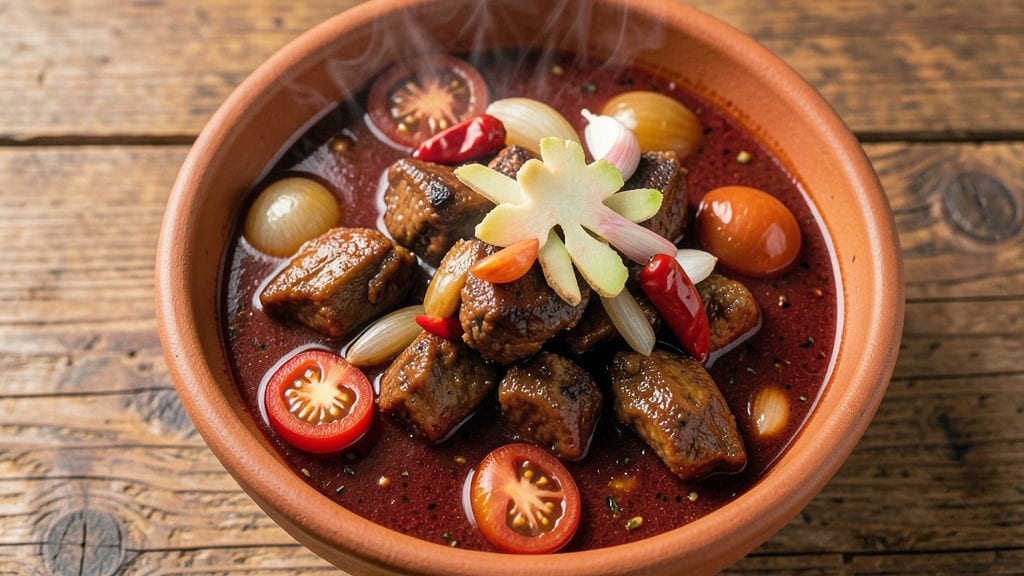
This Nigerian goat meat pepper soup delivers the bold, complex flavors that make it a centerpiece of West African cuisine—where tender meat and aromatic peppers create a harmony that lingers long after the last bite.
The secret lies in slow-cooking the meat until it falls apart while building layers of spice through traditional blending techniques, a process I’ve perfected to balance heat, depth, and richness without overwhelming the palate.
The recipe begins with marinating the goat meat in a blend of onions, ginger, and garlic to tenderize and infuse flavor, then simmers for hours until the meat is fork-tender and infused with the pepper soup’s signature depth.
What sets this dish apart is the careful balance of tender meat, smoky peppers, and earthy spices—each element working together to create a soup that’s both comforting and invigorating.
By the time you finish, you’ll have a pot of restaurant-quality pepper soup with meat that practically melts in your mouth and a broth so flavorful it needs no accompaniment.
Serve it with pounded yam, fufu, or rice to soak up every last drop of that rich, spiced goodness—a dish that’s as much about tradition as it is about taste.
Ready to bring the soul of Nigerian cuisine to your kitchen? Let’s get started with the ingredients and techniques that make this recipe authentic and foolproof.
Ingredients for nigerian goat meat pepper soup
Bold flavors start with these essential ingredients for authentic Nigerian goat meat pepper soup.
| Ingredient | Amount | Notes |
|---|---|---|
| Goat Meat 🐐 | 2 lb | Cut into 2-inch cubes |
| Yellow Onions 🧅 | 2 whole | Chopped, medium dice |
| Fresh Ginger 🌿 | 1 inch | Peeled, sliced thinly |
| Garlic Cloves 🧄 | 8 cloves | Minced, fresh preferred |
| Scotch Bonnet Peppers 🌶️ | 4 whole | Seeds removed, chopped |
| Fresh Tomatoes 🍅 | 4 medium | Chopped, or 1 cup canned |
| Fresh Tomatoes 🍅 | 2 cups | Chopped, or 1 can diced |
| Red Bell Peppers 🌶️ | 2 whole | Chopped, medium dice |
| Thyme Leaves 🌿 | ½ cup | Fresh, or 1 tbsp dried |
| Bay Leaves 🍃 | 2 whole | Dried, for infusion |
| Ground Cumin 🌿 | 1 tbsp | Toasted for depth |
| Ground Nutmeg 🌶️ | ½ tsp | Freshly grated preferred |
| Salt 🧂 | 1 ½ tsp | Adjust to taste |
| Black Pepper 🌶️ | ½ tsp | Freshly ground |
| Vegetable Oil 🫒 | ½ cup | For browning meat |
The goat meat is the star—look for well-marbled cuts at African markets or specialty butchers. Costco or Whole Foods often carry it, but if you can't find it, lamb works in a pinch (though flavor differs). Fresh Scotch bonnet peppers are non-negotiable for that signature heat—African grocery stores usually have them, or use habanero as a substitute. For tomatoes, San Marzano canned cuts prep time, but fresh gives brighter acidity. I always double-check the ginger's freshness—wrinkled roots lose punch fast.
No Scotch bonnet? Habanero or red chili flakes work, but reduce by half to avoid overpowering. Short on thyme? 1 tbsp dried thyme works, but fresh has that herbal brightness. The bay leaves are just for flavor—remove them before serving, no need to count them out. For the tomatoes, canned diced works if fresh isn't available, just drain well. The bell peppers can be swapped for green bell peppers if that's what's on hand—just know it'll be slightly milder.
This soup tastes even better the next day as flavors meld. Store in the fridge for 4-5 days—the meat gets more tender with time. For freezing, portion into 2-cup servings with a bit of broth to prevent drying. Reheat gently on low, stirring occasionally. The broth reduces slightly when reheated, so add a splash of water if needed. Leftovers make amazing lunches—just warm through and serve with rice.
Why You'll Love This Recipe
- One-Pot Magic: I swear by this recipe—just chop, simmer, and let the flavors meld. No fancy techniques, no extra pots. That deep, smoky aroma from the Scotch bonnet and ginger fills your kitchen while you’re still dicing onions.
- Heat Meets Depth: Between us, the Scotch bonnet’s fiery kick and the goat meat’s tender richness create something ridiculously satisfying. The ginger and garlic? They’re the secret—crisp at first, then melting into the broth like a warm hug.
- Crowd-Pleaser Every Time: Serve it with pounded yam for a Sunday feast or over rice for a quick weeknight dinner. Honestly, I’ve had picky eaters ask for seconds—the balance of spice, meat, and broth is just that good.
- Budget-Friendly Leftovers: Goat meat stretches far, and this soup tastes even better the next day. I’ll be real: I make a big batch, freeze half, and pull it out for lazy nights. The onions and ginger add layers of flavor that only improve with time.
Step-by-step instructions for Nigerian goat meat pepper soup
Here's how to transform tough goat meat into melt-in-your-mouth tenderness with rich, aromatic flavors.
🍳 Step 1: Brown the Goat Meat Perfectly
Heat the 0.5 cup vegetable oil in a large pot over medium-high heat until shimmering. Add the 2 lb goat meat cut into 2-inch cubes and brown on all sides for 8-10 minutes. You're looking for deep golden color—not burnt—with slightly crisp edges. This step develops the meat's flavor and helps tenderize it.
Real talk: Don't overcrowd the pot. Work in batches if needed so the meat gets proper browning. Once browned, remove the meat and set it aside temporarily. You'll notice the oil will darken—this is normal and adds depth to your soup.
🍳 Step 2: Build the Flavor Base with Aromatics
In the same pot, reduce heat to medium and add the 2 whole yellow onions and 2 whole red bell peppers, both chopped. Cook for 5 minutes until softened and slightly caramelized. Add the 1 inch fresh ginger and 8 cloves garlic cloves, both minced, and cook for another 2 minutes until fragrant.
Here's where it gets aromatic: Stir in the 4 whole scotch bonnet peppers (seeds removed and chopped) and the 1 tbsp ground cumin. Cook for 3 minutes until the peppers soften slightly and the spices release their oils. The kitchen should smell like a spice market—this is your reward for paying attention.
🥘 Step 3: Simmer with Tomatoes and Herbs
Add the 4 medium fresh tomatoes and 2 cups fresh tomatoes, both chopped, along with the 0.5 cup thyme leaves, 2 whole bay leaves, 1.5 tsp salt, and 0.5 tsp black pepper. Stir well to combine, then pour in 4 cups water (enough to cover the meat). Bring to a gentle boil, then reduce heat to low and add the browned goat meat back to the pot.
Simmer uncovered for 1 hour until the meat is fork-tender and pulls apart easily. You'll know it's ready when the liquid reduces slightly and the meat absorbs all the flavors. If the soup gets too thick, add a splash of water—it should coat the back of a spoon but still be brothy enough to serve over rice or pounded yam.
⏰ Step 4: Finish with Nutmeg and Rest
Remove the pot from heat and stir in the 0.5 tsp ground nutmeg. Let the soup sit covered for 10 minutes to allow the flavors to meld completely. The nutmeg adds that signature warm, earthy note that makes this soup uniquely Nigerian.
Taste and adjust seasoning—you might need a pinch more salt or a dash of pepper to balance the heat from the scotch bonnet peppers. Serve immediately over your choice of starch (I love it with jollof rice or fufu) and watch as everyone asks for seconds. This is the moment that matters: perfectly tender meat swimming in a complex, spiced broth that's both comforting and exciting.
Pro Tips For Making Nigerian Goat Meat Pepper Soup
- BROWN THE GOAT FIRST: Skip the raw meat straight into the pot—this soup needs depth. Sear the goat in batches over medium-high heat with just oil and salt until deeply browned (5-7 minutes per side). The crust locks in flavor and prevents that "blended stew" taste. I used to rush this, and the soup always felt flat afterward.
- GRATE THE GINGER FINE: No, "chopping" isn’t enough. Use the small holes of a box grater for the ginger—it dissolves smoothly and infuses the soup with real heat, not just flecks you’ll bite into later. My grandmother swore by this, and she was right: the texture matters more than you’d think.
- CONTROL THE SCOTCH BONNET: Don’t dump the whole pepper in at once—you’ll end up with a mouthful of heat and no complexity. Start with 1/4 of a pepper (seeds removed) to build flavor, then add the rest in stages. Taste as you go; you can always add more, but you can’t take it out.
- LOW AND SLOW AFTER BOILING: Once the soup reaches a rolling boil, drop the heat to the lowest setting that maintains a gentle simmer. High heat after boiling turns the goat tough and the broth cloudy. I learned this the hard way—my first batch was chewy and gray. Trust me, patience here is everything.
Serving suggestions for this nigerian goat meat pepper soup
Traditional Starch Pairings
Nigerian goat meat pepper soup demands a hearty starch to soak up its rich, spiced broth. My go-to is pounded yam—its smooth, doughy texture contrasts beautifully with the soup’s bold flavors.
For a quicker option, jollof rice (Nigerian-style tomato rice) adds a vibrant, slightly tangy element that complements the heat. If you’re short on time, white rice works perfectly, though it lacks the cultural authenticity of the others. 🥥
Fresh Garnishes
Brighten the dish with chopped fresh parsley or cilantro just before serving—these herbs lift the soup’s earthy depth. A sprinkle of toasted ground peanuts adds crunch and a nutty dimension, while sliced scallions provide a fresh, oniony bite.
For an extra touch, drizzle with red palm oil—its rich color and subtle sweetness enhance the soup’s visual appeal and flavor. 🌿
Beverage Pairings
Cool the palate with a malt drink like Bournvita or Ogi, traditional Nigerian beverages that balance the soup’s spice. For a modern twist, a light lager (like Guinness or Heineken) cuts through the richness without overpowering.
Avoid heavy wines—their tannins clash with the soup’s bold spices. Stick to refreshing, effervescent options for harmony. 🍺
Leftovers Reinvented
Transform leftover soup into pepper soup fried rice—sauté the meat and broth with day-old rice, a beaten egg, and extra spices. For a hearty meal, mix the soup with mashed plantains or fufu to create a filling stew.
The flavors only deepen overnight, so don’t hesitate to reheat and serve again. 💡
Cultural Serving Etiquette
In Nigerian homes, pepper soup is always served family-style in a large pot at the center of the table. Use shared spoons for serving, and encourage guests to help themselves.
The communal aspect is key—this isn’t just a meal, it’s a celebration of flavor and togetherness. Serve with fried plantains or kolanut for a complete experience. 👨👩👧👦
Nutrition facts
Frequently asked questions
Can I substitute goat meat with another type of meat?
While goat is traditional, you can use lamb or beef chuck in a pinch. Lamb works best as it has a similar texture, but avoid lean cuts like chicken breast—they won’t become tender. If using beef, increase simmering time to 1.5 hours for optimal tenderness. The flavor will differ slightly, but the technique remains the same.
How do I reduce the heat from the Scotch bonnet peppers?
Remove the seeds and membranes before chopping to cut heat by 50%. For milder heat, substitute with 1-2 habanero peppers or 1 tbsp red chili flakes. If you accidentally add too much heat, balance it with a splash of coconut milk or yogurt at the end—it cools the broth without overpowering the flavors.
Why does my pepper soup turn out too thin or too thick?
Too thin? You likely added too much water—aim for 4 cups max for 2 lbs of meat. Too thick? Simmer uncovered for 10-15 minutes to reduce, or stir in 2 tbsp tomato paste to thicken. The broth should coat the back of a spoon but remain pourable. Adjust gradually—overcorrecting can ruin the balance.
Can I make this soup in a slow cooker?
Brown the meat as directed, then transfer everything (including meat) to a 6-quart slow cooker. Cook on low for 6-8 hours or high for 3-4 hours. The slow cooker’s gentle heat ensures tender meat without monitoring. Just stir occasionally and add water if needed to maintain consistency.
What’s the best way to store and reheat leftovers?
Store in an airtight container in the fridge for 4-5 days or freeze for 3 months. To reheat, warm on low heat with a splash of water or broth—never microwave directly, as it can make the meat tough. For best results, reheat to 165°F and adjust seasoning with a pinch of salt or pepper.