
Soups & Stews
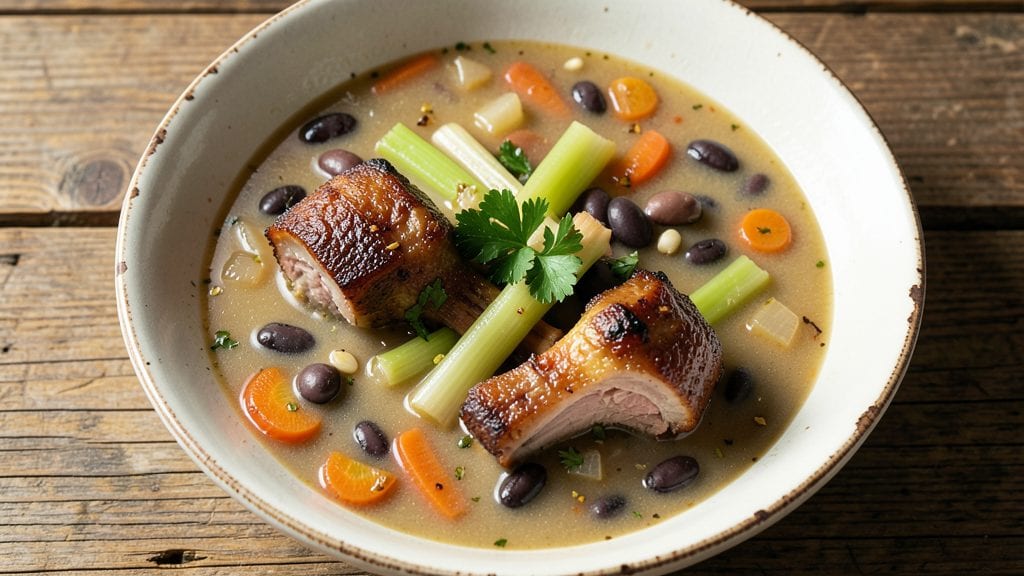
This old-fashioned bean and ham hock soup delivers the kind of soul-warming flavor that turns a simple meal into a tradition. The secret lies in slow-simmered ham hocks, which infuse the broth with deep, smoky richness that transforms ordinary beans into something extraordinary.
I've perfected this recipe over years of testing, ensuring every spoonful carries that authentic, comforting taste of Southern heritage.
The beauty of this soup is in its simplicity—just a few core ingredients working together to create something complex and satisfying. The ham hocks provide both flavor and texture, while navy beans absorb the smoky essence of the broth.
A proper simmering time of at least 2 hours develops the depth of flavor, turning this into a meal that's worth the wait. It's the kind of dish that tastes even better the next day, when all the flavors have had time to meld.
What you'll end up with is a hearty, rustic soup that's perfect for chilly days or family gatherings. The beans are tender but still hold their shape, the broth is rich and aromatic, and every bite carries that unmistakable smoky ham flavor.
This is the kind of soup that brings people together—not just for the meal, but for the memories it creates. Ready to make it?
Serve it with crusty bread to soak up every last drop of that flavorful broth, or pair it with cornbread for the full Southern experience. The leftovers keep well in the refrigerator for up to 5 days, making this a perfect make-ahead meal.
Let's get started on creating this classic dish that's been warming kitchens for generations.
Ingredients for old fashioned bean and ham hock soup
Just twelve ingredients transform into a soul-warming soup with deep smoky flavor from slow-simmered ham hocks.
| Ingredient | Amount | Notes |
|---|---|---|
| Navy Beans 🥜 | 2 cups | Dried, soaked overnight |
| Ham Hocks 🍖 | 2 whole | Smoked, about 1.5 lb total |
| Onions 🧅 | 2 whole | Yellow, roughly chopped |
| Carrots 🥕 | 4 medium | Peeled, cut into chunks |
| Celery Stalks 🥬 | 3 whole | Roughly chopped |
| Garlic Cloves 🧄 | 4 cloves | Minced for depth |
| Bay Leaves 🌿 | 2 whole | Dried, standard size |
| Black Peppercorns 🌶️ | 1 tsp | Crushed, freshly ground |
| Salt 🧂 | 1 ½ tsp | Kosher or sea salt |
| Apple Cider Vinegar 🍏 | 1 tbsp | For brightness |
| Fresh Thyme 🌿 | 1 tbsp | Leaves only, chopped |
| Water 💧 | 12 cups | Enough to cover all |
| Crusty Bread 🍞 | 6 slices | For serving, optional |
The ham hocks are the heart of this soup—look for smoked ones at butcher shops or specialty stores like Whole Foods or Kroger. Freshness matters here: the bones should be moist and smell rich, not ammonia-like. If you can't find smoked, regular ham hocks work but add 1 tbsp smoked paprika to compensate. The navy beans need proper soaking—8-12 hours in cold water with a pinch of baking soda. Don't skip this step; it ensures tender beans that hold their shape.
No smoked ham hocks? Substitute smoked turkey legs or pork shanks, but increase simmering time to 3 hours. Fresh thyme unavailable? Dried thyme at half the amount works, but fresh gives that bright herbal note. The vinegar might seem odd, but it brightens the broth—lemon juice works too. For the vegetables, baby carrots or pre-cut celery save chopping time, though fresh is always better. The broth should cover everything by about an inch; if not, add more water.
This soup tastes even better the next day—4-5 days in the fridge, sealed tightly. For longer storage, freeze portions for up to 3 months. The crusty bread pairs perfectly; sourdough or Italian loaves work best. If making ahead, cool the soup quickly by spreading it in shallow containers before refrigerating. The ham hocks can be removed after 2 hours of simmering, cooled, and saved for sandwiches or other dishes—zero waste.
Why You'll Love This Recipe
- No-Chop Night: The ham hocks and beans do most of the work while you roughly chop onions, carrots, and celery—no fancy knife skills required. I’ll often grab whatever’s in the crisper and toss it in; the soup still tastes like it simmered for hours.
- Smoky-Sweet Magic: That ham hock? It’s the star—slow-cooked until the meat falls off the bone, leaving behind a broth so rich it makes you slow down. The navy beans soak up all that smoky, salty goodness, and the carrots and celery add just enough sweetness to balance it out.
- Crowd-Pleaser Every Time: Bring it to a potluck, a Sunday dinner, or even a weeknight when you’re too tired to think. Kids love the soft beans and salty ham, and adults will ask for seconds. Honestly, I’ve never met someone who didn’t finish their bowl.
- Leftovers You’ll Actually Want: This soup only gets better the next day—like a flavor upgrade for free. I’ll make a big batch on Sunday, and by Wednesday, it’s still my go-to for lunch. Plus, it’s one of those rare recipes where reheating doesn’t ruin it.
Step-by-step instructions for old fashioned bean and ham hock soup
Here's the traditional method for building rich, smoky flavor from slow-cooked ham hocks and tender navy beans.
Prepare the Ham Hocks and Soaked Beans
Place the 2 whole ham hocks in a large stockpot and cover with the 12 cups water. Bring to a boil over high heat, then reduce to a simmer for 30 minutes. This initial simmer helps extract collagen and fat from the bones, which will later create a velvety texture. Skim off any foam that rises to the surface during this time.
While the ham hocks simmer, drain and rinse the 2 cups soaked navy beans. Add them to the pot along with the 2 whole yellow onions (roughly chopped), 4 medium peeled carrots (cut into chunks), and 3 whole celery stalks (roughly chopped). The vegetables will soften gradually as they cook, contributing natural sweetness and depth to the soup.
Build the Flavor Base with Aromatics
After the initial 30 minutes of simmering, add the 4 minced garlic cloves, 2 whole bay leaves, 1 tsp crushed black peppercorns, 1.5 tsp salt, 1 tbsp apple cider vinegar, and 1 tbsp chopped fresh thyme leaves. Stir gently to combine, ensuring all ingredients are submerged. The vinegar brightens the flavors while the thyme and peppercorns add warmth and complexity.
Return the pot to a gentle simmer and maintain a low heat for 1.5 to 2 hours. The soup should bubble softly—never boil vigorously. This slow cooking allows the ham hocks to render their fat and collagen, creating a rich, almost custard-like broth. Check occasionally and add ½ cup water if the liquid reduces too much.
Check for Tender Beans and Seasoning
After 1.5 hours, use a spoon to taste one of the navy beans. It should be tender but still hold its shape—like a firm al dente pasta. If the beans feel slightly resistant, continue cooking for another 30 minutes. Overcooking can make them mushy, which ruins the soup's texture. The ham hocks should also be fork-tender, with the meat easily separating from the bone.
Adjust the seasoning if needed. The ham hocks and beans will absorb some of the salt, so you might need to add a pinch more. The apple cider vinegar should add a subtle tang, but if it's too sharp, a splash of water can dilute it slightly. Remove and discard the bay leaves—they've served their purpose and can become bitter if left too long.
Finish and Serve with Crusty Bread
Once the beans and ham hocks are perfectly tender, remove the ham hocks from the pot and let them cool slightly. Use two forks to shred the meat from the bones, discarding any remaining cartilage or gristle. Return the shredded meat to the pot and stir gently to distribute it evenly. The soup should now have a deep, smoky richness with a velvety consistency.
Ladle the soup into bowls and serve immediately with the 6 slices crusty bread. The bread soaks up the flavorful broth beautifully, creating the perfect contrast to the hearty soup. For extra depth, garnish each serving with a sprinkle of freshly cracked black pepper and a drizzle of the rendered ham fat from the pot.
Pro Tips For Making Old Fashioned Bean And Ham Hock Soup
- Simmer Ham Hocks Low: After the initial boil, drop the heat to a gentle simmer—think tiny bubbles, not rolling. I used to push it hard, and the ham hocks turned rubbery instead of falling apart like they should. This is where the magic happens: slow and steady for at least 2 hours, or until the meat pulls away from the bone with a fork.
- Soak Beans Overnight: Skip the quick-soak shortcut—just toss dried navy beans in cold water the night before. They’ll plump up evenly and cook down to a creamy texture instead of splitting into mush. (Yes, even if you’re impatient like me, this is the thing that matters most.)
- Char the Aromatics: Sear onions, carrots, and celery in batches until the edges darken—don’t crowd the pan. That caramelized crust is what makes the soup taste homemade, not canned. If you’re worried about burning, pull them out when they smell deeply sweet, not burnt.
- Skip the Crowding: Start with just the ham hocks and a splash of water in the pot—no beans or veggies yet. This lets the ham render its fat and collagen first, which builds richer flavor. Add everything else later, or the soup will taste bland and watery. (Your future self will thank you.)
Health benefits of this recipe
Protein Powerhouse
This soup delivers a substantial 20-25 grams of protein per serving, thanks to the ham hocks and navy beans working together. The ham hocks provide lean protein from the meat while the beans contribute plant-based protein with all nine essential amino acids.
I often serve this as a meal replacement—it keeps me full for hours without the heaviness of other protein sources. 💪
Bone Broth Benefits
The slow-simmered ham hocks create a rich bone broth packed with gelatin and collagen, which supports joint health and gut healing. The broth also contains natural glucosamine from the bones, which many people take as supplements.
I notice my digestion improves when I eat this soup regularly, especially during cold months when my immune system needs extra support.
Fiber-Rich Navy Beans
Navy beans are one of the best sources of dietary fiber, with about 15 grams per serving—that's over half your daily recommended intake. This fiber supports healthy digestion and helps regulate blood sugar levels.
The beans also contain resistant starch, which feeds your gut microbiome and promotes overall gut health. I always make sure to include plenty of beans in my comfort food recipes.
Low-Fat, High-Flavor
Despite its rich taste, this soup is surprisingly low in fat—most of the fat comes from the ham hocks, but it's primarily monounsaturated fat from the meat, which is heart-healthy. The slow cooking process renders out much of the fat, leaving you with a flavorful broth without the guilt.
I often make this soup when I want something indulgent but still nutritious. 🌱
Vitamin and Mineral Boost
Each serving provides significant amounts of iron, zinc, and B vitamins from both the ham and beans. The iron helps maintain energy levels, while zinc supports immune function. The carrots and celery add vitamin A and potassium, making this soup a well-rounded meal.
I love that I can get so many nutrients from just one bowl—it's like a one-stop nutritional powerhouse.
Comfort Food with Purpose
While this soup tastes like pure comfort, it's actually a nutrient-dense meal that supports overall health. The combination of protein, fiber, and healthy fats makes it satisfying and nourishing. Plus, the slow cooking process enhances the bioavailability of many nutrients, making them easier for your body to absorb.
It's the perfect example of how traditional recipes can be both delicious and healthful. ✨
Nutrition facts
Frequently asked questions
Can I use canned beans instead of dried navy beans?
You can substitute 2 (15-ounce) cans of navy beans, but you'll lose some of the traditional texture and flavor depth. Dried beans absorb the smoky broth better, creating a richer mouthfeel. If using canned, drain and rinse them well, then add them after the ham hocks have simmered for 1 hour to avoid overcooking.
What's the best way to store leftovers?
Store in an airtight container in the fridge for up to 5 days, or freeze for 3 months. The flavors actually improve overnight! For reheating, warm gently on the stove over low heat—never microwave directly from frozen. Add a splash of water if the soup thickens too much.
Why do my ham hocks smell strong when simmering?
That's normal! The rich, smoky aroma comes from collagen breaking down in the bones. Skim off any foam that rises during the first 30 minutes of simmering, then let the broth develop its depth. If the smell is overly pungent, add a bay leaf and ½ cup apple cider vinegar to balance it. The final soup will taste delicious, not gamey.
Can vegetarians make a similar version?
Yes! Replace ham hocks with smoked tofu or mushrooms (like shiitake) for umami depth. Add 1 tbsp soy sauce or liquid smoke to mimic the smoky flavor. For protein, use extra beans or lentils. The soup will still be hearty and flavorful.
How do I know when the beans are perfectly tender?
Test one bean after 1.5 hours—it should be soft but still hold its shape, like a firm al dente pasta. If it crumbles easily, it's overcooked. The beans should be tender enough to mash slightly between your fingers but not mushy. Adjust cooking time in 15-minute increments as needed.