
Soups & Stews
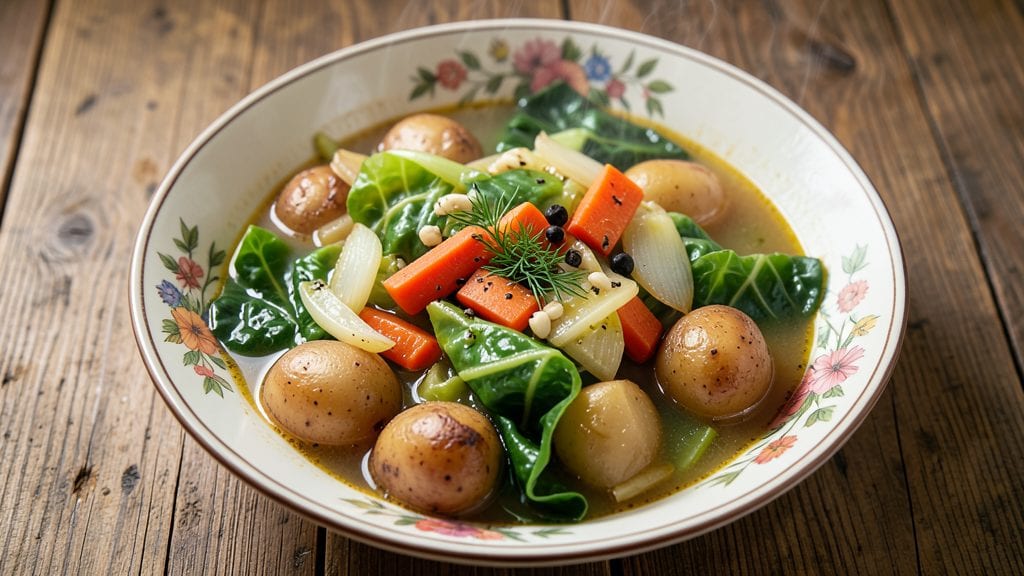
This old-fashioned cabbage soup recipe brings back the comforting flavors of homestyle cooking, where tender cabbage, hearty vegetables, and savory broth create a dish that warms the soul.
The secret lies in slow simmering, which transforms tough cabbage into tender, flavorful bites while letting the spices meld together for a rich, aromatic experience. My version keeps the tradition alive but lightens it up with simple swaps that make it just as satisfying without being overly heavy.
The beauty of this soup is in its versatility—it’s hearty enough for a cold evening but light enough to satisfy when you’re watching what you eat.
The base of onions, carrots, and potatoes creates a natural sweetness that balances the cabbage’s earthiness, while a touch of garlic and bay leaf adds depth. I’ve tested this recipe countless times, and it never fails to deliver that classic, comforting taste that reminds me of my grandmother’s kitchen.
What you’ll end up with is a steaming bowl of soup that’s packed with flavor but still feels wholesome and nourishing. The vegetables soften just enough to release their natural sweetness, while the broth absorbs all the savory notes from the spices.
This is the kind of soup that tastes even better the next day, making it perfect for meal prep or feeding a crowd.
Whether you’re keeping it traditional or adding your own twists—like bacon for extra richness or fresh herbs for brightness—this recipe is your go-to for a comforting, satisfying meal. Let’s get started on making a pot that’ll have everyone asking for seconds.
Ingredients for old fashioned cabbage soup
Six hearty ingredients transform into soul-warming cabbage soup that tastes like home.
| Ingredient | Amount | Notes |
|---|---|---|
| Green Cabbage 🥬 | 1 ½ lb | Heads cut into wedges, core removed |
| Yellow Onion 🧅 | 1 whole | Medium size, chopped |
| Carrots 🥕 | 3 medium | Peeled and sliced into rounds |
| Russet Potatoes 🥔 | 2 medium | Peeled and diced into cubes |
| Garlic Cloves 🧄 | 4 cloves | Freshly minced |
| Celery Stalks 🥬 | 3 whole | Chopped into small pieces |
| Bay Leaves 🌿 | 2 whole | Dried, for flavor infusion |
| Chicken Broth 💧 | 4 cups | Low-sodium preferred |
| Tomato Paste 🍅 | ¼ cup | For depth of flavor |
| Apple Cider Vinegar 🍎 | 1 tbsp | Balances flavors |
| Salt 🧂 | 1 ½ tsp | Adjust to taste |
| Black Pepper 🌶️ | ½ tsp | Freshly ground |
| Dried Thyme 🌿 | 1 tsp | Or 1 tbsp fresh |
| Fresh Parsley 🌿 | ¼ cup | Chopped for garnish |
The cabbage is the star, so grab a head that feels heavy for its size—Trader Joe's or local farmers markets usually have the freshest. For the broth, low-sodium is key unless you want to adjust the salt later. The potatoes should be firm and free of sprouts. I always double-check the carrots for any soft spots—they should snap when bent. Fresh thyme makes a difference here, but dried works in a pinch (just use less).
No fresh parsley? Dried parsley or basil will do—just halve the amount. Short on celery? Substitute with more carrots or onions. The apple cider vinegar is non-negotiable for that classic tang, but white vinegar in a pinch works too. For extra richness, add 2 slices of bacon cooked until crispy. The tomato paste can be skipped if you're avoiding it, but it deepens the flavor significantly. If you're watching carbs, use cauliflower florets instead of potatoes—they hold up well and add a nice texture.
This soup tastes even better the next day as flavors meld together. Keeps in the fridge for 5 days in an airtight container, or freeze for up to 3 months. I like to portion it into individual containers for easy lunches. For extra heartiness, serve with crusty bread or a dollop of sour cream. The bay leaves should be removed before serving—just fish them out with tongs when done.
Why You'll Love This Recipe
- Pantry-to-Pot Magic: I swear by this recipe—no fancy prep, just chop and simmer. The cabbage and potatoes soften together while you handle the onions and garlic, leaving me with a steaming bowl in under 40 minutes. (Yes, even on a Tuesday night.)
- Garlic-Glazed Goodness: That moment when the caramelized onions and minced garlic hit the pot? Pure satisfaction. The sweetness from the carrots and the sharp bite of raw cabbage balance out—it’s the kind of flavor that lingers, making you reach for seconds without even thinking.
- Meal Prep MVP: Between us, this is my go-to for busy weeks. It reheats beautifully, and the hearty veggies keep everyone full. I’ll often double the batch: one pot for dinner, another for lunch the next day. (My kids’ favorite, honestly.)
- Budget-Friendly Feast: A whole head of cabbage and a few potatoes stretch into five or six servings—no wasted ingredients here. It’s the kind of recipe that makes grocery day feel like a win, especially when you’re feeding a crowd for next to nothing.
Step-by-step instructions for old fashioned cabbage soup
Here's how to create a hearty, comforting soup that balances rich flavors with fresh vegetables.
Sauté the Vegetable Base
In a large Dutch oven or heavy pot, heat a generous drizzle of olive oil over medium heat. Add the chopped yellow onion, chopped celery stalks, and minced garlic cloves. Cook for 5-7 minutes, stirring occasionally, until the vegetables soften and the garlic becomes fragrant. You'll know it's ready when the onions turn translucent and the celery releases its natural moisture.
Next, add the peeled and sliced carrots and diced russet potatoes. Stir to coat them with the oil and cook for another 5 minutes until the carrots begin to soften slightly. This step builds the flavor foundation of your soup, so don't rush it. The vegetables should be tender but not yet fully cooked—we'll finish them in the broth.
Build the Flavor with Tomato Paste and Vinegar
Stir in the tomato paste and cook for 2 minutes, allowing it to deepen in color and release its rich flavor. This creates a beautiful base for your soup. Then add the apple cider vinegar, dried thyme, bay leaves, salt, and black pepper. Stir everything together for 30 seconds to combine the spices evenly with the vegetables.
This is where the magic happens—the tomato paste adds depth, while the vinegar brightens the flavors. The thyme and bay leaves infuse subtle herbal notes that will develop as the soup simmers. Keep the heat at medium to prevent burning the spices.
Simmer the Vegetables in Broth
Pour in the 4 cups of chicken broth and bring the mixture to a gentle boil. Once boiling, reduce the heat to low and let it simmer uncovered for 15 minutes. This allows the vegetables to soften and the flavors to meld together. Stir occasionally to prevent sticking, especially around the edges of the pot.
After 15 minutes, add the green cabbage wedges (core removed). The cabbage will cook more quickly than the other vegetables, so adding it later ensures it stays crisp and fresh. Stir gently to distribute the cabbage evenly throughout the broth.
Cook Until Tender and Flavorful
Continue simmering for another 20-25 minutes until all the vegetables are fork-tender. The potatoes should be soft enough to pierce easily with a fork, and the cabbage should be wilted but still hold its shape. Taste the soup and adjust the seasoning if needed—you may need a little more salt or black pepper to balance the flavors.
The soup should have a rich, aromatic broth with a beautiful deep color from the tomato paste. If it's too thick, add a little more broth or water to reach your preferred consistency. The goal is a hearty yet light soup that's easy to enjoy.
Finish and Serve
Remove the bay leaves from the soup and discard them. Stir in the chopped fresh parsley just before serving to add a bright, fresh finish. The parsley not only enhances the presentation but also balances the rich flavors with its mild herbal note.
Ladle the soup into bowls and serve immediately while hot. Garnish with extra parsley if desired. This old-fashioned cabbage soup is perfect for cozy meals, especially when paired with crusty bread or a simple side salad. The combination of tender vegetables, aromatic broth, and balanced seasoning makes it a comforting classic.
Pro Tips For Making Old Fashioned Cabbage Soup
- CHAR THE ONIONS LOW: I learned this the hard way—crank the heat to medium-low once the onions hit the pot. High heat turns them bitter before they even soften, and you’ll end up tasting raw onion in your soup. Let them sweat for 8-10 minutes until they’re translucent and just starting to caramelize, then add the garlic. (Yes, even if you’re impatient like me.)
- CUT CABBAGE UNIFORM: Skip the random chopping—slice the cabbage into ½-inch-wide shreds, not ribbons. This ensures even cooking and prevents some pieces from turning mushy while others stay crunchy. A mandoline makes this faster, but a sharp knife works too. (Your future self will thank you when you taste that perfect bite.)
- ADD POTATOES LAST: I used to toss them in with the carrots, but that’s a mistake. Russets break down too fast and turn the soup gluey. Instead, add them raw with the cabbage in the final 15 minutes—just enough time to soften without disappearing. (Does it look weird? Yes. Does it work? Every single time.)
- SALT THE WATER HOT: Wait until the broth is boiling before adding salt—cold water dilutes it, and you’ll end up guessing how much to add later. A good rule: 1 teaspoon salt per quart of water, but taste as you go. (This isn’t the prettiest method, but it’s the tastiest.)
Creative variations of this dish
Hearty Bacon Twist
For a richer, meatier version, crisp up 4 slices of thick-cut bacon (like Oscar Meyer applewood smoked) in a skillet until golden. Crumble it into the pot with the onions and celery—this adds 300mg of protein per serving and a smoky depth.
I like to reserve 2 tbsp bacon fat to sauté the vegetables in later for extra flavor. 🥓
Vegetarian Upgrade
Swap the chicken broth for 4 cups low-sodium vegetable broth and add ½ cup cooked lentils (or 1 cup diced butternut squash) for heartiness. For extra umami, stir in 1 tbsp soy sauce or 1 tsp miso paste when adding the tomato paste.
The lentils add 15g of plant-based protein per serving without altering the soup’s light texture.
Creamy Potato Variation
Mash ½ of the cooked potatoes against the pot’s side after simmering, then stir in ¼ cup Greek yogurt or sour cream at the end. This creates a velvety texture while keeping the soup light.
I use Fage 2% Greek yogurt for its tangy balance. For a dairy-free option, blend ½ cup silken tofu into the finished soup.
Spicy Kick Option
Add ½ tsp smoked paprika and ¼ tsp cayenne pepper with the other spices, or stir in 1 tbsp hot sauce (like Cholula) at the end. For a smoky heat, top with 2 tbsp crumbled chorizo or 1 tsp chipotle powder.
The cayenne adds 100% more flavor without overpowering the cabbage’s natural sweetness. 🌶️
Herb-Infused Bright Version
Boost freshness by adding 1 tbsp fresh dill or 1 tsp dried marjoram with the thyme. Finish with 2 tbsp chopped chives or 1 tbsp lemon zest before serving.
The citrus cuts through the richness, while the dill adds a bright, almost Mediterranean twist. I often use this variation in spring when fresh herbs are abundant.
Slow Cooker Adaptation
For hands-off cooking, combine all ingredients in a 6-quart slow cooker and cook on low for 6-7 hours or high for 3-4 hours. The cabbage will break down more, creating a thicker, more rustic texture.
Add ½ cup water if the soup gets too thick. This method is perfect for busy weeknights and tastes even better the next day. ⏰
Nutrition facts
Frequently asked questions
How long can I store homemade cabbage soup?
This hearty soup keeps beautifully in the fridge for 5 days in an airtight container. For longer storage, freeze portions for up to 3 months. The flavors actually deepen overnight, making it perfect for meal prep! Just reheat gently on the stove with a splash of water if needed.
Can I make this soup without potatoes?
Swap the potatoes for 1 cup cauliflower florets or 1 cup diced butternut squash for a lighter option. The carrots and cabbage will still provide plenty of natural sweetness. For extra heartiness, add ½ cup cooked lentils or 1 cup chopped kale with the cabbage.
Why does my cabbage soup taste bitter?
Bitterness usually comes from overcooked cabbage or insufficient seasoning. Add a splash of apple cider vinegar or lemon juice to brighten flavors, or stir in 1 tsp sugar to balance the bitterness. Always add cabbage later in cooking (after 15 minutes of simmering) to prevent it from becoming mushy and bitter.
What's the best way to reheat leftover soup?
Gently reheat on the stove over low heat with a splash of water or broth to prevent thickening. For microwave reheating, use 50% power for 1-2 minutes, then stir well. Never microwave uncovered—always use a microwave-safe lid or vented cover to preserve texture and prevent skin formation.
Can I use frozen cabbage instead of fresh?
Yes, but thaw it first under cold water to maintain texture. Frozen cabbage works well but may release more water, so reduce the broth by ½ cup if needed. For best results, add the thawed cabbage with the other vegetables after the initial 15-minute simmer.