
Soups & Stews
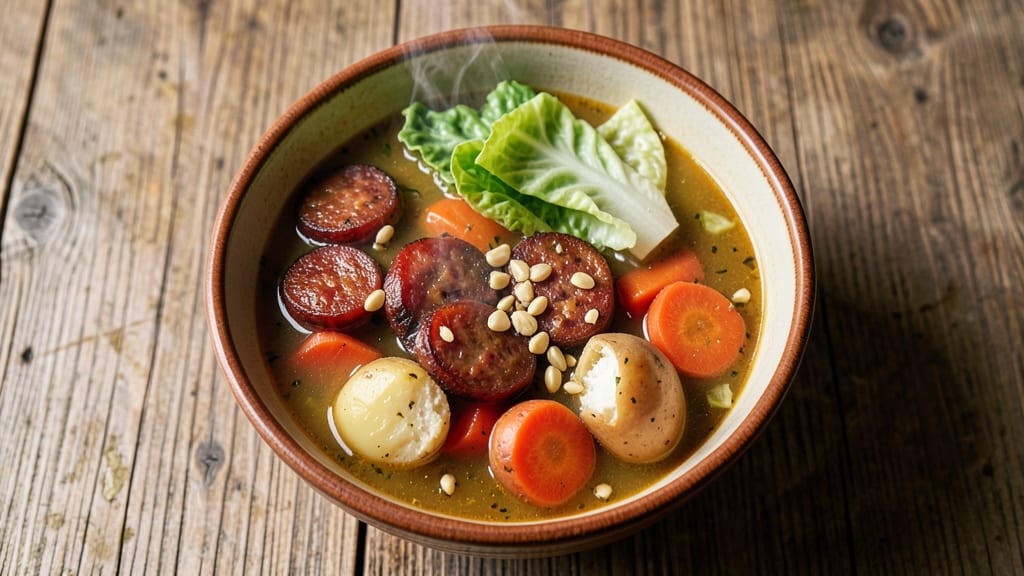
Olga's Kitchen peasant soup recipe brings the hearty, comforting flavors of Eastern European tradition to your modern kitchen table. This rustic vegetable and sausage simmer transforms simple ingredients into a deeply satisfying meal that warms both body and soul.
I've adapted the classic recipe to work with today's pantries while keeping the soulful essence intact.
The beauty of peasant soup lies in its simplicity and versatility. With just a handful of ingredients—sausage, potatoes, carrots, cabbage, and onions—you create a dish that's both nourishing and deeply flavorful.
The key is slow simmering, which allows all the flavors to meld together into a rich, aromatic broth that's perfect for cold evenings or busy weeknights.
What you'll achieve is a steaming bowl of soup with tender sausage, perfectly cooked vegetables, and a broth so flavorful it feels like a hug in every spoonful. The potatoes become creamy, the cabbage tender, and the carrots caramelize slightly, adding natural sweetness to balance the savory sausage and herbs.
This is the kind of soup that tastes even better the next day as the flavors continue to develop.
Serve it with crusty bread to soak up every last drop of that delicious broth, or pair it with a simple green salad for a complete meal. The recipe scales beautifully, making it perfect for feeding a family or preparing for leftovers.
Let's get started on creating this timeless comfort dish that brings a taste of tradition to your kitchen.
Ingredients for olga's kitchen peasant soup
Simple pantry staples that transform into a soul-warming bowl of tradition.
| Ingredient | Amount | Notes |
|---|---|---|
| Kielbasa Sausage 🌭 | 1 ½ lb | Smoked or fresh, sliced into rounds |
| Yellow Onions 🧅 | 2 whole | Medium size, chopped |
| Carrots 🥕 | 4 whole | Medium size, peeled and chopped |
| Russet Potatoes 🥔 | 2 lb | Peeled and cubed into 1-inch pieces |
| Green Cabbage 🥬 | ½ head | Cored and chopped into wedges |
| Garlic Cloves 🧄 | 4 cloves | Minced for depth of flavor |
| Fresh Thyme 🌿 | 1 tbsp | Leaves only, chopped (or 1 tsp dried) |
| Bay Leaves 🍃 | 2 whole | For aromatic depth |
| Chicken Broth 💧 | 6 cups | Low-sodium preferred, homemade or store-bought |
| Tomato Paste 🍅 | 2 tbsp | For subtle sweetness |
| Olive Oil 🫒 | 2 tbsp | For sautéing vegetables |
| Salt 🧂 | 1 ½ tsp | Adjust to taste, kosher preferred |
| Black Peppercorns 🌶️ | ½ tsp | Freshly ground for best flavor |
| Fresh Parsley 🌿 | ¼ cup | Chopped, for garnish (optional) |
The kielbasa is the star here—smoked sausage adds that classic Eastern European flavor, but fresh works too. Grab whatever’s on sale; Boar’s Head or Johnsonville are reliable brands. Carrots and potatoes should be firm, not wrinkly. The cabbage? Green is traditional, but red adds a nice pop of color. Fresh thyme and bay leaves make all the difference—don’t skip them. If you’re short on time, Trader Joe’s sells pre-chopped veggies that cut prep in half.
No smoked sausage? Italian sausage or even bacon works in a pinch. Swap fresh thyme for dried at one-third the amount. The tomato paste can be skipped if you’re avoiding it, but it adds a nice depth. For broth, homemade is best, but even the low-sodium canned stuff works if you add a pinch of salt. The potatoes take the longest to cook, so start with them first. And if you’re feeling fancy, add a splash of apple cider vinegar at the end for brightness.
This soup tastes even better the next day—3-4 days in the fridge, or 3 months frozen. I always double the batch and freeze half. To reheat, just add a splash of water or broth and simmer until hot. Serve with crusty bread or a sprinkle of fresh parsley for that restaurant touch. Leftovers? Perfect for lunches or a quick dinner—just warm and enjoy.
Why You'll Love This Recipe
- No Chopping Nightmare: I swear by this recipe because it only needs one onion chopped into quarters—no dice, no tears. The kielbasa slices itself right out of the package, and the carrots and potatoes stay whole like lazy dumplings. Honestly, I’ve made it after a 12-hour shift with zero prep.
- Smoky, Savory Magic: That kielbasa? It’s the star—snappy, garlicky, and just salty enough to make your whole kitchen smell like a Polish grandma’s table. The cabbage gets tender but still holds its bite, and the potatoes soak up all the smoky goodness like sponges. Between us, the first bowl disappears faster than I can say "more".
- Leftovers That Don’t Suck: I make this twice because it only gets better the next day. The flavors meld into this deep, hearty broth, and the kielbasa stays juicy. Pack it in jars for lunches or freeze it—no weird texture, just pure comfort. (Yes, even on a Tuesday night.)
- Budget Feast for Five: A single kielbasa and a head of cabbage stretch to feed my whole family—plus my neighbor who “just happened by.” Carrots and potatoes are dirt cheap, and the onions? You’ll use half a bag and still have enough for next week’s borscht. It’s the kind of meal that makes you feel like you’re feeding a village, not just your household.
Step-by-step instructions for olga's kitchen peasant soup recipe
Here's how to build this hearty, rustic soup with layers of flavor and satisfying texture.
Sauté the Kielbasa and Vegetables
Heat the 2 tablespoons olive oil in a large Dutch oven or heavy pot over medium-high heat. Add the 1.5 lb kielbasa sausage, sliced into rounds, and cook for 3-4 minutes until lightly browned on all sides. Remove the kielbasa with a slotted spoon and set it aside temporarily.
In the same pot, add the 2 whole yellow onions and 4 whole carrots, both chopped into even pieces. Cook for 5 minutes, stirring occasionally, until the onions become translucent and the carrots begin to soften slightly. Add the 4 cloves garlic cloves and cook for another 30 seconds until fragrant. This step builds the foundation for your soup's flavor—don't skip it.
Add Potatoes and Tomato Paste
Push the onions and carrots to one side of the pot and add the 2 lb russet potatoes, cubed into 1-inch pieces. Stir to coat the potatoes with the oil and carrot-onion mixture. Cook for 2-3 minutes until the potatoes begin to lightly brown in spots.
Reduce heat to medium and stir in the 2 tablespoons tomato paste, spreading it evenly over the potatoes. Cook for 1 minute to toast the tomato paste slightly—this deepens its flavor and prevents a raw taste in the finished soup. Here's where the magic starts happening—those caramelized bits at the bottom of the pot are pure flavor.
Build the Soup Base
Pour in the 6 cups chicken broth, scraping up any browned bits from the bottom of the pot. Add the 1.5 teaspoons salt, 0.5 teaspoon black peppercorns, 1 tablespoon fresh thyme, and 2 whole bay leaves. Bring the mixture to a gentle boil over high heat, then immediately reduce heat to medium-low to maintain a steady simmer. Return the kielbasa to the pot.
Add the 0.5 head green cabbage, chopped into wedges, and stir to combine. Let the soup simmer uncovered for 20 minutes, stirring occasionally. You'll notice the potatoes softening and the cabbage wilting slightly—this is when the flavors start melding together. The soup should smell rich and savory by now.
Finish and Rest
After 20 minutes, taste the soup and adjust seasoning if needed. The potatoes should be tender but not falling apart—if they're not quite there, let the soup simmer another 5-10 minutes until they reach your preferred texture. I like mine with a slight bite, but they should be fully cooked through.
Remove the 2 whole bay leaves and stir in the 0.25 cup fresh parsley, chopped. Let the soup sit off the heat for 5 minutes before serving. This resting period allows the flavors to settle and the soup to thicken slightly—don't skip this step. Ladle into bowls and enjoy this comforting, rustic meal that's perfect for any day.
Pro Tips For Making Olga'S Kitchen Peasant Soup
- CRISP THE KIELBASA FIRST: I learned this the hard way—skipping the sear means your soup will taste like a wet stew. Slice the kielbasa into ½-inch rounds, pat them dry, and hit a hot pan with a little oil until they’re golden on both sides (about 2 minutes per side). That crust keeps the flavor from bleeding into the broth like a sad, watery ghost.
- SHRED THE CABBAGE SMALL: Big chunks of cabbage turn into a mushy afterthought. Cut the green cabbage into quarters, remove the core, then slice it thin—like you’re trying to make it disappear. A sharp knife and a few quick strokes make all the difference, and you’ll end up with tender, bite-sized pieces that don’t turn to sludge.
- DON’T BOIL THE POTATOES: After burning three batches, I finally figured out: potatoes in soup aren’t supposed to look like boiled spuds. Add them last (after onions, carrots, and kielbasa have simmered 15 minutes) and let them cook just until fork-tender—about 10 minutes. Any longer, and they’ll fall apart into gluey nothingness.
- SALT THE BROTH LATE: My grandmother swore by this, and she was right: salting early dilutes the flavor as the broth reduces. Wait until the soup’s simmered 20 minutes before adding salt—then taste and adjust. The kielbasa’s smokiness and the cabbage’s bitterness need room to shine, not compete with a bland broth.
Essential equipment for this dish
Dutch Oven Essentials
A large Dutch oven is my go-to for this soup—it's heavy enough to distribute heat evenly and deep enough to handle all those veggies without boiling over. I swear by the Le Creuset Stoneware Dutch Oven (10-quart size) because it retains heat beautifully and has that classic rustic look.
If you're on a budget, the Lodge Cast Iron Dutch Oven works perfectly too—just preheat it properly to avoid temperature fluctuations. 🔥
Knife Skills Matter
Invest in a sharp chef's knife (I use the Mercer Culinary Genesis) and a cutting board—this soup requires chopping onions, carrots, cabbage, and potatoes efficiently.
A mandoline can speed up the potato and carrot prep if you're short on time, but take care with the cabbage; I prefer hand-chopping it into even wedges so it cooks uniformly. A peeler is also handy for the carrots and potatoes.
Broth and Seasoning Tools
For broth, I recommend low-sodium chicken broth—either homemade or Swanson Organic Low-Sodium if you're buying. A fine-mesh strainer helps if you're making your own broth. For seasoning, keep kosher salt (Morton's is my brand of choice) and freshly ground black pepper in small jars near your stove.
A small bowl for mincing garlic and herbs makes prep cleaner.
Lid and Timer
Your Dutch oven needs a tight-fitting lid—the one that comes with your pot works, but I love the OXO Good Grips for its sturdy handle. A kitchen timer is non-negotiable; this soup simmers for 20-30 minutes, and you don’t want to overcook those potatoes.
I also keep a wooden spoon handy for stirring—it won’t scratch your pot like metal utensils can. 🕒
Optional Upgrades
For extra flavor, a mortar and pestle lets you crush whole spices like caraway seeds or fennel seeds for a deeper aroma.
If you're feeling fancy, a ladle with a strainer insert makes serving easier—just scoop the soup and strain out any large cabbage pieces if you prefer a smoother texture. A small bowl for garnishes (like fresh parsley) keeps everything organized.
Nutrition facts
Frequently asked questions
Can I make this peasant soup without sausage?
Swap the kielbasa for chicken thighs, smoked turkey breast, or even mushrooms for a vegetarian version. The key is maintaining a hearty protein element—just adjust cooking times accordingly. For mushrooms, add them with the potatoes and simmer for 15 minutes to absorb flavors.
How do I make this soup thicker or thinner?
For a thicker consistency, simmer uncovered for 5-10 extra minutes to reduce the broth. Need it thinner? Add ½ cup hot broth or water at the end. Pro tip: A splash of apple cider vinegar (1 tsp) brightens the broth without thinning it significantly.
Can I prepare this soup ahead of time?
This soup tastes even better the next day! Store in an airtight container in the fridge for 3-4 days or freeze for 3 months. Reheat gently on the stove with a splash of broth to restore moisture. The flavors deepen overnight—perfect for meal prep!
What if my potatoes get mushy?
Start with 1-inch cubes and add them after the onions and carrots have softened slightly. Simmer for only 15-20 minutes total—overcooking turns them to mush. For extra structure, add a pinch of cornstarch mixed with water at the end.
Can I use frozen vegetables instead of fresh?
Yes, but thaw them first! Use frozen chopped cabbage and frozen diced potatoes/carrots—just add them with the broth and simmer 5 minutes longer. Frozen veggies work best in this hearty dish where texture isn't as critical as flavor.