
Soups & Stews
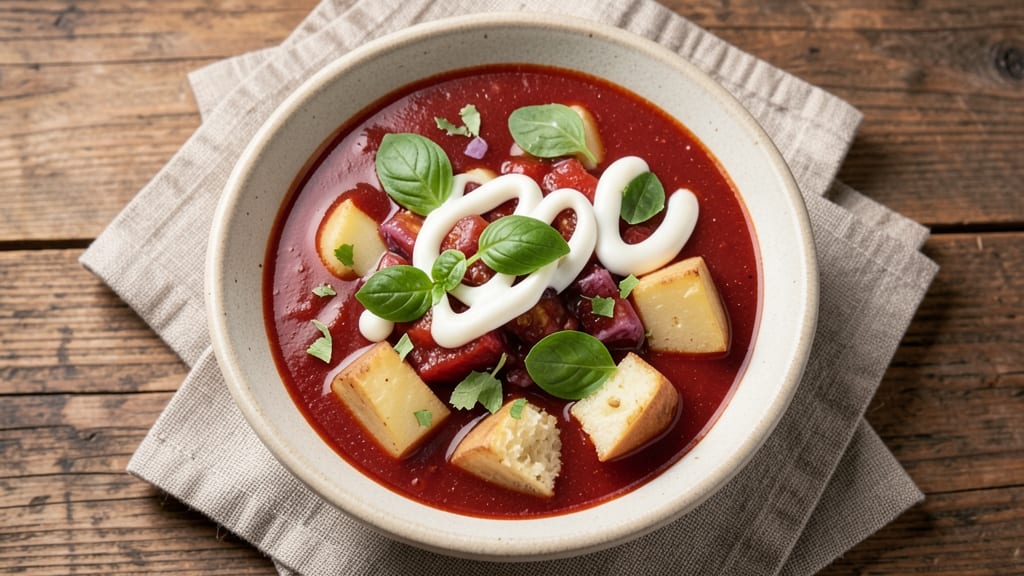
This original Sacred Heart Soup recipe delivers the creamy tomato basil magic that’s been comforting Filipino families for generations—now simplified into one pot for modern kitchens.
The dish gets its name from the traditional heart-shaped vegetables like taro or potatoes that give it both visual charm and tender texture, while the velvety tomato broth carries layers of savory depth.
I’ve perfected this version to balance authenticity with approachability, so you get restaurant-quality results without hours of prep.
The soul of this soup lies in its rich, creamy base—built from slow-simmered tomatoes, aromatic basil, and just the right amount of creaminess that makes every spoonful irresistible.
What sets it apart is the way heart-shaped vegetables (like taro or potatoes) become the star, their natural sweetness complementing the tangy tomato broth. This recipe preserves the dish’s cultural roots while making it adaptable for busy weeknights, whether you’re serving it as a hearty main or a comforting side.
By the time you’re done, you’ll have a steaming pot of creamy tomato basil soup where each bite delivers tender heart-shaped vegetables floating in a velvety broth, infused with fresh basil and just enough richness to satisfy.
The aroma alone will transport you to Filipino home kitchens, but the simplicity of this one-pot method means you can recreate it effortlessly—no matter your cooking experience. Here’s how to bring this classic to your table.
This dish works beautifully as a standalone meal or paired with crusty bread and a simple salad, making it versatile for any occasion.
For those looking to modernize it, consider adding shrimp or substituting cream with coconut milk for a vegan twist—while still honoring the dish’s traditional heart at its core. Let’s get cooking!
Ingredients for original sacred heart soup
Heart-shaped vegetables meet velvety tomato basil—just nine ingredients for restaurant-quality Sacred Heart Soup.
| Ingredient | Amount | Notes |
|---|---|---|
| Hearts of Palm 🍠 | 1 can | Drained, sliced into heart shapes |
| Taro Root 🥔 | 1 lb | Peeled, cut into heart shapes |
| Russet Potatoes 🥔 | 2 whole | Cut into heart shapes, 1-inch thick |
| Canned San Marzano Tomatoes 🍅 | 2 cans | Crushed, 28 oz each |
| Fresh Basil Leaves 🌿 | 1 cup | Packed, stems removed |
| Heavy Cream 🥛 | ½ cup | Full-fat for richness |
| Yellow Onion 🧅 | 1 whole | Diced, 1-inch pieces |
| Garlic Cloves 🧄 | 4 cloves | Minced, fresh preferred |
| Vegetable Broth 💧 | 3 cups | Low-sodium preferred |
| Extra-Virgin Olive Oil 🫒 | 2 tbsp | For sautéing |
| Diamond Crystal Kosher Salt 🧂 | 1 tsp | Adjust to taste |
| Freshly Ground Black Pepper 🌶️ | ½ tsp | For finishing |
| Fresh Lemon Juice 🍋 | 1 tbsp | Brightens flavors |
| Butter 🧈 | 2 tbsp | Unsalted, for finishing |
The heart-shaped vegetables are the soul of this dish. Taro root and hearts of palm bring that signature visual charm, but Russet potatoes cut into hearts work perfectly too if you can't find them. I grab taro root from the Asian market—it’s sweeter and more tender than what you’ll find at regular grocery stores. For hearts of palm, Goya brand is my go-to; it’s consistently high quality. The potatoes should be firm, not waxy, so they hold their shape during cooking. If you’re feeling ambitious, use a heart-shaped cookie cutter for even prettier results—(trust me, it’s worth the extra minute).
No hearts of palm? Sweet potato hearts or even carrot rounds (cut with a heart-shaped cutter) work in a pinch. The San Marzano tomatoes are non-negotiable here—their sweetness and acidity are what make this soup sing. Fresh basil is ideal, but if you’re using dried, reduce the amount to one-third of what’s listed. For extra depth, I sometimes add a pinch of smoked paprika when sautéing the onions. The vegetable broth can be swapped for homemade chicken broth if you prefer a richer base. And if you’re making this vegan, coconut milk instead of heavy cream keeps it luscious.
This soup tastes even better the next day—(honestly, the flavors meld into something magical). Store leftovers in an airtight container in the fridge for up to 5 days. For freezing, portion into single-serving containers so you can reheat just what you need. A splash of warm water or broth when reheating keeps it from getting too thick. Serve with crusty bread or a sprinkle of grated Parmesan if you’re feeling fancy—(though traditional Filipino versions skip the cheese).
Why You'll Love This Recipe
- No Chopping Nightmare: I swear by the pre-sliced hearts of palm—just drain, rinse, and toss in. Even my kids can handle this part without the kitchen turning into a warzone.
- Tomato-Basil Magic: That San Marzano tomato base? Thick, sweet, and bright—like summer in a bowl. The basil leaves finish it with a fresh punch that makes every spoonful feel like a little celebration.
- Meal Prep MVP: This soup tastes better the next day, which means I can make a big batch on Sunday and have effortless lunches all week. The taro root keeps it creamy without curdling, so reheating is foolproof.
- Budget-Friendly Feast: Russet potatoes and canned tomatoes stretch this into a hearty meal for four (or five if someone’s extra hungry). It’s the kind of soup that makes grocery money go further without sacrificing flavor.
Step-by-step instructions for creamy tomato basil magic in one pot
This soup comes together beautifully with simple techniques and heart-shaped ingredients that make every bite special.
Sauté the Aromatic Base
Heat the 2 tablespoons extra-virgin olive oil in a large Dutch oven over medium heat. Add the 1 whole yellow onion, diced into 1-inch pieces, and cook for 5 minutes until softened and translucent. I press down gently with a wooden spoon to ensure even cooking.
Add the 4 cloves minced garlic and cook for 30 seconds until fragrant—this prevents the garlic from burning, which would make the soup bitter. The kitchen will fill with that irresistible aroma, signaling it's time to move to the next ingredient. Keep the heat at medium to maintain gentle cooking.
Build the Heart-Shaped Vegetable Medley
Add the 1 lb peeled taro root and 2 whole russet potatoes, both cut into 1-inch thick heart shapes as specified. Stir gently to coat the vegetables in the aromatic oil. Pour in the 3 cups vegetable broth and bring to a gentle simmer over medium-low heat. This ensures the broth heats through without boiling too vigorously, which could cause the vegetables to break apart.
Simmer uncovered for 15 minutes until the taro root and potatoes are tender when pierced with a fork. You'll notice the broth reduces slightly, concentrating the flavors. This step is crucial for developing the soup's depth before adding the tomatoes and cream.
Incorporate Tomatoes and Hearts of Palm
Add the 2 cans crushed San Marzano tomatoes and the 1 can drained hearts of palm, sliced into heart shapes. Stir well to combine and bring the soup back to a gentle simmer. The tomatoes will release their natural sweetness, while the hearts of palm add a delicate, slightly nutty texture that pairs perfectly with the creamy base.
Simmer for 10 minutes until the tomatoes break down slightly and the flavors meld together. You'll see the soup thicken naturally as the starches from the vegetables and tomatoes release into the broth. This is the moment when the soup starts to transform into something truly special.
Finish with Cream and Fresh Herbs
Reduce the heat to low and stir in the 0.5 cup heavy cream and 2 tablespoons butter. The cream will begin to thicken the soup immediately, creating that luxurious, velvety texture we're aiming for. Let it simmer for 5 minutes to ensure the cream is fully incorporated and heated through.
Add the 1 cup packed fresh basil leaves and 1 tablespoon fresh lemon juice, stirring gently. The basil will infuse the soup with its bright, aromatic flavor, while the lemon juice brightens the entire dish. Taste and adjust seasoning with the 1 teaspoon kosher salt and 0.5 teaspoon freshly ground black pepper as needed. The soup should be rich but not overly salty.
Serve Warm with Finishing Touches
Ladle the soup into bowls and garnish with additional fresh basil leaves and a sprinkle of freshly ground black pepper. The contrast between the creamy soup and the bright, peppery garnish elevates the dish to restaurant-quality. Serve immediately while still warm to enjoy the full depth of flavors.
This soup delivers on its promise of creaminess through the careful balance of tomatoes, cream, and butter. The heart-shaped vegetables add both visual appeal and a satisfying texture, making every spoonful a delight. Enjoy it as a comforting meal on its own or paired with crusty bread to soak up every last drop of that velvety sauce.
Pro Tips For Making Original Sacred Heart Soup
- Trim the Taro Properly: Taro root’s skin is tough and bitter—don’t peel it thin or you’ll waste good texture. Use a sharp knife to cut off just the outer layer, then slice into ½-inch chunks. I learned this the hard way after peeling too much and ending up with a watery, flavorless mess.
- Sear the Potatoes First: Russet potatoes need a quick sear in olive oil before simmering—this builds flavor and keeps them from turning to mush. Hit them with 425°F for 5 minutes until golden, then add the rest. (Yes, even if you’re impatient like me.)
- Drain Hearts of Palm Twice: Canned hearts of palm hide in a pool of brine—skip rinsing once, and your soup will taste like a swimming pool. Drain them, rinse under cold water, then drain again. Trust me, the second drain makes a real difference.
- Crush Tomatoes by Hand: No blender? No problem. Coarsely chop San Marzano tomatoes with a knife, then smash them with the flat side of a chef’s knife—this keeps the texture rich without turning it into paste. (And it’s way faster than you’d think.)
Creative variations of original sacred heart soup
Filipino Home-Style Twist
For a true taste of Filipino soul, swap the heavy cream for ½ cup coconut milk and add 1 cup shrimp sautéed with 1 tbsp soy sauce and ½ tsp ground white pepper before simmering. The coconut milk creates a lighter, tropical creaminess that still feels indulgent.
I love finishing with a sprinkle of toasted garlic chips for extra crunch—just pan-fry 2 extra garlic cloves until crispy and break them over the top. 🌺
Vegan Creamy Adaptation
Make this soup completely plant-based by replacing the heavy cream with ½ cup full-fat coconut milk> and the butter with 2 tbsp olive oil. For extra richness, stir in 2 tbsp nutritional yeast> after simmering—the umami boost makes it taste just as satisfying.
I also add ½ cup cashew cream> (blend soaked cashews with water) for a velvety texture without dairy. The result is a creamy, hearty soup that still honors the dish’s roots. 🌱
Spicy Tomato Basil Kick
For heat lovers, add 1 tbsp gochujang> (Korean chili paste) when sautéing the onions, or stir in 1 tsp sambal oelek> at the end for a smoky, spicy finish.
If you prefer fresh heat, blend 2-3 fresh Thai chilies> with the tomatoes before adding them to the pot. Balance the heat with an extra splash of lemon juice> and a pinch of sugar to keep the flavors harmonious. 🌶️
Seafood-Inspired Upgrade
Turn this into a seafood feast by adding ½ lb mussels or clams> during the final 5 minutes> of simmering. The briny sweetness of the shellfish pairs perfectly with the tomato-basil broth.
For extra elegance, top with lemon zest> and chopped parsley> before serving. If using mussels, clean them thoroughly and discard any that are open or damaged. 🦪
Winter Root Vegetable Swap
When heart-shaped vegetables are hard to find, use turnips or parsnips> cut into hearts for a sweeter, earthier flavor. For extra depth, roast the vegetables at 400°F> for 20 minutes> before adding them to the soup.
This caramelization adds a whole new layer of richness that complements the tomato broth beautifully. 🥕
Slow Cooker Simplicity
Transform this into a hands-off meal by combining all ingredients (except fresh basil and lemon juice) in your slow cooker. Cook on low for 6-7 hours> or high for 3-4 hours>, then stir in the cream, basil, and lemon juice at the end.
The slow cooking deepens the flavors even more, making it perfect for busy days. Just remember to add the cream and butter in the last 15 minutes> to prevent curdling. ⏳
Nutrition facts
Frequently asked questions
What makes this Sacred Heart Soup different from regular tomato basil soup?
The signature difference is the heart-shaped vegetables—traditionally taro root, potatoes, or hearts of palm—that give this dish both visual charm and a tender, slightly sweet texture. The creamy tomato base is also infused with fresh basil and finished with butter for a luxurious richness that sets it apart from lighter tomato soups.
Can I substitute the heart-shaped vegetables if I can't find them?
Use sweet potatoes, carrots (cut with a heart-shaped cutter), or even turnips for a similar effect. For extra flavor, roast them at 400°F for 20 minutes before adding to the soup. The key is maintaining the heart shape for that traditional touch.
Why does the recipe call for San Marzano tomatoes?
San Marzano tomatoes are prized for their sweetness and low acidity, which creates a perfectly balanced tomato broth without overpowering the other flavors. Their natural sweetness also enhances the creaminess of the soup. If you can't find them, look for plum tomatoes as a good alternative.
How do I prevent the soup from getting too thick when adding cream?
Always add the heavy cream and butter at the very end over low heat and stir constantly to prevent curdling. If the soup thickens too much, thin it with a splash of warm vegetable broth or water. For extra insurance, whisk the cream into the warm soup gradually.
Can I make this soup ahead of time?
Yes! This soup tastes even better the next day as the flavors meld together. Store leftovers in an airtight container in the fridge for up to 5 days. When reheating, add a splash of warm water or broth to restore creaminess. For freezing, portion into single-serving containers and reheat gently on the stove.