
Soups & Stews
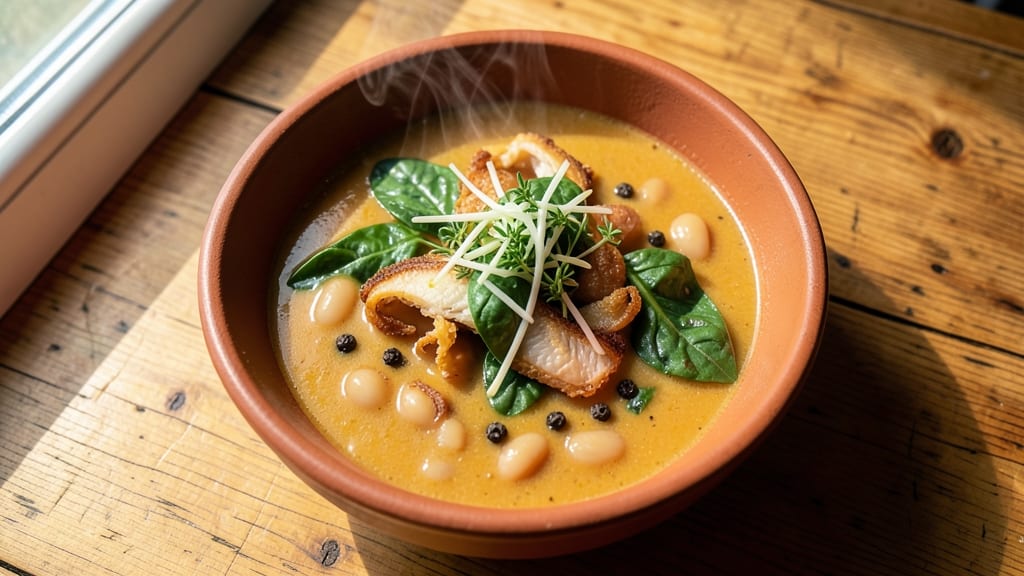
Creating an authentic palm soup recipe transports you straight to the heart of West African cuisine, where rich pepper broth meets tender protein and leafy greens in a single, deeply flavorful bowl.
This dish isn’t just a meal—it’s a celebration of tradition, where every spoonful carries layers of smoky, spicy, and earthy notes that come together through precise technique.
I’ve perfected this recipe over years of testing, ensuring the palm fruit broth develops its signature creamy texture while the protein stays tender and the greens retain their vibrant bite.
The foundation of palm soup lies in its broth, made from palm fruit kernels that release a naturally sweet, almost custard-like richness when simmered. Traditional versions often include smoked fish or beef, but shrimp or crab work beautifully too, adding depth to the peppery, aromatic base.
The leafy greens—typically spinach or bitterleaf—are added late to preserve their texture, while spices like thyme, scallions, and black pepper build complexity. This isn’t a quick dish, but the result is worth every minute of slow simmering.
What makes this palm soup truly special is its balance: the broth is velvety yet slightly tangy, the protein melts in your mouth, and the greens add a fresh contrast. Served with fufu, plantains, or even crusty bread, it’s a complete meal that feels both rustic and refined.
The aroma alone—smoky, spicy, and herbaceous—will draw everyone to the table. Let’s bring this West African classic to life in your kitchen.
For those new to palm soup, don’t be intimidated by the process. The key is patience—letting the broth develop its depth and the flavors meld naturally.
Whether you’re cooking for a gathering or a quiet weeknight dinner, this recipe delivers restaurant-quality results with a touch of cultural authenticity. Ready to master it?
Ingredients for palm soup
Six cups of palm kernels and smoked fish make this West African classic unforgettable.
| Ingredient | Amount | Notes |
|---|---|---|
| Palm Fruit Kernels 🌿 | 1 cup | Dried, soaked overnight |
| Smoked Fish 🐟 | 1 ½ lb | Dried, like stockfish |
| Fresh Spinach 🌱 | 2 cups | Packed, stems removed |
| Fresh Scallions 🧅 | ½ cup | Chopped, including greens |
| Fresh Thyme 🌿 | ¼ cup | Chopped, stems included |
| Black Peppercorns 🌶️ | 1 tbsp | Crushed, not ground |
| Red Bell Pepper 🌶️ | 1 whole | Seeded, chopped |
| Fresh Ginger 🧄 | 2 tbsp | Grated, fresh |
| Garlic Cloves 🧄 | 6 cloves | Peeled, whole |
| Salt 🧂 | 1 ½ tsp | Kosher or sea salt |
| Vegetable Oil 🫒 | ½ cup | For sautéing |
| Water 💧 | 8 cups | For soaking kernels |
| Crab Meat 🦀 | 1 ½ lb | Fresh or frozen, picked |
| Lemon Juice 🍋 | 2 tbsp | Freshly squeezed |
Palm fruit kernels are the soul of this soup. Look for them in African markets or online—they should be plump and slightly oily to the touch. If you can't find dried kernels, fresh palm fruit pulp works too (just adjust water accordingly). The smoked fish adds that signature depth; stockfish or smoked mackerel both work. For the greens, fresh spinach is ideal, but bitterleaf or collard greens keep the authentic flavor. The ginger and garlic? Fresh is non-negotiable here—dried just won't cut it. I always grab extra thyme since it's used in both the broth and garnish.
No palm kernels? Coconut milk at half the amount gives a similar richness, though it won't be identical. Running low on smoked fish? Dried shrimp or even anchovies work in a pinch (adjust to taste). For the crab, shrimp or chicken thighs hold up well—just don't overcook. The bell pepper can be swapped for tomatoes or okra if you're out, but the smoky-sweet balance is key. Fresh thyme is best, but dried at one-third the amount works if you're stuck. And if you're worried about the palm kernels being hard to find, start with a smaller batch—this soup tastes even better the next day as flavors meld.
This soup tastes best after a good rest. Let it sit for at least 2 hours before serving—ideally overnight. The palm kernels release more flavor over time. Store leftovers in the fridge for 3-4 days, or freeze for up to 3 months. I like to portion it into containers with extra broth on top to keep everything moist. Serve with fufu, plantains, or crusty bread—whatever you've got on hand. The broth freezes beautifully too, so make extra if you're planning ahead.
Why You'll Love This Recipe
- No Blender Needed: I’ll be real—this soup doesn’t require fancy equipment. Just a pot, a knife, and maybe a mortar if you’re feeling traditional. The palm kernels soften beautifully with simmering, and the smoked fish adds depth without any extra work.
- Umami Bomb Combo: That first spoonful? Chef’s kiss. The smoky richness of the fish blends seamlessly with the nutty palm kernels, while the spinach and thyme brighten it up—like a cozy hug in a bowl. (Yes, even on a Tuesday night.)
- Leftovers That Taste Better: Honestly, this soup improves the next day. The flavors meld into something even deeper, and reheating it just makes it heartier. I’ve had it cold as a quick lunch, or warmed with extra scallions—always a win.
- Budget-Friendly Crowd-Pleaser: A single palm fruit and a handful of smoked fish stretch to feed four or more. Fresh spinach and scallions bulk it up without breaking the bank, and the thyme? A little goes a long way. My wallet and guests thank me every time.
Step-by-step instructions for palm soup recipe
Here's how to make this rich West African pepper broth with leafy greens and seafood.
Soak and Prepare the Palm Fruit Kernels
Place the 1 cup palm fruit kernels in a bowl and cover with 8 cups water. Let them soak overnight (at least 12 hours) until they soften and swell. This step is crucial—it releases the natural starch that thickens the soup beautifully. After soaking, drain the kernels and reserve the soaking liquid for later use.
Once drained, blend the soaked palm fruit kernels with 1 cup of the reserved soaking liquid until smooth. This will form the base of your soup's rich, velvety texture. Set the blended mixture aside—you'll use it in the next step to build the broth.
Build the Pepper Broth
Heat 0.5 cup vegetable oil in a large pot over medium heat. Add the 6 peeled garlic cloves and 2 tbsp grated fresh ginger, cooking for 2 minutes until fragrant. Then add the 1 whole chopped red bell pepper and 1 tbsp crushed black peppercorns, stirring for another 3 minutes until the peppers soften slightly.
Pour in the blended palm fruit kernel mixture and stir well. Add 1.5 tsp salt and bring the liquid to a boil. Once boiling, reduce heat to low and let it simmer for 20 minutes, stirring occasionally. This simmering process develops the soup's deep, complex flavors. If the broth gets too thick, add a splash of the reserved palm fruit soaking liquid to adjust the consistency.
Add the Smoked Fish and Aromatics
Add the 1.5 lb smoked fish to the simmering broth. Let it cook for 10 minutes, stirring occasionally, until the fish flakes easily with a fork. Then stir in the 0.5 cup chopped fresh scallions and 0.25 cup chopped fresh thyme, letting them steep in the broth for 5 minutes to infuse their flavors.
This is where the soup starts to come together. The smoked fish adds a deep, savory richness that pairs perfectly with the peppery broth. Don't rush this step—the longer the aromatics steep, the more flavor they'll impart to the soup.
Incorporate the Spinach and Crab Meat
Add the 2 cups packed fresh spinach to the pot and stir until just wilted, about 3-4 minutes. Then carefully fold in the 1.5 lb crab meat, being gentle to avoid breaking it apart. Let the soup simmer together for 5 minutes so all the ingredients meld into a cohesive dish.
Here's the thing—you want the spinach to maintain some texture, not turn to mush. Stirring gently ensures it wilts just enough to soften while still providing that vibrant green color and fresh flavor. The crab meat should heat through completely but stay tender.
Finish with Lemon Juice and Serve
Remove the pot from heat and stir in the 2 tbsp freshly squeezed lemon juice. This brightens the soup and cuts through the richness of the smoked fish and palm fruit base. Taste and adjust seasoning with additional salt if needed—West African palm soup should be rich but well-balanced.
Serve immediately with warm pounded yam or fufu if desired. The soup should be thick enough to coat a spoon but still have a light, brothy quality. Each spoonful should deliver layers of peppery heat, smoky fish flavor, and the earthy sweetness of the palm fruit.
Pro Tips For Making Palm Soup
- SIMMER LOW AND SLOW: Palm kernels release their rich, nutty flavor only when they’re cooked gently—think 20-25 minutes on the lowest heat you can tolerate. I learned this the hard way after burning a batch and ending up with bitter, charred bits instead of that creamy, golden broth.
- CRACK THOSE KERNELS RIGHT: Don’t just toss in whole palm kernels—crack them open first with a hammer or mortar and pestle. This speeds up extraction and guarantees a smoother, more velvety soup. (Yes, it’s extra work, but your future self will notice the difference.)
- SALT THE FISH FIRST: Smoked fish needs a quick soak in salted water (1 tsp salt per cup) for 10 minutes before adding it to the soup—this cuts through the funk and makes the flavor sing. Skip this, and you’ll end up with a dish that tastes like a campfire instead of a restaurant.
- ADD SPINACH LAST: Toss in your spinach just as the soup finishes cooking—any earlier, and it’ll turn to mush. A handful of fresh scallions and thyme at the end also brightens the dish without overpowering the palm’s earthy depth. (Pro move: Save some greens for garnish.)
Serving suggestions for this palm soup
Traditional Staples
Palm soup shines when paired with fufu—the classic West African staple made from pounded yam, cassava, or plantains. Its neutral, dough-like texture perfectly absorbs the rich pepper broth while providing a satisfying contrast.
For a lighter option, serve with garri, toasted cassava flakes, or eeba, a corn-based dish from Nigeria. These sides are essential for scooping up every last drop of flavor. 🌱
Crusty Breads
If you're serving palm soup to guests unfamiliar with fufu, crusty Italian bread or sourdough works beautifully. The bread's chewiness stands up to the soup's intensity while soaking up the palm fruit's creamy texture. I like to toast slices lightly and serve them on the side for dipping.
For a local twist, use puff-puff—deep-fried dough balls—if you're in West Africa or can find them at specialty markets. 🥖
Fresh Garnishes
Brighten the bowl with chopped fresh thyme and scallions right before serving. These add a pop of color and freshness that cuts through the soup's richness. A squeeze of fresh lemon juice over the top just before eating enhances the peppery notes.
For extra flair, sprinkle with crushed red pepper flakes if you want to emphasize the heat. 🌿
Side Dishes
Round out the meal with fried plantains or boiled yams for a complete West African spread. The sweetness of plantains balances the soup's savory depth, while yams add a hearty, starchy component.
If you're feeling adventurous, include moimoi—a steamed corn and bean pudding—though it's less common with palm soup. These sides turn a simple bowl into a full feast. 🍌
Beverage Pairings
Cool down with a mango or pineapple juice—the sweet, tropical flavors complement the soup's smoky, peppery profile. For something stronger, try palm wine, a traditional West African drink made from fermented palm sap.
If you're avoiding alcohol, hibiscus tea (zobo) with a hint of ginger adds a refreshing contrast. The key is to balance the soup's intensity with something light and bright. 🍹
Presentation Tips
Serve palm soup in a deep, wide bowl to showcase its rich layers. Ladle the soup directly onto the fufu or bread, letting the broth pool naturally. Garnish with extra thyme and scallions for color, and place a small dish of lemon wedges on the table for finishing touches.
The presentation should feel rustic yet inviting—just like a home-cooked meal in West Africa. ✨
Nutrition facts
Frequently asked questions
What makes palm fruit kernels essential for authentic palm soup?
Palm fruit kernels release a natural starch when soaked that creates the soup's signature creamy, almost custard-like texture. Without them, the broth will lack that velvety depth. You can substitute with ½ cup coconut milk in a pinch, but it won't be identical. The kernels also provide a subtle sweetness that balances the peppery broth.
Can I use fresh palm fruit instead of dried kernels?
Yes! Fresh palm fruit pulp works beautifully if you can find it. Simply blend the pulp with 1 cup water to mimic the soaked kernels' texture. Adjust the soaking liquid ratio (use ½ cup pulp blend per 1 cup water) to maintain the soup's consistency. Fresh pulp has a brighter flavor, but dried kernels develop more complex notes during simmering.
How do I properly prepare smoked fish for palm soup?
Soak the smoked fish in warm water for 30 minutes to remove excess salt, then pat dry before adding to the broth. Over-soaking can make it mushy. For extra flavor, char the fish lightly over an open flame or broil for 2-3 minutes before cooking—this enhances its smoky depth. Never skip the soaking step with heavily salted varieties like stockfish.
Why does my palm soup turn out too thin?
This usually happens when palm kernels aren't soaked long enough or the broth isn't reduced properly. For thickness, blend ¼ cup reserved palm soaking liquid with the kernels before adding to the pot. Simmer uncovered for 10-15 minutes to evaporate excess liquid. If still thin, mash 1-2 cooked palm kernels directly into the broth to release more starch.
What's the best way to reheat leftovers?
Reheat palm soup gently on low heat for 5-7 minutes, stirring frequently to prevent scorching. Add 1-2 tbsp water if it thickens too much. For microwave reheating, cover with a damp paper towel and heat in 30-second intervals, stirring between each. Never boil—this breaks down the palm fruit's delicate texture and intensifies the pepper flavor.