
Soups & Stews
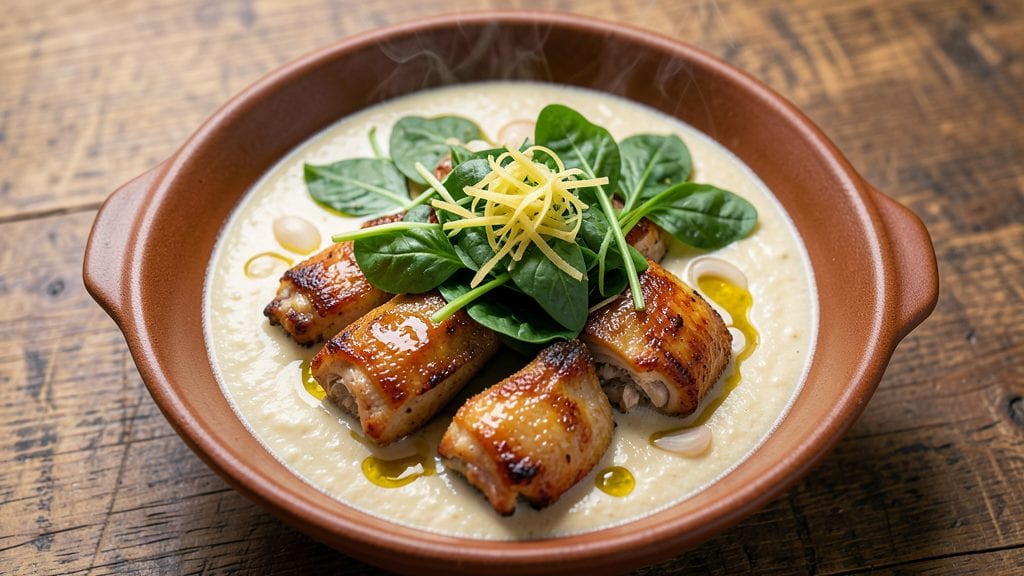
This palmnut soup recipe transports you straight to West Africa with its deep, earthy flavors and velvety texture—where every spoonful tells a story of tradition and warmth. 🌟 The secret lies in the palmnut paste, which transforms simple ingredients into a rich, aromatic broth that's both comforting and complex.
I've perfected this version to balance authenticity with modern kitchen convenience, using accessible ingredients while staying true to its roots.
The process begins with slow-cooking palmnut paste with aromatic spices until it develops that signature depth, then building layers of flavor with tender meat or fish and leafy greens.
What makes this recipe special is how it adapts—whether you serve it with fufu, rice, or plantains, the soup's versatility makes it perfect for family gatherings or weeknight dinners. The key is patience; letting the flavors meld over time creates that restaurant-quality richness at home.
By the time you're done, you'll have a steaming bowl of palmnut soup with a glossy, inviting surface and a broth so flavorful it'll have everyone asking for seconds. The aroma alone—smoky, nutty, and slightly sweet—will fill your kitchen with the essence of West African cuisine.
This is the kind of dish that turns an ordinary meal into a cultural experience, proving that tradition and simplicity can go hand in hand.
Ready to bring this classic to your table? The instructions are designed to guide you through every step—from preparing the palmnut paste to plating the final dish—so you can achieve professional results without the complexity. Let's get started on creating something truly special.
Ingredients for palmnut soup
Sixteen ingredients that bring West African warmth to your kitchen—simple yet deeply flavorful.
| Ingredient | Amount | Notes |
|---|---|---|
| Palmnut Paste 🌰 | ½ cup | Store-bought or homemade |
| Chicken Thighs 🍗 | 2 lb | Bone-in, skin-on preferred |
| Fresh Leafy Greens 🌿 | 4 cups | Spinach, collards, or kale |
| Onions 🧅 | 2 whole | Yellow or red, chopped |
| Garlic Cloves 🧄 | 6 cloves | Minced or finely chopped |
| Fresh Ginger 🌿 | 1 tbsp | Grated, about 1-inch piece |
| Red Palm Oil 🫒 | ¼ cup | Or substitute vegetable oil |
| Dried Shrimp 🦐 | ½ cup | Optional but traditional |
| Dried Fish 🐟 | ¼ cup | Optional, for extra umami |
| Ground White Pepper 🌶️ | 1 tsp | Freshly ground preferred |
| Salt 🧂 | 1 ½ tsp | Adjust to taste |
| Water 💧 | 6 cups | For slow simmering |
| Palm Oil 🫒 | 2 tbsp | For garnish and richness |
| Scotch Bonnet Peppers 🌶️ | 1 piece | Seeds removed for less heat |
Palmnut paste is the heart of this soup—look for it in African specialty stores or online (try African Foods Direct or Amazon for quality). If you can't find it, substitute peanut butter at half the amount, but it won't be the same. The chicken thighs? Bone-in, skin-on gives the best flavor and texture—don't skip it if you can find it. Fresh leafy greens like spinach or collards work best, but kale or even frozen spinach (thawed) will do in a pinch. For the dried shrimp and fish, check the Asian or African sections of your grocery store—they’re often sold in small bags. If you can't find them, just skip them; the soup will still be delicious.
No palmnut paste? Peanut butter works in a bind, but it’ll taste different—more peanut-forward. Fresh ginger is ideal, but ground ginger at half the amount will work. For heat, Scotch bonnet peppers are traditional, but jalapeños or habaneros work too. The palm oil adds richness—substitute vegetable oil if you can’t find it, but the color and flavor won’t be the same. If you’re using dried shrimp or fish, rinse them well to remove excess salt. The soup’s depth comes from slow cooking, so don’t rush it—30-45 minutes of simmering lets the flavors meld perfectly.
This soup tastes even better the next day—leftovers keep for 4-5 days in the fridge. For storage, let it cool completely before transferring to airtight containers. Freezes beautifully for up to 3 months, though the texture might change slightly. To reheat, simmer gently on the stove—microwaving can make the greens soggy. Serve with rice, fufu, or plantains for the full experience. If you make a big batch, portion it into containers so you can grab and go for lunches all week.
Why You'll Love This Recipe
- One-Pot Wonder: I swear by this recipe—just dump everything in one pot, stir, and walk away. The chicken thighs practically fall off the bone while the palmnut paste thickens into that rich, velvety base with zero fuss. Honestly, my lazy Sundays thank me every time.
- Umami Bomb: That palmnut paste? It’s the star—earthy, nutty, and deeper than any bouillon cube. Pair it with crispy garlic cloves and onions caramelizing at the bottom, and suddenly you’ve got a flavor explosion that’s ridiculously satisfying. (Yes, even on a Tuesday night.)
- Leftovers That Shine: This soup tastes better the next day, no joke. The flavors meld into this cozy, hearty stew that’s perfect for packed lunches or reheating when you’re too tired to cook. I’ve fed a crowd with it, and no one ever complains—just seconds, please.
- Budget Meal Hero: Chicken thighs and leafy greens stretch this recipe into a full meal without breaking the bank. Palmnut paste adds luxury for pennies, and you can swap in whatever veggies you have. My wallet and my family both approve—solid win.
Step-by-step instructions for palmnut soup
This rich West African soup comes together with layers of flavor—let's build it step by step.
🍳 Step 1: Sauté Aromatics in Red Palm Oil
Heat the 0.25 cup red palm oil in a large pot over medium heat until it shimmers and smells nutty—about 2-3 minutes. Add the 2 chopped whole onions and cook for 5 minutes until soft and translucent, stirring occasionally to prevent burning.
Next, add the 6 minced garlic cloves and 1 tbsp grated fresh ginger. Cook for another 1 minute until fragrant—this is where the foundation flavors develop. I like to press the garlic and ginger into the onions with a wooden spoon to release their oils fully. The mixture should smell vibrant and slightly spicy.
🍳 Step 2: Build the Soup Base with Chicken and Seafood
Add the 2 lb chicken thighs (bone-in, skin-on) to the pot and sear for 5-6 minutes on each side until golden brown. This step develops deep flavor through the Maillard reaction. Remove the chicken and set aside temporarily.
In the same pot, add the 0.5 cup dried shrimp and 0.25 cup dried fish. Toast them for 1 minute to remove any fishy odors. Pour in the 6 cups water and bring to a boil. Once boiling, return the chicken to the pot and reduce heat to low. Simmer uncovered for 30 minutes until the chicken is tender and the broth has reduced slightly.
👨🍳 Step 3: Incorporate Palmnut Paste and Seasonings
Carefully whisk in the 0.5 cup palmnut paste using a wooden spoon or immersion blender. Start with 1 cup of the hot broth to help it dissolve smoothly—this prevents lumps. The soup will thicken noticeably as the paste blends in. Stir in the 1.5 tsp salt and 1 tsp ground white pepper.
Add the 1 piece scotch bonnet peppers (seeds removed) and cook for another 5 minutes. The heat will infuse through the soup, but you can adjust the spice level by removing the pepper earlier if needed. Taste and adjust seasoning—this is where the soup's depth of flavor comes together.
🥘 Step 4: Finish with Leafy Greens and Palm Oil Garnish
Stir in the 4 cups fresh leafy greens and cook for 3-5 minutes until just wilted—don't overcook or they'll turn bitter. The greens should brighten the soup's earthy richness. Remove the chicken from the pot and shred the meat using two forks, returning it to the soup.
For the final touch, drizzle with 2 tbsp palm oil and serve immediately. The oil adds a luxurious finish that enhances all the flavors. Ladle into bowls and enjoy this comforting soup while it's hot—each spoonful delivers layers of umami, spice, and creamy palmnut richness.
Pro Tips For Making Palmnut Soup
- Bloom the Paste: Stir your palmnut paste into cold water first—just a splash—and let it sit for 5 minutes before adding heat. I learned this the hard way after watching clumps form in my pot like stubborn glue; this step breaks it down smoother than a blender ever could.
- Brown the Chicken: Skip the slow simmer start—sear those chicken thighs in batches over medium-high heat until the fat renders and the skin turns golden. That crispy crust keeps the meat juicy and adds depth the soup desperately needs (yes, even if you’re impatient like me).
- Salt the Greens Last: Toss your leafy greens into the soup after the chicken’s cooked, but before serving—otherwise, they’ll wilt into a sad, mushy pile. A pinch of salt right when they hit the pot makes them crisp up just enough to matter.
- Toast the Garlic: Mince those garlic cloves fine and fry them in the chicken fat until they’re golden, not just fragrant. Burnt garlic ruins the whole dish, but properly toasted garlic? That’s where the soul of this soup lives—don’t rush it.
Serving suggestions for palmnut soup
Traditional Pairings
Palmnut soup shines when served with its classic West African staples. I always pair it with fufu—a smooth, dough-like side made from cassava or yams—because its neutral texture contrasts beautifully with the soup's bold flavors.
For a quicker option, garri (fermented cassava flakes) or semovita (millet porridge) works perfectly. These sides help balance the soup's richness and soak up every last drop. 🌱
Modern Adaptations
If you're serving palmnut soup to guests unfamiliar with traditional sides, I recommend steamed white rice or jollof rice—both complement the soup's depth while being widely accessible. For extra heartiness, add fried plantains or yams—their natural sweetness contrasts the soup's savory notes.
Even crusty bread or cornbread works in a pinch for a familiar touch.
Garnish Like a Pro
Elevate your serving with simple but impactful garnishes. A drizzle of palm oil right before serving adds a luxurious sheen and enhances the nutty flavor. I also sprinkle chopped fresh parsley or cilantro for brightness, and a few toasted palmnut pieces (if available) for crunch.
These finishing touches make the dish feel restaurant-worthy while keeping it authentic.
Presentation Tips
Use deep, rustic bowls to showcase the soup's rich texture and vibrant colors. I like to serve it in clay or ceramic dishes—they retain heat and add to the cultural experience.
For extra flair, arrange a small pile of fufu or rice in the center of the bowl with the soup surrounding it. This presentation not only looks stunning but also makes it easy to scoop and enjoy.
Spice Level Control
Adjust the heat to suit your guests by serving Scotch bonnet peppers on the side. I like to include a small bowl of sliced peppers with seeds removed for milder heat, or whole peppers for those who love spice.
This way, everyone can customize their bowl. For a non-spicy version, simply omit the pepper entirely—it’s not essential to the dish’s flavor.
Leftovers Made Right
Palmnut soup tastes even better the next day, so plan to make extra! Store leftovers in airtight containers and reheat gently on the stove—microwaving can make the greens mushy. Serve reheated portions with extra palm oil and a sprinkle of black pepper to revive the flavors.
It’s perfect for meal prep—just reheat and pair with rice or plantains for a quick, satisfying lunch. ✨
Nutrition facts
Frequently asked questions
What makes palmnut soup different from other West African soups?
Palmnut soup stands out for its rich, creamy texture from palmnut paste, which gives it a unique nutty depth unlike soups like egusi or okra. The combination of palm oil, dried seafood, and leafy greens creates a complex flavor profile that's both hearty and aromatic. It's often served with fufu or garri, making it a staple at celebrations.
Can I substitute palmnut paste with something else?
Yes, but with limitations. Peanut butter works in a pinch (use half the amount), though it'll taste more peanut-forward. For a closer match, try blending roasted peanuts into a paste. The key is achieving that creamy, earthy base—just know the flavor won't be identical. Traditionalists insist on authentic palmnut paste for the true experience.
How do I know when the palmnut soup is fully cooked?
The soup is ready when the chicken is tender (no pink inside) and the broth has reduced slightly, coating the back of a spoon. The leafy greens should be just wilted—not mushy. Taste the broth for seasoning balance—it should be rich, slightly spicy, and well-seasoned. The total cooking time is about 1 hour from start to finish.
What's the best way to store and reheat palmnut soup?
Store in airtight containers in the fridge for 4-5 days or freeze for 3 months. To reheat, simmer gently on the stove—never microwave directly to avoid soggy greens. Add a splash of water if it thickens too much. The flavors actually improve overnight, making it perfect for meal prep!
Can I make palmnut soup without meat?
Replace the chicken with 2 lb firm tofu or 1 lb smoked fish (like cod or mackerel) for a vegetarian/vegan version. The soup's richness comes from the palmnut paste and seafood, so the flavor remains satisfying. Just adjust cooking times—fish cooks faster than chicken. Dried shrimp adds umami without meat.