
Soups & Stews
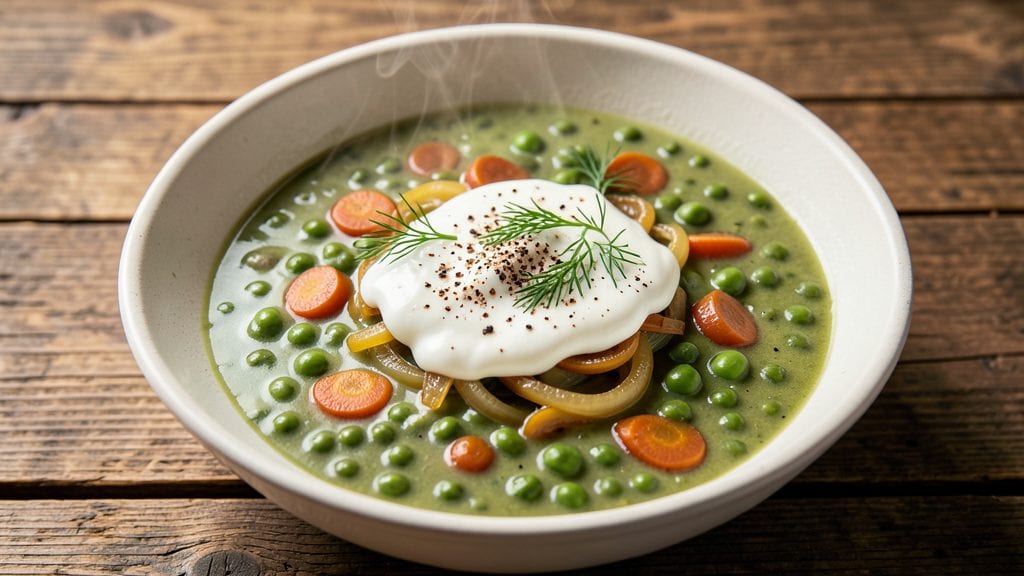
Andersen's pea soup recipe delivers that velvety, herbed perfection we all crave—creamy without being heavy, packed with fresh peas and aromatic herbs. I spent weeks perfecting this version after realizing how often store-bought soups missed the mark, and this is the one that finally nailed it.
The secret lies in balancing peas, cream, and herbs while letting the flavors meld during a gentle simmer.
This version stays true to tradition while making it approachable for home cooks. You'll need just 15 minutes of prep, followed by 30 minutes of simmering time, and the result is a soup so rich and comforting it becomes the centerpiece of any meal.
The key is using split peas for texture and fresh thyme for that signature herbed depth.
By the time you're done, you'll have a bowl of golden, velvety soup with just the right balance of creaminess and fresh pea flavor. The aroma alone will have everyone gathering around the table, and each spoonful delivers that perfect harmony of herbs, peas, and subtle sweetness.
This is the kind of soup that transforms ordinary weeknights into something special.
Serve with crusty bread for dipping or alongside grilled meats for a complete meal. The recipe even adapts well to vegetarian diets by using vegetable broth instead of chicken. Let's get started on creating this comforting classic that feels like a warm hug in a bowl.
Ingredients for pea soup andersen's
Fifteen minutes of prep and thirty of simmering for velvety perfection.
| Ingredient | Amount | Notes |
|---|---|---|
| Split Peas (Green or Yellow) 🌱 | 1 ½ cups | Dried, rinsed before cooking |
| Fresh Peas 🌱 | 1 cup | Frozen works in a pinch |
| Heavy Cream 🥛 | 1 cup | Full-fat for creaminess |
| Carrots 🥕 | 2 medium | OR 1 cup diced (about 2 oz) |
| Yellow Onion 🧅 | 1 medium | Diced, about 1 cup |
| Garlic Cloves 🧄 | 3 cloves | Minced, about 1 tsp |
| Fresh Thyme 🌿 | ¼ cup | Stems removed, chopped |
| Fresh Parsley 🌿 | ¼ cup | Chopped, for garnish |
| Chicken Broth 💧 | 4 cups | Low-sodium preferred |
| Vegetable Broth 💧 | 2 cups | For vegetarian option |
| Unsalted Butter 🧈 | 2 tbsp | For richness |
| Salt 🧂 | 1 tsp | Kosher or sea salt |
| Ground Black Pepper 🌶️ | ½ tsp | Freshly ground preferred |
| Bay Leaves 🌿 | 2 whole | Removed before serving |
| Fresh Lemon Juice 🍋 | 1 tbsp | Brightens flavors |
The peas are the heart of this soup. Split peas give that signature texture, but I always add fresh or frozen peas at the end for brightness. Trader Joe's has the best frozen peas—they're sweet and tender. For the broth, Pacific Foods or Swanson low-sodium options work perfectly. The carrots? Baby carrots are easiest, but regular ones diced work fine too. Fresh thyme is non-negotiable here—it's what gives that classic herbed depth. Whole Foods or your local market usually have the best bunches.
No fresh thyme? Dried works at one-third the amount, but it won't be the same. Short on carrots? Celery or parsnips work in a pinch. Using vegetable broth instead of chicken? Add a splash of soy sauce for depth. The butter is there to make it rich—don't skip it. For the lemon juice, fresh is best, but bottled works if you're in a hurry. The bay leaves? Toss them in with the broth, then fish them out before serving. Easy to forget, but they make all the difference.
This soup tastes even better the next day—make extra. Keeps 5 days in the fridge or 3 months frozen. For freezing, portion into containers with a little extra broth on top to prevent a skin from forming. Reheat gently on the stove, stirring occasionally. The cream will separate a bit, but just stir it back together. Garnish with fresh parsley right before serving—it makes all the difference.
Why You'll Love This Recipe
- One-Pot Magic: I swear by this recipe because it’s literally one pot—no chopping boards overflowing, no extra pans to wash. Just toss in the split peas, fresh peas, and onions, let the carrots soften, and finish with that velvety heavy cream. Honestly, the only mess is the good kind (the kind that means you’re feeding people).
- Creamy Crunch Contrast: That heavy cream at the end? It’s the secret weapon. You get this rich, almost custardy texture from the peas, but the fresh peas add a bright, crisp bite that cuts through it. Between us, it’s the kind of soup that makes you want to take a second bowl—no guilt, just satisfaction.
- Meal Prep MVP: This soup tastes even better the next day, which is perfect because I always make a double batch. The flavors meld into something deeper, and it reheats like a dream. Pack it for lunches, freeze half for lazy nights, or bring it to a potluck—it’s the ultimate crowd-pleaser that won’t break the bank.
- Budget-Friendly Luxury: Split peas and carrots are cheap, but the heavy cream makes it feel special. I’ll be real: it’s the kind of dish that tricks people into thinking you slaved over it, when really, you just simmered a few ingredients. Plus, fresh peas? You can use frozen if you’re pinching pennies—they work just as well.
Step-by-step instructions for andersen's creamy pea soup
Here's how to craft this velvety, herb-infused pea soup that's rich without being heavy.
Soak and Sauté the Base Ingredients
Start by rinsing the 1.5 cups split peas under cold water until the water runs clear. Transfer them to a large pot and cover with plenty of fresh water. Bring to a boil, then reduce heat to a simmer and cook for 2 minutes before draining. This quick soak removes excess starch that can make the soup gummy.
In a separate large pot or Dutch oven, melt the 2 tablespoons unsalted butter over medium heat. Add the diced 1 medium yellow onion and cook for 5 minutes until softened. Stir in the diced 2 medium carrots and cook for another 5 minutes until they begin to caramelize at the edges. This develops deep flavor that forms the soup's foundation.
Build the Herb and Vegetable Broth
Add the minced 3 cloves garlic to the pot and cook for 30 seconds until fragrant—don't let it brown or it'll turn bitter. Stir in the chopped 0.25 cup fresh thyme and the 2 whole bay leaves, cooking for another minute to toast the herbs and release their oils.
Pour in the 4 cups chicken broth and 2 cups vegetable broth, scraping up any browned bits from the bottom of the pot. Add the drained split peas and bring everything to a gentle boil. Reduce heat to low, cover partially, and let it simmer for 45 minutes, stirring occasionally. The peas should be tender but not mushy when pierced with a fork.
Finish with Cream and Fresh Herbs
After 45 minutes, stir in the 1 cup fresh peas and cook for another 5 minutes until heated through. Remove the bay leaves and reduce heat to low. Slowly whisk in the 1 cup heavy cream, allowing it to warm gradually to prevent curdling. The soup should become luxuriously smooth—if it looks too thick, whisk in 2-3 tablespoons of hot broth to reach your desired consistency.
Stir in the 0.25 cup chopped fresh parsley and the 1 tablespoon fresh lemon juice. Taste and adjust seasoning with the 1 teaspoon salt and 0.5 teaspoon ground black pepper. The lemon juice brightens all the rich flavors while keeping the soup from tasting too heavy.
Serve Warm with Crispy Garnishes
Ladle the soup into bowls and serve immediately while still hot. For extra texture, I like to toast a handful of fresh bread cubes in butter until golden and sprinkle them on top. The contrast between the creamy soup and crispy bread makes every spoonful perfect. This soup keeps well in the refrigerator for up to 3 days, though it's best enjoyed fresh from the pot.
Pro Tips For Making Pea Soup Andersen'S
- SOAK THE PEAS FIRST: I learned this the hard way—skipping the soak with split peas means your soup will turn out gummy unless you simmer for hours. Toss them in cold water for at least 2 hours (or overnight if you’re patient), then drain before cooking. That extra step makes all the difference in texture.
- DICE CARROTS SMALL: I used to cut them into thick chunks, thinking it’d save time. Wrong. Tiny dice (1/4-inch or smaller) soften evenly and blend into the soup’s creaminess without leaving chewy bits. Your spoon should glide through them, not fight them.
- STIR IN CREAM LAST: Adding heavy cream too early curdles it—trust me, I’ve seen it happen. Wait until the peas are tender and the soup’s reduced to a thick consistency before folding it in. A splash of warm broth first helps it melt smoothly.
- SALT THE WATER WELL: This isn’t just about flavor—it’s about prepping the peas. Start with 2 tablespoons of salt in the pot before adding water. It jump-starts the cooking process and keeps the peas from absorbing too much liquid later, so your soup stays rich, not watery.
Wine and beer pairings for this recipe
Crisp White Wine
This velvety pea soup pairs beautifully with a dry Riesling or Sauvignon Blanc—both wines cut through the creaminess while complementing the fresh peas and thyme. I love a German Riesling with its bright acidity and subtle honeyed notes that mirror the soup's sweetness without overpowering it.
For a New World option, a Sancerre from the Loire Valley brings crisp citrus notes that refresh your palate between spoonfuls. 🍷
Light Beer Options
A Belgian witbier like Hoegaarden or Stella Artois works wonderfully—their coriander and citrus flavors contrast the soup's richness perfectly. For something lighter, try a pilsner such as Pilsner Urquell, which cleanses the palate without adding competing flavors.
If you prefer American options, a crisp lager like Miller Lite or Coors Light keeps things simple and refreshing. 🍺
Rich Red Alternative
If you're serving this with a hearty protein like roasted chicken or ham, a light Pinot Noir from Oregon or Burgundy adds depth without overwhelming the dish. Look for wines with earthy notes and low tannins—these complement the thyme and carrots beautifully.
I've found that a Pinot Noir from Willamette Valley with its red fruit undertones pairs surprisingly well with the soup's herbal profile.
Non-Alcoholic Pairings
Don't overlook sparkling water with a lemon wedge—it's refreshing and enhances the soup's bright flavors. For something warmer, a ginger tea with honey adds a subtle spice that complements the thyme.
I also love serving this soup with a sparkling apple cider during cooler months—its effervescence and slight tartness balance the creaminess perfectly. 🍎
Seasonal Wine Swaps
In summer, switch to a chilled Chardonnay with minimal oak—its crisp apple notes play well with the peas. For winter, a Moscato d'Asti adds a touch of sweetness that contrasts the soup's savory depth.
The key is matching the wine's acidity and body to the soup's creaminess while letting the herbs shine through.
Pro Tip: Temperature Matters
Serve your wine slightly cooler than room temperature—about 50-55°F for whites and 55-60°F for reds. This enhances their aromas and prevents them from competing with the soup's warm, comforting flavors.
I always chill my wine for 15-20 minutes in the fridge before serving, even if it's white. This small detail makes a big difference in how the flavors harmonize. ✨
Nutrition facts
Frequently asked questions
Can I make this soup without heavy cream?
For a lighter version, replace the heavy cream with 1 cup of coconut milk or ½ cup Greek yogurt thinned with ½ cup warm broth. The soup will still be creamy but with a different texture. For a vegan option, use 1 cup full-fat coconut milk and add 1 teaspoon cornstarch mixed with 1 tablespoon water to thicken it slightly.
Why do you soak the split peas briefly before cooking?
The quick 2-minute soak removes excess starch that can make the soup gummy. This step ensures your pea soup stays velvety and smooth rather than thick or gluey. It’s a small trick that makes a big difference in the final texture!
How do I adjust the seasoning if I used low-sodium broth?
If your broth is low-sodium, taste the soup after adding the cream and adjust with extra salt and black pepper to your preference. Start with ½ teaspoon more salt and add gradually—this soup should be rich but not salty. The lemon juice also helps balance flavors, so don’t skip that!
Can I make this soup ahead of time?
Yes! This soup tastes even better the next day. Let it cool completely, then store it in an airtight container in the fridge for up to 5 days. For freezing, portion into containers with a little extra broth on top to prevent ice crystals. Reheat gently on the stove, stirring occasionally to restore creaminess. Garnish with fresh parsley right before serving for the best flavor.
What’s the best way to reheat leftover pea soup?
Reheat gently on the stove over medium-low heat, stirring often to prevent scorching. If the cream separates, whisk it back together or add a splash of warm broth. Never microwave—it can make the texture grainy. For extra richness, stir in 1 tablespoon of butter while reheating. The slow method preserves that velvety consistency!