
Soups & Stews
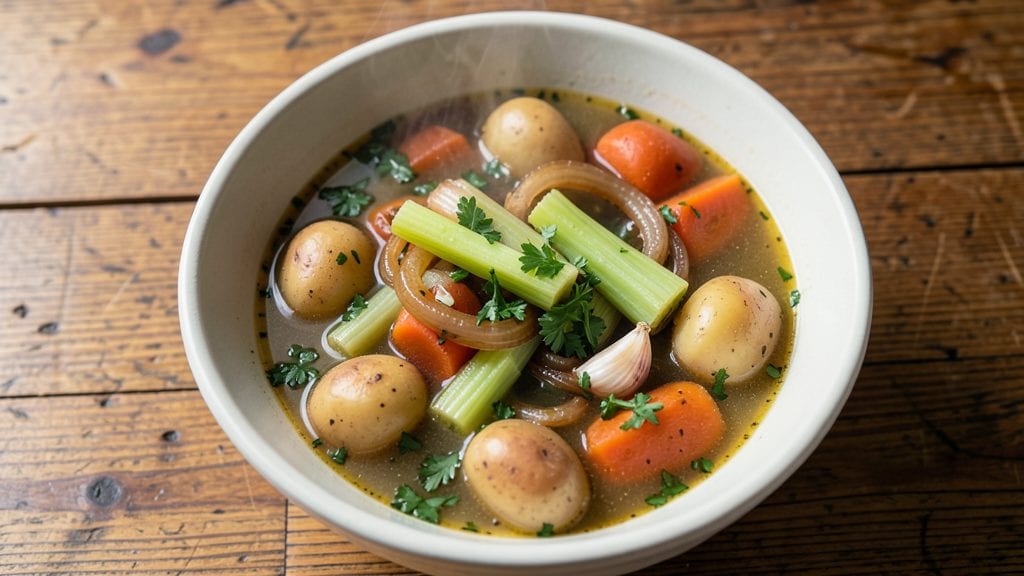
This Pioneer Woman vegetable soup brings the hearty flavors of a 19th-century garden harvest into your modern kitchen—rich, rustic, and packed with seasonal vegetables. The secret lies in slow simmering, where humble ingredients like carrots, celery, and potatoes transform into a deeply satisfying broth that tastes like home.
I developed this recipe after researching historical pantry staples, ensuring every spoonful delivers that comforting, old-fashioned warmth without sacrificing today’s convenience.
What makes this soup special is its simplicity—just 15 minutes of prep followed by an hour of hands-off simmering, perfect for busy weeknights or cozy weekends. The recipe uses traditional techniques like parboiling root vegetables and building flavor through aromatic vegetables (onion, garlic, and celery) cooked until golden.
The result? A thick, velvety soup with tender vegetables and a broth so flavorful, you’ll want to ladle seconds.
This vegetable soup is designed to feed a family or stretch into leftovers that taste even better the next day. The one-pot method means minimal cleanup, and the recipe easily adapts to seasonal produce—swap in zucchini for summer, sweet potatoes for fall, or kale for winter.
It’s the kind of meal that feels like a hug in a bowl, proving that classic comfort food doesn’t require complicated techniques.
Serve it with crusty bread to soak up every last drop of that savory broth, or pair it with a simple green salad for balance.
The Pioneer Woman way ensures no ingredient goes to waste, and every bite delivers the kind of satisfaction that turns a simple meal into a tradition. Let’s get cooking—this soup is your new go-to for nourishing, hearty dinners.
Ingredients for pioneer woman vegetable soup
Fifteen minutes of prep transforms humble garden vegetables into a deeply satisfying one-pot soup.
| Ingredient | Amount | Notes |
|---|---|---|
| Yellow Onion 🧅 | 1 whole | Diced into small cubes |
| Celery Stalks 🥬 | 3 whole | Trimmed and chopped |
| Carrots 🥕 | 4 whole | Medium, peeled and chopped |
| Russet Potatoes 🥔 | 2 lbs | Cut into 1-inch cubes |
| Garlic Cloves 🧄 | 4 cloves | Minced for aromatic base |
| Fresh Parsley 🌿 | ¼ cup | Chopped for garnish |
| Extra-Virgin Olive Oil 🫒 | ¼ cup | For sautéing vegetables |
| Chicken or Vegetable Broth 💧 | 6 cups | Low-sodium preferred |
| Tomato Paste 🍅 | 2 tbsp | For depth of flavor |
| Dried Thyme 🌿 | 1 tsp | Or 1 tbsp fresh |
| Bay Leaves 🍃 | 2 whole | For aromatic complexity |
| Salt 🧂 | 1 ½ tsp | Diamond Crystal preferred |
| Black Peppercorns 🌶️ | ½ tsp | Freshly cracked |
| Green Beans 🥦 | 1 lb | Trimmed and halved |
| Crusty Bread 🍞 | null null | For serving, optional |
The foundation of this soup lies in the aromatic vegetables—onion, celery, and carrot—known as the 'holy trinity' in classic French cuisine. Whole Foods or local farmers markets offer the freshest produce, but don't overlook your grocery store's organic section. Look for carrots with vibrant orange color and crisp texture, and onions with firm, dry skins. The potatoes should be firm and free of sprouts—Russet or Yukon Gold work best for their creamy texture. For the broth, Pacific Foods or Imagine brand low-sodium options provide excellent flavor without excessive salt. Fresh parsley should have bright green leaves and no wilting, while thyme should be a deep green color with a strong aroma.
No fresh thyme? Dried works at one-third the amount, but fresh imparts superior depth. Substituting vegetable broth for chicken? Ensure it's well-seasoned with additional herbs—consider adding a pinch of sage or rosemary for historical accuracy. The tomato paste can be replaced with 1/4 cup tomato sauce if preferred, though paste delivers more concentrated flavor. For the green beans, frozen works perfectly—no need for fresh in winter months. The bay leaves should be whole and pliable—discard after cooking. If you're using pre-minced garlic, toast it lightly in olive oil first to enhance its flavor.
This soup develops richer flavor overnight, so make a double batch and store leftovers for up to 5 days in the refrigerator. For longer storage, freeze portions in airtight containers for up to 3 months. The crusty bread suggestion in the introduction is optional but recommended—sourdough or a rustic baguette works best. To reheat, warm gently on the stove with a splash of broth to maintain texture. The soup's velvety consistency comes from proper vegetable preparation—parboil root vegetables first to prevent mushiness during the long simmer.
Why You'll Love This Recipe
- No-Waste Pantry Magic: I swear by this recipe when my fridge looks sad and the onion and celery are getting limp. Those yellow onions and celery stalks? They turn into a rich, savory base that feels like a hug in a bowl—no fancy ingredients, just smart use of what’s already there.
- Garlic-Potato Powerhouse: Between us, the secret weapon is those Russet potatoes—thick-cut and simmered until tender but still holding shape. Add the minced garlic at the end, and suddenly you’ve got that crispy, aromatic edge that makes this soup ridiculously good. It’s the kind of flavor that lingers.
- Leftovers That Don’t Suck: Honestly, this soup tastes even better the next day. I make a big batch on Sundays, and by Wednesday, it’s still hearty and comforting. The potatoes stay creamy, the carrots sweeten up, and the broth deepens—perfect for quick lunches or reheating when you’re too tired to cook.
- Budget-Friendly Crowd Pleaser: This recipe feeds four for under $8 using store-brand veggies. My college roommates called it “the soup that saved us,” and I still make it now for potlucks or when friends drop by unexpectedly. It’s unfussy, filling, and no one ever asks what’s in it—just seconds.
Step-by-step instructions for hearty garden harvest in one pot
This soup builds layer upon layer of flavor—start with aromatic vegetables, then develop depth with tomato paste and herbs.
Sauté the Aromatic Vegetable Base
Heat the 0.25 cup extra-virgin olive oil in a large Dutch oven over medium heat. Add the 1 whole yellow onion and 3 whole celery stalks, chopped, cooking for 5 minutes until softened and translucent. The onions should smell sweet and the celery should release its crisp, earthy aroma.
Add the 4 whole carrots, peeled and chopped, along with the 4 cloves garlic cloves, minced. Continue cooking for another 5 minutes, stirring occasionally, until the carrots begin to soften slightly and the garlic releases its pungent fragrance. This foundational step ensures all vegetables develop their flavors before the broth is added.
Develop Depth with Tomato Paste and Herbs
Stir in the 2 tablespoons tomato paste, spreading it evenly across the bottom of the pot. Cook for 2 minutes, allowing it to deepen in color and develop a slightly caramelized edge. This step adds a rich, umami base that will carry through the entire soup.
Add the 1 teaspoon dried thyme and 2 whole bay leaves, stirring to coat the vegetables in their aromatic oils. Pour in the 6 cups chicken or vegetable broth, scraping up any browned bits from the bottom of the pot. Bring to a gentle simmer, then reduce heat to low and let it cook uncovered for 15 minutes to allow the flavors to meld.
Add Potatoes and Green Beans for Texture
Add the 2 pounds russet potatoes, cut into 1-inch cubes, and the 1 pound green beans, trimmed and halved. Stir gently to distribute them evenly in the broth. Increase heat to medium-low and simmer for 15 minutes, or until the potatoes are tender when pierced with a fork but still hold their shape.
During this time, the green beans should soften slightly while retaining a pleasant crunch. Taste the broth and adjust seasoning with the 1.5 teaspoons salt and 0.5 teaspoon black peppercorns, freshly cracked. The soup should be well-seasoned but not overly salty—this is where you fine-tune the balance of flavors.
Finish with Fresh Parsley and Rest
Remove the pot from heat and stir in the 0.25 cup fresh parsley, chopped. Let the soup rest for 5 minutes, allowing the flavors to settle and the green beans to absorb any remaining liquid. This resting period ensures the soup reaches its full potential before serving.
Ladle the soup into bowls and serve immediately with crusty bread on the side. The contrast of the bread’s crunch against the hearty, flavorful broth creates the perfect dining experience. Each spoonful should deliver a harmonious blend of sweet carrots, earthy celery, tender potatoes, and the bright acidity of the tomato paste.
Pro Tips For Making Pioneer Woman Vegetable Soup
- SOFTEN THOSE POTATOES FIRST: I learned this the hard way—adding whole Russet potatoes to simmering broth means they’ll turn to mush before the edges get tender. Instead, cut them into 1.5-inch chunks, boil in salted water for 5 minutes, then drain. They’ll hold shape but still break down just enough to thicken the soup.
- SWEEP THE POT: After simmering your onions, celery, and carrots, resist the urge to stir constantly. Instead, let them caramelize undisturbed for 8-10 minutes, then scrape up the browned bits with a wooden spoon. That’s where the deep flavor hides—don’t let it stick and burn.
- DICE THAT ONION SMALL: I was skeptical until I tried it: finely diced yellow onion (about ¼-inch pieces) dissolves into the broth instead of sitting as chunks. It mellows the sharpness and distributes flavor evenly. Save the larger slices for garnish if you’re feeling fancy.
- SALT THE WATER LIKE THE OCEAN: The potatoes and celery need a serious brine bath before they hit the pot. Use 1 tablespoon salt per gallon of water when blanching them—this keeps them from turning bland later. Yes, even if you think it’s too much, your future self will notice the difference.
Creative variations of this pioneer woman vegetable soup
Summer Garden Twist
Swap the green beans for 1 lb zucchini, sliced into ½-inch rounds, and add 1 cup corn kernels (fresh or frozen) in the final 5 minutes of cooking. For extra brightness, stir in 1 tbsp lemon zest and 2 tbsp fresh basil at the end.
This summer variation keeps the soup light yet hearty, perfect for warm evenings when garden produce is at its peak. 🌿
Winter Root Vegetable Upgrade
Replace the potatoes with 2 lbs sweet potatoes and 1 small butternut squash (peeled, cubed, and parboiled for 5 minutes). Add 1 tsp ground cinnamon and ½ tsp nutmeg with the thyme for warmth.
The natural sweetness of the roots pairs beautifully with the earthy broth, creating a cozy, spiced variation ideal for colder months.
Creamy Butternut Squash Version
Blend ½ of the cooked soup with ½ cup coconut milk until smooth, then stir back into the pot. Add 1 cup roasted butternut squash cubes (tossed in 1 tbsp olive oil and roasted at 400°F for 20 minutes) and ¼ cup toasted pecans for crunch.
This velvety twist transforms the soup into a luxurious, creamy dish without dairy. 🥜
Protein-Packed Additions
Boost nutrition by adding 1 lb smoked sausage (like kielbasa), sliced and browned before the broth, or 1 can white beans (drained and rinsed) in the final 10 minutes of simmering.
For a vegetarian option, stir in 1 cup cooked lentils or ½ cup crumbled feta cheese at the end. These additions make the soup more substantial for hearty appetites.
Spiced Lentil & Kale Boost
Replace half the potatoes with 1 cup dried brown lentils (rinsed) and add 2 cups chopped kale in the last 5 minutes. Season with ½ tsp smoked paprika and ¼ tsp cayenne for a smoky kick.
The lentils add protein and texture, while the kale brings a peppery contrast that balances the soup’s richness. This version is perfect for meatless Mondays or plant-based diets. 🌱
Herb-Infused Broth Swap
Replace the broth with a homemade infusion of 4 cups water, 2 tbsp apple cider vinegar, 1 tbsp soy sauce, and a bouquet of fresh herbs (thyme, rosemary, and parsley stems).
Simmer for 10 minutes, then strain before using in the recipe. This herb-forward broth adds complexity and depth, making the soup taste even more vibrant and restaurant-quality. 💛
Nutrition facts
Frequently asked questions
Can I make this soup without a Dutch oven?
A large pot or deep skillet works perfectly—just ensure it has enough depth to accommodate the vegetables and broth. If your pot is shallow, consider parboiling the potatoes separately for 5 minutes before adding them to the soup to prevent boiling over. The key is maintaining a gentle simmer to develop the flavors.
How can I make this soup kid-friendly?
Blend half the soup until smooth for a creamy texture, or simply remove the green beans and serve the broth with soft-cooked potatoes and carrots. Add a sprinkle of shredded cheese or a dollop of Greek yogurt for extra appeal. Kids often love dipping crusty bread into the soup too!
What’s the best way to store leftovers?
Store in an airtight container in the fridge for up to 5 days, or freeze for 3 months. To reheat, warm gently on the stove with a splash of broth—never microwave directly from frozen. The flavors actually deepen overnight, making leftovers even more comforting!
Can I use frozen vegetables instead of fresh?
Frozen green beans, carrots, and corn work beautifully—just thaw them first if using in place of fresh. For root vegetables like potatoes, frozen versions can become mushy, so stick with fresh or pre-cooked frozen potatoes. The texture difference is minimal when cooked properly.
Why does my soup taste bland?
Most likely, the broth needs more seasoning. Try adding 1 extra bay leaf or ½ tsp smoked paprika during cooking, or finish with a splash of red wine vinegar (1 tsp) or a pinch of MSG (if you like umami). Don’t forget to taste as you go—soup flavors build gradually!