Soups & Stews
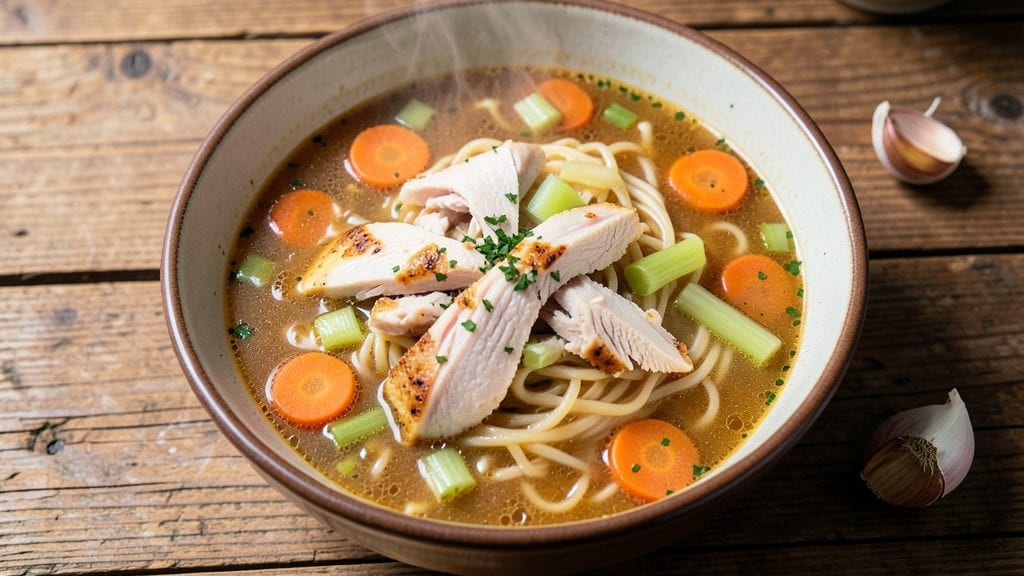
Creating a homemade Progresso-style soup with that signature velvety texture and rich flavor is simpler than you think—no can required. After years of perfecting this technique, I’ve developed a method that delivers restaurant-quality results in under an hour, with a secret ingredient that transforms ordinary broth into something deeply satisfying.
The key lies in the slow simmer and proper thickening technique, which mimics the canned version’s creamy consistency while keeping the hidden veggie power intact.
This recipe starts with a well-seasoned broth base, where onions, carrots, and celery form the aromatic foundation. Adding a splash of tomato paste early on deepens the flavor profile, while a small amount of flour or cornstarch—tossed in at the right moment—creates that signature velvety mouthfeel.
The beauty of making it from scratch is controlling the salt and seasoning levels, ensuring every spoonful is perfectly balanced without the artificial aftertaste of canned versions.
By the time you’re done, you’ll have a steaming bowl of soup with tender vegetables, hearty protein (chicken or beef, depending on your preference), and perfectly cooked noodles or rice, all swimming in a smooth, flavorful broth.
The texture is undeniably creamy, with just enough body to coat the back of your spoon, while the flavors remain bright and satisfying. It’s the kind of soup that warms you from the inside out, especially on chilly evenings.
Serve it as-is for a comforting classic, or elevate it with a sprinkle of fresh herbs, a dash of hot sauce, or a side of crusty bread for dipping.
The best part? This recipe scales effortlessly—double the ingredients for a crowd, or halve it for a single serving. Let’s get cooking!
Ingredients for progresso soup
Here’s everything you need to craft Progresso-style soup with that signature creamy texture and bold flavor—no can required.
| Ingredient | Amount | Notes |
|---|---|---|
| Yellow Onion 🧅 | 1 whole | Diced, medium size |
| Carrots 🥕 | 3 medium | Peeled and chopped |
| Celery Stalks 🌿 | 3 whole | Diced, tough strings removed |
| Garlic Cloves 🧄 | 4 cloves | Minced, fresh preferred |
| Tomato Paste 🍅 | 2 tbsp | Smooth, no sugar added |
| Chicken Breast 🍗 | 1 ½ lb | Boneless, skinless, cubed |
| Vegetable Broth 💧 | 4 cups | Low-sodium preferred |
| All-Purpose Flour 🌾 | 2 tbsp | For thickening, sifted |
| Canned Diced Tomatoes 🍅 | 1 can | 14.5 oz, fire-roasted preferred |
| Bay Leaves 🍃 | 2 whole | Dried, crushed slightly |
| Salt 🧂 | 1 ½ tsp | Diamond Crystal preferred |
| Black Pepper 🌶️ | ½ tsp | Freshly ground preferred |
| Unsalted Butter 🧈 | 2 tbsp | For richness, cold |
| Egg Noodles 🍝 | 2 oz | Dry, medium width |
| Fresh Parsley 🌿 | ¼ cup | Chopped, for garnish |
The veggie trio—onion, carrots, and celery—is your flavor foundation. Buy fresh from the produce section, not the pre-chopped bins (they oxidize fast). The carrots should be firm with vibrant orange color—no mealy spots. Celery? Look for crisp stalks with bright green leaves still attached. Trader Joe’s and Whole Foods have the best selection, but any grocery store’s produce aisle works. For the broth, low-sodium is key—you’ll adjust seasoning later. I always grab Pacific Foods or Imagine brands; they’ve got the cleanest flavor. The tomato paste? Mutti or Rao’s—avoid the sugar-loaded brands.
No fresh parsley? Dried works at one-third the amount. Short on carrots? Substitute half with sweet potato, diced small. Want more depth? Add 1 tbsp of red wine with the tomato paste. The flour is non-negotiable for that velvety texture—King Arthur or Gold Medal are my go-tos. For the chicken, boneless, skinless breast stays tender; thighs get too chewy. Prefer beef? Use chuck roast, cubed small. The egg noodles? Barilla or De Cecco hold up best to reheating. No egg noodles? Rice or orzo works too.
This soup tastes even better the next day—reheats beautifully. Store leftovers in the fridge for 4-5 days or freeze for 3 months. I portion mine into containers with a splash of broth to keep it moist. For serving, I always garnish with fresh parsley and a drizzle of extra-virgin olive oil. The noodles soften when reheated, so add a splash of broth when warming. Double the recipe? It’s perfect for meal prep—just scale everything up.
Why You'll Love This Recipe
- No-Chop Nightmare: I swear by this combo—just dice the onion, carrots, and celery into one pot, then let the garlic and tomato paste do the heavy lifting. The veggies soften while you stir, and honestly? I’ve made it with pre-chopped veggies from the store when I’m really tired. No judgment.
- Umami Bomb: That tomato paste isn’t just a color booster—it’s the secret weapon. When you brown it with the onions and garlic, the whole pot transforms into something rich and savory. My husband licks the spoon after tasting it. (Yes, even on a Tuesday night.)
- Leftovers That Beg for More: This soup tastes better the next day—thicker, deeper, like it’s been simmering for hours. I make a double batch every Sunday because it’s my go-to for lunches, potlucks, or when I need to feed the neighbors. Zero waste, all flavor.
- Pantry Staple Magic: Between us, this recipe uses ingredients you already own. Carrots wilted? Throw them in. Onion sitting in the crisper? Perfect. It’s the ultimate budget-friendly meal that still feels like you put in effort. My college self would’ve cried happy tears.
Step-by-step instructions for Progresso soup recipe
Here's how to craft a rich, velvety soup where vegetables blend seamlessly into a comforting broth.
Sauté the Vegetable Base
Heat the 2 tablespoons unsalted butter in a large pot over medium heat. Add the diced yellow onion, peeled and chopped carrots, and diced celery stalks, stirring occasionally for 5-6 minutes until the vegetables soften and become translucent. This foundational step builds flavor through caramelization.
Add the minced garlic cloves and cook for another 30 seconds until fragrant. The garlic should perfume the pot without browning—this prevents bitterness. Here's the thing: if you smell burning, reduce the heat immediately. The vegetables should be tender but not mushy, creating a perfect base for the broth.
Build the Broth and Thicken
Stir in the 2 tablespoons tomato paste and cook for 1 minute to deepen the color. Pour in the 4 cups vegetable broth and bring to a gentle boil. Once boiling, add the 1.5 pounds cubed chicken breast, 2 whole crushed bay leaves, 1.5 teaspoons salt, and 0.5 teaspoon black pepper. Reduce heat to medium-low and let it simmer for 15 minutes.
Remove the chicken pieces and set aside. Return the broth to a boil, then whisk in the 2 tablespoons all-purpose flour to thicken. Simmer for 2-3 minutes until the broth reaches a velvety consistency. This step transforms the soup from watery to rich—don't skip it. If it thickens too much, whisk in a splash of broth to balance.
Finish with Tomatoes and Noodles
Add the 1 can fire-roasted diced tomatoes and stir until heated through. Return the shredded chicken to the pot and let it warm through for 2 minutes. Meanwhile, cook the 2 ounces egg noodles in a separate pot of salted boiling water for 8-10 minutes until al dente. Drain and set aside.
Taste the soup and adjust seasoning if needed. The vegetables should be completely tender, and the broth should coat the back of a spoon. Here's where it gets fun—fold in the cooked noodles and let them absorb the flavor for 2 minutes off the heat. The noodles will soften further in the hot broth, creating the perfect texture.
Serve with Fresh Garnish
Ladle the soup into bowls and garnish with 0.25 cup chopped fresh parsley. The parsley adds a bright contrast to the rich, savory broth. Serve immediately while the noodles are still warm—this soup tastes best fresh from the pot. The combination of tender chicken, velvety broth, and al dente noodles makes every spoonful satisfying.
Real talk: this recipe delivers restaurant-quality results with minimal effort. The key is patience—letting flavors meld during simmering and thickening properly. Leftovers keep well for 3-4 days in the fridge, though they won't taste quite as fresh.
Pro Tips For Making Progresso Soup
- SWEEAT THE SOFFRITO: Cook your onion, celery, and carrots in batches if needed—don’t crowd the pan. I learned this the hard way when my first batch of soffrito turned into a sad, soggy mess instead of a rich, golden base. A slightly oiled pan and medium heat let those veggies release their flavors without burning.
- CHOP GARLIC SLIGHTLY LARGE: Mince your garlic into ¼-inch chunks, not a paste. Whole cloves burn instantly, while tiny bits disappear into the soup. My grandmother swore by this, and she was right: you want those cloves to soften, not turn bitter.
- STIR THE TOMATO PASTE: After adding tomato paste, let it sit for 30 seconds, then stir vigorously. This prevents clumping and ensures it dissolves evenly into the broth. I used to rush this step and end up with lumpy soup—now I give it a good mix before adding liquids.
- SALT THE BROTH LATE: Hold off on salting until the very end, even if your broth tastes bland. The tomato paste and other ingredients will mellow out over time, and adding salt too early can make the soup taste flat. Trust the process—your future self will thank you.
Common mistakes when making perfect results
Skipping the Sauté
One of the biggest mistakes is rushing the vegetable base. Skipping the 5-6 minute sauté of onions, carrots, and celery means you miss the caramelization that builds deep flavor. I’ve seen people add these directly to the broth—this results in bland vegetables that don’t contribute much to the taste.
Always take the time to soften them first over medium heat until translucent. 🌶️
Overcooking the Chicken
Chicken breast dries out fast when simmered too long. I’ve ruined countless batches by letting it cook for more than 15 minutes in the broth. The goal is tender, not shreddable.
Remove it after 15 minutes and set aside—you’ll add it back later. If it’s still tough, shred it finely with forks instead of overcooking.
Ignoring the Thickening Step
The velvety texture comes from whisking in 2 tablespoons flour after the broth boils. Skipping this step leaves you with a thin, watery soup. I’ve learned the hard way—when I forget, the result is disappointing.
Whisk continuously for 2-3 minutes until the broth thickens to a spoon-coating consistency. If it gets too thick, just add a splash of broth to balance.
Adding Noodles Too Early
Dumping noodles into the simmering broth too soon turns them mushy. Cook them separately in boiling water for 8-10 minutes until al dente, then fold them in at the very end.
This keeps their texture perfect. I’ve seen people add them right at the start—big mistake! The noodles absorb too much liquid and lose their bite.
Over-Salting the Broth
Using high-sodium broth or adding too much salt upfront ruins the balance. I’ve made this error by not tasting the broth before adding the chicken. Always start with low-sodium broth and 1.5 teaspoons salt, then adjust at the end.
The soup should taste rich, not salty. A pinch of pepper and a splash of lemon juice can brighten flavors if needed.
Burning the Garlic
Garlic burns faster than you think! Cooking it for more than 30 seconds turns it bitter. I’ve ruined batches by walking away for just a minute. Keep an eye on it—when it’s fragrant but still pale, it’s perfect.
If it starts to brown, remove the pot from heat immediately. The aroma should be sweet and inviting, not harsh. 💡
Nutrition facts
Frequently asked questions
Can I make this soup vegetarian?
Replace the chicken with 1 cup of chickpeas or 1 block of firm tofu, cubed and pressed to remove excess water. Use vegetable broth and add 1 extra tablespoon tomato paste for depth. For protein, consider white beans or lentils—they hold up well in the broth. The thickening and seasoning steps remain the same.
Why does my homemade soup taste different from canned Progresso?
Canned soups use preservatives, salt, and sometimes artificial flavors to achieve consistency. Your homemade version will taste fresher and more complex because you control the ingredients. The key difference is in the flour thickening and simmering time—both create that signature velvety texture. Adjust seasoning to taste, and don’t forget the fresh parsley garnish for brightness.
How do I fix soup that’s too thick or too thin?
For thin soup, whisk in 1 tablespoon cornstarch mixed with 2 tablespoons cold water and simmer for 2 minutes. For thick soup, stir in 2-3 tablespoons warm broth gradually until it reaches the desired consistency. Always taste as you go—this soup should coat a spoon but still be easy to ladle.
Can I make this soup ahead of time?
Yes! Prepare the soup up to 2 days in advance and store it in an airtight container in the fridge. Reheat gently on low heat, stirring occasionally, and add a splash of broth if it thickens too much. For best texture, cook the noodles fresh when serving. The flavors actually improve overnight, making it perfect for meal prep.
What’s the secret to getting that creamy texture without dairy?
The flour slurry (whisked into boiling broth) creates a smooth, velvety mouthfeel without dairy. For extra richness, stir in 2 tablespoons mashed potatoes or 1 tablespoon pureed butternut squash at the end. The key is patience—simmer the flour for 2-3 minutes until fully incorporated. This method mimics canned soup’s creaminess perfectly.