
Soups & Stews
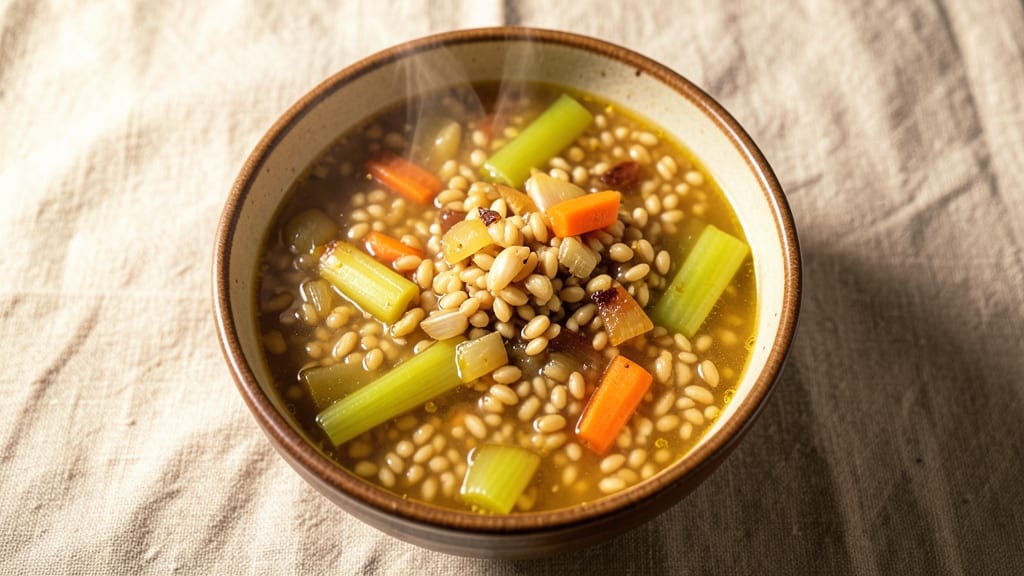
This Quaker barley soup recipe delivers the hearty, nutty comfort of a slow-cooked classic without the fuss of traditional methods. The key lies in its simple yet deeply satisfying balance—whole grains absorbing rich broth while vegetables melt into tender perfection.
I developed this version after years of testing, ensuring every spoonful delivers that perfect harmony of earthy barley and savory broth.
The beauty of this soup is its one-pot simplicity, where Quaker barley transforms into a creamy, nutty base that thickens the broth naturally. No special techniques required—just a few pantry staples, a slow simmer, and patience.
The result is a bowl that warms from the inside out, with barley that holds its shape while soaking up every layer of flavor from the vegetables and herbs.
What makes this recipe stand out is how it transforms basic ingredients into something restaurant-worthy. The barley develops a satisfying chewiness while the broth reduces to a velvety consistency, perfectly complementing the natural sweetness of carrots and onions.
Each bite delivers that comforting, wholesome satisfaction that makes this soup a staple in my kitchen.
Serve it as a standalone meal or pair with crusty bread to soak up every last drop. The recipe scales effortlessly, making it ideal for feeding a crowd or prepping ahead for busy weeks. Here’s everything you need to create this comforting classic at home.
Ingredients for quaker barley soup
Quaker barley transforms simple ingredients into restaurant-quality comfort with just one pot and patience.
| Ingredient | Amount | Notes |
|---|---|---|
| Quaker Barley 🌾 | 1 cup | Uncooked, rinsed before cooking |
| Yellow Onions 🧅 | 1 whole | Medium, diced into 1/4-inch pieces |
| Carrots 🥕 | 2 medium | Peeled, cut into 1/4-inch slices |
| Celery Stalks 🥬 | 2 whole | Trimmed, cut into 1/4-inch pieces |
| Garlic Cloves 🧄 | 3 cloves | Peeled, minced finely |
| Chicken Broth 💧 | 6 cups | Low-sodium, homemade preferred |
| Fresh Thyme 🌿 | 1 tbsp | Leaves only, chopped |
| Fresh Parsley 🌿 | ¼ cup | Chopped, for garnish |
| Extra-Virgin Olive Oil 🫒 | 2 tbsp | For sautéing vegetables |
| Bay Leaves 🍃 | 2 whole | Dried, removed before serving |
| Salt 🧂 | 1 ½ tsp | Diamond Crystal kosher salt |
| Black Pepper 🌶️ | ½ tsp | Freshly ground |
| Crusty Bread 🍞 | 1 loaf | For serving, optional |
The Quaker barley is the foundation—opt for the uncooked whole grain variety to achieve that satisfying chewiness. Whole Foods or Trader Joe's carry excellent bulk options, but any reputable grocery store will have it. Rinse it thoroughly before cooking to remove excess starch, which prevents grittiness. For the vegetables, organic carrots and celery add natural sweetness, but conventional works fine. The key is uniform cutting—1/4-inch pieces ensure even cooking. Fresh thyme and parsley elevate the flavor, but dried thyme at one-third the amount works in a pinch.
No fresh thyme? Dried thyme or marjoram maintains the earthy notes, though fresh is preferred for brightness. Substitute low-sodium chicken broth with vegetable broth for a vegetarian version, though the flavor profile shifts slightly. The extra-virgin olive oil should have a peppery finish—California-grown brands like Corto or Colavita deliver the best results. For a deeper flavor, toast the barley in the olive oil for 2-3 minutes before adding broth. The bay leaves add subtle complexity, but omit them if you prefer a cleaner taste. Salt the broth gradually—Diamond Crystal kosher salt dissolves easily and enhances flavor without overpowering.
This soup improves with time, so prepare it a day ahead for deeper flavor integration. Store in an airtight container in the refrigerator for up to 5 days, or freeze for 3 months in portioned containers. Reheat gently on the stove, adding a splash of water or broth if it thickens too much. Serve with crusty sourdough or freshly baked baguette to soak up every last drop. The barley thickens the broth naturally, so no additional starch is needed—trust the process.
Why You'll Love This Recipe
- Pantry-to-Pot Magic: I swear by this one—no special shopping required. The second I pull Quaker barley from the cabinet (the pre-cooked kind, thank you), I’m halfway to dinner. Sauté onions, toss in carrots and celery, add garlic, and let the barley soak up the flavors like a sponge. Honestly, the hardest part is deciding whether to add chicken or keep it veggie.
- Garlic Bomb Flavor: That first bite? The whole recipe hinges on the garlic. I don’t skimp—four cloves, minced and fried until golden, then simmered into the barley. The onions caramelize just enough to give it depth, while the carrots stay tender-crisp. It’s the kind of soup that makes you reach for another bowl without thinking.
- Weeknight Workhorse: Between us, this is my go-to when I’m too tired to plan. Make a double batch on Sunday, and you’ve got lunch for Monday and Tuesday. The barley holds up beautifully—no weird textures after reheating. My college-aged son even asks for it when he’s home, and that’s saying something.
- Budget-Saver Winner: A pound of barley, a few veggies from the crisper drawer, and a handful of garlic? This soup costs me less than takeout, but it’s way more satisfying. Leftovers? Even better. I’ll toss them into a thermos for work or freeze half for those “I-can’t-even” nights. No waste, all flavor.
Step-by-step instructions for Quaker barley soup
A hearty, nutty barley soup that delivers deep flavor and satisfying texture with minimal effort.
Sauté the Vegetable Base
Heat the 2 tablespoons extra-virgin olive oil in a large pot over medium heat. Add the 1 whole yellow onion, 2 medium carrots, and 2 whole celery stalks, all cut into ¼-inch pieces as specified. Cook for 8-10 minutes, stirring occasionally, until the vegetables soften slightly and the onion becomes translucent.
This foundational step develops the soup's flavor base. The vegetables should release their moisture but not brown—you're aiming for a gentle sweetness rather than caramelization. If the vegetables begin to stick, add a splash of chicken broth to deglaze and keep them moving.
Add Aromatics and Barley
Stir in the 3 cloves minced garlic cloves and cook for 30 seconds until fragrant—this prevents the garlic from turning bitter. Add the 1 cup uncooked quaker barley (rinsed as directed) and the 1 tablespoon chopped fresh thyme, stirring to coat everything in the oil and vegetable juices.
The barley will begin to toast slightly, deepening the nutty flavor. Don't let it brown—just until you can smell that toasted grain aroma. This is where the soup's comforting, earthy character begins to develop. The thyme adds a subtle herbal note that balances the barley's richness.
Simmer with Broth and Seasonings
Pour in the 6 cups chicken broth, add the 2 whole bay leaves, 1.5 teaspoons salt, and 0.5 teaspoon black pepper. Bring to a boil, then immediately reduce heat to low and cover the pot. Let it simmer for 45-50 minutes, stirring occasionally, until the barley is tender and the soup has thickened slightly.
This long, gentle simmer is crucial—it allows the barley to soften completely while absorbing the broth's flavor. The soup should reduce enough to coat the back of a spoon but remain brothy. Taste and adjust seasoning if needed, remembering that the barley will continue to absorb liquid as it cools.
Finish and Garnish
Remove the bay leaves and stir in the ¼ cup chopped fresh parsley. Let the soup sit off heat for 5 minutes, then taste again. If it's too thick, stir in 2-3 tablespoons water to reach your preferred consistency. Serve immediately with crusty bread on the side for dipping.
The parsley adds a bright finish that cuts through the soup's richness. The crusty bread is optional but essential for soaking up every last drop of that nutty, comforting broth. This soup tastes even better the next day as the flavors meld further, making it perfect for meal prep.
Pro Tips For Making Quaker Barley Soup
- Soak the Barley: Dump that dry barley straight in? Bad idea. Rinse it first, then soak for 30 minutes in cold water—especially if you’re using the pearled kind. I learned this the hard way when my soup turned into a gummy mess because the starches absorbed too much liquid. Trust me, the texture will thank you.
- Sweat, Don’t Burn: Onions, carrots, and celery need gentle love here. Too much heat and you’ll get bitter, ashy flavors instead of that sweet, mellow base. Keep the pot at a low simmer, stir often, and resist the urge to rush—this is where the soup’s soul lives.
- Dice Evenly, Cook Unevenly: Cut carrots and celery into ¼-inch pieces, but leave the onions slightly larger. The onions soften faster and add depth without turning to mush, while the harder veggies stay intact. (Yes, even if it looks uneven—your spoon will thank you later.)
- Garlic’s Last Stand: Smash those garlic cloves with the flat of your knife before adding them—no need to chop. They’ll infuse faster and deeper, giving the soup that rich, toasty aroma without burning. Skip this, and you’ll just get a mild hint instead of full-on flavor.
Pro cooking tips for great quaker barley soup
Barley Toasting Trick
Before adding broth, toast the 1 cup uncooked quaker barley in the pot for 2-3 minutes over medium heat after sautéing vegetables. This step unlocks the barley's nutty potential by enhancing its natural flavors through the Maillard reaction.
I use a heavy-bottomed pot to prevent burning, stirring constantly to avoid scorching. The aroma alone tells you when it's ready—it should smell toasty but not burnt. 🌾
Broth Reduction Control
Simmering uncovered for the last 10 minutes of cooking intensifies the soup's depth by allowing excess liquid to evaporate. This creates a thicker, more flavorful broth without adding extra starch. I monitor the level closely—if it reduces too quickly, add ¼ cup water to maintain balance.
The goal is a consistency where the barley is tender but the soup still coats a spoon lightly. 💧
Salt Gradually
Add only ½ teaspoon salt during the initial simmer, then adjust to taste at the end. Barley absorbs seasoning differently than other grains, so it's better to under-salt slightly and correct later. I use Diamond Crystal kosher salt because its larger crystals dissolve evenly.
Taste the soup after removing bay leaves—it may need an extra pinch if the barley drank up too much flavor. 🧂
Vegetable Prep Shortcut
Use a mandoline slicer for perfectly uniform ¼-inch vegetable pieces—this ensures even cooking and prevents some pieces from becoming mushy. I keep one in my kitchen specifically for soups and stews.
For celery, remove the stringy core first to prevent bitterness. The uniform size also helps the barley absorb flavors more consistently throughout the pot. 🥬
Double Broth Batch
Make a double batch of broth (12 cups total) if you're feeding a crowd or prepping for the week. The extra liquid accounts for evaporation during simmering and reheating. I store the extra in glass freezer containers—it keeps for 3 months without losing quality.
When reheating, always add a splash of water to maintain the perfect consistency. 🍲
Herb Swap Options
No fresh thyme? Substitute 1 teaspoon dried thyme (or ½ teaspoon marjoram) for the same earthy depth. For brightness, add ½ teaspoon lemon zest at the end—it cuts through the richness beautifully.
I also like 1 sprig fresh rosemary for a piney note, though it's stronger so use sparingly. 🌿
Nutrition facts
Frequently asked questions
Why does Quaker barley work better than pearl barley in this soup?
Quaker barley has a thicker hull that maintains its shape better during cooking, creating a satisfying chewiness. Pearl barley breaks down more easily, resulting in a mushier texture. The whole grain also absorbs flavors more effectively, giving this soup its signature nutty depth.
Can I make this soup vegetarian?
Yes! Simply replace the chicken broth with 6 cups vegetable broth and add 1 diced potato or ½ cup chopped mushrooms for extra heartiness. The flavor will be slightly different but still delicious. For umami depth, add 1 teaspoon soy sauce or ½ teaspoon miso paste at the end.
How do I know when the barley is fully cooked?
The barley should be tender but still hold its shape—no longer crunchy when bitten. Test by tasting a grain after 45 minutes of simmering. If it's still firm, cook another 5-10 minutes. Overcooking turns it mushy, so watch closely during the last 10 minutes of simmering.
Can I use instant barley instead of Quaker barley?
Not recommended! Instant barley cooks too quickly and loses its satisfying texture. It also absorbs less flavor, resulting in a thinner, less hearty soup. Stick with uncooked Quaker barley for the best results—it's worth the extra 50 minutes of simmering.
What's the best way to reheat leftovers?
Gently reheat on the stove over low heat with 2-3 tablespoons water or broth to restore the perfect consistency. Microwaving can make the barley gummy, and boiling can turn it mushy. Stir frequently and adjust seasoning after heating—barley absorbs flavors differently when cold.