
Soups & Stews
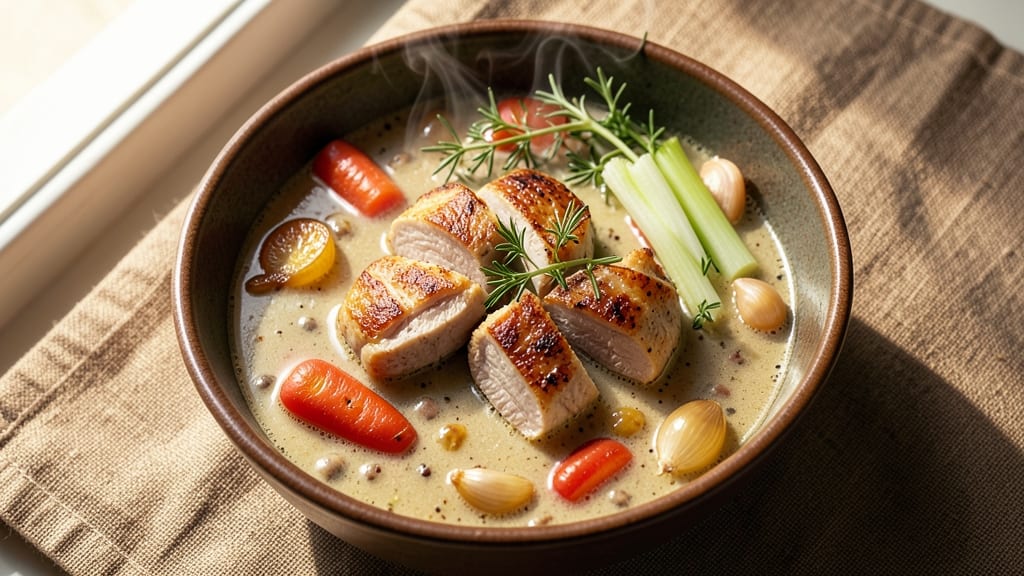
This rabbit soup recipe brings the hearty, rustic comfort of the French countryside to your kitchen, where tender rabbit meat simmers in a rich, herb-infused broth until every bite feels like a warm embrace.
The secret lies in slow cooking the meat until it falls apart, creating a velvety broth that captures all the earthy flavors of thyme, bay leaves, and garlic. I first made this during a chilly autumn evening when I wanted something deeply satisfying yet simple to prepare.
The beauty of this recipe is its balance of tradition and accessibility—no special equipment required, just time and patience. You'll start by browning the rabbit pieces to develop deep, caramelized flavors, then simmer them with vegetables and herbs until the meat is fork-tender.
The result is a soup that's both nourishing and elegant, perfect for cozy gatherings or quiet weeknight dinners.
What makes this dish truly special is how the flavors meld together over time. The rabbit becomes impossibly tender, the broth develops a rich, aromatic depth, and the vegetables soften just enough to release their natural sweetness. Each spoonful delivers comfort in its purest form—warm, hearty, and deeply satisfying.
Serve this soup with crusty bread to soak up every last drop of that flavorful broth, or pair it with a simple green salad for balance.
The recipe scales easily, making it ideal for feeding a crowd or saving leftovers for another day. Let's create this classic French countryside comfort together.
Ingredients for rabbit soup
Just 14 ingredients for a soul-warming bowl of French countryside comfort.
| Ingredient | Amount | Notes |
|---|---|---|
| Rabbit Meat 🐇 | 1 ½ lb | Bone-in pieces preferred |
| Yellow Onion 🧅 | 1 whole | Chopped, medium size |
| Carrots 🥕 | 4 medium | Peeled, cut into chunks |
| Celery Stalks 🌿 | 3 whole | Chopped, with leaves |
| Garlic Cloves 🧄 | 4 cloves | Peeled, lightly crushed |
| Fresh Thyme 🌿 | ½ ounce | Or 1 tbsp dried thyme |
| Fresh Bay Leaves 🌿 | 2 whole | Dried works too |
| Tomato Paste 🍅 | 2 tbsp | Squeeze tube preferred |
| Dry White Wine 🍷 | 1 cup | Substitute broth if needed |
| Chicken Broth 💧 | 4 cups | Low-sodium preferred |
| Olive Oil 🫒 | 2 tbsp | Extra-virgin preferred |
| Salt 🧂 | 1 ½ tsp | Adjust to taste |
| Black Peppercorns 🌶️ | ½ tsp | Freshly cracked |
| Parsley 🌿 | ¼ cup | Fresh, chopped for garnish |
| Crusty Bread 🍞 | 4 slices | For serving, optional |
Rabbit meat is the star here, so look for bone-in pieces at specialty butchers—they add depth to the broth. Costco or Whole Foods often carry it frozen, but if you're lucky, your local butcher might have it fresh. The bones are key for that rich, gelatinous broth. If you can't find rabbit, chicken thighs work in a pinch—just double the cooking time. For the herbs, fresh thyme and bay leaves make all the difference, but dried will do if that's what you've got. The tomato paste? Grab the squeeze tube from Trader Joe's—no waste, and it keeps forever.
No white wine? Chicken broth with a splash of lemon juice works just as well. The carrots and celery can be swapped for whatever veggies you've got—potatoes or turnips add heartiness, while mushrooms bring earthiness. Fresh thyme is ideal, but dried at one-third the amount gets you close. The parsley is just for garnish, so skip it if you're really in a rush. For the wine, anything dry and crisp—Sauvignon Blanc or Pinot Grigio are safe bets. If you're using dried herbs, toast them in the olive oil for 30 seconds first—worth the extra minute for deeper flavor.
This soup tastes even better the next day, so make a double batch if you can. It keeps for 4-5 days in the fridge, and freezes beautifully for up to 3 months. I always portion mine into containers with a slice of crusty bread on top—ready for quick lunches. The broth thickens as it cools, so add a splash of water or broth when reheating. Serve with that bread to soak up every last drop of that flavorful broth.
Why You'll Love This Recipe
- One-Pot Wonder: I swear by this recipe because it’s all in one pot—no chopping boards to wash, no extra pans. Just brown the rabbit, toss in the onions, carrots, celery, and garlic, then let it simmer. Honestly, it’s the kind of meal that makes me feel like I’ve earned my dinner without spending hours in the kitchen.
- Deep Umami Magic: That rabbit meat? When it’s seared just right and slow-cooked, it turns tender with a flavor so rich it lingers. The garlic and onions caramelize into something sweet and savory, while the carrots add just enough natural sweetness to balance it all. I’ll be real: it’s the kind of taste that makes you want to lick the spoon.
- Leftovers That Don’t Suck: This soup actually improves the next day. The flavors meld even more, and the meat gets even more fall-off-the-bone tender. I make a big batch on Sundays, and by Wednesday, I’m still eating it—no sad, watery leftovers here. Just hearty, satisfying bites every time.
- Budget Meal for Big Appetites: Rabbit is leaner than beef but packed with protein, and it stretches across a whole pot. A single rabbit serves four, and the veggies (onions, carrots, celery) are cheap staples. Between us, this is my go-to for feeding a crowd without breaking the bank—plus, it’s way more exciting than another pot of pasta.
Step-by-step instructions for French countryside rabbit soup
This rustic rabbit soup delivers deep, comforting flavors with tender meat and aromatic herbs.
Sear the Rabbit Meat for Rich Flavor
Heat the 2 tablespoons olive oil in a large Dutch oven over medium-high heat. Pat the 1.5 pounds rabbit meat dry with paper towels—this helps create a better sear. Working in batches if needed, brown the meat on all sides for 4-5 minutes per side until deeply golden. You're not cooking it through yet, just building flavor.
As you sear, I like to press down gently on the meat with a spatula during the first minute—this prevents it from curling and ensures even contact with the pan. Remove the browned meat and set it aside on a plate. If the oil starts smoking, reduce the heat slightly to maintain control.
Build the Aromatic Base
In the same Dutch oven, add the chopped yellow onion, carrots, celery stalks, and lightly crushed garlic cloves. Cook for 5-6 minutes until the vegetables soften slightly and the onion becomes translucent. You'll smell that sweet, caramelized aroma developing—that's when you know you're on the right track.
Stir in the 2 tablespoons tomato paste and cook for another 1 minute until it darkens slightly. This step deepens the soup's color and adds a subtle umami richness. Add the 0.5 ounce fresh thyme and 2 whole fresh bay leaves, stirring to combine. Pour in the 1 cup dry white wine and scrape up any browned bits from the bottom of the pot—this captures all that concentrated flavor.
Simmer the Soup to Perfection
Return the seared rabbit meat to the pot. Pour in the 4 cups chicken broth, then add the 1.5 teaspoons salt and 0.5 teaspoon black peppercorns. Bring to a gentle boil, then reduce heat to low and cover partially. Let it simmer for 1.5 hours until the rabbit meat is fork-tender and falls apart easily. You'll know it's done when the meat pulls away from the bone with minimal resistance.
I like to check the seasoning after 1 hour of cooking—rabbit can be lean, so you might want to adjust the salt slightly. If the soup reduces too much, add a splash of water or broth to maintain the right consistency. The broth should coat the back of a spoon but still be flavorful, not watery.
Finish and Serve with Fresh Herbs
Once the rabbit is tender, remove it from the broth and let it cool slightly. Using two forks, shred the meat into bite-sized pieces and return it to the pot. Stir in the 0.25 cup chopped parsley and simmer for another 5 minutes to let the flavors meld. Taste and adjust seasoning if needed—this is where you can really make the soup sing.
Ladle the soup into bowls and serve immediately with 4 slices crusty bread on the side. The bread soaks up the rich broth beautifully, making every bite more satisfying. For extra comfort, garnish each serving with a sprinkle of fresh parsley and a crack of black pepper right before serving. This soup tastes even better the next day, so leftovers make fantastic lunches too.
Pro Tips For Making Rabbit Soup
- BROWN THE RABBIT FIRST: Skip the slow simmer until the meat is raw—sear the rabbit pieces in batches until deeply browned. That crust locks in flavor and prevents the meat from turning mushy later, especially with lean rabbit. (Yes, even if you’re impatient like me, resist the urge to rush this.)
- SWEAT THE AROMATICS LONG: After browning the rabbit, pull the pot off heat and let the onions, carrots, and celery sweat uncovered for 5 minutes. This drives out excess moisture so they don’t turn to mush when you add liquid. I learned this the hard way—soggy veggies ruin the texture.
- SKIP THE BOILING MADNESS: Rabbit soup should simmer, not boil. Once the liquid covers the meat, lower the heat to just a gentle bubble—no rolling, no splashing. High heat makes rabbit tough, and you’ll end up with a stew, not a tender soup. (Your future self will thank you.)
- USE COLD WATER, NOT HOT: Start with cold water or broth to keep the rabbit from cooking too fast on the surface while the center stays raw. Hot liquid shocks the meat and creates uneven doneness—cold water lets everything cook at the same pace. Sounds weird, but it works.
Troubleshooting this recipe
Meat Not Tender Enough
If your rabbit meat feels tough after 1.5 hours of simmering, it likely needs more time. Rabbit is leaner than chicken, so it requires patience—extend cooking to 2 hours or until it effortlessly shreds. I’ve found that adding 1 extra cup of broth halfway through keeps the meat moist.
For extra tenderness, try a 5-minute braise in the oven at 350°F after simmering to break down collagen further. 💡
Broth Too Watery
A thin broth often means the soup needs more reduction or thicker ingredients. Simmer uncovered for 10-15 extra minutes to evaporate excess liquid, or stir in 1 tablespoon cornstarch mixed with 2 tablespoons cold water until slightly thickened.
For a richer base, add ½ cup diced potatoes or parsnips during the final 30 minutes of cooking—they’ll absorb liquid and add body. 🥔
Rabbit Too Gamey
Gamey flavor usually comes from undercooked meat or insufficient seasoning. Ensure your rabbit is fully cooked (internal temp of 165°F) and simmer for the full 1.5 hours. Boost umami by adding 1 teaspoon soy sauce or fish sauce during the last 15 minutes of cooking.
A splash of lemon juice at the end also brightens the dish. 🍋
Herbs Not Infusing
If your thyme and bay leaves aren’t contributing enough flavor, they might need more time to steep. Add them 10 minutes earlier during simmering, or crush the bay leaves slightly before adding.
For dried herbs, use double the amount and toast them in the olive oil for 30 seconds to wake up their flavors. Fresh herbs should always be added at the end to preserve their brightness. 🌿
Oil Smoking Too Much
Smoking oil happens when the heat is too high or the oil isn’t suitable. Reduce heat to medium and use a high-smoke-point oil like avocado or grapeseed oil instead of olive oil for searing.
If the oil starts smoking, remove the pot from heat for 30 seconds to let it cool slightly before continuing. A thermometer helps—keep oil at 350°F for safe searing. 🌡️
Wine Overpowering
If the white wine flavor dominates, it likely didn’t cook off enough. Simmer the soup uncovered for 5 extra minutes after adding wine to let the alcohol evaporate.
For a milder taste, reduce the wine to ½ cup and add ½ cup extra broth instead. A pinch of sugar or honey balances acidity if needed. 🍷
Nutrition facts
Frequently asked questions about rabbit soup
Can I substitute rabbit with another type of meat?
For a similar texture, use chicken thighs (double the cooking time to 2.5 hours) or duck legs (simmer for 2 hours). If you prefer leaner options, turkey legs work well but may need an extra 30 minutes of cooking. For a vegetarian version, try mushrooms or hearts of palm with extra umami boosters like soy sauce or miso paste.
How do I know when the rabbit meat is fully cooked?
The rabbit is done when it reaches an internal temperature of 165°F and the meat easily pulls away from the bone with minimal resistance. You can also test by piercing the thickest piece with a fork—it should slide in smoothly. If you're unsure, err on the side of longer cooking time since rabbit is leaner than poultry and needs patience to become tender.
Can I make this soup in a slow cooker?
Yes! Brown the rabbit first in a skillet, then transfer everything to your slow cooker. Cook on low for 6-7 hours or high for 3-4 hours. The slow cooker's gentle heat is perfect for breaking down the collagen in rabbit meat. Just remember to add the fresh parsley at the end to preserve its brightness. The broth will be even more flavorful due to the longer cooking time.
What can I do with leftovers?
This soup tastes even better the next day! Store leftovers in an airtight container in the fridge for up to 4-5 days or freeze for 3 months. Reheat gently on the stove with a splash of water or broth. For a quick meal, serve with crusty bread or transform it into a hearty sandwich by layering soup, bread, and cheese. You can also blend some of the broth for a creamy rabbit soup base.
Why does my broth smell gamey?
Gamey odors typically come from undercooked meat or insufficient seasoning. Ensure your rabbit reaches 165°F internally and simmers for the full 1.5 hours. To mask gamey notes, add 1 teaspoon soy sauce or fish sauce during the last 15 minutes of cooking, or finish with a splash of lemon juice. A pinch of sugar or honey can also help balance the flavors. Fresh herbs added at the end will brighten the dish and reduce any lingering gamey aromas.