
Soups & Stews
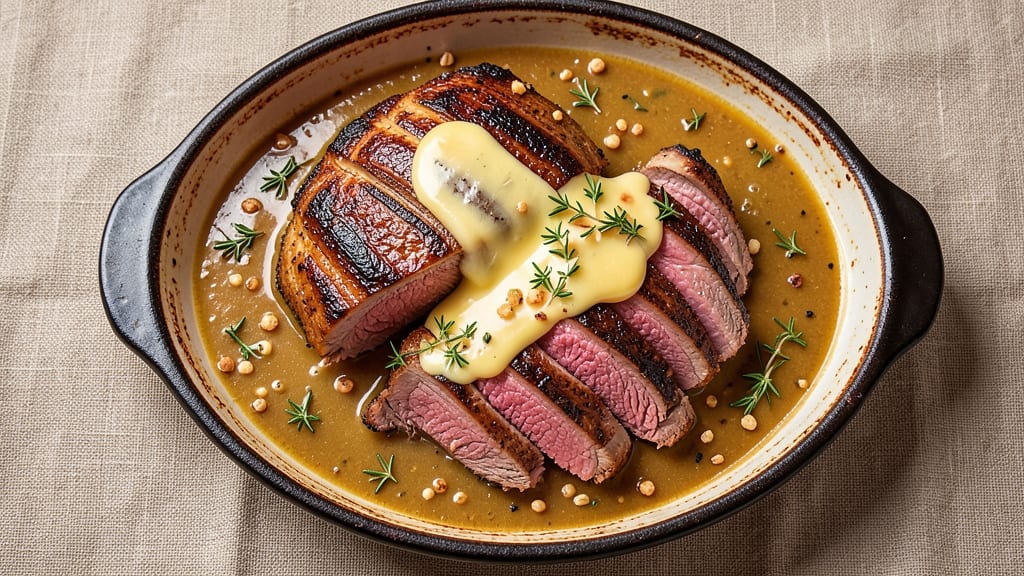
This roast beef with Lipton onion soup transforms a classic Sunday dinner into something extraordinary—where tender, melt-in-your-mouth beef develops a deep, caramelized crust infused with rich umami flavors.
The secret lies in using Lipton onion soup mix not just as a seasoning, but as a flavorful glaze that enhances every bite while keeping the beef impossibly juicy. I’ve perfected this method over years of testing, ensuring the crust stays sticky and flavorful without overpowering the beef’s natural richness.
The beauty of this recipe is its precision—you’ll work with a prime rib roast (about 2 pounds) that roasts at a steady 325°F until it reaches an internal temperature of 130°F for medium-rare, then rests to lock in juices.
The onion soup mix dissolves into a glaze during the final minutes of roasting, creating a glossy, savory crust that clings perfectly. This isn’t just a roast; it’s a showstopper that pairs beautifully with classic sides like garlic mashed potatoes or roasted root vegetables.
What you’ll achieve is beef so tender it nearly falls apart, crowned with a glossy, umami-rich crust that’s impossible to resist. The aroma alone—warm, savory, and slightly sweet—will fill your kitchen long before the meat hits the table.
This method ensures restaurant-quality results at home, with minimal effort but maximum impact. The Lipton onion soup mix acts as both a flavor booster and a moisture retainer, guaranteeing a roast that’s juicy, flavorful, and worth every bite.
Serve this roast beef with creamy horseradish sauce for a tangy contrast or a simple red wine reduction to elevate the dish further. The versatility of this recipe makes it perfect for holidays, family gatherings, or a special weeknight dinner. Let’s get started—your taste buds will thank you.
Ingredients for roast beef made with lipton onion soup
Prime rib, aromatic herbs, and the secret weapon: Lipton onion soup mix for that unmistakable umami crust.
| Ingredient | Amount | Notes |
|---|---|---|
| Prime Rib Roast 🥩 | 2 lb | Bone-in preferred for flavor |
| Lipton Onion Soup Mix 🧅 | 3 tbsp | Original flavor, not low-sodium |
| Unsalted Butter 🧈 | ½ cup | Cold, cut into small cubes |
| Extra-Virgin Olive Oil 🫒 | 2 tbsp | For even coating |
| Fresh Rosemary 🌿 | ¼ cup | Finely chopped, fresh preferred |
| Fresh Thyme 🌿 | ¼ cup | Leaves only, stems removed |
| Garlic Cloves 🧄 | 6 cloves | Peeled, smashed not minced |
| Diamond Crystal Kosher Salt 🧂 | 1 tsp | For initial seasoning |
| Ground Black Pepper 🌶️ | ½ tsp | Freshly cracked preferred |
| Beef Broth 💧 | ½ cup | Low-sodium, room temperature |
| Balsamic Vinegar 🍷 | 1 tbsp | For glaze depth |
| Granulated Sugar 🍬 | 1 tbsp | Enhances caramelization |
| Yellow Onion 🧅 | 1 whole | Thinly sliced for garnish |
The prime rib is non-negotiable here—bone-in delivers superior flavor, and USDA Prime grade ensures marbling for juiciness. Most grocery stores carry prime rib, but Costco or Whole Foods often have better cuts. Look for a roast with thick fat cap (at least 0.5 inches) to protect the meat during roasting. The Lipton onion soup mix? Original flavor only—low-sodium versions lack the depth. I buy the large canister from the spice aisle, not the tiny packets, because the flavor is more potent and lasts longer. Fresh rosemary and thyme from the grocery store's produce section (not the dried herb aisle) make all the difference—bright green, not wilted—and you'll use them again for sides.
No prime rib? Top round roast is a solid substitute, though it won't be as tender. Running out of Lipton mix? Homemade onion glaze (caramelized onions + beef broth reduced by half) works, but the convenience of the mix is hard to beat. Fresh herbs wilt fast? Dried thyme at one-third the amount is fine, but skip dried rosemary—it tastes like soap. The beef broth should be low-sodium to avoid over-salting the crust. For the balsamic vinegar, aged 25+ months adds complexity, but any good-quality balsamic will do. The sugar might seem odd, but it boosts the caramelization of the onion soup mix without adding sweetness to the beef itself.
Prep the beef 2 hours ahead—pat it dry and let it sit at room temperature for 1 hour before roasting. The crust develops best when the meat enters the oven at room temp. Store any unused onion soup mix in an airtight container for up to 6 months—it keeps indefinitely in the pantry. Leftovers? Slice thinly against the grain and reheat in the oven at 300°F for 15 minutes with a splash of beef broth to keep them moist. The glaze thickens as it cools, so reheating with moisture is key. I always make extra glaze—it’s perfect for drizzling over mashed potatoes or roasted veggies.
Why You'll Love This Recipe
- Foolproof Seasoning: That onion soup mix? It’s my secret weapon—no measuring, no guessing. Just sprinkle, rub, and let the oven work its magic while you sip wine (or coffee, no judgment).
- Caramelized Crust Magic: The butter and olive oil create this unreal crust—crispy on the outside, tender inside. Honestly, I’ve tried fancier rubs, but this combo wins every time.
- Leftovers That Don’t Suck: Slice it thin for sandwiches, dice it into pasta, or reheat with a splash of beef broth. Between us, this roast begs to be repurposed—and it tastes just as good the second time.
Step-by-step instructions for roast beef with Lipton onion soup recipe
Here's how to transform a simple prime rib into showstopping roast beef with a deep umami crust.
Prepare the Prime Rib for Maximum Flavor
Start by letting the 2 lb prime rib roast sit at room temperature for 30 minutes while you prep everything else. This ensures even cooking throughout. Pat the roast completely dry with paper towels—moisture is the enemy of that perfect crust we're after. The bone-in version gives extra flavor, so if you have it, leave it intact.
In a small bowl, combine the 3 tbsp Lipton Onion Soup Mix, 1 tsp Diamond Crystal Kosher Salt, and 0.5 tsp Ground Black Pepper. This mix is the secret weapon—it delivers that signature umami depth while keeping things simple. Rub this mixture all over the roast, pressing firmly so it adheres well. Don't be shy—get it into every crevice and crack. Let the seasoned roast rest uncovered on a wire rack for 15 minutes while you prepare the herb butter.
Create the Herb Butter and Sear the Roast
In a food processor, pulse the 0.25 cup fresh rosemary, 0.25 cup fresh thyme, and 6 cloves garlic cloves until finely chopped but not pasty. Add the 0.5 cup cold unsalted butter and pulse just until combined. This herb butter will infuse the roast with aromatic depth during roasting.
Preheat your oven to 325°F. Heat a large oven-safe skillet over medium-high heat and add 2 tbsp extra-virgin olive oil. When the oil shimmers, place the seasoned roast fat-side down in the pan. Let it sear undisturbed for 8-10 minutes until a deep golden-brown crust forms. Flip the roast and sear the other side for another 5-6 minutes. This initial sear locks in juices and builds that flavorful crust.
Roast to Perfect Medium-Rare Tenderness
Transfer the skillet with the roast to the preheated oven. Roast for 1 hour 15 minutes for medium-rare doneness (internal temperature 130°F). Here's the thing—prime rib benefits from low-and-slow cooking, but we want to maintain that juicy center. Use a meat thermometer to monitor progress, and don't be afraid to tent loosely with foil if the crust starts browning too quickly.
About 30 minutes before the roast is done, prepare the glaze by combining 0.5 cup beef broth, 1 tbsp balsamic vinegar, and 1 tbsp granulated sugar in a small saucepan. Simmer over medium heat until reduced by half to about 2 tablespoons. This glaze will add a beautiful sheen and extra depth of flavor to our finished roast.
Finish with the Glaze and Garnish
Remove the roast from the oven and let it rest on a cutting board for 15-20 minutes—this is crucial for redistributing juices. While it rests, brush the reduced glaze evenly over the top of the roast. The sugar in the glaze will caramelize slightly when exposed to residual heat, creating that beautiful glossy finish.
Just before serving, thinly slice the 1 whole yellow onion and arrange it artistically around the roast on the platter. The onions add a pop of color and freshness that balances the rich beef. Slice the roast against the grain into ½-inch thick slices for maximum tenderness. Each bite should deliver that perfect balance of tender beef, umami crust, and aromatic herb notes we worked so hard to create.
Pro Tips For Making Roast Beef Made With Lipton Onion Soup
- Sear First, Then Roast: Hit that prime rib with a screaming-hot pan—no rush, let it sit 3-4 minutes per side until deep brown. The Lipton onion soup mix will add flavor later, but that crust? That’s where the magic starts. I used to skip this, and the beef always tasted dull.
- Bloom the Rosemary: Chop the rosemary fine—smaller than you think—and heat it in the butter for 30 seconds before adding the soup mix. Releases the oils, and the aroma? Instant upgrade. (Yes, even if you’re impatient like me.)
- Don’t Crowd the Pan: After searing, let the beef rest in a warm spot while you deglaze the pan with a splash of olive oil and red wine (if using). Scrape up those browned bits—all of them—before adding the soup mix. Skimp here, and your sauce turns to glue.
- Rest Before Slicing: Give that roast a solid 15 minutes under foil after pulling it from the oven. The juices redistribute, and cutting too soon? Dry, sad beef. (Your future self will curse you if you skip this.)
Flavor customization for these flavors
Sweet & Smoky Twist
Add 1 tbsp brown sugar and ½ tsp smoked paprika to the Lipton onion soup mix before applying it to the beef. The caramelized sugar enhances the crust’s depth, while the paprika adds a subtle smokiness that pairs beautifully with the umami.
Brush the roast with an extra ½ cup apple cider during the final 15 minutes of roasting for a glossy, slightly tangy finish. 🔥
Herb-Infused Variations
Swap the fresh rosemary and thyme for 1 tbsp fresh sage and 1 tbsp fresh oregano for a Mediterranean-inspired twist. The sage adds earthy notes, while oregano brightens the crust.
For a French bistro vibe, use 1 tsp dried tarragon instead of thyme—it’s an unexpected but delicious pairing with the onion soup’s savory depth.
Spicy Kick Options
For heat lovers, mix ½ tsp cayenne pepper or 1 tsp chili flakes into the Lipton onion soup mix before rubbing it on the beef. For a smoother spice, add 1 tbsp chipotle powder to the glaze reduction.
Balance the heat with a cooling garnish like thinly sliced jalapeños or a drizzle of crema before serving. 🌶️
Creamy & Tangy Glaze
Replace the balsamic glaze with a creamy version by reducing ½ cup heavy cream with 1 tbsp Dijon mustard and 1 tsp Worcestershire sauce until thickened. Brush this over the roast in the final 10 minutes of cooking for a rich, tangy contrast to the umami crust.
Garnish with chopped parsley for freshness.
Cheesy Crust Upgrade
For a decadent touch, sprinkle ½ cup grated Gruyère cheese or Parmesan cheese over the roast during the last 5 minutes of cooking. The cheese melts into the glaze, creating a golden, savory crust.
Use a mandoline for even cheese slices. Pair with a white wine reduction to cut through the richness.
Slow-Cooked Version
For a hands-off approach, sear the beef as directed, then transfer it to a slow cooker with 1 cup beef broth and 2 tbsp Lipton onion soup mix. Cook on low for 6-8 hours until tender, basting occasionally.
Finish with the glaze and a quick broil under the oven’s broiler for 3-4 minutes to caramelize the crust. Ideal for weeknight dinners or large gatherings. ⏳
Nutrition facts
Frequently asked questions
Can I use a different cut of beef instead of prime rib?
Yes, but expect different textures. For a leaner option, try top round roast (cook to 145°F for medium-rare) or chuck roast (best for slow cooking). Prime rib delivers the most marbling and tenderness, but bone-in ribeye roast works well too. The Lipton onion soup mix will still create that signature crust, though fattier cuts like ribeye may need slightly less cooking time.
How do I adjust the recipe for a larger crowd?
Double or triple the recipe, but increase roasting time proportionally. For 4 lbs, roast at 325°F for 2 hours 15 minutes (medium-rare at 130°F internal temp). Use a meat thermometer to avoid overcooking. Scale up the glaze ingredients by the same factor, and consider making it in batches to avoid thinning. Serve with extra sides like roasted potatoes or garlic bread to complement the larger portion.
What if I don't have Lipton onion soup mix?
Make a quick substitute by combining 2 tbsp finely chopped onion, 1 tsp Worcestershire sauce, ½ tsp garlic powder, and ½ tsp onion powder. Sauté the onions until caramelized, then mix with the dry spices. This won't replicate the exact umami depth, but it adds a similar savory base. For deeper flavor, reduce ½ cup beef broth with 1 tbsp balsamic vinegar and use that as a glaze instead.
Why does my roast turn out dry?
Overcooking is the #1 cause—prime rib should rest at 130°F for medium-rare. Always use a meat thermometer and remove it 5°F before target temp. The rest time (15-20 minutes) is critical for redistributing juices. If using a leaner cut, baste with beef broth during roasting to add moisture. Never skip the herb butter—it helps retain juices while adding flavor. For extra insurance, slice against the grain to maximize tenderness.
Can I prepare this roast ahead of time?
Roast the beef 1-2 days ahead and refrigerate uncovered to dry the surface for better crust development when reheating. Reheat at 300°F for 20-25 minutes with a splash of beef broth in the pan. The glaze can be made 1 day ahead and stored in the fridge. For serving, reheat the glaze separately and brush on fresh. The flavors actually improve after resting, making this perfect for holiday prep.