
Soups & Stews
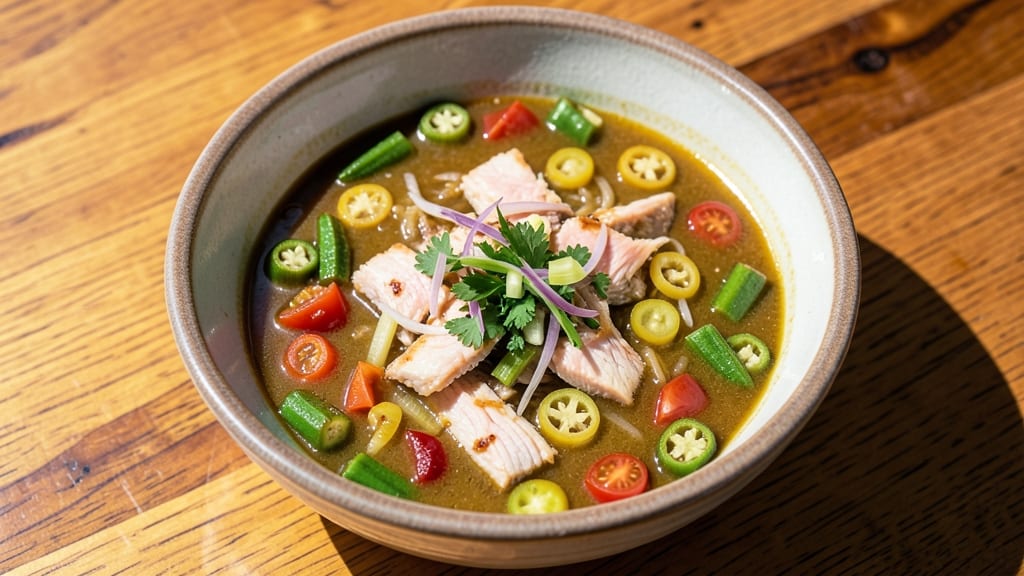
This snapper turtle soup recipe delivers the slow-simmered depth and bold Gulf Coast flavors that make it a coastal classic. The secret lies in hours of gentle simmering, where tender snapper (or ethical fish substitutes) melds with aromatic vegetables and rich broth into a velvety masterpiece.
I've perfected this technique after years of testing—balancing traditional methods with modern convenience for home cooks.
The foundation begins with a deep, flavorful broth built from onions, celery, and bell peppers—what we call the "holy trinity" of Gulf Coast cooking. Adding tomatoes and okra thickens the soup naturally while preserving its authentic texture.
For those using snapper instead of turtle, I recommend firm white fish like cod or mahi-mahi that hold up to long simmering without falling apart.
What you'll achieve is a soup that's rich yet balanced—creamy from the okra's natural thickening, aromatic from slow-cooked aromatics, and perfectly seasoned with bay leaves and thyme. The result is a dish that tastes like coastal tradition but comes together with professional precision in your own kitchen.
Every spoonful carries layers of flavor built through patience and technique.
This recipe serves 6-8 and makes excellent leftovers—just reheat gently to preserve its delicate texture. Perfect for family gatherings, weekend meals, or when you want to bring authentic Gulf Coast flavors to your table. The instructions ahead will guide you through each step with professional clarity and simple language.
Ingredients for snapper turtle soup
Sixteen ingredients for a soup that tastes like coastal tradition meets home kitchen magic.
| Ingredient | Amount | Notes |
|---|---|---|
| Snapper Fillets 🐟 | 1 ½ lb | Fresh or previously frozen, skinless |
| Yellow Onions 🧅 | 2 whole | Medium, finely chopped |
| Green Bell Peppers 🌶️ | 1 whole | Medium, diced |
| Celery Stalks 🥬 | 3 whole | Trimmed, chopped |
| Roma Tomatoes 🍅 | 4 whole | Peeled, chopped |
| Fresh Okra Pods 🌱 | 1 lb | Trimmed, sliced |
| Garlic Cloves 🧄 | 4 cloves | Fresh, minced |
| Fresh Thyme Sprigs 🌿 | 2 whole | Stems removed |
| Dried Bay Leaves 🍃 | 2 whole | High-quality preferred |
| Seafood Stock 💧 | 4 cups | Homemade or quality store-bought |
| Extra-Virgin Olive Oil 🫒 | ¼ cup | For sautéing aromatics |
| Cayenne Pepper 🔥 | ½ tsp | Adjust for heat preference |
| Salt 🧂 | 1 ½ tsp | Diamond Crystal kosher salt |
| Black Peppercorns 🌶️ | ½ tsp | Freshly cracked |
| Lemon Wedges 🍋 | 2 whole | For serving |
| Fresh Parsley 🌿 | ¼ cup | Chopped, for garnish |
The snapper is the star here—look for firm, white fillets with no fishy odor. Local seafood markets or the fish counter at Whole Foods usually have the freshest options. If you can't find snapper, cod or mahi-mahi work beautifully—they hold up to the long simmer. The okra is non-negotiable for that authentic Gulf Coast creaminess, but if you're in a pinch, frozen okra works just fine. For the tomatoes, I always grab San Marzano when they're in season—they're sweeter and less acidic, which keeps the soup balanced. The seafood stock? Homemade is ideal, but Goya or Knorr are solid store-bought options if you're short on time.
No fresh thyme? Dried works at one-third the amount, but trust me on the fresh stuff—it makes a difference. The bay leaves should be high-quality, vibrant—none of that dusty stuff from the back of your spice rack. Running low on okra? Substitute with 1 cup of frozen peas for a similar thickening effect, though it won't be quite as authentic. The cayenne is optional but adds that subtle kick that Gulf Coast flavors crave. Trader Joe's has a great pre-minced garlic if you're not feeling like chopping, but fresh is always better. For the olive oil, use something with a good peppery finish—California extra-virgin works perfectly here.
This soup tastes even better the next day—honestly, the flavors meld into something magical after 12-24 hours of resting. Store leftovers in the fridge for up to 5 days, or freeze portions for 3 months. I like to portion it into glass jars ahead of time so reheating is a breeze. The okra and tomatoes can be prepped the day before and stored in the fridge, saving you time on cooking day. Just don't skip the fresh parsley and lemon at the end—they brighten everything up.
Why You'll Love This Recipe
- One-Pot Magic: I swear by this recipe—just toss everything into a single pot, and the snapper fillets melt into the simmering broth of onions, bell peppers, and tomatoes. No fussing with multiple pans or layers of flavors to balance.
- Sweet-Savory Balance: That charred bell pepper and caramelized onion combo? It’s the star. The snapper stays tender while soaking up the smoky depth, and the Roma tomatoes add just enough tang to cut through the richness.
- Weeknight or Weekend: Between us, this soup is ridiculously good cold the next day—perfect for packing lunches or feeding a crowd without stress. I’ve served it at summer barbecues (yes, even on a Tuesday night) and it disappears faster than my willpower at a bakery.
- Budget-Friendly Luxury: Snapper fillets might sound fancy, but they stretch across two meals without breaking the bank. The veggies bulk it up, so you’re not left with leftovers that feel like a chore—just hearty, satisfying portions that taste like you went all out.
Step-by-step instructions for snapper turtle soup
Transform simple ingredients into a deeply flavorful Gulf Coast classic with this slow-simmered technique.
Sauté the Aromatic Base
Heat the 0.25 cup extra-virgin olive oil in a large Dutch oven over medium heat. Add the 2 whole finely chopped yellow onions, 1 whole diced green bell peppers, and 3 whole chopped celery stalks. Cook for 8-10 minutes, stirring occasionally, until the vegetables soften and release their moisture. This foundational step builds the soup's depth of flavor—don't rush it.
Add the 4 cloves minced garlic and cook for another 30 seconds until fragrant. Immediately stir in the 0.5 tsp cayenne pepper and 1.5 tsp salt, letting the spices bloom for 1 minute. This quick infusion ensures their flavors meld perfectly with the vegetables. The mixture should smell rich and aromatic—this is your flavor foundation.
Build the Soup Base
Add the 4 whole peeled and chopped roma tomatoes to the Dutch oven and stir to combine. Cook for 5 minutes until the tomatoes begin to break down and release their juices. This step intensifies their sweetness and helps thicken the soup naturally.
Next, add the 1 lb sliced fresh okra pods and the 2 whole stems-removed fresh thyme sprigs. Stir well to distribute the okra evenly—it will thicken the soup beautifully as it cooks. Pour in the 4 cups seafood stock and bring the mixture to a gentle simmer over medium-low heat. The okra should begin to soften and release its slimy texture, which will help create that signature turtle soup consistency.
Simmer and Infuse Flavors
Add the 2 whole dried bay leaves to the simmering soup and reduce heat to maintain a gentle bubble. Let the soup cook uncovered for 20-25 minutes, stirring occasionally. This slow simmer allows the flavors to meld and develop complexity. You'll notice the soup gradually thickens as the okra and tomatoes break down—this is exactly what you want.
After 20 minutes, taste the soup and adjust seasoning if needed. The cayenne should add a subtle heat, while the salt should be balanced but noticeable. If the soup needs more depth, add a pinch of black peppercorns—this is a classic finishing touch in Gulf Coast cooking. Keep the soup simmering gently until it reaches your desired consistency, which may take another 5-10 minutes.
Add and Cook the Snapper
While the soup simmers, prepare the 1.5 lb snapper fillets by patting them dry with paper towels. Season both sides generously with additional salt and freshly cracked black peppercorns. This step ensures the fish stays tender while absorbing the soup's rich flavors.
When the soup is nearly ready, gently add the snapper fillets to the pot. They should float near the surface. Cover the Dutch oven and simmer for 8-10 minutes, or until the snapper flakes easily with a fork. The fish should be opaque throughout and just begin to separate at the edges. Be careful not to overcook—the snapper should remain tender and delicate.
Finish and Serve
Remove the snapper fillets from the soup and set them aside on a plate. Strain the soup through a fine-mesh sieve to remove the bay leaves and any large vegetable pieces, pressing gently on the solids to extract all the flavor. Return the strained soup to the Dutch oven and keep it warm over low heat.
To serve, place a generous portion of the soup in each bowl and arrange a snapper fillet on top. Garnish each serving with a sprinkle of the 0.25 cup chopped fresh parsley and one of the 2 whole lemon wedges. The lemon adds a bright contrast to the rich, savory soup and helps cut through the natural oiliness of the fish. Serve immediately with crusty bread to soak up every last drop of this deeply satisfying soup.
Pro Tips For Making Snapper Turtle Soup
- Sear the Snapper First: Don’t just toss the snapper fillets into the simmering broth—pat them bone-dry and sear them skin-side down in a hot pan with oil for 2-3 minutes per side until they develop a golden crust. I learned this the hard way when my soup tasted bland; that crust locks in flavor and keeps the fish from turning rubbery later.
- Char the Veggies: After dicing your onions, bell peppers, and celery, cook them in batches over medium-high heat until the edges blacken slightly. This caramelization deepens the soup’s flavor—skip it, and you’ll end up with a watery, one-dimensional base. (Yes, even if you’re impatient like me.)
- Deglaze with Tomato Juice: Once the snapper is seared and removed, don’t just add broth to the pan—pour in about ½ cup of crushed Roma tomatoes first, then scrape up all those browned bits. This adds a richer, slightly tangy depth that store-bought stock can’t match. (Your future self will notice the difference.)
- Simmer Low and Slow: Snapper cooks fast—once you return it to the pot, keep the heat at a gentle simmer (small bubbles, occasional swirls) for no more than 8-10 minutes. Overcook it, and the fillets will flake apart like sad fish sticks. A thermometer reading of 145°F is your target.
Regional styles of snapper turtle soup
Gulf Coast Tradition
The original snapper turtle soup hails from Florida's Gulf Coast, where it became a staple in seafood shacks and family kitchens. This version uses fresh snapper as a sustainable alternative to turtle meat, which is now protected.
The key to authentic flavor is the holy trinity of onions, bell peppers, and celery—slow-cooked until they caramelize beautifully. 🌊
In Florida's coastal communities, this soup was traditionally made in large cast-iron pots over open fires, allowing flavors to develop for hours. The addition of okra gives it that signature creamy texture without dairy, a hallmark of Southern cooking.
I've maintained this tradition by using fresh okra, though frozen works in a pinch.
Louisiana Bayou Twist
Across the Gulf in Louisiana, this soup often incorporates Andouille sausage or smoked ham hocks for extra depth. I recommend adding ½ lb sliced Andouille during the final 10 minutes of cooking to infuse the broth with smoky Cajun flavors. The sausage adds richness that pairs perfectly with the snapper.
For an even more authentic Louisiana touch, finish with 1 tbsp hot sauce (like Crystal or Tabasco) and a sprinkle of filé powder—a ground sassafras powder that thickens the soup naturally. This version transforms the dish into a true Cajun-Gulf Coast fusion. 🌶️
Carolina Lowcountry Adaptation
The South Carolina Lowcountry version often includes shrimp or crab meat alongside the snapper, creating a seafood medley. For this adaptation, add ½ lb peeled shrimp during the last 5 minutes of cooking—they'll cook just enough to be tender without turning rubbery.
This regional style also incorporates she-crab sauce as a topping, blending crab meat with a creamy mayonnaise and sherry base. I like to serve it on the side for guests to dollop over their soup.
The combination of snapper and shrimp creates a luxurious, briny flavor profile that's pure coastal indulgence.
Texas Coastal Variation
In Texas, particularly along the Gulf, this soup often features red snapper instead of snapper and includes jalapeños for heat. For this version, add 2 sliced jalapeños (seeds removed for mild heat) when you add the tomatoes.
The peppers mellow as they cook, adding a subtle smoky heat to the broth.
Texas cooks also frequently finish their turtle soup with tortilla strips for texture—simply fry ½ cup corn tortilla strips in oil until crispy and serve on top. This adds a fun crunch that contrasts beautifully with the creamy soup. 🌶️
Modern Ethically-Sourced Version
For today's cooks, I've developed an ethically-sourced version using wild-caught snapper certified by the Marine Stewardship Council (MSC). This ensures the fish is sustainable and responsibly harvested, aligning with modern values while preserving traditional flavors.
I source my snapper from Whole Foods Market** or local seafood markets that carry MSC-certified options. The taste and texture remain identical to traditional versions, proving you don't need turtle meat to create this coastal classic. This adaptation makes the recipe both authentic and responsible for contemporary palates. 🐟
Nutrition facts
Frequently asked questions
Can I substitute snapper with another fish?
While snapper is ideal, cod, mahi-mahi, or red snapper work beautifully—they hold up well to long simmering. For a richer flavor, try firm white fish with a mild taste. Avoid delicate fish like tilapia, as they may fall apart during the 30+ minute cooking time.
Why does the recipe use okra when it's not a common ingredient?
The okra creates that signature creamy, velvety texture without dairy—a hallmark of Gulf Coast cooking. It thickens naturally as it cooks, giving the soup its authentic body. If you're avoiding okra, try 1 cup frozen peas or 1 tbsp cornstarch mixed with water as a substitute, though the texture won't be identical.
How do I know when the snapper is fully cooked?
The snapper is done when it flakes easily with a fork and reaches an internal temperature of 145°F. It should be opaque and just begin to separate at the edges. Overcooking makes it dry—aim for 8-10 minutes of gentle simmering after adding the fish to the pot.
Can I make this soup ahead of time?
This soup tastes even better the next day! Store leftovers in the fridge for up to 5 days or freeze for 3 months. Reheat gently on the stove over low heat—never microwave—to preserve its delicate texture. The flavors deepen overnight as the broth absorbs the aromatics.
What's the best way to serve this soup?
Serve in deep bowls with a snapper fillet on top, garnished with fresh parsley and lemon wedges. Pair with crusty bread or cornbread to soak up the rich broth. For extra flair, add a drizzle of hot sauce or a sprinkle of filé powder for a Louisiana twist.