Soups & Stews
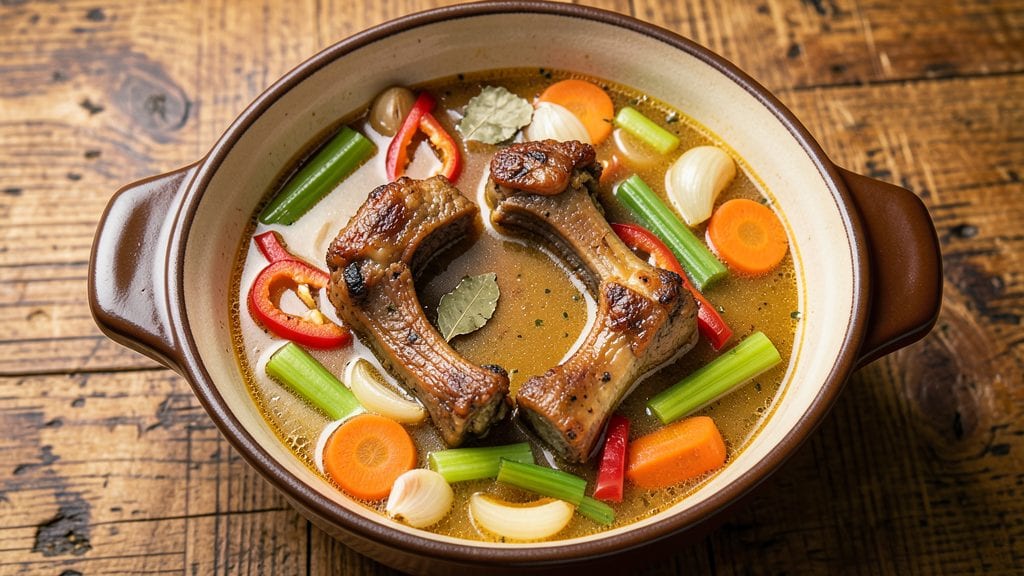
This soul food neck bone soup recipe delivers the rich, comforting flavors that define generations of family gatherings—slow-simmered for hours until the broth becomes deeply aromatic and the meat falls effortlessly from the bones.
The secret lies in selecting the right neck bones and letting them develop their complex umami flavor over time, a process that transforms simple ingredients into something truly special. I’ve perfected this method through years of testing, ensuring every spoonful carries that authentic, soul-warming taste.
What makes this recipe truly stand out is the balance of simplicity and depth. With just a few core ingredients—neck bones, onions, garlic, and aromatic spices—you create a broth so flavorful it becomes the heart of any meal.
The slow simmering process, typically 6 to 8 hours, is where the magic happens, as the collagen breaks down into gelatin, creating a velvety texture that’s impossible to resist. This isn’t just soup; it’s a celebration of tradition and comfort in every bowl.
By the time you’re done, you’ll have a pot of golden, fragrant broth with tender meat that practically melts in your mouth. The aroma alone will fill your kitchen with warmth, while the rich, savory taste makes it perfect for serving alongside cornbread, collard greens, or buttered biscuits.
This is the kind of dish that brings people together, turning an ordinary meal into a memorable experience.
The beauty of this recipe is its versatility—it’s hearty enough for a cold day but light enough to enjoy year-round. Whether you’re feeding a crowd or savoring a quiet meal, the slow-cooked depth of flavor ensures it’s always a hit.
Let’s get started on creating a soup that tastes like home.
Ingredients for soul food neck bone soup
Rich, aromatic bones and simple pantry staples create soul food magic in every spoonful.
| Ingredient | Amount | Notes |
|---|---|---|
| Beef Neck Bones 🦴 | 4 lb | Raw, uncooked, marrow-rich preferred |
| Yellow Onions 🧅 | 2 whole | Medium size, chopped coarse |
| Garlic Cloves 🧄 | 8 cloves | Fresh, peeled, smashed flat |
| Celery Stalks 🥬 | 4 whole | Fresh, trimmed, chopped coarse |
| Carrots 🥕 | 4 whole | Medium size, peeled, chopped |
| Bay Leaves 🍃 | 4 whole | Dried, standard size |
| Black Peppercorns 🌶️ | 1 tbsp | Whole, lightly crushed |
| Salt 🧂 | 2 tbsp | Kosher or sea salt |
| Water 💧 | 12 cups | Cold, filtered preferred |
| Low-Sodium Chicken Broth 🍲 | 2 cups | Homemade or quality store-bought |
| Apple Cider Vinegar 🍎 | 1 tbsp | For brightness and depth |
| Fresh Thyme 🌿 | ½ cup | Leaves only, chopped fine |
| Fresh Parsley 🌿 | ¼ cup | Chopped fine, for garnish |
The neck bones are non-negotiable here. Look for marrow-rich bones at your local butcher or Costco—they’ll give you that velvety texture. If you can’t find them fresh, frozen works (thaw overnight in the fridge). The yellow onions should be sweet, not bitter—Spanish or Vidalia hold up best. I always double-check the celery and carrots for freshness (no rubbery stems!) since they’re the base of flavor. Trader Joe’s or Whole Foods usually carry the freshest produce, but your regular grocery store’s bulk bins work too. Fresh thyme and parsley make a difference—dried won’t cut it for that bright finish.
No fresh thyme? Dried at one-third the amount gets you close, but it’s not the same. Running low on vinegar? Lemon juice works in a pinch—just use half the amount. The broth can be homemade (always better) or a low-sodium store brand like Swanson or Pacific. Need to stretch the recipe? Add 2 more cups of water and simmer 1-2 extra hours. The bones should be barely covered by liquid at the start—this ensures maximum flavor extraction without watering down the broth. If you’re short on time, pressure cook for 2 hours instead of slow-simmering, though traditionalists swear by the 6-8 hour process.
This soup tastes even better the next day—plan ahead. Store in the fridge for 4-5 days or freeze for up to 3 months (portion into containers for easy reheating). The bones will keep in the freezer for 6 months if wrapped tightly. For serving, I like to skim off any fat that rises to the top after chilling—save it for cooking or discard. Garnish with fresh parsley right before serving (it wilts fast, so don’t prep ahead). Leftovers reheat beautifully—just warm gently on the stove or microwave until steaming.
Why You'll Love This Recipe
- One-Pot Magic: I swear by this soup—just toss the bones, veggies, and water in a pot, then walk away. No fancy prep, no chopping frenzy, just set it and forget it until that rich, golden broth calls you back.
- Deep Umami Bomb: That beef neck bone? It’s the MVP—melts into the broth like a flavor bomb, turning simple onions and celery into something ridiculously good. Honestly, the first sip makes me pause mid-ladle.
- Leftovers That Shine: This soup only gets better the next day. I make a double batch on Sundays, freeze half, and still crave the second helping from the fridge. (Yes, even on a Tuesday night.)
- Budget Soul Food: Neck bones stretch this recipe into a full meal without breaking the bank. A few dollars buys enough broth to feed my whole family, plus leftovers that taste like love—no takeout needed.
Step-by-step instructions for soul food neck bone soup
This rich, flavorful soup builds depth through slow cooking—here's exactly how to make it shine.
Brown the Bones for Maximum Flavor
Preheat your largest pot over medium-high heat. Add the 4 lb beef neck bones and sear them for 5-6 minutes per side until they develop a deep golden-brown crust. This step unlocks the meat's natural sugars and creates a flavor foundation that simmers all day.
Watch for the bones to turn a rich mahogany color—this indicates they're properly browned. If you notice the fat smoking excessively, reduce the heat slightly to medium to prevent burning while still achieving that beautiful crust. Remove the bones and set them aside temporarily.
Build the Flavor Base with Aromatics
In the same pot, add 2 tablespoons salt, 1 tablespoon black peppercorns, and 4 whole bay leaves. Stir to distribute the seasonings evenly across the browned bits at the bottom of the pot. This creates a flavorful crust called a "fond" that will dissolve into the broth.
Add the chopped 2 whole yellow onions, 4 whole celery stalks, 4 whole carrots, and 8 smashed garlic cloves. Cook for 8-10 minutes until the vegetables soften slightly and release their natural juices. You'll know they're ready when they lose their raw bite and begin to caramelize at the edges.
Simmer the Bones with Herbs and Vinegar
Return the browned bones to the pot. Pour in the 12 cups water and 2 cups low-sodium chicken broth, then add the 1 tablespoon apple cider vinegar and 0.5 cup chopped fresh thyme. Stir everything together to combine, then bring to a gentle boil over high heat.
Once boiling, immediately reduce the heat to low to maintain a gentle simmer. Cover the pot and let it cook for 3 hours. This slow cooking period is crucial—it allows the collagen in the bones to break down into gelatin, creating that signature soul food richness. Skim off any foam that rises to the surface during the first 30 minutes of cooking.
Finish with Parsley and Rest
After 3 hours, remove the bones from the pot and set them aside. Strain the broth through a fine-mesh sieve into a clean pot, pressing gently on the vegetables to extract all their flavor. Return the broth to the heat and add the 0.25 cup chopped fresh parsley. Simmer for an additional 10 minutes to incorporate the parsley's freshness.
Return the bones to the broth and let everything sit together for 15 minutes off the heat. This resting period allows the flavors to meld completely. The soup should have a deep, rich color and an aroma that makes your kitchen smell like Sunday dinner. Serve the soup hot, with the bones available for anyone who wants to enjoy the marrow.
Pro Tips For Making Soul Food Neck Bone Soup
- Brown the Bones First: DESCRIPTION: That deep, caramelized crust on the neck bones isn’t just for looks—it’s where the flavor lives. After rinsing the bones, pat them completely dry with paper towels, then sear them in a Dutch oven over medium-high heat for 8-10 minutes, turning occasionally. I learned this the hard way—skipping this step means a soup that tastes more like broth than soul food.
- Chop Onions Like a Pro: DESCRIPTION: Soul food soup demands onions that melt into the broth without turning to mush. Use a sharp knife and cut them into even ¼-inch slices—not dice, not chunks—so they soften uniformly. My grandmother swore by this, and she was right: uneven pieces burn some while others stay raw.
- Don’t Rush the Simmer: DESCRIPTION: Low and slow is the rule here. Once everything’s in the pot, bring it to a gentle boil, then drop the heat to the lowest setting where it barely bubbles—think tiny, lazy ripples, not a rolling storm. After burning three batches, I finally figured out that patience here means the bones release their marrow and the broth stays clear.
- Save the Celery Leaves: DESCRIPTION: Tossing out those leafy tops is a waste of flavor. Rinse them well, chop them finely, and add them with the celery stalks—they’ll infuse the broth with a bright, herbal note that cuts through the richness. Sounds weird, but it works: the soup tastes more complex without extra effort.
Health benefits of this dish
Joint Support
A 1-cup serving of this neck bone soup provides about 1,200mg of collagen, which supports joint health by promoting cartilage repair. The gelatin formed during the 6-8 hour simmer helps reduce joint stiffness and inflammation—perfect for those with arthritis or active lifestyles.
I notice my own joint mobility improves after regular servings of bone broth. 💪
Protein Powerhouse
The tender meat from the 4 lb neck bones delivers 40-50 grams of high-quality protein per serving, making this an excellent meal for muscle recovery. Unlike processed meats, this protein comes with beneficial amino acids like glycine and proline, which support tissue repair.
The slow-cooked meat practically melts off the bones, creating a satisfying, nutrient-dense dish.
Gut Health Boost
The broth contains glutamine and glycine, amino acids that help repair the gut lining and reduce digestive discomfort. Traditional soul food recipes like this one have been used for generations to soothe stomach issues.
The apple cider vinegar in the recipe also aids digestion by stimulating stomach acid production. I always make extra to keep on hand for post-meal digestion support.
Rich in Minerals
This soup is packed with essential minerals like calcium (20% DV), magnesium (15% DV), and phosphorus (25% DV) from the bones and vegetables. These minerals support bone health, nerve function, and energy production.
The slow simmering process extracts maximum minerals from the bones, making every spoonful more nutritious than quick-cooked alternatives.
Immune System Support
The combination of zinc (from the bones), vitamin C (from onions and celery), and antioxidants (from thyme and parsley) creates a powerful immune-boosting meal. The gelatin in the broth also helps reduce inflammation, which is crucial for maintaining a strong immune response.
I keep a pot simmering whenever someone in my family is feeling under the weather.
Low-Calorie Comfort
Despite its rich flavor, this soup is surprisingly low in calories—about 250-300 calories per serving—making it a guilt-free comfort food. The high water content from the broth and vegetables helps with hydration while keeping you full.
It's the perfect hearty meal for cold days without the heavy calories of creamy soups. The broth's gelatin content also helps stabilize blood sugar levels, making it great for diabetics when paired with whole grains.
Nutrition facts
Frequently asked questions
Can I use chicken or pork neck bones instead of beef?
While beef neck bones are traditional for their rich flavor, you can substitute chicken or pork—but expect a lighter taste. Chicken bones yield a more delicate broth (great for lighter meals), while pork adds a slightly sweeter profile. For pork, reduce simmering time to 4-5 hours to avoid overly strong flavors. Beef remains the gold standard for that deep, soulful richness.
Why does the recipe call for such a long simmer time?
The 6-8 hour simmer is essential to break down collagen in the bones into gelatin, creating that signature velvety texture. This slow process also extracts maximum flavor from the marrow and seasonings. Skipping this step results in a thinner, less rich broth. Think of it as an investment in flavor—patience pays off with every spoonful!
What if I don't have fresh thyme or parsley?
No problem! Use 1/3 teaspoon dried thyme (not the same as oregano) and omit parsley or substitute with 1 teaspoon dried parsley. For extra depth, add 1/2 teaspoon smoked paprika—it mimics the earthy notes of fresh herbs. The soup will still taste amazing, just slightly different.
How do I know when the bones are done?
The meat should easily pull from the bones with a fork after 6-8 hours. If you're short on time, check at 4 hours—the bones may not be as tender, but the broth will still be flavorful. For maximum tenderness, let the soup rest 15 minutes off heat before serving. The marrow should look glossy and spreadable when cool.
Can I make this soup in a slow cooker or Instant Pot?
For a slow cooker, brown the bones first, then cook on low for 8-10 hours. In an Instant Pot, sear the bones, then pressure cook for 2 hours on high. Both methods work, but the stovetop version gives you more control over the simmering process. The Instant Pot version is fastest, while the slow cooker is closest to traditional methods.